






My grandmother never called it a diet. She called it eating right. Every meal had vegetables, legumes were a weekly staple, fish showed up more than meat, and the olive oil never ran out. She lived to 91 without a single chronic disease diagnosis. I used to think that was luck. Science has since convinced me it was something else entirely.
The idea of food as medicine is not new. Hippocrates wrote about it more than 2,000 years ago. But for most of the twentieth century, modern medicine pushed food to the margins, favoring drugs and procedures over nutritional interventions. That shift is now reversing fast. In 2026, nutritional science sits at the center of some of the most exciting research in preventive medicine, and the evidence is no longer soft.
Chronic disease kills more than 41 million people globally every year, according to the World Health Organization. Heart disease, type 2 diabetes, certain cancers, and neurodegenerative conditions account for the overwhelming majority of that number. What research consistently shows is that a significant share of those deaths are connected to how people eat, not just genetics, not just luck.
This is not about miracle superfoods or elimination cleanses. It is about understanding how patterns of eating interact with your biology at a cellular level. Inflammation, oxidative stress, gut health, and blood sugar regulation are the shared biological mechanisms behind most chronic disease. And all of them respond, sometimes powerfully, to what lands on your plate.
The following sections explore the most clinically validated strategies for using food as medicine: starting with the foundation of anti-inflammatory eating, moving through the most studied dietary pattern in clinical history, and ending with the specific foods and compounds that science has identified as genuinely therapeutic.
Section 1: Why inflammation is the starting point?
The fire you cannot feel
Inflammation gets a bad reputation, but it is not your enemy. When you cut your finger or catch a cold, your immune system launches a controlled response to fight off threats and repair tissue. That is acute inflammation, and it is essential. The problem is a different animal entirely.
Chronic low-grade inflammation is the kind that simmers silently for years. No fever, no visible swelling, no obvious symptoms. Just a sustained, low-level activation of the immune system that quietly damages cells, stiffens arteries, disrupts insulin signaling, and accelerates cognitive aging. Researchers now link it to virtually every major chronic disease, including heart disease, type 2 diabetes, depression, Alzheimer’s, and several cancers.
And diet is one of the most powerful drivers of it.
What a typical Western diet does to your biology
Ultra-processed foods, refined sugars, industrial seed oils, and processed meats all activate a molecular switch inside your cells called NF-kB. Think of NF-kB as the control panel for your inflammatory response. When it is chronically activated by poor diet, it keeps the immune system in a state of continuous, low-level alarm.
The result is elevated levels of inflammatory proteins including C-reactive protein (CRP), interleukin-6 (IL-6), and tumor necrosis factor-alpha. These are measurable in blood tests. They are also the same biomarkers that predict cardiovascular events, insulin resistance, and cognitive decline with striking accuracy.
A diet heavy in ultra-processed products, refined carbohydrates, and omega-6-dominant vegetable oils keeps those markers elevated. A diet rich in whole foods, fiber, and omega-3 fatty acids consistently brings them down.
Building an anti-inflammatory plate
The anti-inflammatory diet is not a named program with a branded food list. It is a consistent orientation toward specific categories of food that science has identified as inflammation-suppressing.
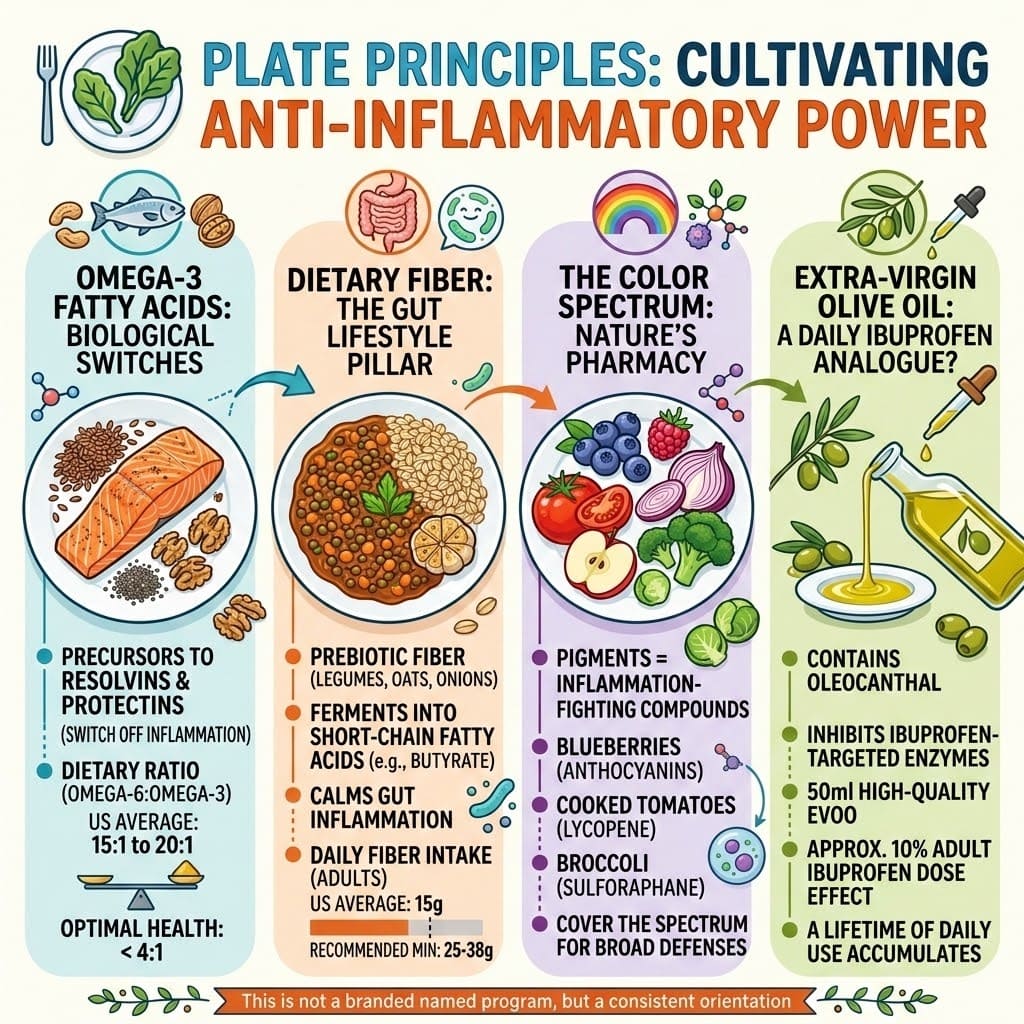
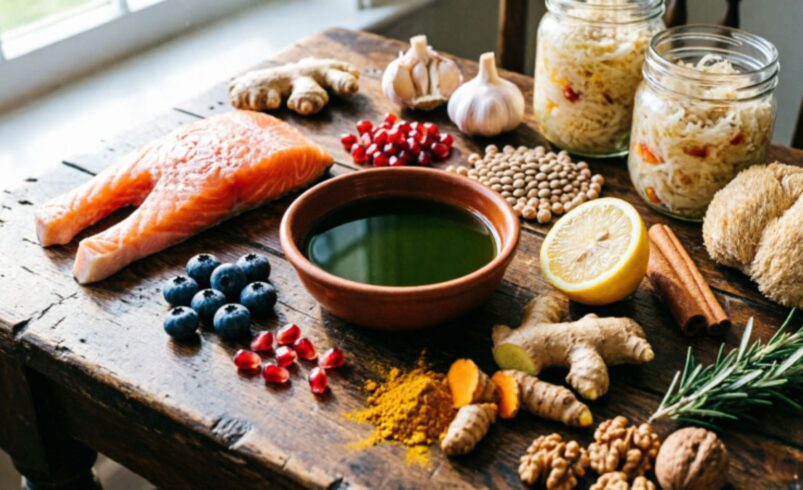
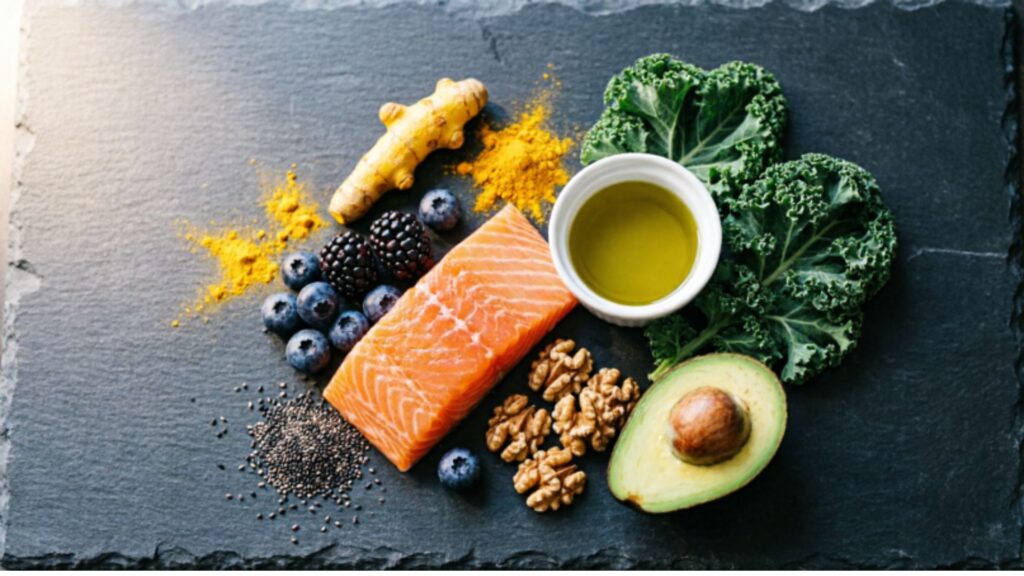
Omega-3 fatty acids sit at the top of that list. Found in fatty fish like salmon, sardines, and mackerel, as well as in walnuts, flaxseeds, and chia seeds, omega-3s are biological precursors to compounds called resolvins and protectins. These molecules actively switch off the inflammatory response rather than simply muting it. Most Americans eat a dietary ratio of omega-6 to omega-3 somewhere between 15:1 and 20:1. Research suggests optimal health is closer to 4:1.
Dietary fiber is the second pillar. Specifically, fermentable prebiotic fiber found in legumes, oats, garlic, onions, asparagus, and most vegetables. Gut bacteria ferment this fiber into short-chain fatty acids, particularly butyrate, that directly calm inflammation in the gut lining and beyond. Most adults in the US eat around 15 grams of fiber per day. The recommended minimum is 25 to 38 grams. That gap has real biological consequences.
Color is the third cue. The pigments in fruits and vegetables are not decorative. Anthocyanins in blueberries, lycopene in cooked tomatoes, quercetin in onions and apples, and sulforaphane in broccoli and Brussels sprouts all target the same inflammatory pathways that chronic disease exploits. Rotating through the color spectrum across a week means covering a broad range of anti-inflammatory compounds.
Extra-virgin olive oil deserves specific mention. It contains a phenolic compound called oleocanthal that inhibits the same enzymes targeted by ibuprofen. Researchers at the Monell Chemical Senses Center have estimated that 50 milliliters of high-quality extra-virgin olive oil delivers an anti-inflammatory effect roughly equivalent to 10 percent of an adult ibuprofen dose. Over a lifetime of daily use, that accumulates into something meaningful.
What the research actually shows
The anti-inflammatory eating pattern is not a fringe idea in nutrition science. It is the shared architecture behind every dietary pattern that consistently performs well in clinical trials. The Mediterranean diet, the DASH diet, and the MIND diet all deliver their benefits through the same core mechanisms: more fiber, more omega-3s, more polyphenols, and far fewer ultra-processed foods.
A 2020 meta-analysis in the journal Nutrients, pooling data from 17 randomized controlled trials, found that dietary interventions aligned with anti-inflammatory principles produced significant reductions in CRP and IL-6 across diverse adult populations. Effect sizes were comparable to low-dose anti-inflammatory medication in several studies.
This does not mean food replaces medicine for everyone. It means that for the majority of people eating a Western diet, the chronic inflammatory load they carry is largely self-inflicted through food choices, and largely reversible through the same means.
The most common dietary swaps and their effects
| Food category | Inflammatory effect | Anti-inflammatory alternative |
| Refined seed oils | High omega-6 load, NF-kB activation | Extra-virgin olive oil |
| Refined grains | Blood sugar spikes, AGE formation | Whole grains, legumes |
| Processed meats | Oxidative stress, nitrate compounds | Fatty fish, legumes |
| Added sugars | Insulin spikes, pro-inflammatory cytokines | Whole fruit, dark chocolate |
| Ultra-processed snacks | Disrupts gut barrier, microbiome damage | Nuts, seeds, fermented foods |
For readers who want to go deeper into the practical side of building an anti-inflammatory eating plan, this dedicated breakdown of anti-inflammatory eating patterns covers the meal-level strategies and the specific foods with the strongest clinical backing.
How fast the biology responds
The shift does not need to happen overnight. Research shows that even modest, sustained changes toward more fiber and more whole foods produce measurable reductions in inflammatory biomarkers within weeks. The biology responds faster than most people expect.
What makes this especially encouraging is that reducing chronic inflammation is not just about preventing future disease. Many people report tangible differences in energy, joint comfort, and mental clarity within the first few weeks of shifting their diet. That kind of short-term feedback makes it easier to maintain long-term.
The relationship between fiber, the gut microbiome, and systemic inflammation is one of the most important connections in nutritional medicine, explored fully in this guide to gut health foods. If chronic inflammation is the common thread running through most chronic disease, the anti-inflammatory eating pattern is the most broadly applicable dietary strategy for cutting that thread.
Section 2: The Mediterranean diet and why it keeps winning
The study that changed everything
In 2013, a clinical trial called PREDIMED published its results in the New England Journal of Medicine and quietly rewrote the nutritional playbook. More than 7,000 adults at elevated cardiovascular risk were followed for nearly five years. Half were assigned to a Mediterranean-style diet. The other half followed a standard low-fat diet.
The Mediterranean group had roughly 30 percent fewer major cardiovascular events, including heart attacks and strokes, than the control group. The trial was so decisive that the ethics board recommended stopping it early. You cannot keep giving people a placebo when the treatment arm is producing results that significant.
That effect size, achieved through food choices alone, rivals what you would expect from a moderate-dose pharmaceutical intervention. And it was not a short-term weight loss study. It was about long-term disease prevention in real people eating real meals.
What the Mediterranean diet actually looks like
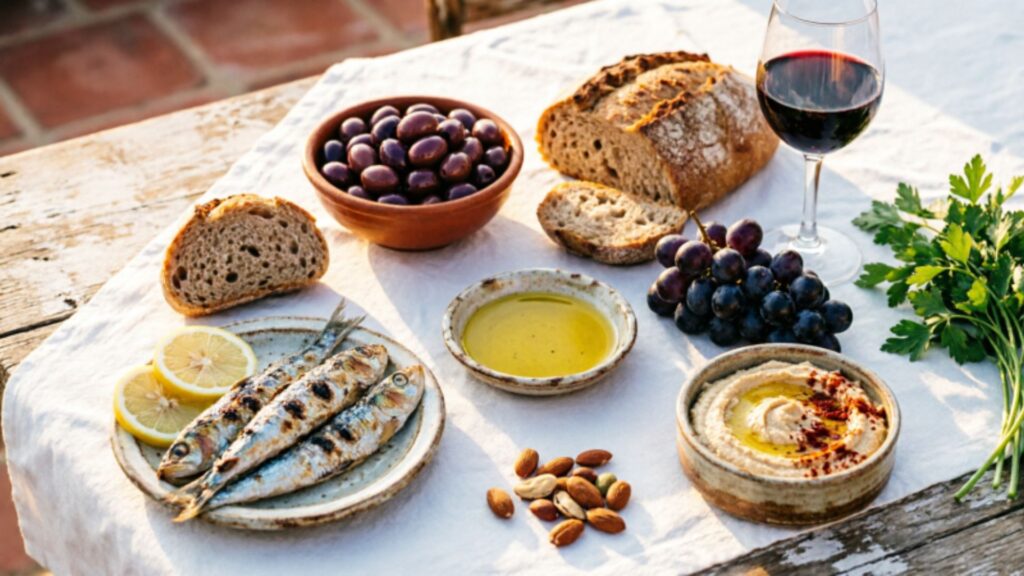
Decades of food media coverage have reduced the Mediterranean diet to a few photogenic cliches: pasta, olive oil, a glass of red wine. The reality is more substantive and more interesting.
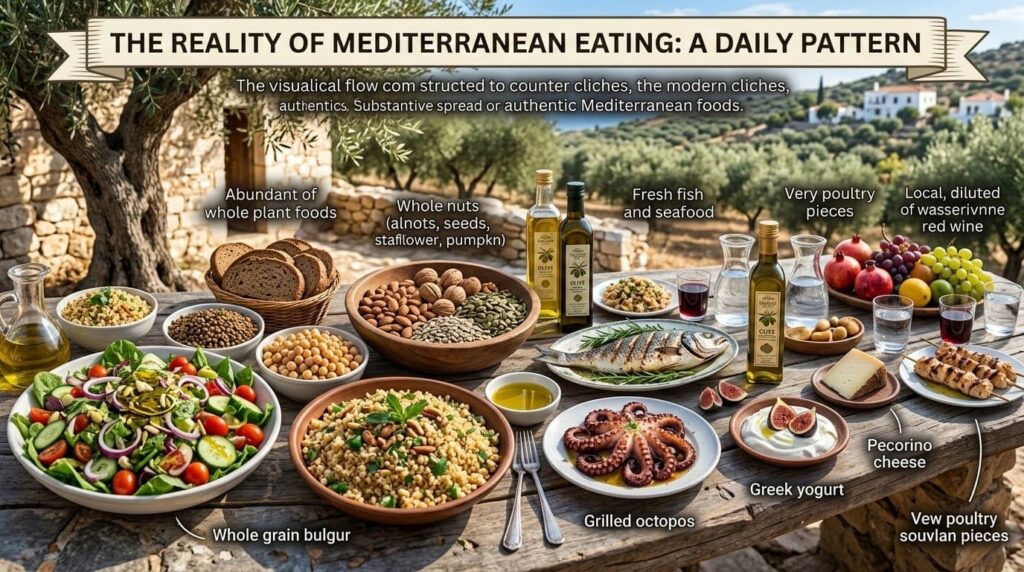
The pattern reflects how people actually ate in parts of Greece and southern Italy during the 1950s and 1960s, before fast food arrived and before agricultural modernization changed the food supply. Researchers first took notice because those populations had remarkably low rates of heart disease despite eating relatively high amounts of fat, which contradicted everything nutrition science believed at the time.
The core of the pattern looks like this: abundant vegetables, legumes, whole grains, fruits, nuts, and seeds at every meal. Olive oil as the primary fat used in cooking and finishing dishes. Fish and seafood several times a week. Dairy appearing mostly as yogurt and aged cheese in moderate amounts. Poultry occasionally. Red meat rarely. Sweets reserved for special occasions.
What defines it is not any single food. It is the consistent, daily accumulation of whole plant foods, healthy fats, and minimally processed proteins, without the ultra-processed products that dominate most modern diets.
Why it works: the biology behind the pattern
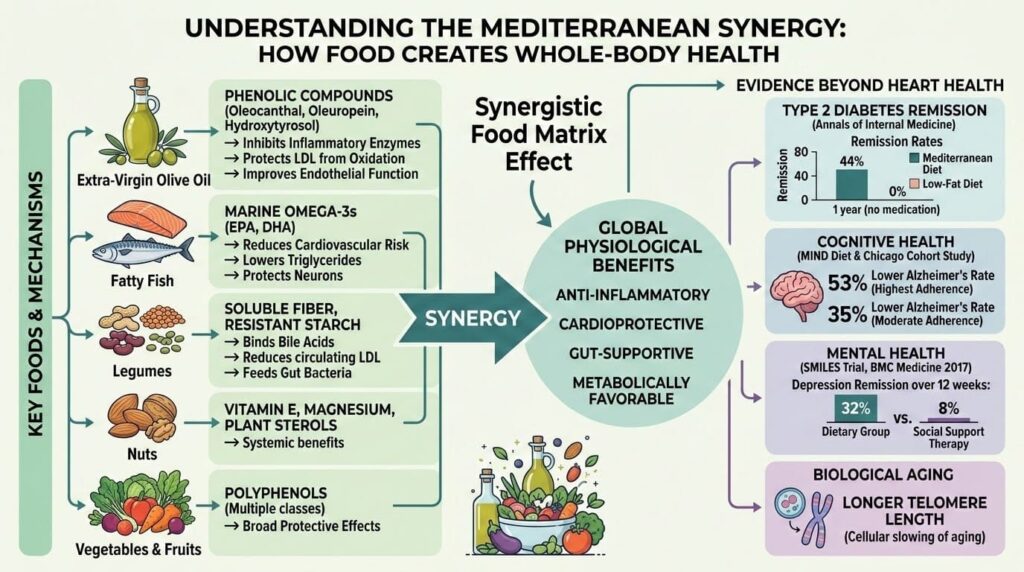
The Mediterranean diet’s benefits do not come from one magic ingredient. They come from the interaction between many components working together, what researchers call a synergistic food matrix effect.
Extra-virgin olive oil brings oleocanthal, oleuropein, and hydroxytyrosol, phenolic compounds that inhibit inflammatory enzymes, protect LDL cholesterol from oxidation, and improve endothelial function, meaning the health of the inner lining of your arteries. Fatty fish bring EPA and DHA, the marine omega-3 fatty acids with the strongest evidence base for reducing cardiovascular risk, lowering triglycerides, and protecting neurons. Legumes bring soluble fiber that binds bile acids and reduces circulating LDL, along with resistant starch that feeds gut bacteria. Nuts bring vitamin E, magnesium, and plant sterols. Fresh vegetables and fruits bring polyphenols across dozens of classes.
No single one of those components produces the Mediterranean diet’s clinical results on its own. Together, in the proportions this pattern delivers, they create a sustained biological environment that is anti-inflammatory, cardioprotective, gut-supportive, and metabolically favorable all at once.
The evidence beyond cardiovascular health
Heart disease is where the Mediterranean diet’s evidence is most convincing, but it is far from the only application.
For type 2 diabetes, a study published in Annals of Internal Medicine followed newly diagnosed patients assigned to either a Mediterranean diet or a conventional low-fat diet. After one year, 44 percent of the Mediterranean diet group had achieved full diabetes remission without medication. Zero percent of the low-fat group had.
For cognitive health, the story is equally compelling. The MIND diet, developed by nutritional epidemiologist Dr. Martha Clare Morris at Rush University, combines Mediterranean and DASH principles with a specific emphasis on foods linked to brain protection. A major Chicago cohort study found that participants with the highest MIND diet adherence had a 53 percent lower rate of Alzheimer’s disease compared to those with the lowest adherence. Even moderate adherence reduced risk by 35 percent.
For mental health, the SMILES trial published in BMC Medicine in 2017 tested a Mediterranean-style dietary intervention against social support therapy in adults with moderate to severe depression. Thirty-two percent of the dietary group achieved full remission over 12 weeks. Eight percent of the control group did. That is a clinically meaningful gap, produced entirely through food.
For biological aging, separate longitudinal research has linked Mediterranean diet adherence to longer telomere length, which is a cellular marker of how quickly your body ages at a chromosomal level. Populations eating this way do not just live longer in the statistics. They appear to age more slowly at the cellular level.
What makes it sustainable
One of the reasons the Mediterranean diet consistently outperforms other dietary interventions in long-term trials is that people actually stick to it. No entire food groups are eliminated. Calorie counting and rigid meal timing are not required either. It builds on flavors that most people find genuinely satisfying: olive oil, garlic, herbs, fresh vegetables, fish cooked simply, and a small piece of good dark chocolate without guilt.
Dr. Walter Willett, professor of epidemiology and nutrition at Harvard T.H. Chan School of Public Health and one of the most cited nutrition researchers in the world, has described the Mediterranean diet as “the best-tested dietary pattern for both preventing disease and promoting longevity.” That is not marketing language. That is a summary of several decades of accumulated evidence.
A practical starting point
The practical starting point is simpler than most people expect. Replace butter with olive oil. Add legumes to three or four meals per week. Eat fatty fish twice a week. Build dinner around vegetables first, then add protein and grains. Keep a small bowl of walnuts or almonds as the default snack. Add fresh or dried herbs to every savory dish. None of those changes require a total kitchen overhaul. Together, they shift your dietary pattern toward the one with the strongest evidence base in clinical nutrition history.
For a detailed breakdown of the PREDIMED results, the cognitive research, and a practical week-by-week starting framework, this full guide to mediterranean diet health benefits is worth reading alongside this article.
It is also worth noting that the Mediterranean diet’s anti-inflammatory architecture overlaps directly with everything covered in the previous section. The two are not separate strategies. Anti-inflammatory eating is the mechanism. The Mediterranean diet is the most clinically validated expression of that mechanism in a real-world dietary pattern.
That brings up a useful question. If eating patterns have this much power over long-term disease risk, what specific compounds inside those foods are doing the biological heavy lifting?
Section 3: The compounds that do the work

Beyond nutrients
For most of the twentieth century, nutrition science focused on macronutrients and micronutrients. Proteins, carbohydrates, fats, vitamins, minerals. That framework was useful, but it was incomplete. It did not explain why populations eating vastly different macronutrient ratios could have similarly low rates of chronic disease. It did not account for the biological activity of the thousands of other compounds packed into whole plant foods.
The missing piece turned out to be phytochemicals. Specifically, the class of plant bioactives now understood to interact directly with human biology in ways that rival, and sometimes match, pharmaceutical interventions.
Three categories matter most for everyday dietary choices: polyphenols, functional mushroom compounds, and therapeutic spices. Each one works through distinct mechanisms. Together, they represent what researchers now call the bioactive layer of food, the part of your diet that your cells are paying the most attention to.
Polyphenols: the plant compounds your cells recognize
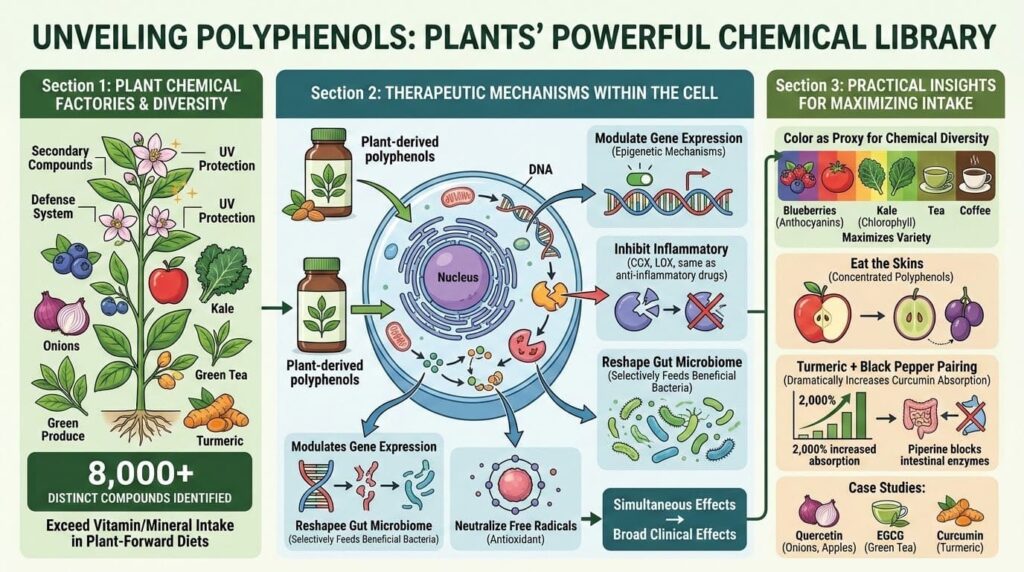
Plants are sophisticated chemical factories. They manufacture thousands of secondary compounds that serve as their defense system against pathogens, UV radiation, and environmental stress. When humans eat those plants, they ingest that entire chemical library. And the body, it turns out, knows exactly what to do with it.
Polyphenols are the largest and most studied class of these plant bioactives. More than 8,000 distinct polyphenolic compounds have been identified in the human diet. They are found in fruits, vegetables, whole grains, legumes, nuts, seeds, tea, coffee, cocoa, and herbs. Their concentrations in plant-forward diets far exceed those of most vitamins and minerals.
What makes them therapeutically significant is how they interact with human biology. These compounds do not just act as antioxidants, neutralizing free radicals. They modulate gene expression, switching specific genes on or off through epigenetic mechanisms. Beyond that, they inhibit the same inflammatory enzymes targeted by anti-inflammatory drugs. Beneficial bacterial species in the gut microbiome are also selectively fed by these same compounds.
And they do all of this simultaneously, which is why their clinical effects are so broad.
Three polyphenols with the strongest clinical evidence
Quercetin, found in onions, apples, and capers, has demonstrated antiviral, antihistamine, and anti-inflammatory properties across multiple clinical settings. EGCG from green tea inhibits NF-kB and has shown meaningful results in early-phase trials for certain cancers. Curcumin from turmeric has been compared directly to ibuprofen in osteoarthritis trials and matched its pain-relief effect with a significantly better tolerability profile.
The single most practical insight from polyphenol research is this: color is a proxy for chemical diversity. The pigments that give blueberries their blue, tomatoes their red, and kale its deep green are polyphenolic compounds. Rotating through a wide range of colorful plant foods across the week is the most accessible way to maximize polyphenol intake without tracking anything.
Eating the skins of fruits and vegetables matters. Most polyphenols concentrate there. Pairing turmeric with black pepper dramatically increases curcumin absorption, by up to 2,000 percent according to published pharmacokinetic research, because piperine in black pepper blocks the intestinal enzyme that rapidly breaks curcumin down. These are small, practical adjustments that have real biological consequences.
For readers who want the full breakdown of which polyphenol classes do what, and which foods deliver the highest concentrations, this detailed guide to polyphenols benefits covers the science in depth.
Functional mushrooms: what traditional medicine got right
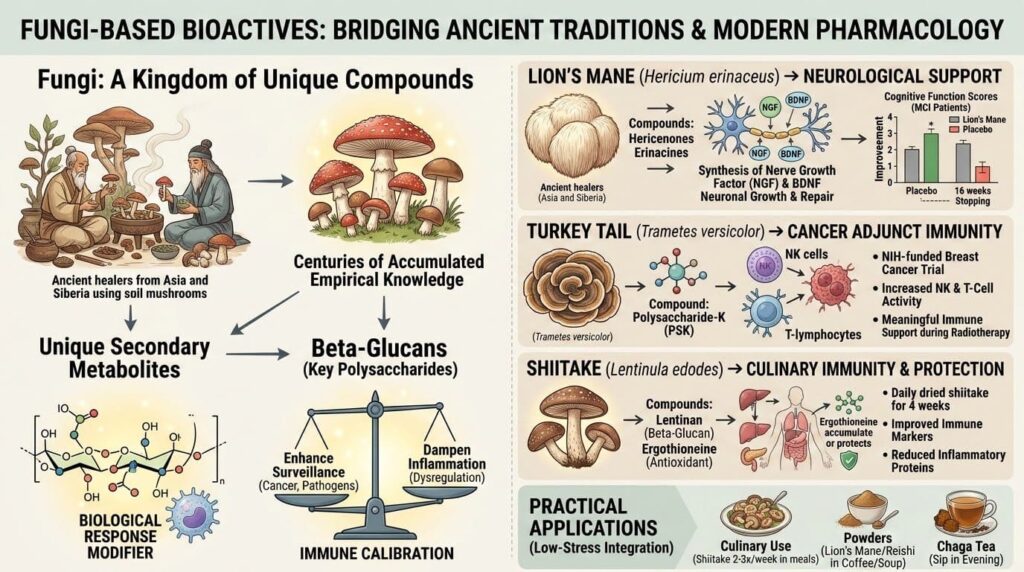
Long before clinical trials existed, healers across Asia, Siberia, and indigenous North America were using specific mushroom species as medicine. Reishi for vitality and immune support. Chaga as an antioxidant tonic. Turkey Tail for wound healing and resilience. These traditions accumulated empirical knowledge over centuries. Modern pharmacology is now providing the molecular explanations for what those healers observed.
Fungi occupy a biological kingdom entirely separate from plants and animals. They evolved unique metabolic strategies and produced compounds found nowhere else in nature. The most therapeutically significant are beta-glucans, long-chain polysaccharides that function as biological response modifiers for the human immune system.
Beta-glucans do not simply stimulate immunity. They calibrate it. They enhance immune surveillance against cancer cells and pathogens while simultaneously dampening excessive inflammatory responses. That bidirectional effect is pharmacologically unusual and clinically valuable, particularly for anyone managing conditions where immune dysregulation is a factor.
Three species with the strongest clinical evidence
Lion’s Mane is the species generating the most excitement in neuroscience right now. It contains compounds called hericenones and erinacines that stimulate the synthesis of nerve growth factor (NGF) and brain-derived neurotrophic factor (BDNF), proteins critical for neuronal growth, maintenance, and repair. A randomized controlled trial published in Phytotherapy Research found that older adults with mild cognitive impairment who took Lion’s Mane daily for 16 weeks showed significantly greater improvements in cognitive function scores than those on placebo. Scores began declining after supplementation stopped, suggesting that ongoing consumption sustains the benefit.
Turkey Tail contains polysaccharide-K (PSK), which has been approved in Japan as an adjunct cancer therapy since the 1980s. A 2012 NIH-funded clinical trial found that Turkey Tail supplementation in breast cancer patients undergoing radiotherapy significantly increased natural killer cell and cytotoxic T-lymphocyte activity compared to placebo, providing meaningful immune support during a treatment phase known to suppress it.
Shiitake, the most commercially available of these species, delivers its own beta-glucan compound called lentinan, alongside ergothioneine, a sulfur-based antioxidant that accumulates in human organs and is believed to protect against oxidative damage in tissue that faces the highest biological stress. A study in the Journal of the American College of Nutrition found that adults consuming dried shiitake daily for four weeks showed measurably improved immune markers and reduced inflammatory proteins.
The practical takeaway is straightforward. Use shiitake as a regular culinary mushroom two or three times per week. Add Lion’s Mane or Reishi powder to coffee or soup. Sip Chaga tea in the evening. These are not dramatic lifestyle changes. They are culinary habits with a documented biological upside.
The full science behind each species, including how to source and prepare them, is covered in this guide to functional mushrooms health benefits.
Therapeutic spices: the pharmacology hiding in your spice rack
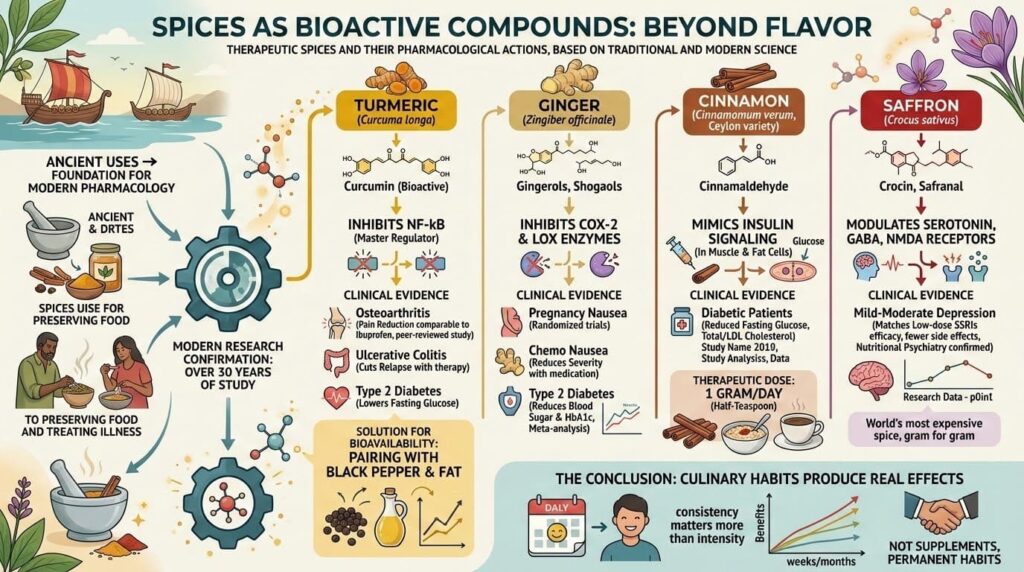
The global spice trade shaped empires and sea routes for centuries. That obsession was not purely about flavor. Spices preserved food, treated illness, and carried genuine medicinal value in cultures that had no alternative. Modern pharmacology has spent the last several decades confirming, compound by compound, that the traditional reverence for these ingredients was scientifically justified.
Turmeric is the most studied example. Its primary bioactive, curcumin, has been the subject of more than 3,000 peer-reviewed studies. It inhibits NF-kB, the master regulator of the inflammatory response, at multiple points in the signaling cascade. Clinical trials have shown it reduces joint pain in osteoarthritis comparably to ibuprofen, cuts relapse rates in ulcerative colitis when added to standard therapy, and lowers fasting blood glucose in type 2 diabetes patients. The catch is bioavailability. Curcumin is rapidly metabolized when consumed alone. Pairing it with black pepper and a source of dietary fat, as traditional Indian cooking has always done, solves that problem elegantly.
Ginger and cinnamon: inflammation, nausea, and blood sugar
Ginger contains gingerols and shogaols that inhibit COX-2 and LOX inflammatory enzymes. Multiple randomized controlled trials have confirmed it outperforms placebo for pregnancy-related nausea and reduces acute nausea severity in chemotherapy patients on top of standard antiemetic medication. A 2015 meta-analysis found ginger supplementation significantly reduced fasting blood sugar and HbA1c in type 2 diabetes patients across nine separate trials.
Cinnamon, specifically Ceylon cinnamon rather than the more common cassia variety, contains cinnamaldehyde, a compound that mimics insulin signaling in muscle and fat cells. A landmark study in Diabetes Care found that as little as one gram per day reduced fasting glucose, total cholesterol, and LDL in diabetic patients over 40 days. Half a teaspoon in morning oatmeal or coffee delivers a therapeutically relevant dose.
Saffron and the nutritional psychiatry case
Saffron, gram for gram the world’s most expensive spice, contains crocin and safranal, compounds that modulate serotonin, GABA, and NMDA receptors. In several randomized controlled trials, 30 milligrams of saffron extract daily matched the efficacy of low-dose SSRIs for mild to moderate depression, with fewer side effects. That result has been replicated enough times now that nutritional psychiatry researchers take it seriously.
The evidence for healing spices health benefits points to the same conclusion that applies to polyphenols and functional mushrooms: consistency matters more than intensity. Generous, regular use across weeks and months is what produces measurable biological effects. These are not supplements to take occasionally. They are culinary habits to build permanently.
Putting the bioactive layer together
What connects polyphenols, functional mushroom compounds, and therapeutic spices is not just their individual mechanisms. It is the fact that they all work through the same core biological pathways: reducing chronic inflammation, supporting gut health, protecting against oxidative stress, and modulating the gene expression patterns that underlie chronic disease risk.
The practical implication is that you do not need to optimize for each one separately. A diet built around diverse colorful vegetables, regular fatty fish, extra-virgin olive oil, legumes, whole grains, functional mushrooms, and generous use of therapeutic spices delivers all of these bioactive classes simultaneously. That is not a coincidence. It is exactly the dietary pattern that traditional food cultures built over centuries of empirical observation, before anyone knew what a polyphenol was.
Science is not overturning traditional food wisdom in 2026. It is finally catching up to it.
The question worth sitting with
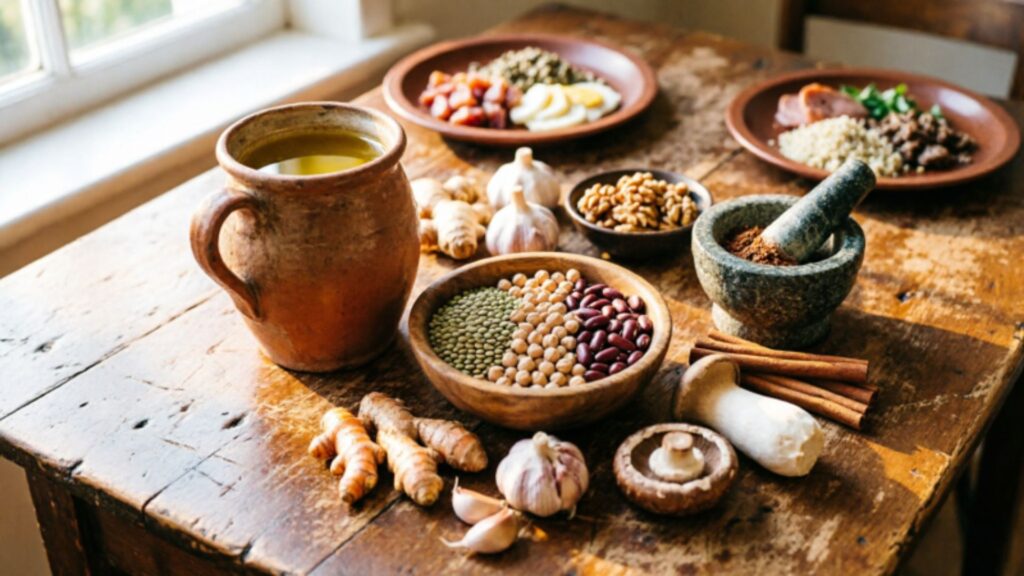
Here is something worth considering. The populations with the lowest rates of chronic disease in the world do not follow named diets. They do not count macros or track inflammatory biomarkers. Olive oil is the default cooking fat because that is what their grandparents used. Legumes appear most days because that is simply what a meal looks like. Turmeric, ginger, and garlic are not supplements in these kitchens but flavor. Mushrooms make it to the table because they grow locally and taste good.
The science of food as medicine has spent decades studying these populations, running clinical trials, isolating compounds, and mapping biological mechanisms. And after all of that work, the conclusion keeps pointing back to the same place: whole foods, dietary diversity, and consistent patterns matter far more than any individual ingredient or short-term intervention.
What the research actually asks of you
The three pillars covered here, anti-inflammatory eating, the Mediterranean dietary pattern, and the bioactive compounds in polyphenol-rich foods, functional mushrooms, and therapeutic spices, are not separate strategies requiring separate effort. They are different lenses on the same underlying dietary logic.
Eat more plants, in more variety, more consistently. Use olive oil. Eat fatty fish. Cook with spices you would have found in any traditional kitchen a hundred years ago. Add a functional mushroom to your coffee or your soup a few times a week. Let legumes show up at dinner more often than meat. That is not a radical intervention. It is a return to something most of human history understood intuitively.
None of this requires perfection. The research does not support perfection as a goal. What it supports is direction. A consistent orientation toward whole, diverse, minimally processed foods over months and years produces measurable biological changes. Reduced inflammation. Better gut microbiome diversity. Lower cardiovascular risk. Slower cognitive aging. Improved blood sugar regulation. The magnitude of those changes, documented across hundreds of clinical trials, is genuinely remarkable for something as ordinary as choosing what to eat.
The honest limits
Food is not a substitute for medical care. Some conditions require medication. Some people have genetic profiles that respond differently to dietary changes. The research in nutritional medicine is strong, and it is growing stronger, but it is not complete. New findings will continue to refine what is known in 2026, just as they have every decade before.
What the evidence does support, clearly and consistently, is that diet is one of the most powerful levers available for reducing chronic disease risk and improving quality of life. Not a secondary consideration. Not an alternative approach. A primary one, with a clinical evidence base that rivals pharmaceutical prevention strategies for most lifestyle-related conditions.
A realistic starting point
If there is one thing nutritional research agrees on, it is that small, sustained changes outperform dramatic short-term interventions every time. A single week of clean eating produces minimal lasting benefit. Three years of consistently moving toward more vegetables, more fiber, more omega-3s, and fewer ultra-processed foods produces biological changes that show up in blood tests, in cognitive assessments, and in how people feel day to day.
The best starting point is not the one that looks most impressive. It is the one you will actually maintain. For most people that means adding one serving of legumes to dinner a few nights a week. Switching to extra-virgin olive oil. Putting a handful of walnuts on the kitchen counter as the default snack. Adding a pinch of turmeric and black pepper to whatever savory dish is already on the stove.
Those are not dramatic changes. But they are directionally correct changes. And direction, sustained over time, is what the evidence consistently rewards.
For readers managing a specific condition like elevated inflammation markers or early metabolic concerns, this comprehensive breakdown of gut health foods explains how the microbiome connects to systemic disease in ways that make dietary change feel even more urgent and more actionable.
The medicine has been sitting in the kitchen the whole time. The question now is simply how intentionally you choose to use it.