





For thousands of years, cultures across Asia, Europe, and the Americas used mushrooms not just as food but as medicine. Traditional Chinese medicine practitioners prescribed Reishi for vitality and longevity. Siberian herbalists used Chaga as an immunity tonic. Indigenous North American healers recognized Turkey Tail for its wound-healing properties. These traditions accumulated empirical knowledge across generations without the tools to explain why these fungi worked. Today, pharmacological research is providing precise molecular-level explanations for what traditional healers observed. Functional mushrooms represent one of the most compelling chapters in the expanding body of science behind using food as medicine to prevent and manage disease, a field this complete nutritional guide explores from multiple therapeutic angles.
What makes a mushroom “functional”
Fungi occupy a biological kingdom entirely separate from plants and animals. They evolved unique metabolic strategies and produced chemical compounds not found in any other kingdom. Functional mushrooms, a term distinguishing medicinal varieties from common culinary species like white button and portobello mushrooms, contain concentrations of bioactive compounds high enough to produce measurable physiological effects at typical consumption levels.
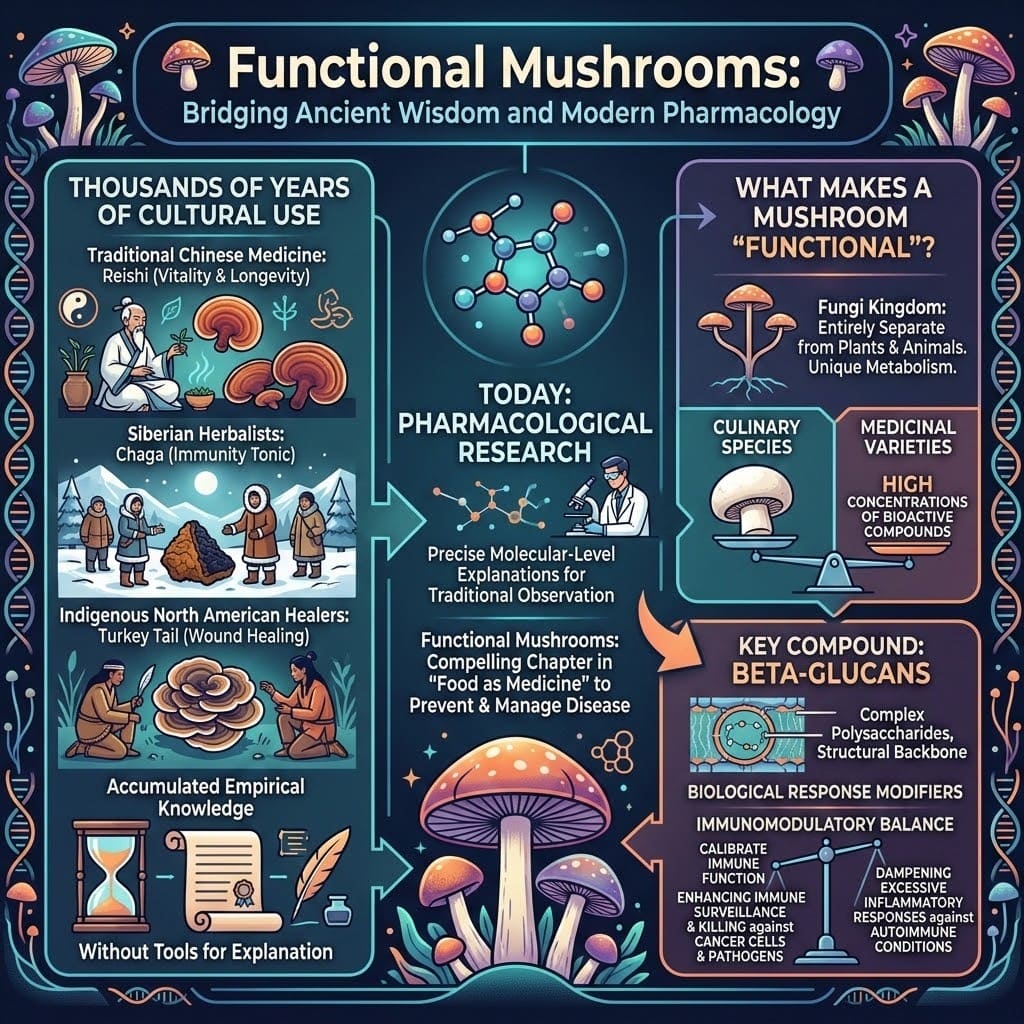
The most significant of these are beta-glucans, complex polysaccharides that form the structural backbone of fungal cell walls. Beta-glucans are classified as biological response modifiers. Unlike simple immune stimulants, they calibrate immune function, enhancing immune surveillance and killing capacity against cancer cells and pathogens while simultaneously dampening excessive inflammatory responses that underlie autoimmune conditions.
This immunomodulatory balance, enhancing where needed and suppressing where excessive, distinguishes functional mushroom beta-glucans from simpler immune supplements and makes them particularly clinically interesting.
Lion’s Mane: the brain mushroom
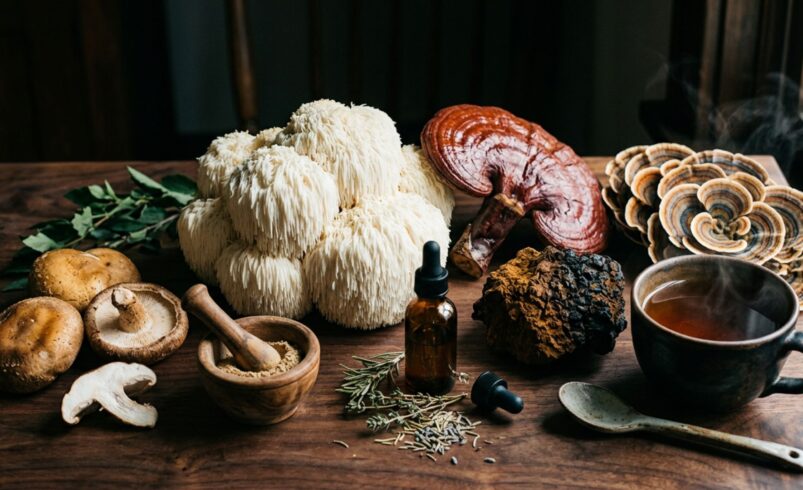
Hericium erinaceus, commonly called Lion’s Mane for its cascading white spines resembling a lion’s mane, is the only food-derived compound known to stimulate the synthesis of nerve growth factor (NGF) and brain-derived neurotrophic factor (BDNF) in the human nervous system.
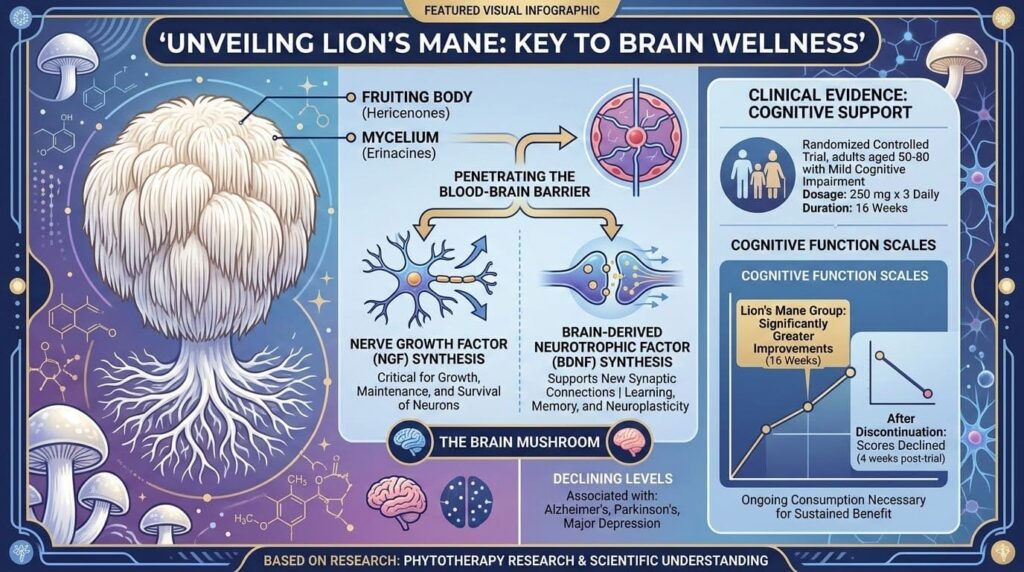
NGF is a protein critical for the growth, maintenance, and survival of neurons, particularly in the peripheral and central nervous systems. BDNF supports the formation of new synaptic connections and is considered one of the most important molecules in learning, memory, and neuroplasticity. Declining levels of both NGF and BDNF are associated with Alzheimer’s disease, Parkinson’s disease, and major depression.
The compounds responsible are hericenones, found in the fruiting body, and erinacines, found in the mycelium. Both penetrate the blood-brain barrier, which is pharmacologically significant because most therapeutic candidates fail at this hurdle.
A randomized controlled trial published in Phytotherapy Research followed 30 adults aged 50 to 80 with mild cognitive impairment who received either 250 milligrams of Lion’s Mane three times daily or placebo for 16 weeks. The Lion’s Mane group showed significantly greater improvements on cognitive function scales. Importantly, four weeks after discontinuing supplementation, scores began declining, suggesting ongoing consumption is necessary for sustained benefit.
How to Use Lion’s Mane
Lion’s Mane is one of the few functional mushrooms with a genuinely appealing culinary texture. Its flesh is dense, meaty, and mildly sweet, with a texture that shreds similarly to crab or pulled pork when cooked. Slice it thick, press it dry with a paper towel, and sear it in a cast iron skillet with olive oil and garlic until deeply golden on each side. It absorbs flavors readily and works well in pasta, grain bowls, and as a plant-based protein centerpiece.
Lion’s Mane powder can also be added to coffee, soups, or smoothies for consistent daily intake without cooking.
Reishi: the mushroom of immortality
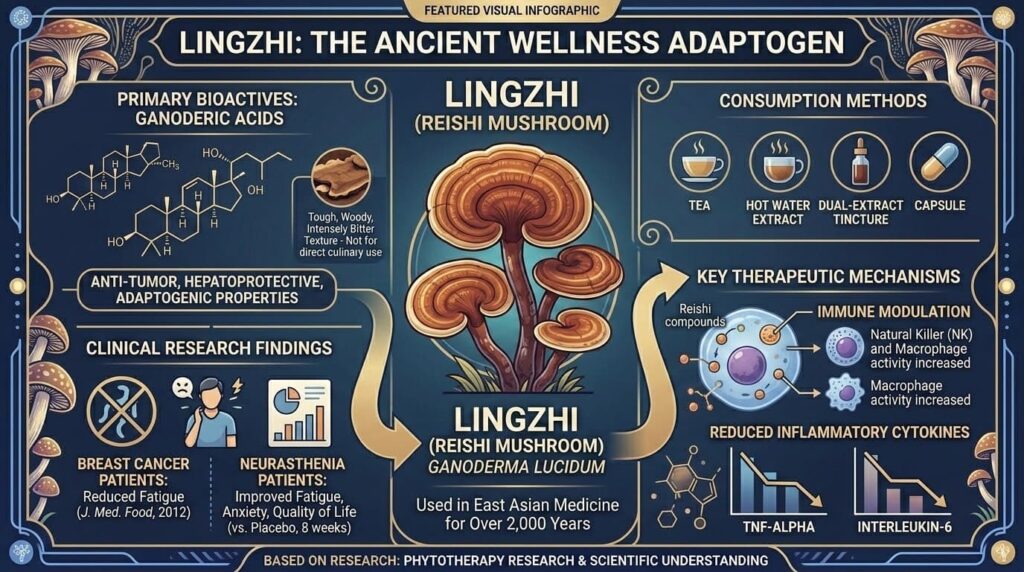
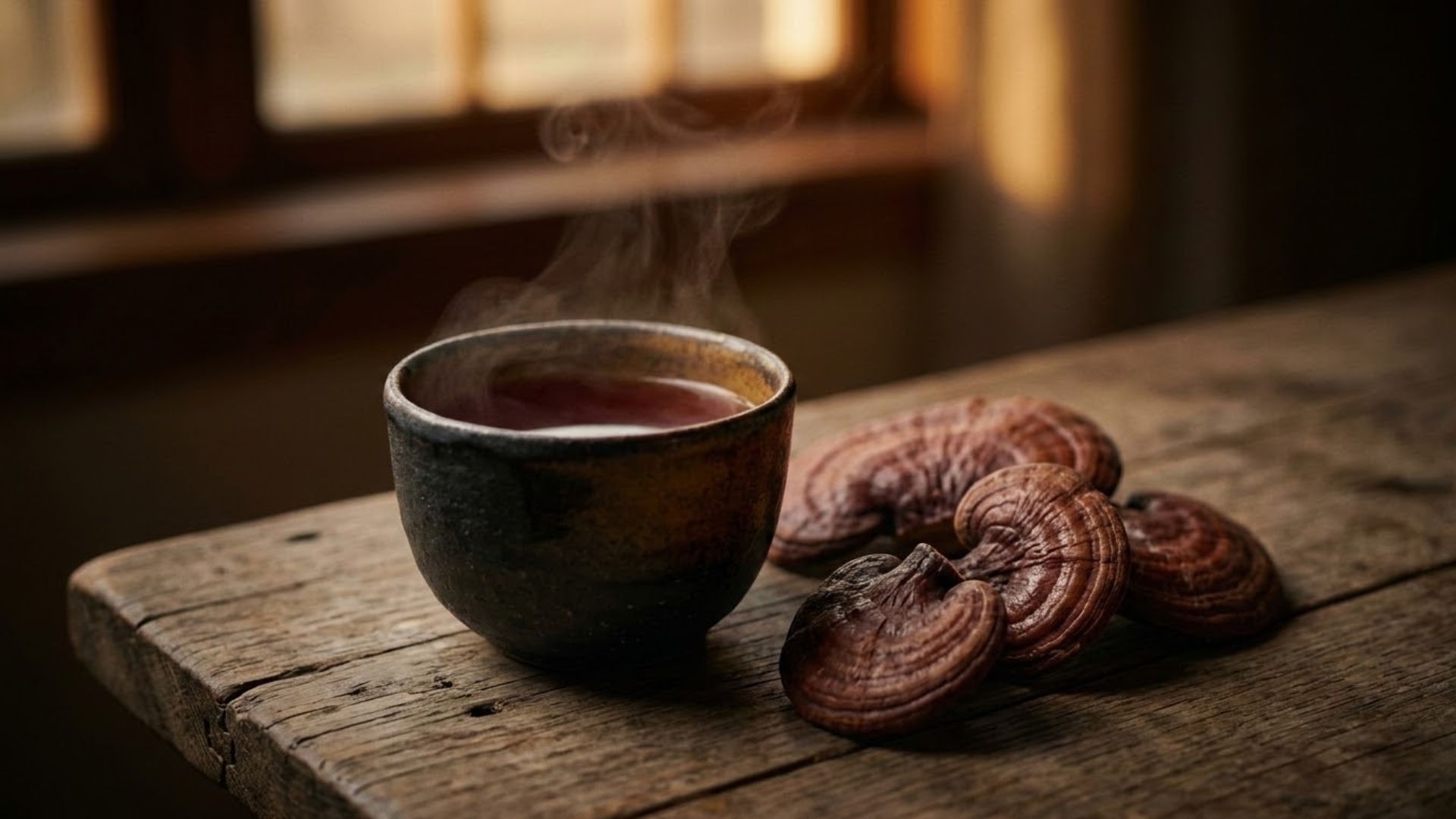
Ganoderma lucidum is known in Chinese medicine as Lingzhi, or the Mushroom of Immortality. It has been used continuously in East Asian medicine for more than 2,000 years. Modern research has identified its primary bioactives as ganoderic acids. These are lanostane-type triterpenoids with documented anti-tumor, hepatoprotective, and adaptogenic properties.
Clinical research on Reishi focuses primarily on immune function and cancer-related fatigue. A 2012 study in the Journal of Medicinal Food found that Reishi supplementation significantly reduced fatigue scores in breast cancer patients receiving endocrine therapy. A separate randomized trial in patients with neurasthenia, a condition characterized by physical and mental fatigue, showed Reishi produced significant improvements in fatigue, anxiety, and quality of life measures over eight weeks versus placebo.
Reishi also modulates the same immune pathways targeted by beta-glucans, increasing natural killer cell activity and macrophage function. It has demonstrated meaningful reductions in inflammatory cytokines including TNF-alpha and interleukin-6 in multiple clinical and preclinical models.
Reishi has a tough, woody, intensely bitter texture that makes it unsuitable for direct culinary use. It is typically consumed as a tea, hot water extract, dual-extract tincture, or capsule.
Chaga: the antioxidant powerhouse
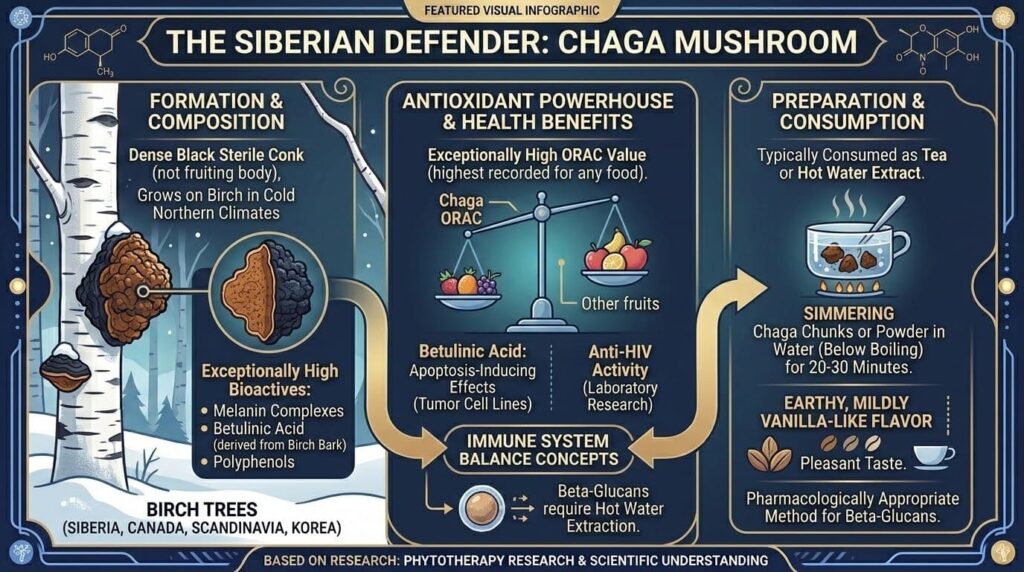
Inonotus obliquus, known as Chaga, grows primarily on birch trees in cold northern climates including Siberia, Scandinavia, Canada, and Korea. Its dense black exterior is not the mushroom fruiting body but rather a sterile conk formed by the fungus in response to infection. It contains exceptionally high concentrations of antioxidant compounds including melanin complexes, betulinic acid derived from the birch bark, and polyphenols.
Chaga’s ORAC antioxidant value, a measurement of antioxidant capacity, is among the highest ever recorded for any food. Betulinic acid has demonstrated apoptosis-inducing effects in tumor cell lines and anti-HIV activity in laboratory research.
Chaga is typically consumed as a tea or hot water extract. Simmer broken Chaga chunks or powder in water below boiling for 20 to 30 minutes. The resulting tea has an earthy, mildly vanilla-like flavor that many people find pleasant. The beta-glucans in Chaga require hot water extraction, making traditional tea preparation a pharmacologically appropriate method.
Turkey Tail: the most clinically validated medicinal mushroom
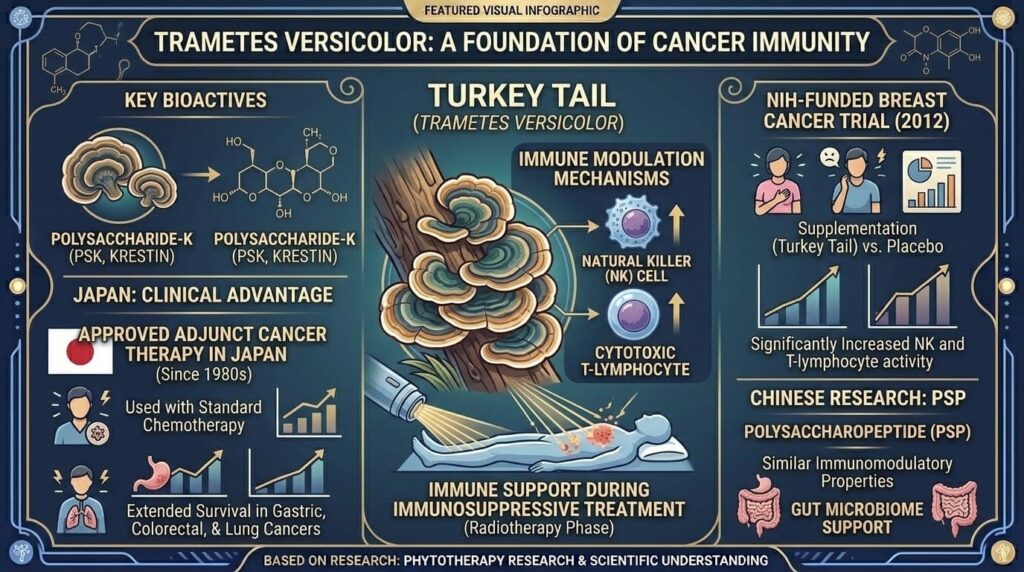
Trametes versicolor, or Turkey Tail, has arguably the most clinically robust evidence base of any functional mushroom, specifically in the context of cancer treatment support.
Its primary bioactive, polysaccharide-K (PSK, also called Krestin), has been approved as an adjunct cancer therapy in Japan since the 1980s and is one of the best-selling cancer drugs in Japan by prescription volume. PSK is used in combination with standard chemotherapy for gastric, colorectal, and lung cancers to improve immune function, reduce side effects, and in several studies, extend survival.
A 2012 clinical trial funded by the National Institutes of Health tested Turkey Tail supplementation in breast cancer patients undergoing radiotherapy. Results showed significantly increased natural killer cell and cytotoxic T-lymphocyte activity compared to placebo. This immune support is particularly meaningful during radiotherapy, a treatment phase known to suppress immune function.
A second compound, polysaccharopeptide (PSP), isolated primarily in Chinese research, shows similar immunomodulatory properties with additional evidence for gut microbiome support.
Shiitake: the accessible everyday functional mushroom
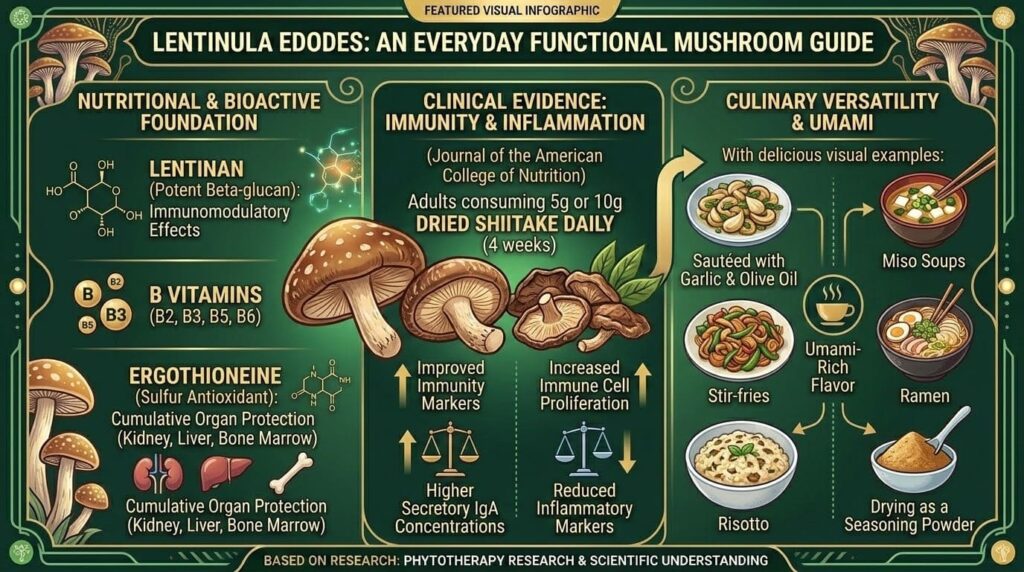
Lentinula edodes, or Shiitake, is the most commercially available functional mushroom and the easiest to incorporate into everyday cooking. Shiitake delivers lentinan, a potent beta-glucan with documented immunomodulatory effects, along with B vitamins including B2, B3, B5, and B6. It also contains ergothioneine, a sulfur-containing antioxidant amino acid that accumulates in human tissues. Research suggests it serves a protective function against oxidative stress in the kidneys, liver, and bone marrow.
A study published in the Journal of the American College of Nutrition found significant results from daily Shiitake consumption. Adults eating five to ten grams of dried Shiitake daily for four weeks showed improved immunity markers, including higher immune cell proliferation, increased secretory IgA, and reduced inflammatory markers.
Shiitake’s umami-rich flavor makes it one of the most culinarily versatile functional mushrooms. Sauté it with garlic and olive oil, add it to miso soups, stir-fries, ramen, risotto, or dry it and use it as a seasoning powder.
Building a functional mushroom routine
Functional mushroom research consistently links benefits to daily or near-daily consumption over weeks to months. A single dose or occasional use does not appear to produce sustained effects.
The most practical approach is layered. Use Shiitake as a regular culinary mushroom two to three times per week. Add Lion’s Mane or Reishi powder to your morning coffee, which masks the bitterness of Reishi especially well. Sip Chaga tea in the evening. Use Maitake, another highly regarded functional species with documented glucose-regulating properties, roasted as a side vegetable.
For supplemental use, look for products that specify hot water extraction or dual extraction (hot water plus alcohol) for full spectrum bioavailability. Raw mushroom powders without extraction may deliver negligible beta-glucan content because the compounds remain locked inside indigestible chitin walls.
Given the range of functional mushrooms and their distinct therapeutic profiles, which species would be most relevant to your current health priorities?