







Something was off and I could not pinpoint it. Three years ago I spent a month overseas eating mostly processed convenience food and sleeping in unfamiliar time zones. Within two weeks my mood had cratered. Not sadness exactly but a flat persistent fog that made everything feel harder than it should have been. My digestion was wrecked too. I assumed the two problems were separate. They were not.
What I experienced was a textbook disruption of the gut-brain connection. The trillions of bacteria in my intestines had shifted in response to dietary stress and circadian disruption and they had taken my neurochemistry down with them. I know this now because the science that explains it has matured dramatically. In 2026 the gut-brain axis is no longer a fringe hypothesis discussed at alternative health conferences. It is one of the most actively funded areas in neuroscience and nutritional psychiatry backed by peer-reviewed research in journals like Nature Reviews Neuroscience and The Lancet Psychiatry.
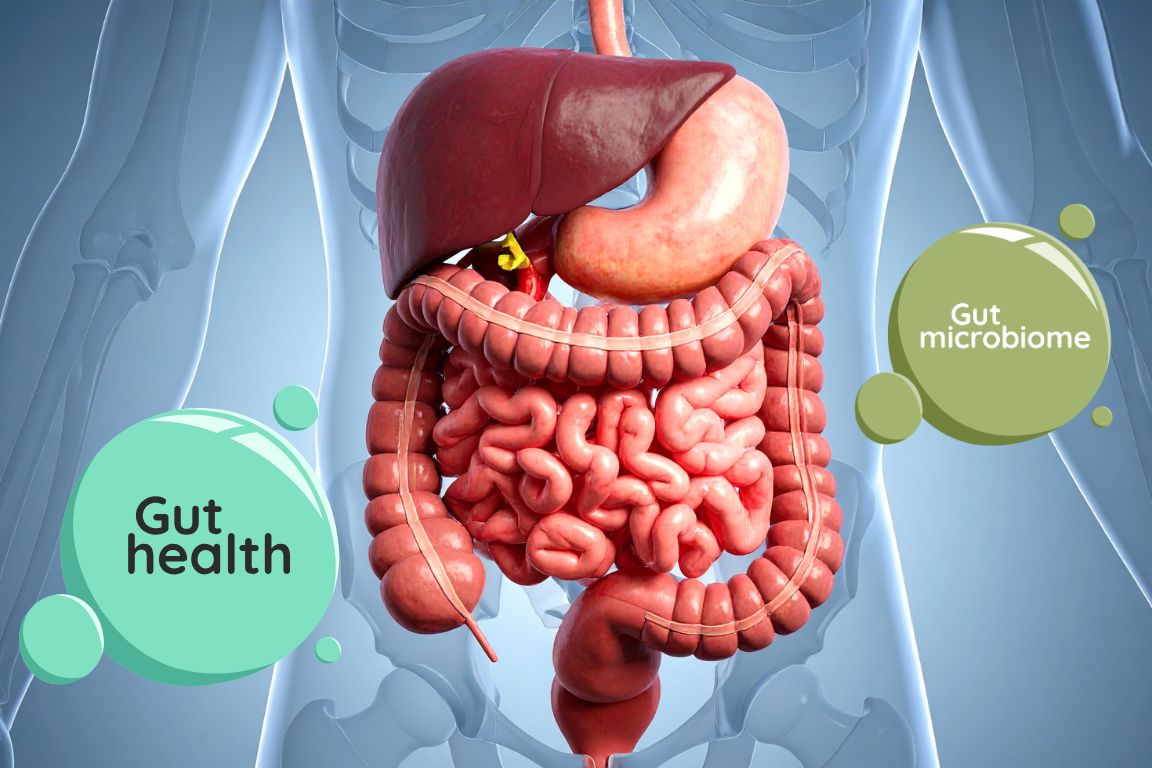
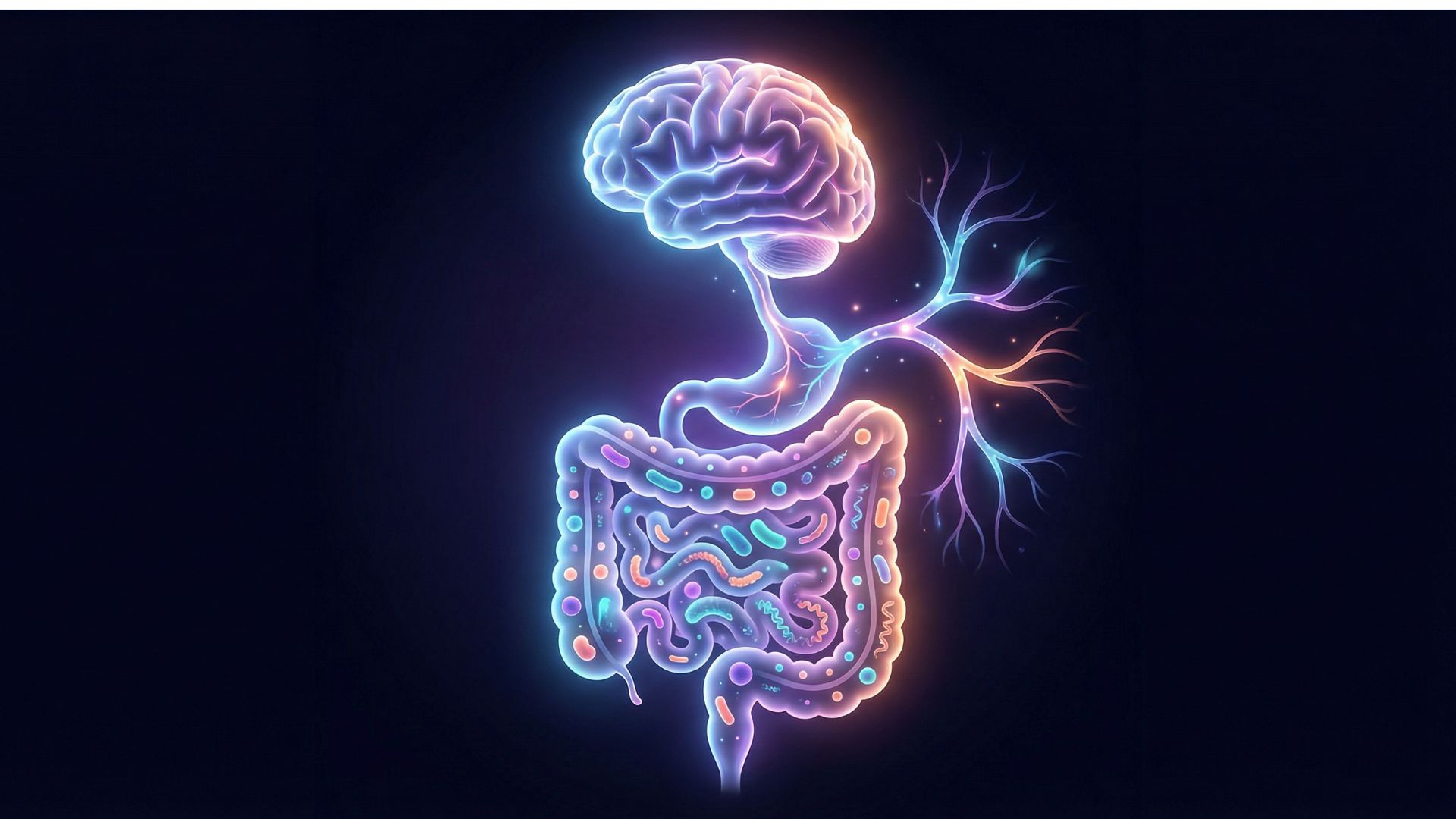
The gut-brain connection refers to the bidirectional communication network between your gastrointestinal tract and your central nervous system. That network operates through the vagus nerve, the immune system, the endocrine system, and the metabolic output of your gut microbiome. It influences how you feel emotionally, how clearly you think, and how deeply you sleep.
Why the gut-brain connection matters more than most people realize
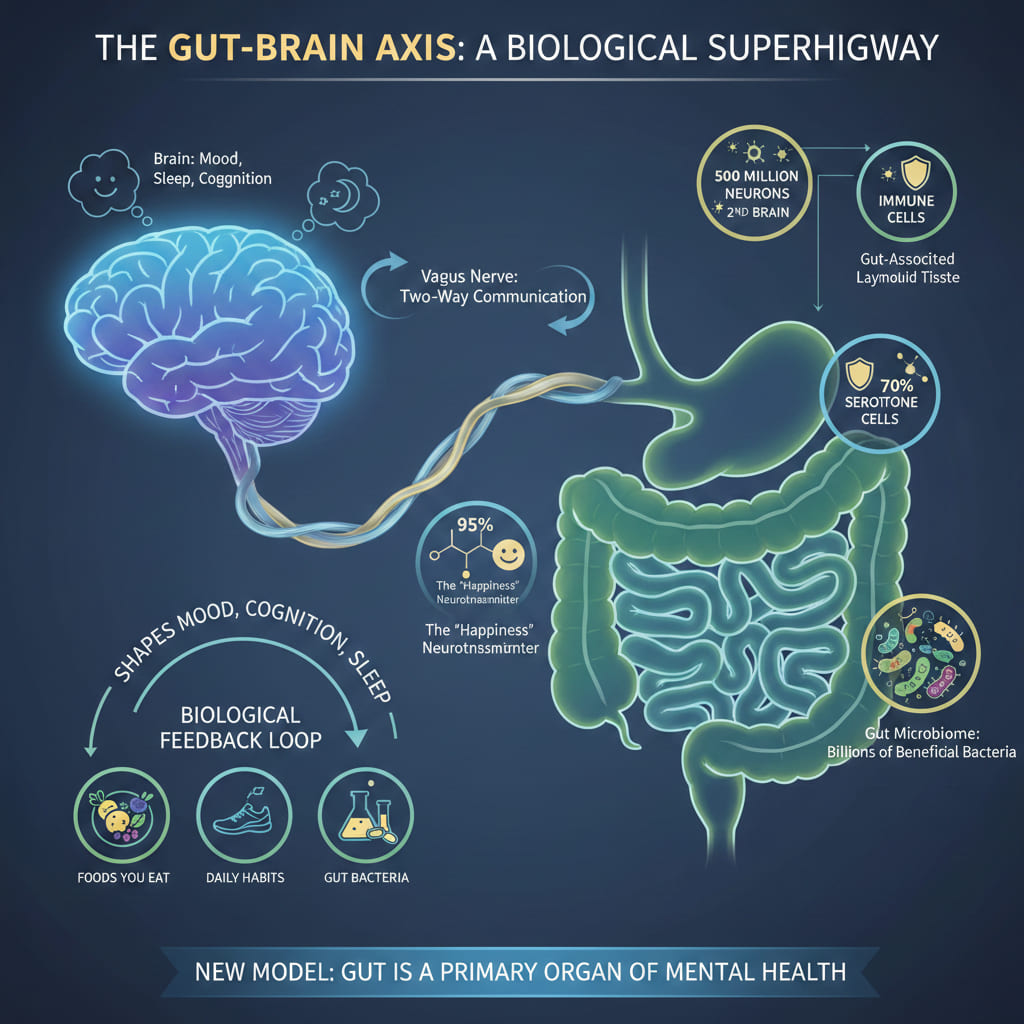
Roughly 500 million neurons line your digestive tract. That is more than your spinal cord contains. About 70 percent of your immune cells reside in gut-associated lymphoid tissue. And the gut produces approximately 95 percent of your body’s serotonin, the neurotransmitter most people associate with happiness and emotional stability.
These are not minor footnotes. They represent a fundamental shift in how we understand mental wellness. The old model placed the brain at the center of emotional regulation and treated the gut as plumbing. The new model recognizes that the gut is a primary organ of mental health, not a supporting player.
The practical implication is significant. It means the foods you eat, the bacteria you cultivate in your intestines, and the daily habits you build around digestion all feed into a biological feedback loop that shapes your mood, your cognitive performance, and your ability to sleep. That feedback loop is what the rest of this piece is about.
The neurotransmitter factory living inside your gut
If someone told you that the bacteria in your intestines manufacture the same chemicals found in antidepressant medications you would be right to raise an eyebrow. But the evidence is no longer debatable. Your gut microbiome is a neurotransmitter production facility and it operates around the clock.
Serotonin starts in your intestines not your brain
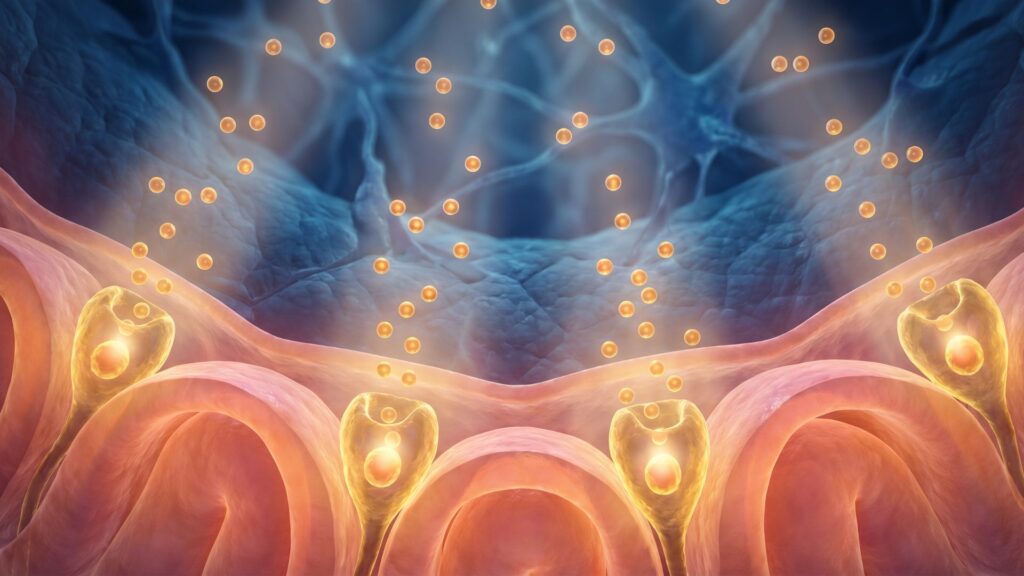
The most commonly prescribed antidepressants in the world, selective serotonin reuptake inhibitors, work by increasing serotonin availability in the brain. What those prescriptions do not address is that the overwhelming majority of serotonin is produced in the gut. Enterochromaffin cells lining the intestinal wall convert the amino acid tryptophan into serotonin and specific bacterial species including Escherichia, Enterococcus, and Streptococcus actively participate in that conversion process.
A landmark study published in Cell demonstrated that germ-free mice raised without any gut bacteria had dramatically lower serotonin levels than conventionally colonized animals. When researchers introduced spore-forming bacteria into those mice serotonin levels returned to normal. The microbiome was not just adjacent to serotonin production. It was a rate-limiting factor.
This does not mean that swallowing a probiotic capsule will cure depression. But it does mean that the bacterial environment in your gut directly affects how much raw material your body has available to produce its most important mood-regulating chemical. The strains that matter, the doses that work, and the clinical evidence behind specific psychobiotics are worth understanding in detail. The emerging field of probiotics for anxiety and depression is producing results that even skeptical psychiatrists are starting to take seriously.
GABA, dopamine, and the precursor pipeline
Serotonin is only part of the story. GABA, the brain’s primary calming neurotransmitter, is produced directly by several gut bacterial species including Lactobacillus brevis and Bifidobacterium dentium. Research from the APC Microbiome Institute in Ireland showed that Lactobacillus rhamnosus JB-1 altered GABA receptor expression across multiple brain regions in mice and reduced both cortisol output and anxiety-like behavior. When the vagus nerve was severed the effect disappeared, confirming that the gut was communicating with the brain through a specific physical channel.
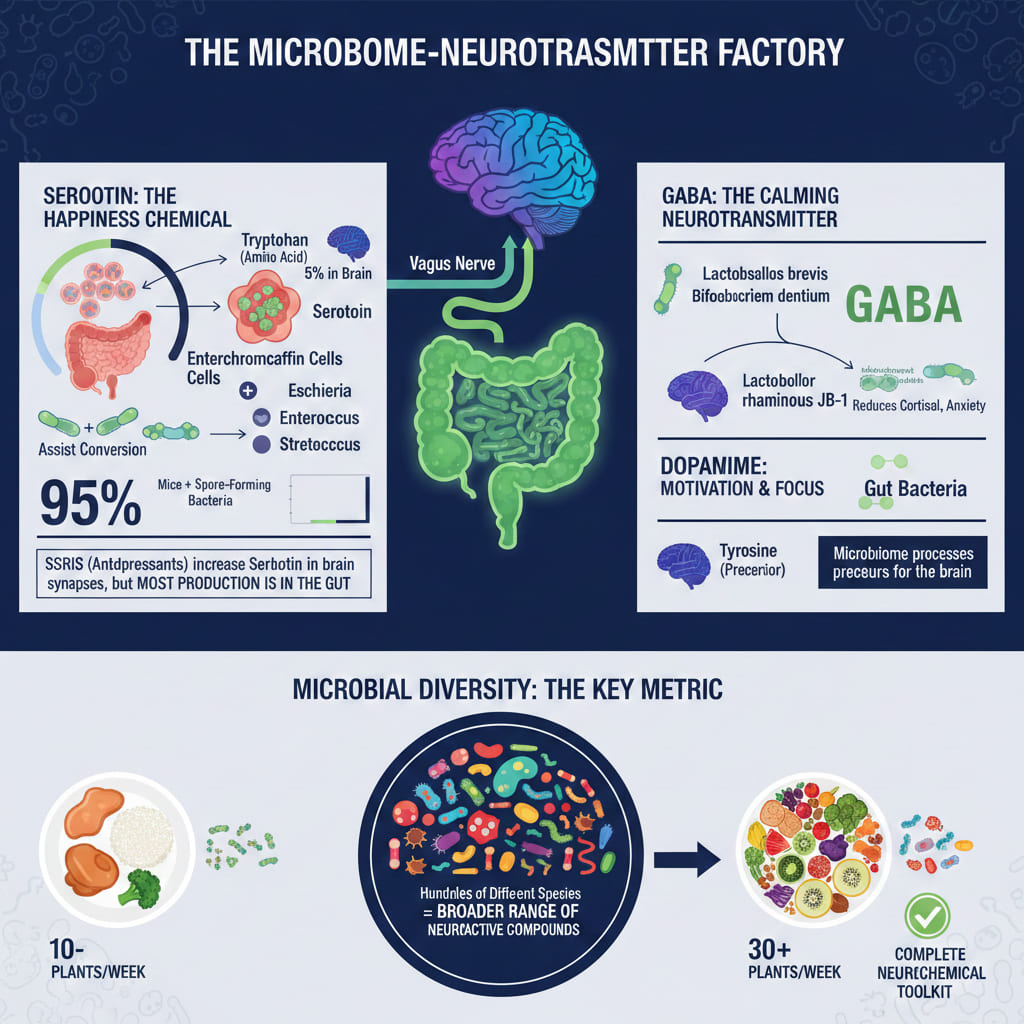
Dopamine follows a similar pattern. Your brain synthesizes its own dopamine but relies on precursor molecules, particularly the amino acid tyrosine, that gut bacteria metabolize before they ever reach the central nervous system. The composition of your microbiome determines how efficiently those precursors are processed and delivered.
The picture that emerges is not subtle. Neurotransmitter production is a whole-body operation with the gut microbiome sitting at its center. The bacteria living in your intestines are not passive residents. They are active participants in the chemistry that determines whether you feel motivated or flat, calm or anxious, focused or scattered.
Why microbial diversity is the metric that matters most
If there is one takeaway from the neurotransmitter research it is this: diversity beats dosage. A microbiome populated by hundreds of different bacterial species generates a broader range of neuroactive compounds than one dominated by a narrow set of organisms.
The American Gut Project, one of the largest citizen-science microbiome studies ever conducted, found that the single strongest predictor of microbial diversity was the number of different plant species a person consumed per week. Participants eating 30 or more distinct plants weekly had significantly more diverse microbiomes than those eating 10 or fewer. Herbs and spices counted. So did nuts, seeds, legumes, and grains.
That finding has reshaped how I counsel clients. I used to focus on individual nutrients. Now I focus on variety. A diverse plate feeds a diverse microbiome and a diverse microbiome builds a more complete neurochemical toolkit for the brain.
Feeding the gut-brain connection: prebiotics and fermented foods
Knowing that your microbiome produces neurotransmitters is useful. Knowing what to feed it so those neurotransmitters actually get made is where the gut-brain connection becomes actionable. Two categories of food stand out in the research: prebiotic fibers and fermented foods. They work through different mechanisms but toward the same goal, building and sustaining the microbial populations your brain depends on for clarity, calm, and emotional balance.

How prebiotic fiber becomes brain fuel
Prebiotics are not probiotics. That distinction trips people up constantly. Probiotics are live microorganisms. Prebiotics are the non-digestible fibers that feed those microorganisms. Think of prebiotics as fertilizer for the bacteria already living in your gut. Without adequate prebiotic intake even the best bacterial strains struggle to colonize and thrive.
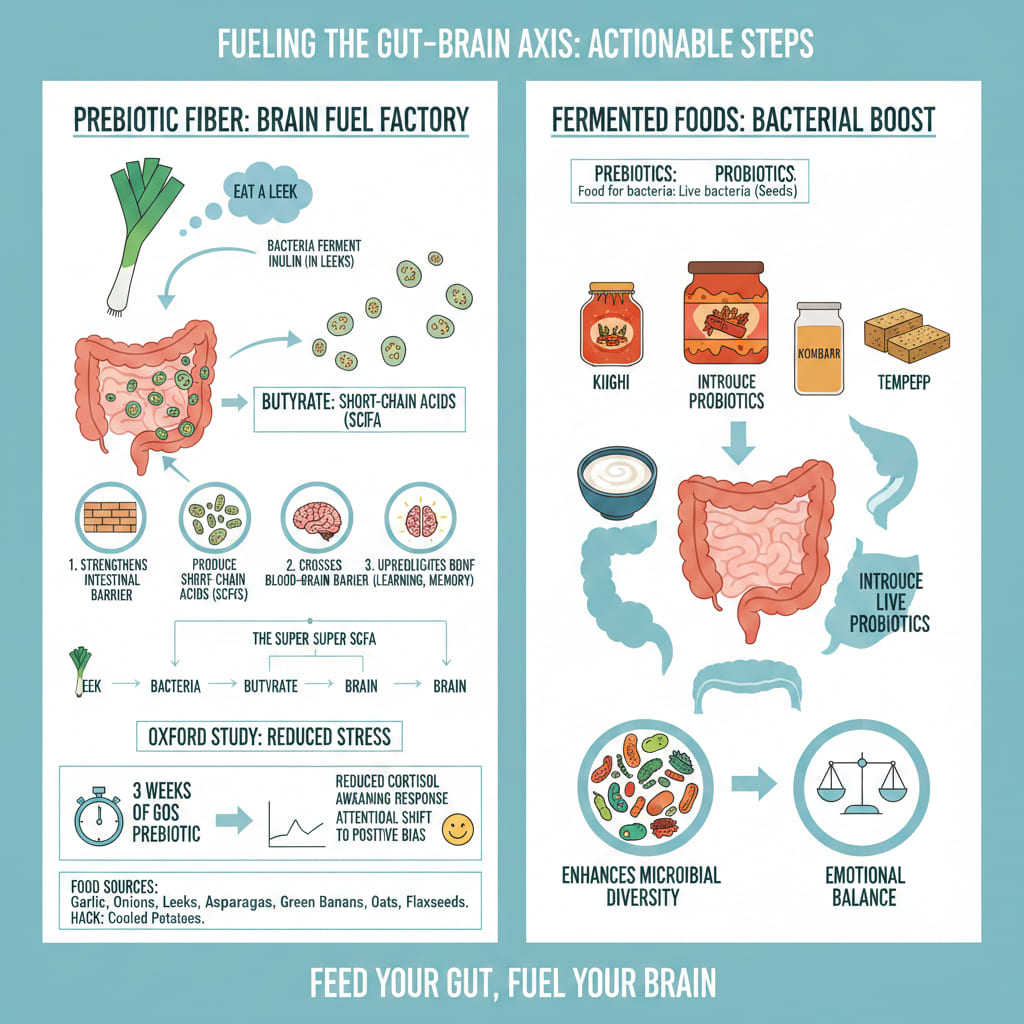
When beneficial gut bacteria ferment prebiotic fibers they produce short-chain fatty acids, primarily butyrate, propionate, and acetate. Butyrate has drawn particular attention from neuroscientists because its effects on the brain are remarkably direct. It strengthens the intestinal barrier, reducing the systemic inflammation that impairs cognitive function. It crosses the blood-brain barrier and acts as a histone deacetylase inhibitor, a mechanism linked to improved memory consolidation. And it upregulates brain-derived neurotrophic factor (BDNF), a protein critical for learning, long-term memory, and neural resilience.
The chain is elegant in its simplicity. You eat a leek. Bacteria ferment the inulin in that leek. They produce butyrate. Butyrate crosses into your brain. Your brain makes more BDNF. You think more clearly.
The Oxford study that proved prebiotics lower stress hormones
A 2015 study from Oxford University published in Psychopharmacology gave healthy volunteers a galacto-oligosaccharide (GOS) prebiotic for just three weeks. The prebiotic group showed a significantly reduced cortisol awakening response, the spike in stress hormone that occurs within the first hour after waking. They also demonstrated an attentional shift toward positive information over negative cues in a computerized task, a pattern that is the direct opposite of what researchers observe in anxiety and depression.
No drug. No therapy. Three weeks of a prebiotic fiber supplement and the brain’s stress physiology shifted in a measurable direction. That study, along with more recent trials examining how prebiotics support cognitive function in older adults, has positioned prebiotic fibers as one of the most accessible and lowest-risk interventions for brain health available today.
The best food sources include garlic, onions, leeks, asparagus, slightly green bananas, Jerusalem artichokes, oats, and flaxseeds. One often overlooked detail: resistant starch increases when starchy foods are cooked and then cooled. A boiled potato eaten hot contains far less prebiotic resistant starch than the same potato eaten cold the next day in a salad. It is one of the simplest dietary hacks for boosting prebiotic intake without changing what you buy.
Fermented foods and the inflammation connection
If prebiotics are the fuel then fermented foods are the workforce. Unlike probiotic supplements which deliver isolated strains in a capsule, fermented foods provide a living complex matrix of bacteria, yeasts, organic acids, and bioactive peptides. That complexity turns out to matter.
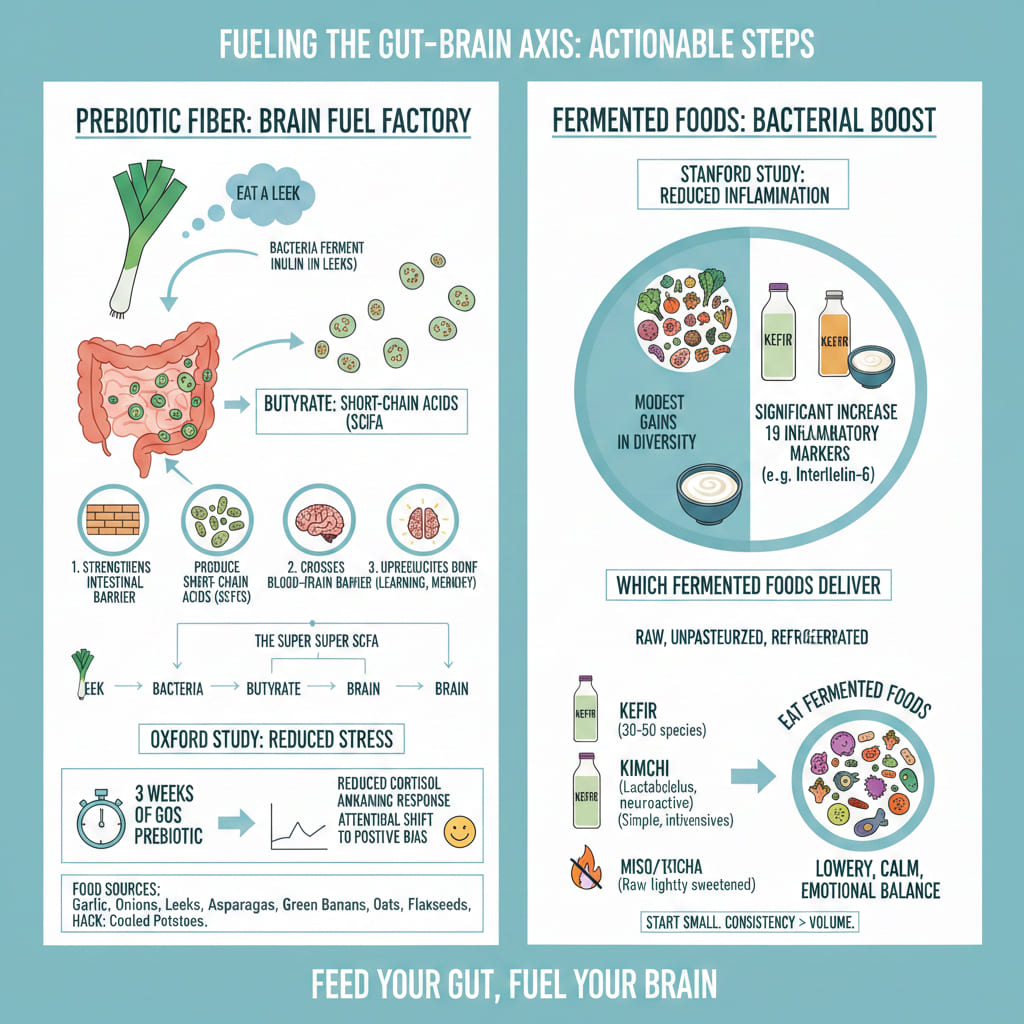
In 2021 Stanford University published a study in Cell that compared a high-fermented-food diet to a high-fiber diet in 36 healthy adults over 10 weeks. The fermented food group consumed roughly six servings daily of yogurt, kefir, kimchi, sauerkraut, and kombucha. The results reshaped the conversation. The fermented food group showed a significant increase in microbiome diversity and a measurable decrease in 19 inflammatory markers including interleukin-6, a cytokine directly implicated in neuroinflammation and cognitive impairment.
The high-fiber group did not show the same gains in diversity. Fiber is essential and prebiotics support the gut-brain connection through their own pathways. But for rapidly expanding microbial diversity and lowering the inflammation that clouds thinking, fermented foods demonstrated a distinct and powerful edge.
Which fermented foods deliver the most benefit
Not all fermented products are equal. Pasteurized sauerkraut sitting on a shelf at room temperature contains no live cultures. For brain health benefits you want raw, unpasteurized, refrigerated fermented foods. Look for labels that say “live cultures” or “raw.”
Kefir is the most microbiologically diverse option, containing 30 to 50 distinct species per batch. Traditional kimchi provides Lactobacillus strains with documented neuroactive properties. Naturally fermented sauerkraut is simple and inexpensive. Miso and tempeh add fermented soy isoflavones with neuroprotective potential. Kombucha is popular but variable in quality so choose raw, lightly sweetened brands.
Start small. A quarter cup of sauerkraut or a few ounces of kefir daily is enough to begin. Introducing too much fermented food too quickly causes bloating as the microbiome adjusts. Consistency over weeks and months matters far more than volume on any single day.
The gut-brain connection does not clock out when you sleep
Most conversations about gut health focus on what happens during waking hours. But the gut-brain connection operates on a 24-hour cycle and some of its most critical work happens after you close your eyes. Sleep and the microbiome are locked in a bidirectional relationship that most people never think about until both start failing at the same time.
I have had clients walk into my office with insomnia and digestive complaints convinced the two were unrelated. In nearly every case they were connected. The science published between 2022 and 2026 has made the mechanism clear enough that ignoring it feels irresponsible.
Your gut makes 400 times more melatonin than your brain
Melatonin is the hormone that tells your body it is time to sleep. Most people assume it comes from the pineal gland in the brain and that is technically true. But the pineal gland is not the body’s primary melatonin source. The gut is. Enterochromaffin cells in the intestinal lining produce roughly 400 times more melatonin than the pineal gland.
Gut melatonin is synthesized from serotonin which is itself synthesized from tryptophan. The same bacterial species that drive neurotransmitter production during the day are also supplying the precursor molecules for the hormone that puts you to sleep at night. A disrupted microbiome does not just affect your mood. It throttles the entire tryptophan-to-serotonin-to-melatonin pipeline that your circadian rhythm depends on.
Microbiome diversity predicts how deeply you sleep
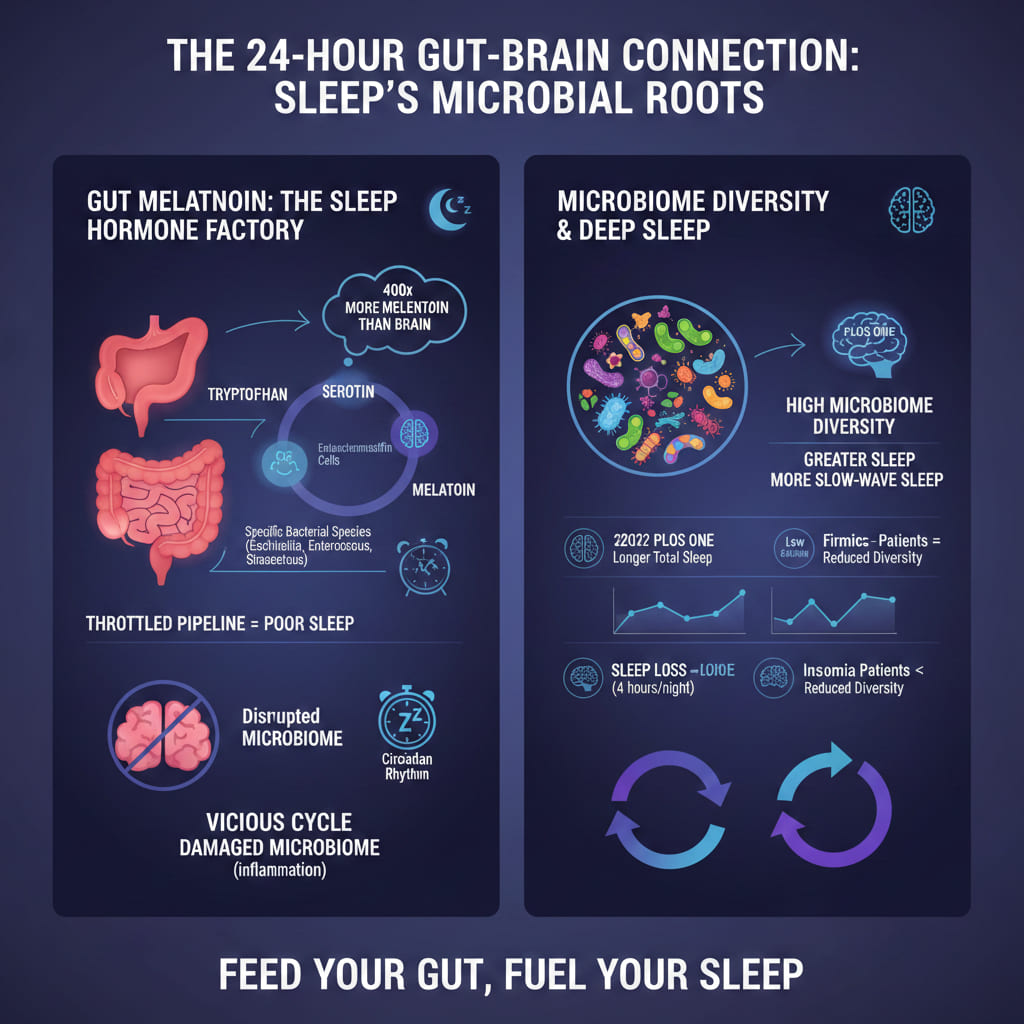
A 2019 study published in PLoS ONE correlated gut microbiome composition with polysomnography data, the gold standard for objectively measuring sleep. The results were striking. Participants with higher microbiome diversity had significantly greater sleep efficiency, meaning they spent a larger percentage of time in bed actually asleep. They also logged more slow-wave sleep, the deep restorative phase that consolidates memory, repairs tissue, and clears metabolic waste from the brain.
Specific bacterial groups drove the association. Higher Bacteroidetes abundance correlated with longer total sleep time. Certain Firmicutes species correlated with fewer nighttime awakenings. The pattern was consistent enough to generate a wave of follow-up research including a 2022 Microbiome study that found insomnia patients had significantly reduced microbial diversity compared to healthy sleepers.
And the relationship runs both ways. Research in Molecular Metabolism showed that just two nights of sleeping only four hours was enough to shift bacterial ratios toward profiles associated with metabolic dysfunction and elevated inflammation. Sleep loss damages the microbiome and a damaged microbiome degrades sleep further. It is a cycle that feeds itself.
An evening protocol that supports both your gut and your sleep
Breaking the gut-sleep cycle does not require medication. It requires strategic timing and the right foods in the hours before bed.
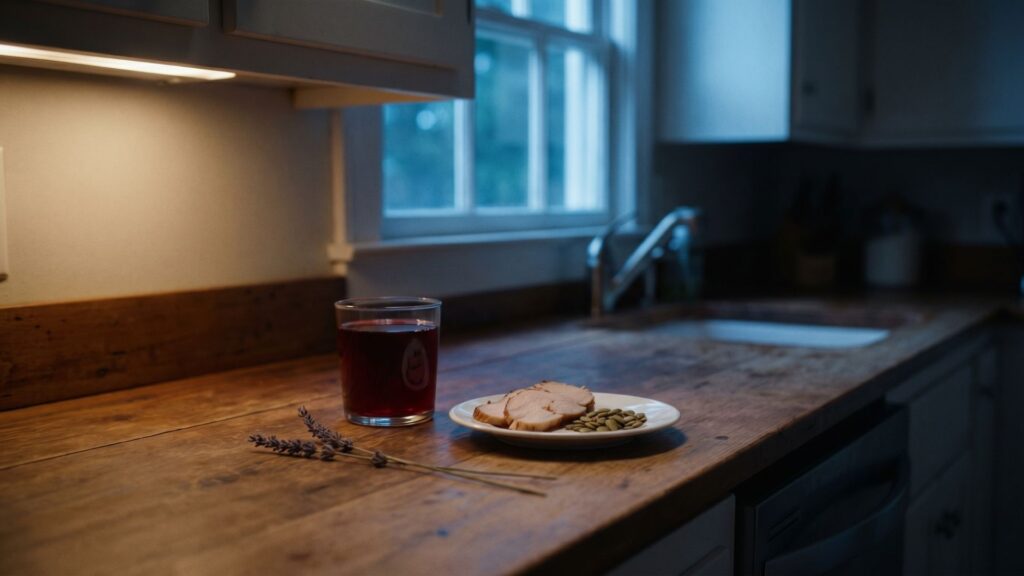
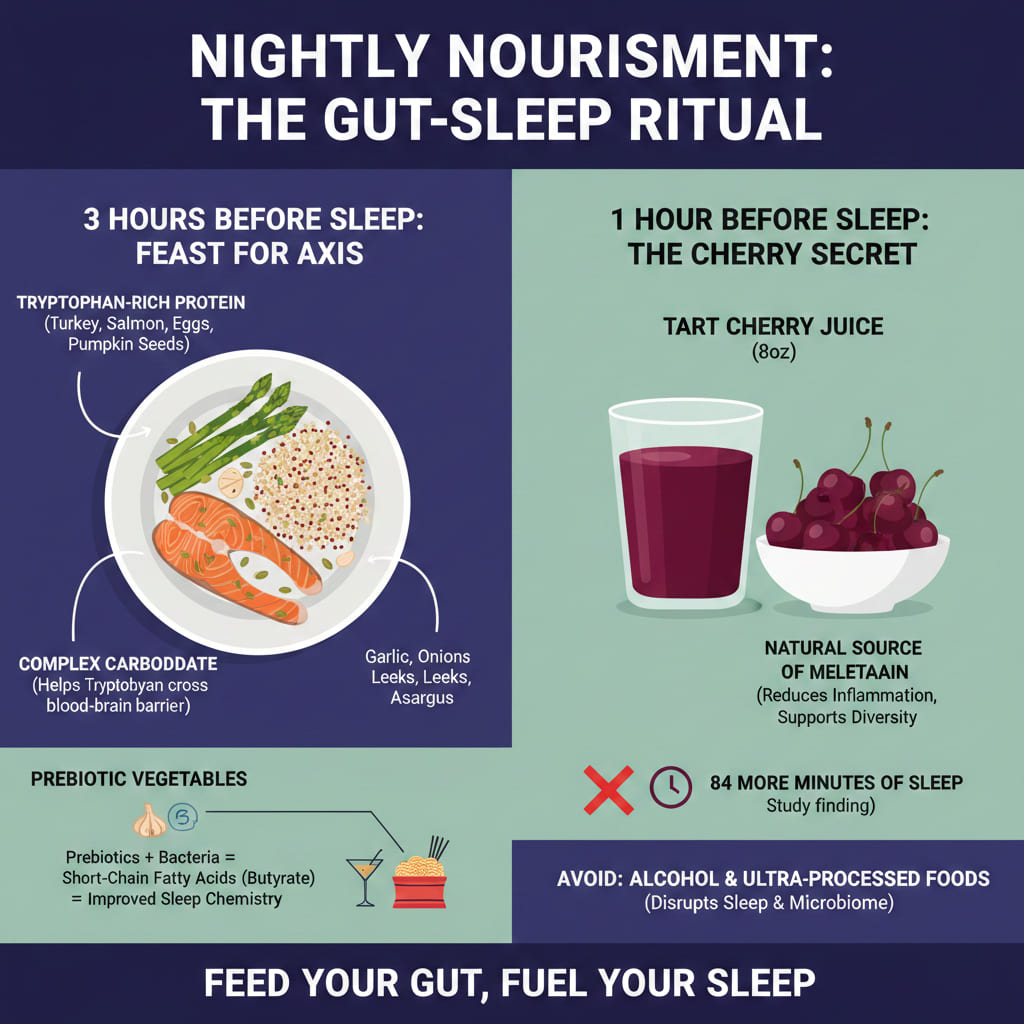
Three hours before sleep eat your final meal. Include a tryptophan-rich protein source like turkey, salmon, eggs, or pumpkin seeds paired with a complex carbohydrate. The carbohydrate triggers an insulin response that helps tryptophan cross the blood-brain barrier more efficiently. Add at least one prebiotic vegetable, garlic, onions, leeks, or asparagus, to fuel overnight bacterial fermentation and short-chain fatty acid production.
One hour before sleep consider eight ounces of tart cherry juice. A 2018 randomized controlled trial in the American Journal of Therapeutics found that participants drinking tart cherry juice twice daily for two weeks gained an average of 84 additional minutes of sleep compared to placebo. Tart cherries are one of the few natural food sources of melatonin and they contain polyphenols that reduce inflammation and support microbial diversity.
Avoid alcohol in the evening. Despite its sedative reputation alcohol fragments sleep architecture, suppresses REM sleep, and acutely disrupts gut microbiome composition with effects persisting for 24 to 48 hours. Ultra-processed foods consumed before bed promote the growth of pro-inflammatory species and suppress beneficial butyrate producers.
The full scope of how your microbiome controls sleep quality extends further than a single section can cover. But the core principle is simple: the same dietary choices that support your gut-brain connection during the day are also building the chemistry your body needs to rest at night. Feed the axis well and it works around the clock for you. Neglect it and it works against you just as reliably.
What your gut is actually asking for
Ten years ago the idea that bacteria in your intestines could influence your emotions would have been dismissed as fringe science. Five years ago it was an emerging hypothesis with promising animal data. In 2026 it is a well-documented biological framework supported by human clinical trials, neuroimaging data, and mechanistic evidence that traces a clear line from microbial metabolites to brain function.
The gut-brain connection is not a single hack or a supplement you add to your morning routine and forget about. It is an integrated system that responds to the cumulative weight of your daily choices. The diversity of plants on your plate, the fermented foods you eat consistently over months, the prebiotic fibers you include at dinner, the sleep you protect by avoiding alcohol and processed food in the evening. None of these interventions is dramatic on its own. Together they reshape the microbial ecosystem that your brain relies on for serotonin, GABA, melatonin, and dozens of other compounds that determine whether you feel sharp or foggy, calm or anxious, rested or wrecked.
What strikes me most after years of following this research is how democratic it is. You do not need an expensive functional medicine practitioner or a boutique supplement subscription. You need garlic, onions, kefir, sauerkraut, a variety of plants, and the patience to sustain the habit long enough for your microbiome to respond. The barrier is not cost or access. It is awareness.
If you are looking for a single place to start, the evidence points toward choosing the right probiotic strains for mood support as the most immediately actionable step alongside increasing your intake of prebiotic-rich vegetables and one serving of fermented food per day.
Your gut and your brain have been talking to each other since the day you were born. The question that keeps surfacing in every new study and every client conversation I have is the same one worth asking yourself right now: what have you been saying back?