





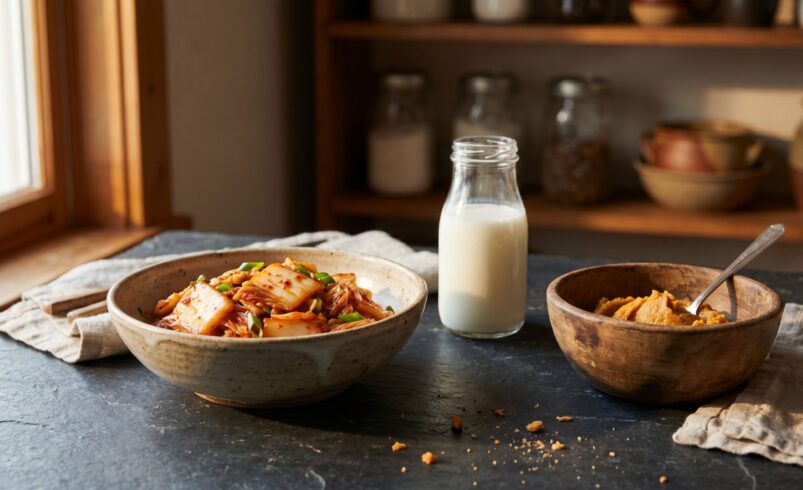

A few years ago, I ran a small experiment on myself that I have never forgotten. For six consecutive weeks, I added a daily serving of homemade kefir and two tablespoons of raw sauerkraut to my regular diet. I changed nothing else. Same sleep schedule, same workload, same exercise routine. By week three, the afternoon brain fog that had become my baseline started lifting. By week five, I was finishing complex writing tasks 30 to 40 minutes faster than usual. I am a nutritionist, not a mystic. I know anecdotes are not data. But when the data arrived a few months later from Stanford University, it confirmed what my own experience had already whispered: fermented foods do something to the brain that we are only beginning to fully understand.
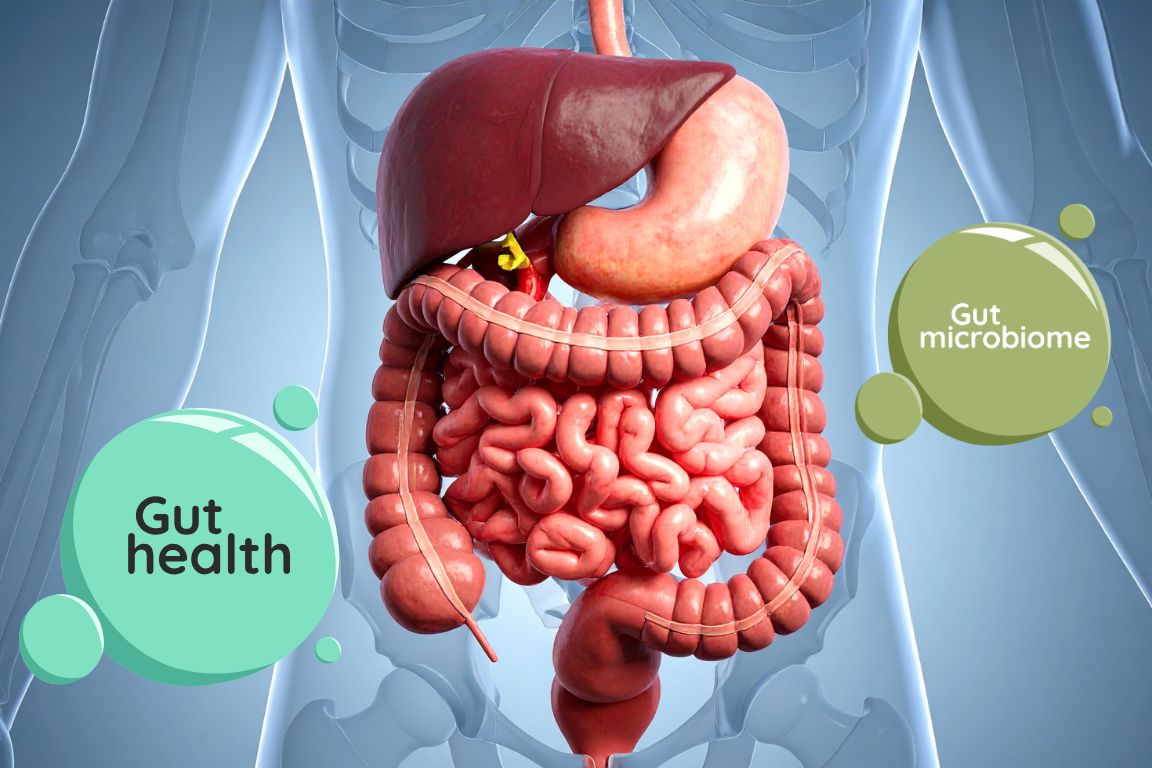
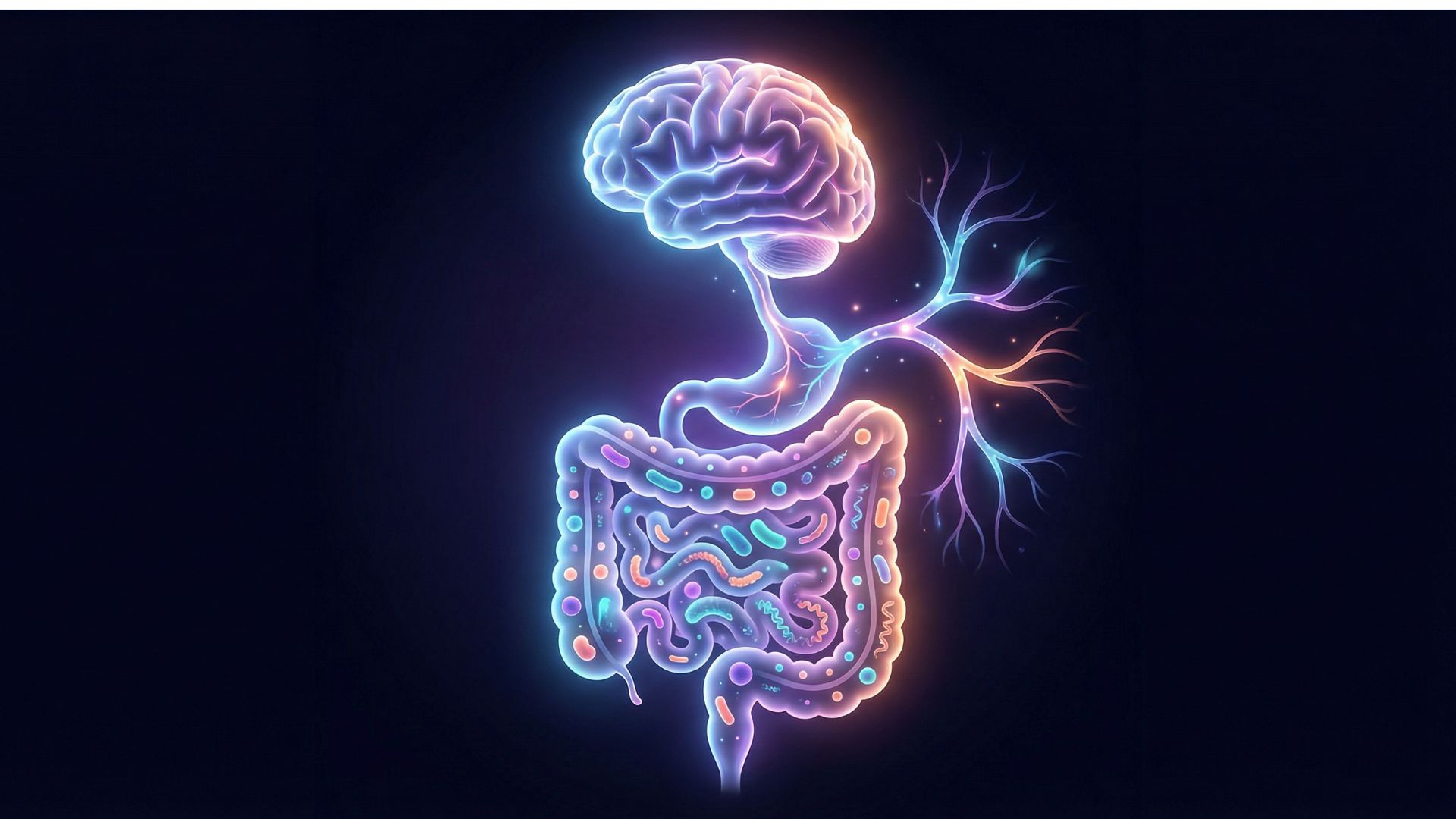
The relationship between fermented foods and mental clarity sits at the intersection of microbiology, immunology, and neuroscience. It is part of the larger story of how the gut-brain connection governs mood and cognitive performance, but fermented foods occupy a unique position in that story. Unlike probiotic supplements, which deliver isolated strains in a capsule, fermented foods offer a living, complex ecosystem of bacteria, yeasts, organic acids, and bioactive peptides in every bite. And the evidence suggests that this complexity is precisely what makes them so effective.
The Stanford study that rewrote the playbook
In 2021, a team led by Justin Sonnenburg and Christopher Gardner at Stanford published a study in Cell that landed like a small earthquake in the nutrition world. They recruited 36 healthy adults and randomly assigned them to one of two diets for 10 weeks: a high-fermented-food diet or a high-fiber diet.
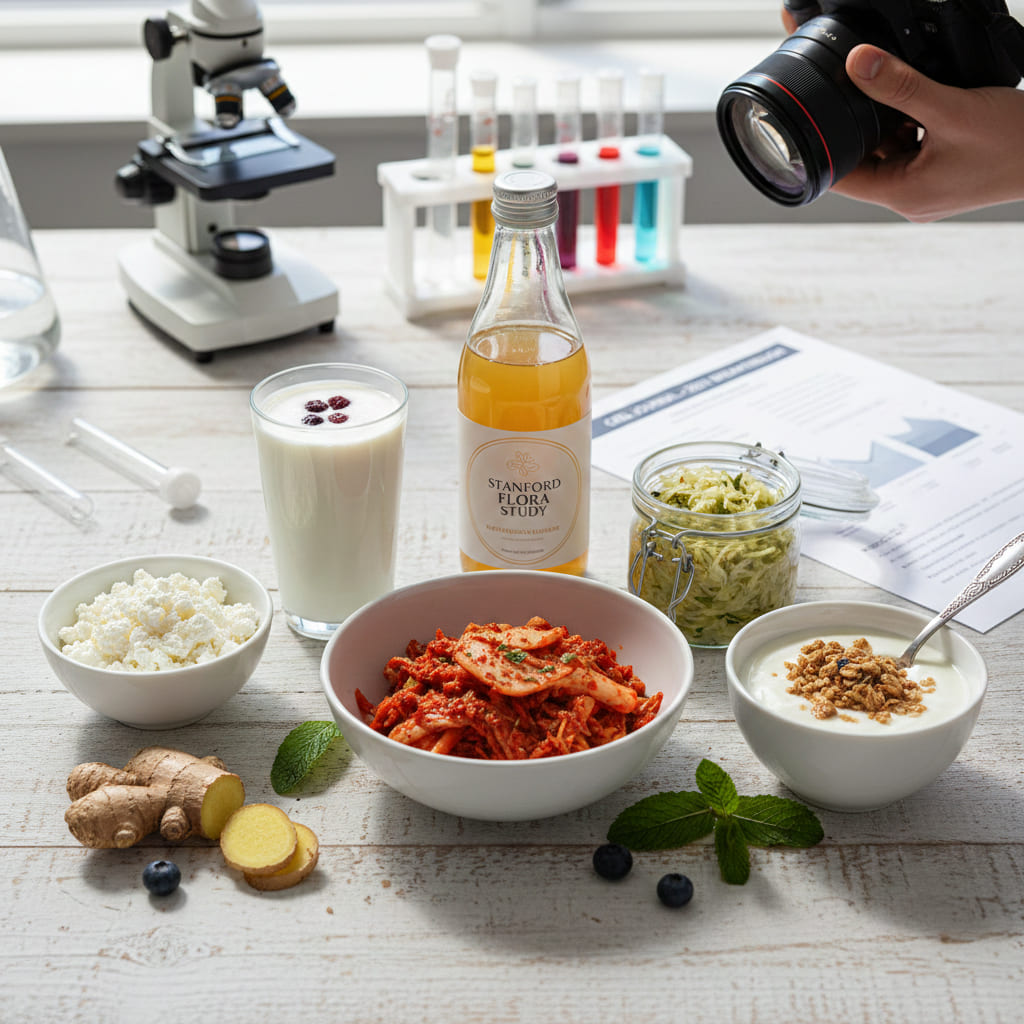
The fermented food group was asked to consume six servings per day of foods like yogurt, kefir, kimchi, sauerkraut, kombucha, and cottage cheese with live cultures. That volume sounds aggressive, but it included small portions. A few ounces of kefir at breakfast, a side of kimchi at lunch, and a cup of kombucha in the afternoon adds up quickly.
The results surprised even the researchers. The fermented food group showed a significant increase in overall microbiome diversity, which is one of the most reliable markers of gut health. But the more striking finding was immunological: 19 inflammatory markers decreased in the fermented food group, including interleukin-6 (IL-6), a cytokine directly implicated in neuroinflammation and cognitive impairment.
The high-fiber group, by contrast, did not show the same increase in diversity. Their immune markers stayed largely unchanged. Fiber is essential for gut health, and prebiotic fibers support cognitive function through their own pathways, but the Stanford trial suggested that for rapidly expanding microbial diversity and reducing inflammation, fermented foods had the edge.
Why reducing inflammation sharpens your thinking
Mental clarity is not just about having the right neurotransmitters in the right amounts. It is equally about removing the obstacles that prevent your brain from functioning at its baseline capacity. And chronic low-grade inflammation is one of the biggest obstacles most people never identify.
When pro-inflammatory cytokines like IL-6 and TNF-alpha circulate at elevated levels, they cross the blood-brain barrier and disrupt normal neural function. The prefrontal cortex, which handles executive function, working memory, and sustained attention, is particularly vulnerable. This is why people with chronic inflammatory conditions often report brain fog, difficulty concentrating, and a feeling that their thinking is “slower” than it used to be.
Fermented foods attack this problem from two directions. First, they introduce bacterial species that produce anti-inflammatory metabolites, including short-chain fatty acids and conjugated linoleic acid. Second, they help restore the integrity of the intestinal barrier, reducing the translocation of inflammatory compounds from the gut into the bloodstream in the first place.
The result is not a stimulant effect. Fermented foods will not make you feel wired or artificially alert. What they do is more like clearing static from a radio signal. The clarity was always there. The inflammation was just drowning it out.
Not all fermented foods are created equal
This is the point where well-meaning articles usually list every fermented food imaginable and tell you to eat more of all of them. The reality is more nuanced. Not every product labeled “fermented” delivers the live microorganisms that matter for brain health.
Pasteurized vs. Raw
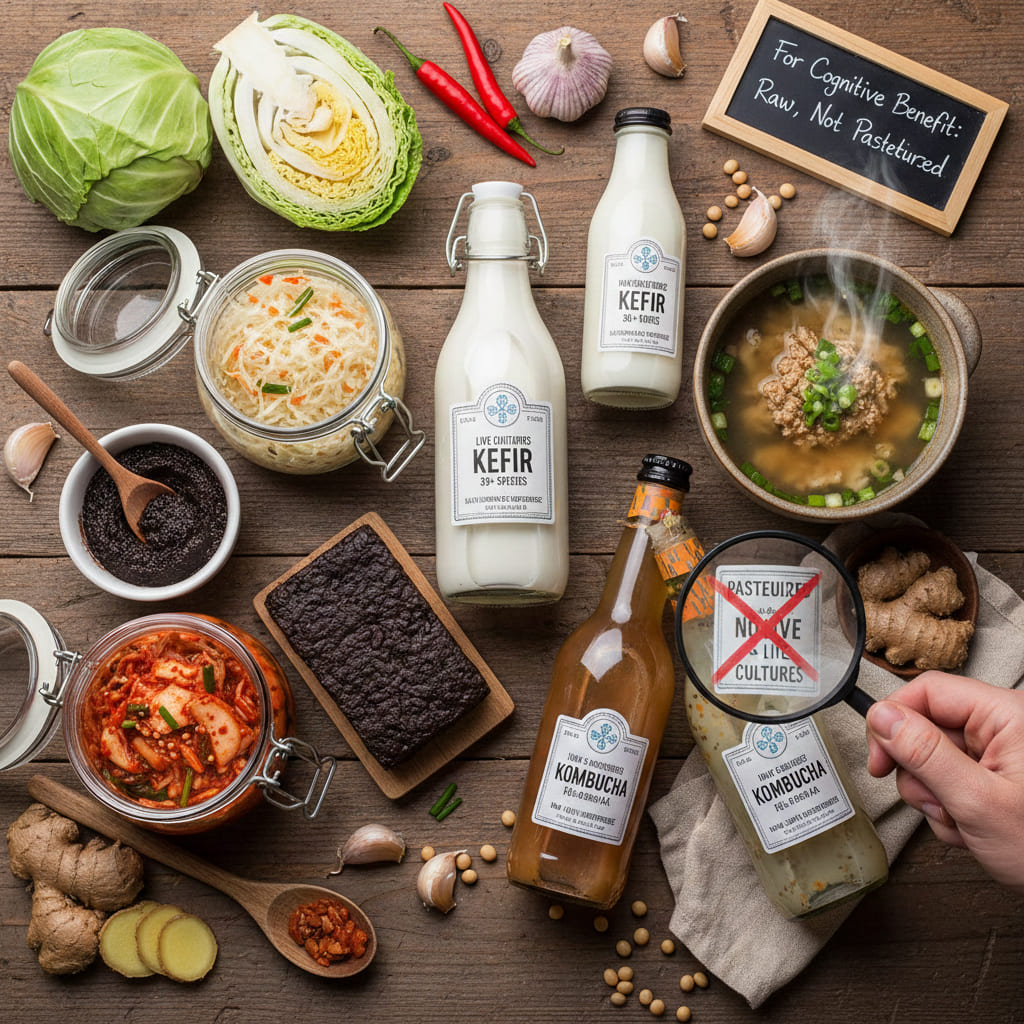
Pasteurization kills bacteria. That is its entire purpose. A jar of shelf-stable sauerkraut sitting in the condiment aisle at room temperature has been heat-treated and contains no live cultures. It may still provide fiber and some nutrients, but it will not deliver the microbial benefits the Stanford study documented. For mental clarity purposes, you want raw, unpasteurized, refrigerated fermented foods. Always check the label for phrases like “live cultures,” “raw,” or “unpasteurized.”
The best options for cognitive benefit
Kefir is arguably the single most microbiologically diverse fermented food available to consumers. A typical batch of traditional kefir contains 30 to 50 distinct bacterial and yeast species, far more than yogurt, which typically contains two to five. Both dairy and water-based kefir deliver live cultures, though dairy kefir tends to have higher species counts.
Kimchi provides Lactobacillus strains with documented neuroactive properties, particularly L. plantarum, which has shown the ability to modulate serotonin and dopamine pathways in preclinical models. Traditional kimchi also contains garlic, ginger, and chili, all of which have their own anti-inflammatory and prebiotic properties.
Naturally fermented sauerkraut is a simple and accessible source of Lactobacillus brevis and L. plantarum. It is inexpensive to make at home and requires only cabbage and salt. A quarter cup daily is enough to introduce meaningful bacterial diversity.
Miso and tempeh offer the added dimension of fermented soy isoflavones, which have demonstrated neuroprotective effects in animal studies. Miso soup is particularly gentle on the digestive system and works well as an entry point for people new to fermented foods.
Kombucha is popular but variable in quality. Many commercial brands are heavily sweetened and contain minimal live cultures by the time they reach the shelf. If you drink kombucha for brain health, look for brands that are raw, lightly sweetened, and ideally brewed in small batches.
| Fermented Food | Key Microbial Benefit | Live Culture Density | Best Use for Mental Clarity |
| Kefir (dairy or water) | Highest species diversity (30-50 strains) | Very high | Daily morning drink or smoothie base |
| Traditional kimchi | Neuroactive Lactobacillus strains + anti-inflammatory compounds | High | Side dish at lunch or dinner |
| Raw sauerkraut | L. brevis, L. plantarum | Moderate-High | Small daily serving (2-3 tbsp) |
| Miso | Fermented soy isoflavones, neuroprotective | Moderate | Evening soup (do not boil after adding miso) |
| Tempeh | Fermented soy + B vitamins from Rhizopus mold | Moderate | Protein source in main meals |
| Kombucha (raw, low sugar) | Variable bacteria and yeast | Low-Moderate | Afternoon refreshment, choose quality brands |
How to start without wrecking your gut
One of the most common mistakes I see is enthusiasm without pacing. A client reads about the Stanford study, gets excited, and starts eating kimchi, drinking kefir, and adding miso to every meal on the same day. By evening, they are bloated, gassy, and convinced fermented foods are not for them.
The issue is not the food. It is the dose. Introducing a sudden influx of live bacteria into a gut that is not accustomed to them creates a temporary microbial turf war. Gas and bloating are the side effects of that adjustment, not a sign that something is wrong.
Start with one small serving of one fermented food per day. A quarter cup of sauerkraut. A few ounces of kefir. Half a cup of miso soup. Stay at that level for a full week. If your digestion adjusts comfortably, add a second serving or a second type of fermented food in week two. By week four, most people can comfortably tolerate two to three servings daily, which is the range associated with measurable changes in microbiome diversity.
If you have a diagnosed histamine intolerance, proceed with extra caution. Fermented foods are naturally high in histamine, and some individuals react with headaches, flushing, or digestive distress. In that case, start with lower-histamine options like fresh, lightly fermented sauerkraut and avoid aged products like kombucha and long-fermented kimchi until you have assessed your tolerance.
The compound effect: why consistency beats intensity
A single serving of kefir is not going to rewire your neurochemistry. But 90 consecutive days of daily fermented food intake will shift your microbiome composition in ways that are detectable on a stool test and, more importantly, noticeable in how you think and feel.

The Stanford study ran for 10 weeks, and the researchers observed that the benefits compounded over time. Microbiome diversity did not plateau at week four. It kept increasing through week 10. Inflammatory markers continued to decline. The implication is that fermented foods are not a quick fix. They are a daily practice, and the returns accumulate the longer you sustain it.
I often compare it to exercise. A single workout does something. A hundred workouts in a row does something fundamentally different. Fermented foods operate on the same principle. The bacteria you introduce today need time to colonize, interact with resident species, and establish stable populations that produce consistent metabolic output. Rushing the process does not help. Showing up every day does.
A tradition older than medicine
It is worth stepping back for a moment and recognizing that none of this is new. Fermented foods have been central to human diets for thousands of years, from Korean kimchi and Japanese miso to German sauerkraut, Ethiopian injera, and Eastern European kefir. Every traditional food culture on Earth developed its own fermentation practices long before anyone understood microbiology.
What is new is the scientific framework that explains why these foods work. We can now trace the pathway from a spoonful of sauerkraut to increased microbiome diversity to reduced IL-6 to improved prefrontal cortex function. The mechanism is no longer a mystery. The tradition was right all along. Science just took a while to catch up.
If you are looking for one change that is inexpensive, low-risk, backed by rigorous research, and rooted in millennia of human food wisdom, fermented foods are hard to beat. And the question I keep coming back to, the one I ask every new client, is simple: if something this accessible could meaningfully reduce the inflammation clouding your thinking, what is actually stopping you from giving your gut what it needs to let you sleep better too?