

You did everything right. The lights went dim at 9 PM. Your phone sat in another room, out of reach. Even the breathing technique your therapist recommended got a proper attempt. And still, at 1:47 AM, you are staring at the ceiling, wired and exhausted at the same time, wondering what you are doing wrong. Here is a possibility that no sleep hygiene checklist will mention: the problem might not be in your bedroom. It might be in your intestines.
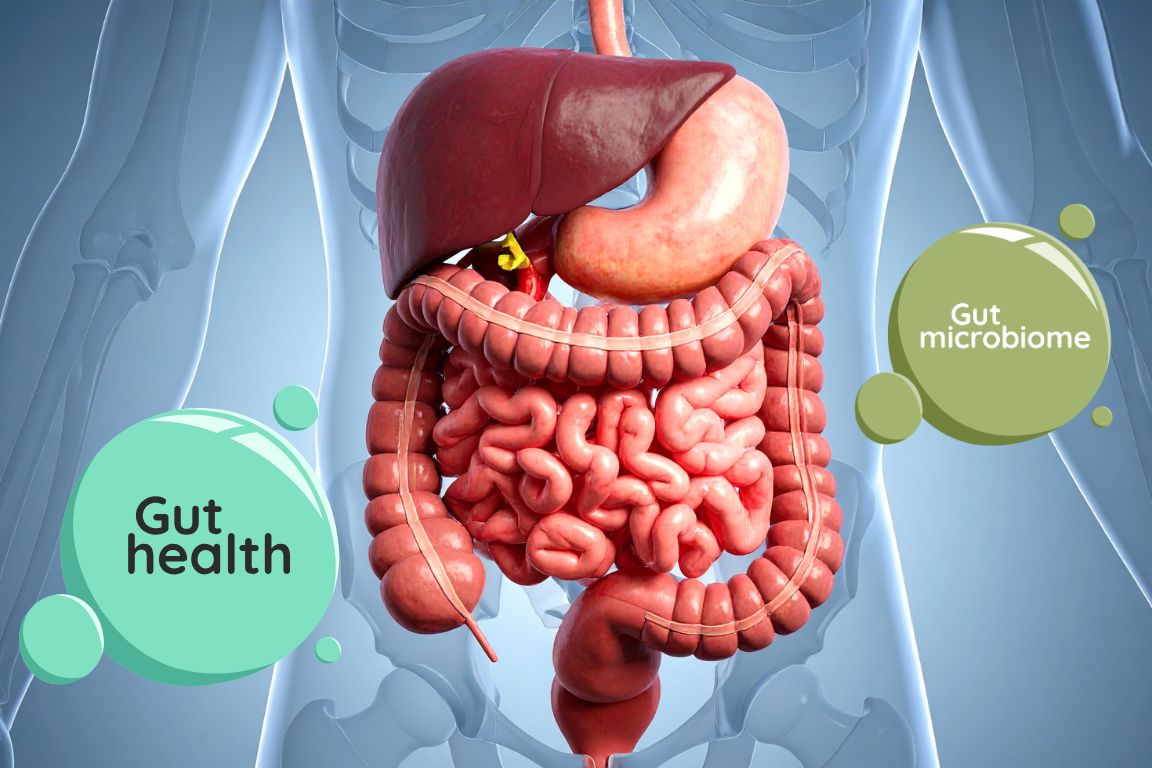
The relationship between gut health and sleep is one of the most underappreciated loops in human biology. Your microbiome does not just influence digestion and immunity. It manufactures the precursor molecules for the very hormone that initiates sleep. It regulates the inflammatory signals that determine whether your brain can transition smoothly between sleep stages. And when that microbial ecosystem is disrupted, sleep is often the first casualty, sometimes months before any digestive symptom appears.
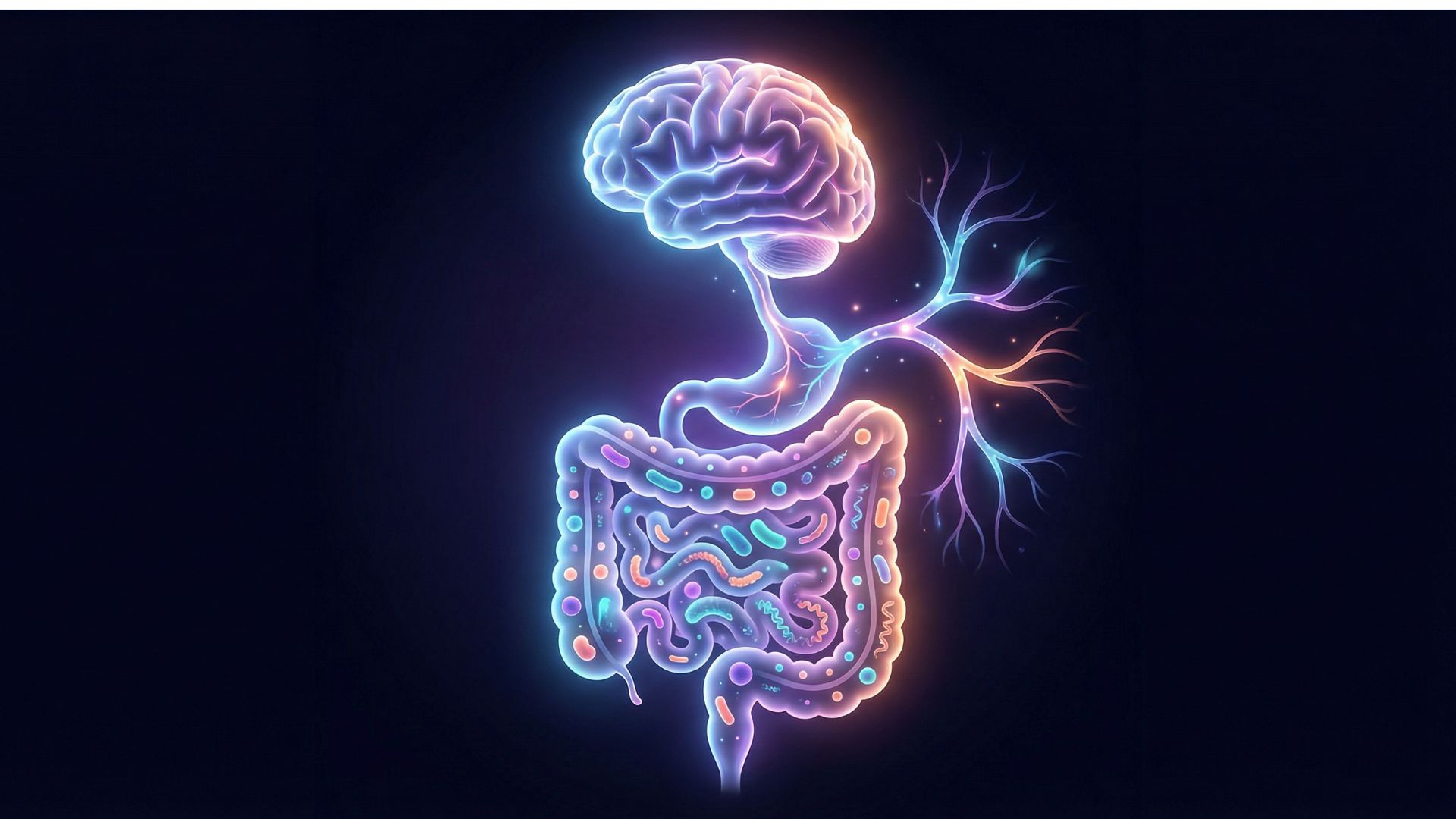
If you have been exploring the broader science of how the gut-brain connection shapes your mood and mental health, consider this the nighttime chapter. Because the same axis that governs your emotional life during the day is also running the show after you close your eyes.
Your gut produces 400 times more melatonin than your brain
Most people associate melatonin exclusively with the pineal gland, the tiny structure in the brain that ramps up melatonin production in response to darkness and signals the body that it is time to sleep. But the pineal gland is not the body’s primary melatonin source. The gut is.
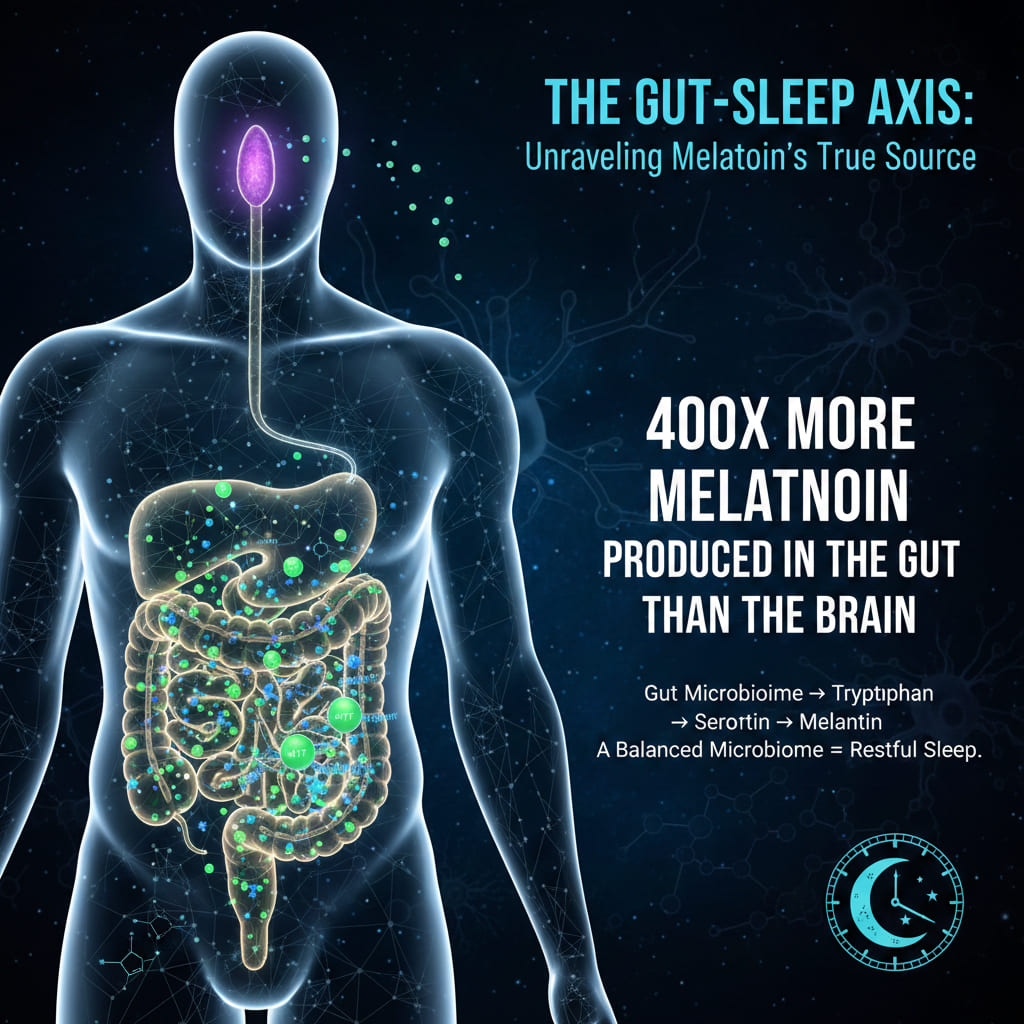
Enterochromaffin cells lining the gastrointestinal tract produce roughly 400 times more melatonin than the pineal gland. This intestinal melatonin serves local functions, protecting the gut lining, regulating motility, and modulating immune responses, but it also contributes to the body’s overall melatonin pool and influences circadian signaling.
Here is where the microbiome enters the picture. Gut melatonin is synthesized from serotonin, which is itself synthesized from the amino acid tryptophan. As we have covered in this series, gut bacteria directly influence tryptophan metabolism and serotonin production. Certain bacterial species enhance the conversion. Others compete for tryptophan and divert it into alternative metabolic pathways, particularly the kynurenine pathway, which does not produce serotonin or melatonin at all.
The implication is straightforward: the composition of your gut microbiome determines how efficiently your body can build the molecular chain from tryptophan to serotonin to melatonin. A disrupted microbiome does not just affect your mood during the day. It can quietly throttle the biochemical process your body depends on to fall asleep at night.
The microbiome diversity study that connected gut bacteria to deep sleep
In 2019, a research team published a study in PLoS ONE that offered one of the first direct correlations between gut microbiome composition and objectively measured sleep quality. They recruited 26 men, sequenced their gut microbiomes, and simultaneously monitored their sleep using polysomnography, the gold-standard method for measuring sleep architecture.
The findings were compelling. Participants with higher microbiome diversity had significantly greater sleep efficiency, meaning they spent a larger percentage of their time in bed actually asleep rather than lying awake. They also spent more time in slow-wave sleep, the deep, restorative phase that consolidates memory, repairs tissue, and clears metabolic waste from the brain through the glymphatic system.
Specific bacterial taxa drove the association. Higher abundances of Bacteroidetes correlated with longer total sleep time. Certain Firmicutes species correlated with fewer nighttime awakenings. The researchers were careful to note that correlation does not prove causation, but the pattern was consistent enough to generate a wave of follow-up research.
A 2022 study in Microbiome expanded on these findings by examining the gut bacteria of insomnia patients compared to healthy sleepers. The insomnia group showed significantly reduced microbial diversity and elevated levels of pro-inflammatory species. After a 12-week intervention combining dietary modification and targeted probiotic supplementation, both microbiome diversity and self-reported sleep quality improved.
Sleep deprivation damages the microbiome (and the microbiome fights back)
The gut-sleep relationship is not a one-way street. Poor sleep does not just result from a disrupted microbiome. Poor sleep actively damages the microbiome, creating a vicious cycle that can be remarkably difficult to break without addressing both sides simultaneously.
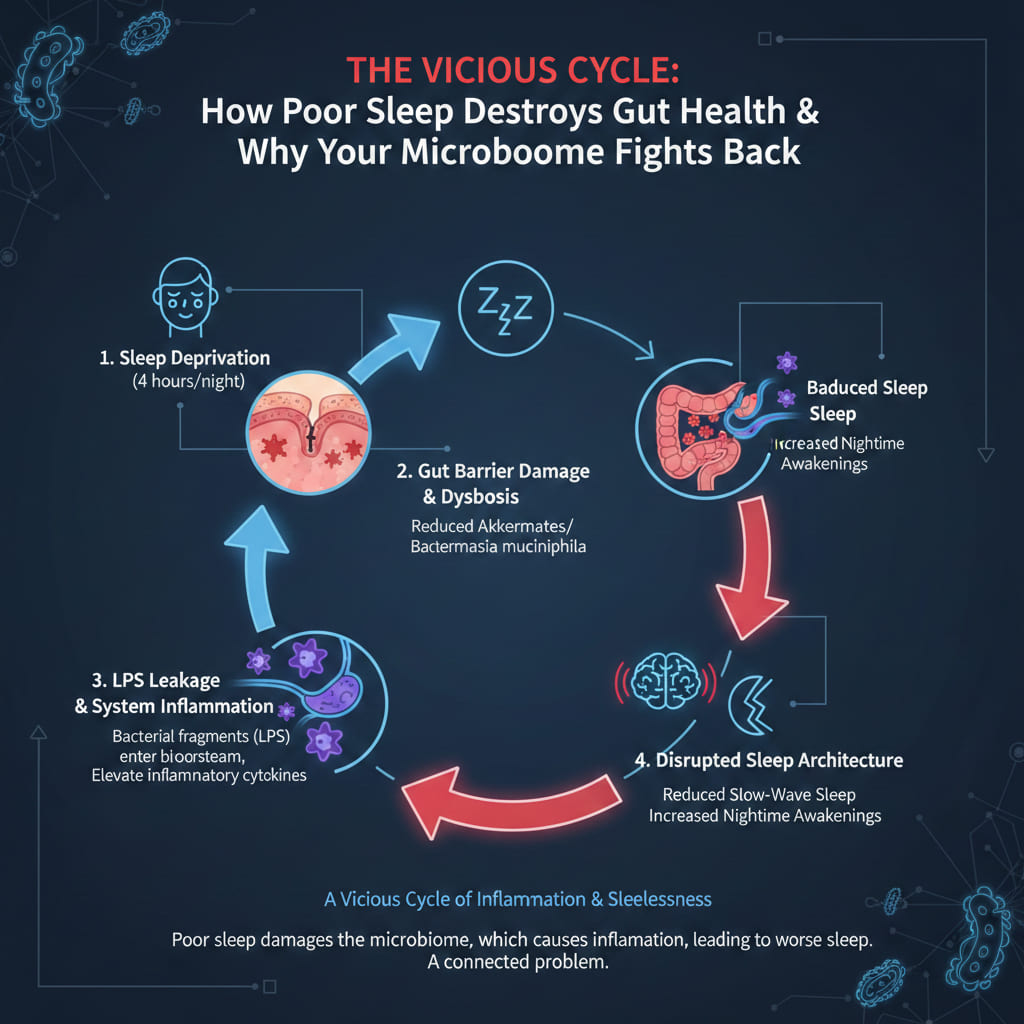
Research published in Molecular Metabolism demonstrated that just two consecutive nights of partial sleep restriction, sleeping only four hours per night, was enough to shift the Firmicutes-to-Bacteroidetes ratio in a direction associated with metabolic dysfunction and increased inflammation. Other studies have linked chronic sleep deprivation to reduced populations of Akkermansia muciniphila, a bacterial species critical for maintaining the integrity of the gut lining.
When the gut lining weakens, bacterial fragments called lipopolysaccharides (LPS) leak into the bloodstream. LPS triggers a systemic immune response that elevates inflammatory cytokines. Those cytokines, in turn, disrupt sleep architecture, reducing slow-wave sleep and increasing nighttime awakenings. The person sleeps worse, the microbiome deteriorates further, more inflammation follows, and sleep degrades again.
I have seen this cycle play out in clients more times than I can count. Someone goes through a stressful period, loses sleep for a few weeks, develops vague digestive complaints, sleeps even worse, and then arrives at my office six months later with both insomnia and IBS symptoms, convinced the two are unrelated. They are almost always connected.
What to eat in the evening to support the gut-sleep axis
Breaking the gut-sleep cycle does not require a pharmaceutical intervention. Strategic nutritional adjustments in the hours before bed can support both microbiome health and sleep quality simultaneously. Here is what the evidence supports.
Tryptophan-rich foods at dinner
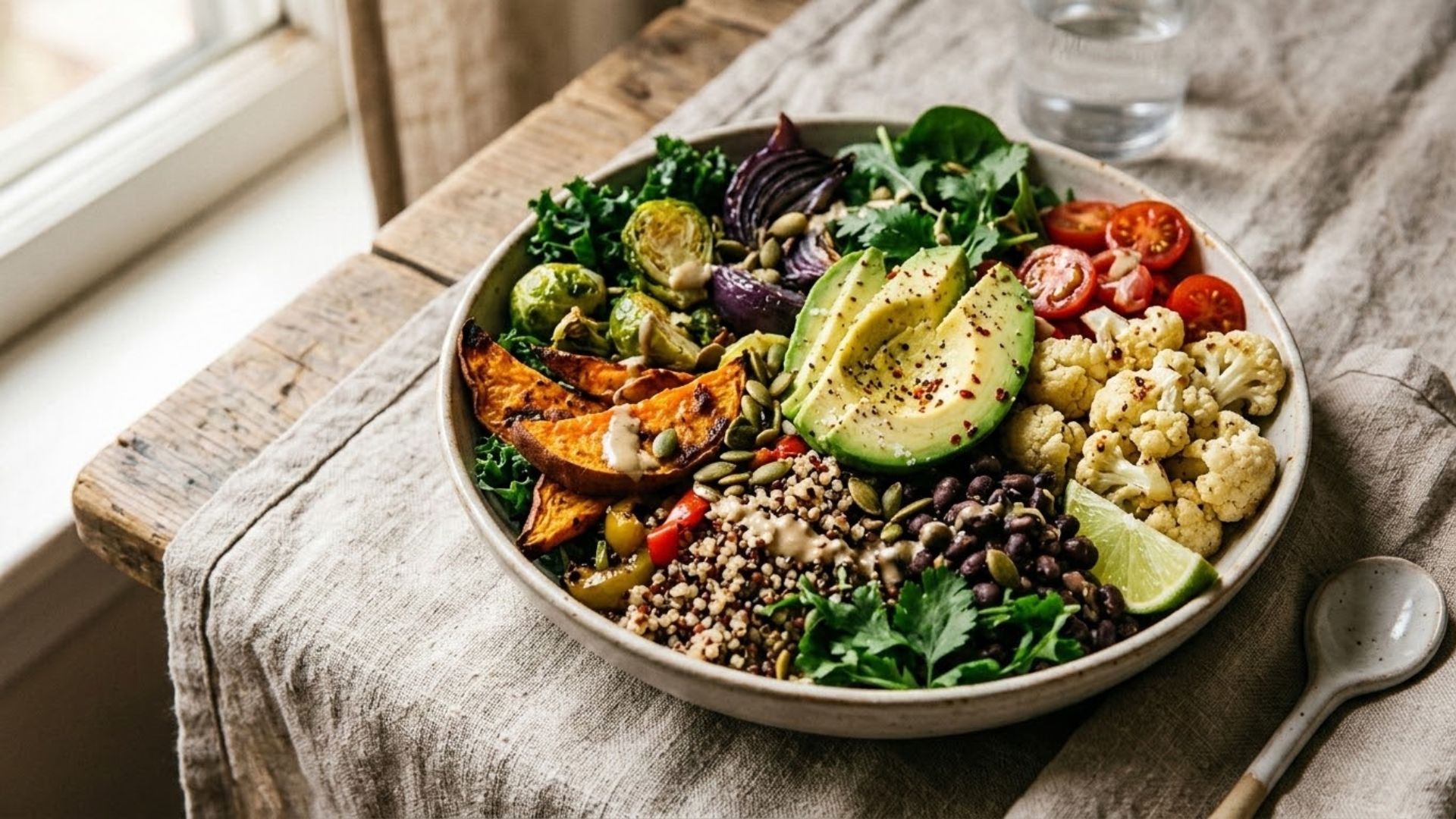
Since tryptophan is the foundational building block for both serotonin and melatonin, ensuring adequate tryptophan intake at your evening meal gives your body the raw material it needs for overnight neurochemical production. Strong sources include turkey, chicken, salmon, eggs, pumpkin seeds, sesame seeds, tofu, and cheese. Pairing tryptophan-rich protein with complex carbohydrates (like sweet potatoes or brown rice) enhances tryptophan’s ability to cross the blood-brain barrier by triggering an insulin response that clears competing amino acids from the bloodstream.
Prebiotic fiber at dinner
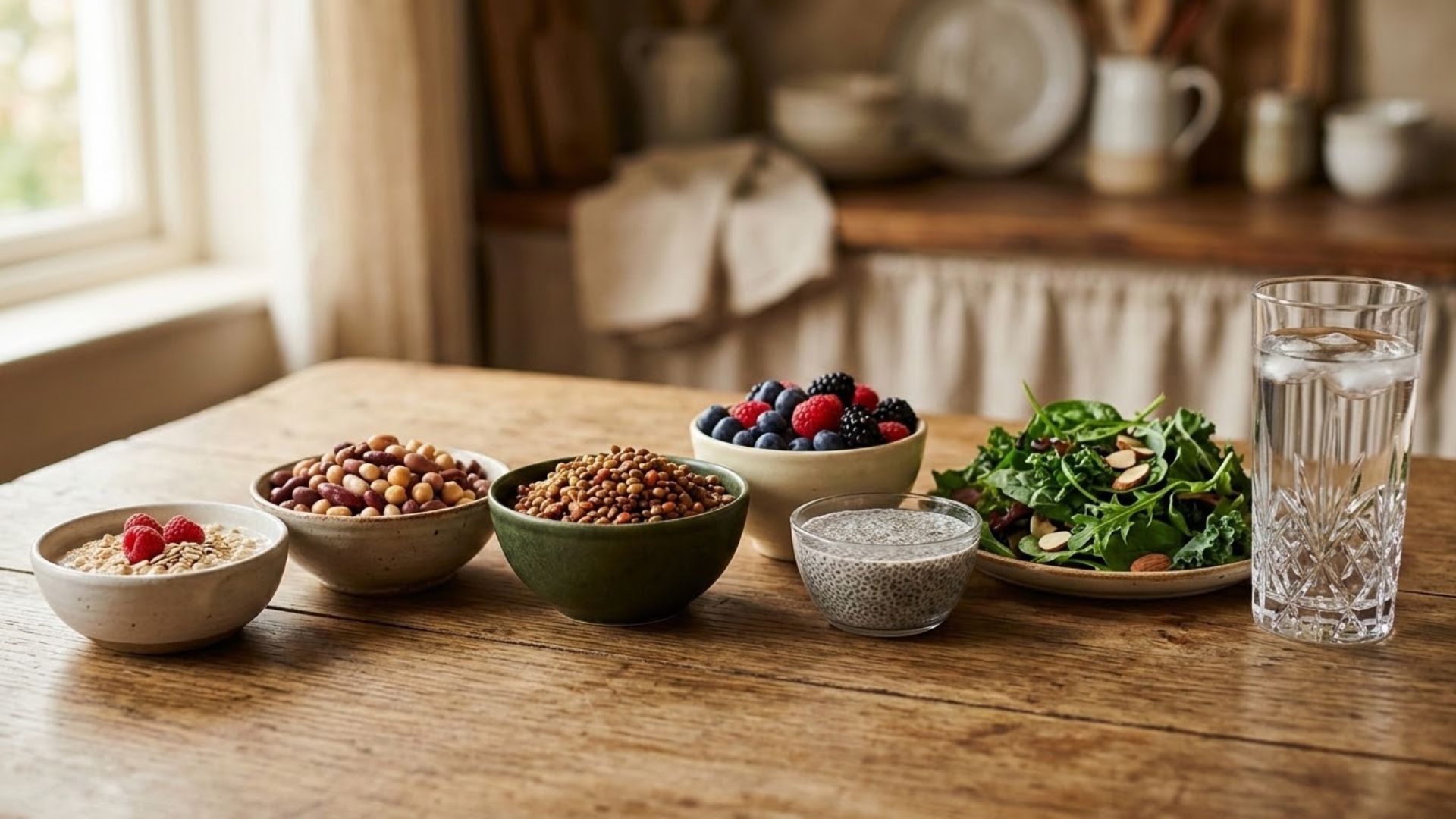
Including prebiotic-rich foods in your evening meal fuels overnight bacterial fermentation and SCFA production. Garlic, onions, leeks, and asparagus are ideal choices. The SCFAs produced during overnight fermentation, particularly butyrate, help maintain intestinal barrier integrity during the extended fasting period of sleep, reducing the risk of LPS translocation and the inflammatory cascade that fragments sleep architecture.
Tart cherry juice: a surprisingly well-studied option
Tart cherry juice has emerged as one of the more robust natural sleep aids in the nutritional literature. A 2018 randomized controlled trial in the American Journal of Therapeutics found that participants drinking tart cherry juice twice daily for two weeks experienced an average increase of 84 minutes in sleep time compared to placebo. Tart cherries are one of the few natural food sources of melatonin, and they also contain polyphenols that reduce inflammation and support microbial diversity. Eight ounces of tart cherry juice (not cherry cocktail, which is mostly sugar) an hour before bed is a reasonable evidence-based protocol.
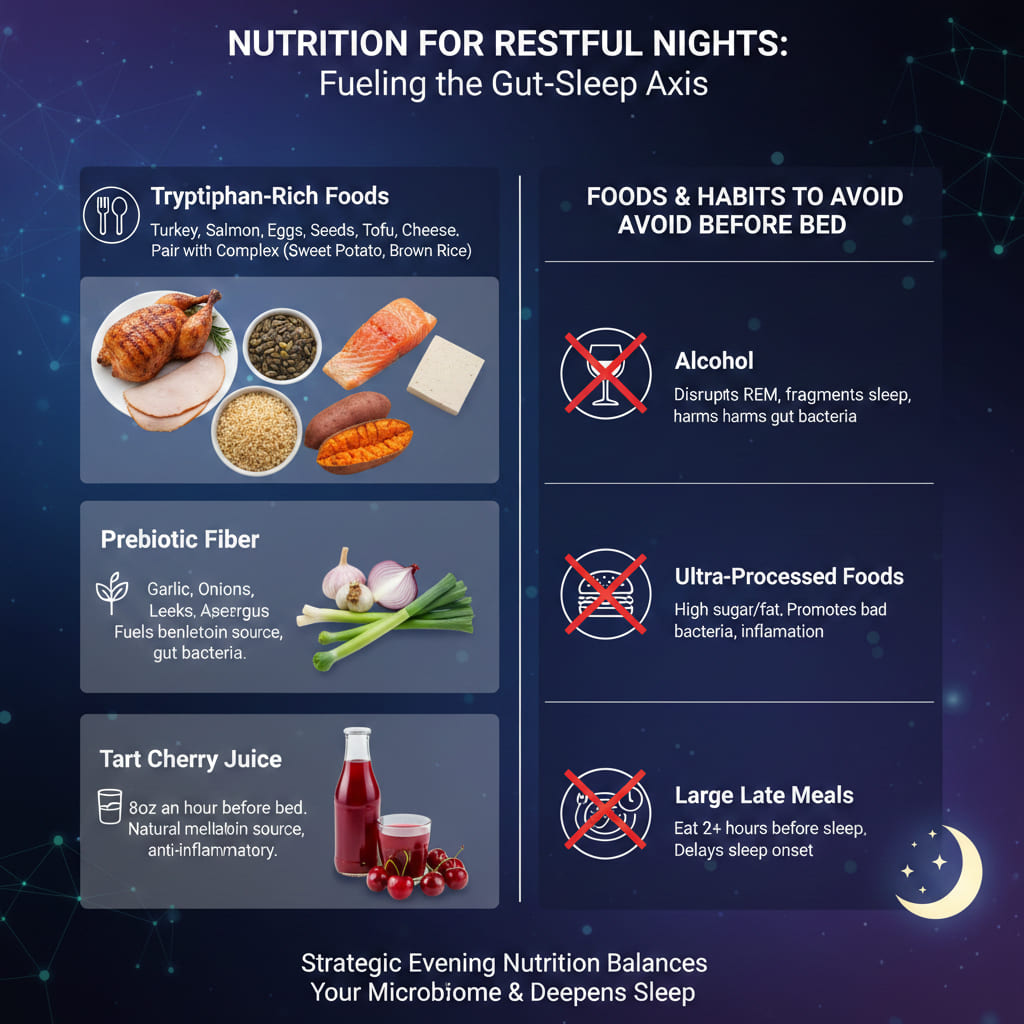
What to avoid before bed
Alcohol. Despite its sedative reputation, alcohol fragments sleep architecture, suppresses REM sleep, and acutely disrupts gut microbiome composition. A 2021 study in Alcohol Research: Current Reviews documented significant shifts in gut microbial populations after even moderate alcohol consumption, with effects persisting for 24 to 48 hours.
Ultra-processed foods. High-sugar, high-fat processed foods consumed in the evening promote the growth of pro-inflammatory bacterial species and suppress populations of beneficial butyrate producers. The inflammatory spike can interfere with both sleep onset and sleep continuity.
Large late meals. Eating a heavy meal within two hours of bedtime forces the digestive system into high activity at precisely the time your body is trying to transition into rest. This does not directly damage the microbiome, but it delays sleep onset and reduces sleep efficiency.
The cortisol connection: why stress ties gut health and sleep together
Cortisol deserves its own mention because it is the molecule that most directly bridges the gut and sleep in the context of chronic stress. Cortisol follows a natural circadian rhythm: it peaks in the morning (the cortisol awakening response) and gradually declines throughout the day, reaching its lowest point around midnight. This decline is essential for melatonin to rise and sleep to initiate.
Chronic stress disrupts this pattern, keeping cortisol elevated into the evening hours. But here is the less-discussed angle: gut dysbiosis itself can elevate cortisol. A 2024 review in Psychoneuroendocrinology compiled evidence showing that reduced microbiome diversity is independently associated with flattened cortisol curves, meaning cortisol stays elevated when it should be dropping. The gut, in this case, is not just a victim of stress. It is an amplifier.
This is why addressing gut health can sometimes improve sleep even when the original stressor has not changed. By restoring microbial diversity and reducing gut-derived inflammation, you lower one of the biological drivers of elevated evening cortisol, giving melatonin the biochemical space it needs to do its job.
A practical evening protocol for the gut-sleep axis
Based on the converging evidence, here is a simple nightly framework that supports both microbiome health and sleep quality.
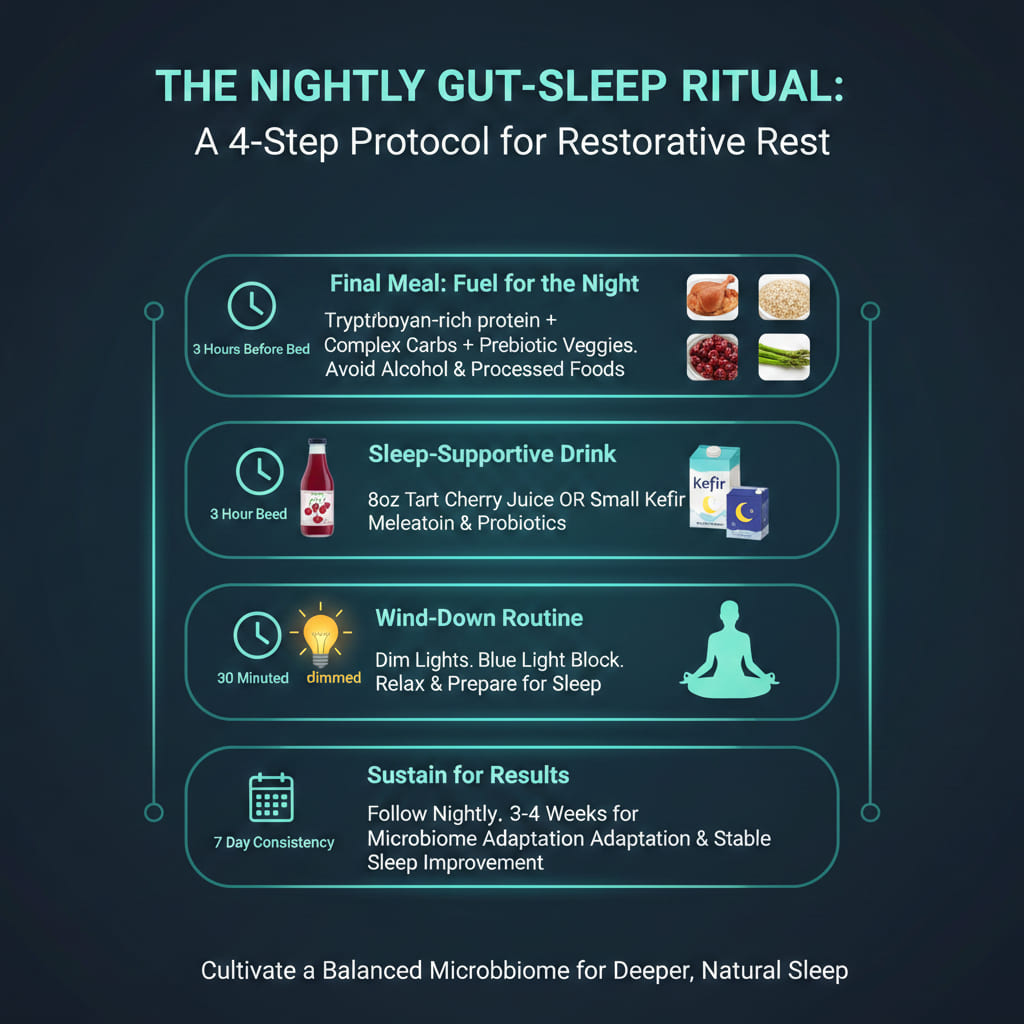
Three hours before bed: Eat your final meal. Include a tryptophan-rich protein source, a complex carbohydrate, and at least one prebiotic vegetable (garlic, onions, leeks, or asparagus). Avoid alcohol and heavily processed foods.
One hour before bed: Drink eight ounces of tart cherry juice or consume a small serving of kefir. Both supply sleep-supportive compounds and beneficial microorganisms.
Thirty minutes before bed: Dim lights and begin your wind-down routine. The absence of blue light allows the pineal gland to release its own melatonin, complementing the gut-derived supply.
Consistency across seven days: The microbiome responds to sustained dietary patterns, not single meals. Follow this protocol nightly for at least three to four weeks before evaluating its effects. The bacterial populations that support sleep need time to establish stable colonies.
When the night finally quiets down
There is something deeply satisfying about realizing that the answer to a sleep problem might not require a prescription or a complicated behavioral protocol. Sometimes it requires garlic at dinner, a glass of tart cherry juice, and the patience to let trillions of microscopic organisms do what they have been evolving to do for millions of years.
The gut-sleep connection is not a niche theory anymore. It is a well-documented biological axis with clear mechanistic pathways and increasingly actionable interventions. The research published between 2022 and 2026 alone has moved this field from “intriguing hypothesis” to “clinically relevant framework.”
And yet, for most people, the conversation about sleep still starts and ends with blue light filters and melatonin gummies. It rarely touches the ecosystem living inside them that is quietly manufacturing the chemistry of rest.
So here is what I find myself wondering, and maybe you are wondering it too: if the quality of your sleep tonight depends partly on what your gut bacteria had to work with today, what would happen if you started feeding them the fermented foods and fibers they actually need?