
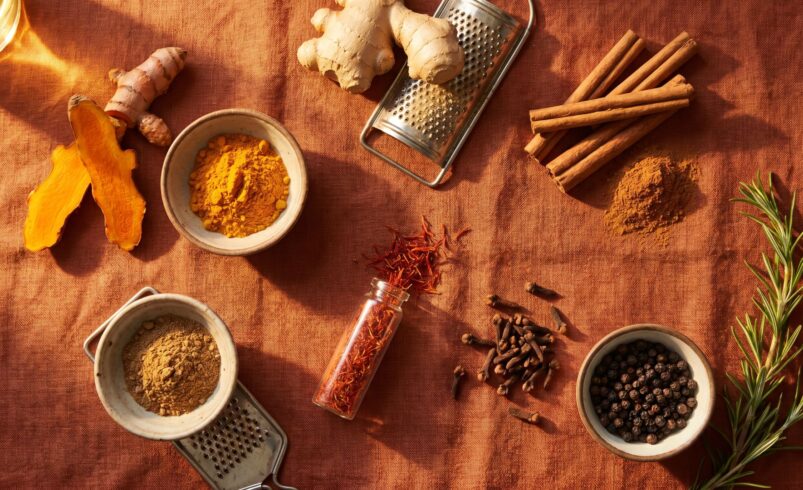

Long before pharmaceutical drugs existed, spices were among the most valued healing agents in human civilization. The ancient Ayurvedic medical system cataloged turmeric’s anti-inflammatory properties 4,000 years ago. Traditional Chinese medicine incorporated ginger as a digestive and circulatory remedy for millennia. Medieval European apothecaries dispensed cloves and cinnamon as therapeutic agents. That reverence, once dismissed as folklore, has proven to be scientifically justified. Modern pharmacological research has confirmed that common kitchen spices contain bioactive compounds that modulate inflammation, regulate blood sugar, protect neural tissue, and influence mood through mechanisms that rival some pharmaceutical interventions. These spices are among the most accessible tools in the broader strategy of treating everyday nutrition as a therapeutic resource, which this comprehensive guide to food as medicine explores across every major dietary category.
Turmeric and curcumin: the most studied spice in science
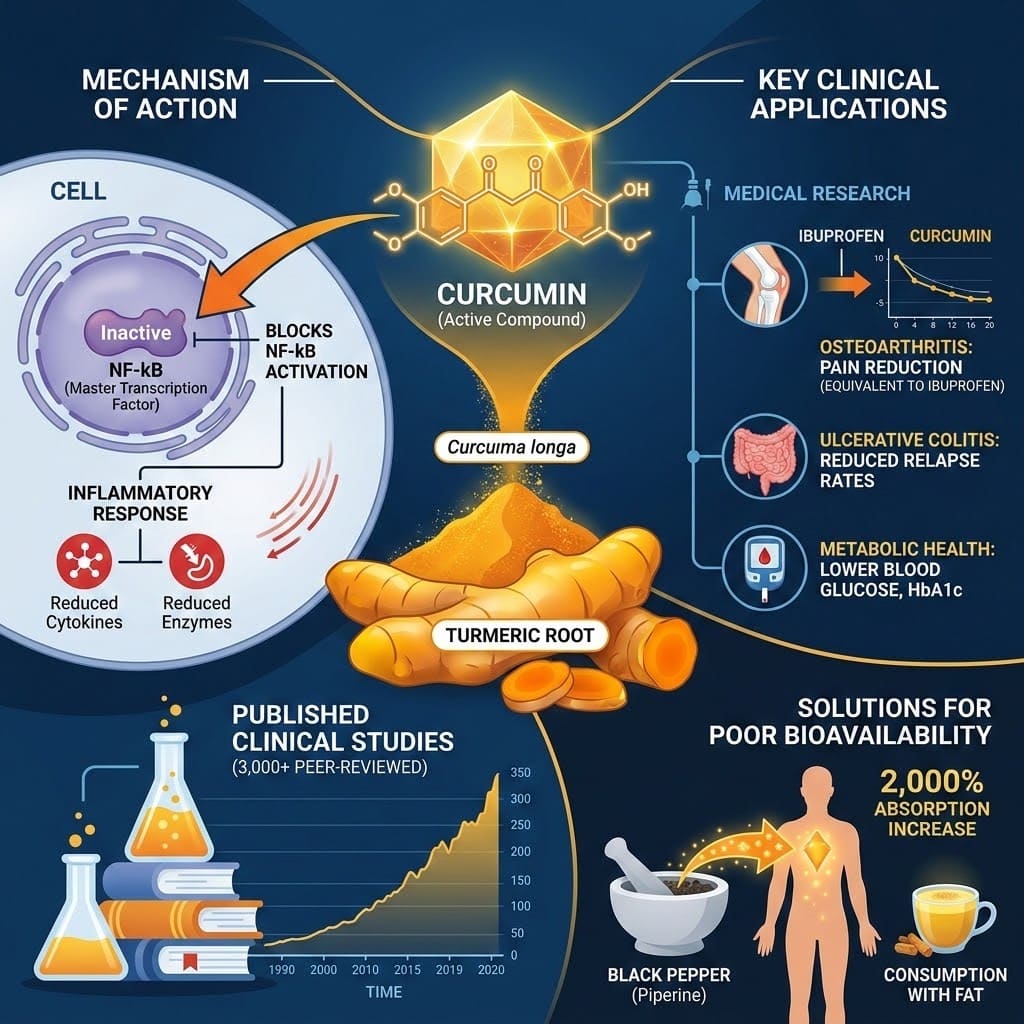
No kitchen spice has accumulated a more extensive clinical research profile than turmeric. Its primary bioactive compound, curcumin, has been the subject of more than 3,000 published peer-reviewed studies, spanning applications from osteoarthritis and inflammatory bowel disease to Alzheimer’s prevention and cancer adjuvant therapy.
Curcumin is a potent inhibitor of NF-kB, the master transcription factor that controls the expression of most inflammatory genes. By blocking NF-kB activation, curcumin simultaneously reduces the production of dozens of pro-inflammatory cytokines, enzymes, and adhesion molecules. This multi-target mechanism explains its extraordinarily broad range of clinical applications.
Curcumin is a potent inhibitor of NF-kB, the master transcription factor that controls the expression of most inflammatory genes. The anti-inflammatory mechanisms that curcumin targets are the same pathways driving most chronic disease. By blocking NF-kB activation, curcumin simultaneously reduces the production of dozens of pro-inflammatory cytokines, enzymes, and adhesion molecules. This multi-target mechanism explains its extraordinarily broad range of clinical applications.
What the clinical trials show
For osteoarthritis, multiple randomized controlled trials have compared curcumin supplementation to ibuprofen in patients with knee pain. A 2014 study in the Journal of Alternative and Complementary Medicine found that 1,500 milligrams of curcumin daily produced equivalent reductions in pain and functional impairment to 1,200 milligrams of ibuprofen daily, with significantly fewer gastrointestinal adverse events.
For inflammatory bowel disease, a Cochrane-reviewed meta-analysis tested curcumin added to standard maintenance therapy. Over six months, patients with ulcerative colitis showed significantly reduced relapse rates compared to placebo plus standard therapy.
For metabolic health, a 2019 meta-analysis in Nutrition Reviews examined curcumin supplementation in type 2 diabetes patients. Results showed significant reductions in fasting blood glucose, insulin resistance, and HbA1c levels.
The bioavailability problem and its solutions
Curcumin’s principal pharmacological limitation is poor bioavailability. Consumed alone, it is rapidly metabolized and eliminated, reaching only minimal systemic concentrations. This is why some early clinical trials using standard curcumin powder showed disappointing results.
The most evidence-supported solution is simple: combine turmeric with black pepper. Black pepper contains piperine, a compound that inhibits the intestinal enzyme that metabolizes curcumin. Research by Shoba and colleagues demonstrated that 20 milligrams of piperine, the amount in a conservative amount of black pepper, increased curcumin bioavailability by 2,000 percent in human subjects.
Consuming curcumin with fat also significantly improves absorption because curcumin is fat-soluble. Golden milk, the traditional Ayurvedic preparation combining turmeric, black pepper, and a fat-containing beverage, turns out to be a pharmacologically rational delivery system.
Ginger: the digestive and metabolic powerhouse
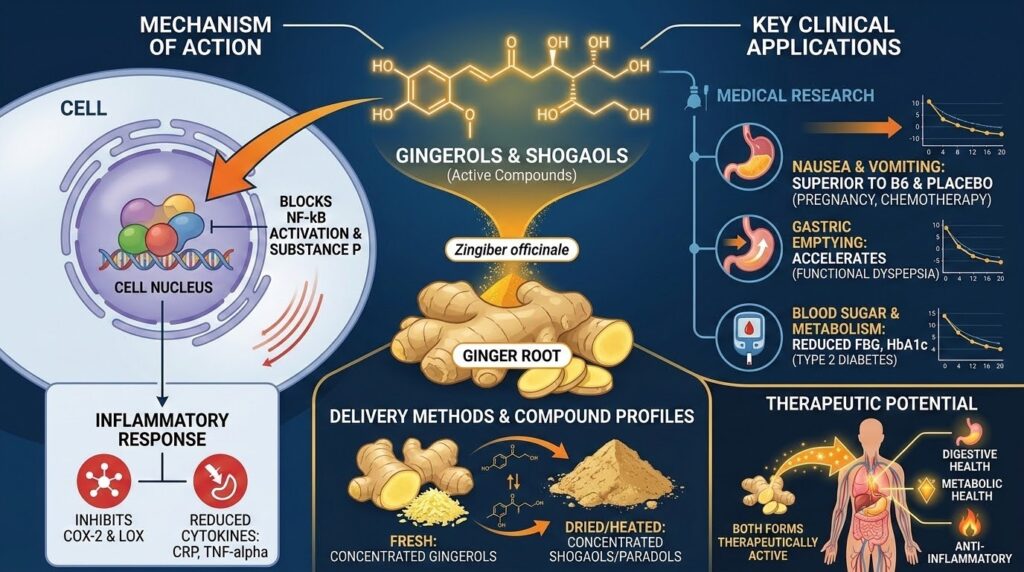
Zingiber officinale, or common ginger, contains an array of phenolic compounds including gingerols in fresh root and the shogaols and paradols formed during drying and heating. These compounds inhibit COX-2 and LOX inflammatory enzymes, modulate substance P pain signaling, and influence serotonin receptors in the gut wall in ways that explain ginger’s well-documented antiemetic effects.
Nausea and digestive health
Ginger’s antiemetic properties are among its most clinically validated applications. A systematic review of 12 randomized controlled trials found ginger significantly superior to placebo for reducing nausea and vomiting in early pregnancy. Critically, it was superior to vitamin B6, the current standard-of-care recommendation for pregnancy nausea, in several direct comparison trials.
For chemotherapy-induced nausea, a large multicenter trial by the University of Rochester Cancer Center found that ginger supplementation significantly reduced acute nausea severity in cancer patients undergoing chemotherapy when added to standard antiemetic medication.
Ginger accelerates gastric emptying, reducing the sensation of fullness and bloating after meals. This prokinetic effect makes it particularly valuable for individuals with functional dyspepsia or gastroparesis.
Blood sugar and inflammation
A 2015 meta-analysis published in the Journal of Ethnic Foods pooled data from nine randomized controlled trials and found that ginger supplementation significantly reduced fasting blood glucose and HbA1c in patients with type 2 diabetes. A separate meta-analysis found significant reductions in CRP and TNF-alpha, confirming ginger’s systemic anti-inflammatory activity.
Fresh ginger grated into stir-fries, soups, and teas is the most practical daily delivery method. Dried ginger in spice rubs, baked goods, and curries delivers concentrated shogaols. Both forms are therapeutically active, with somewhat different compound profiles.
Cinnamon: the blood sugar regulator
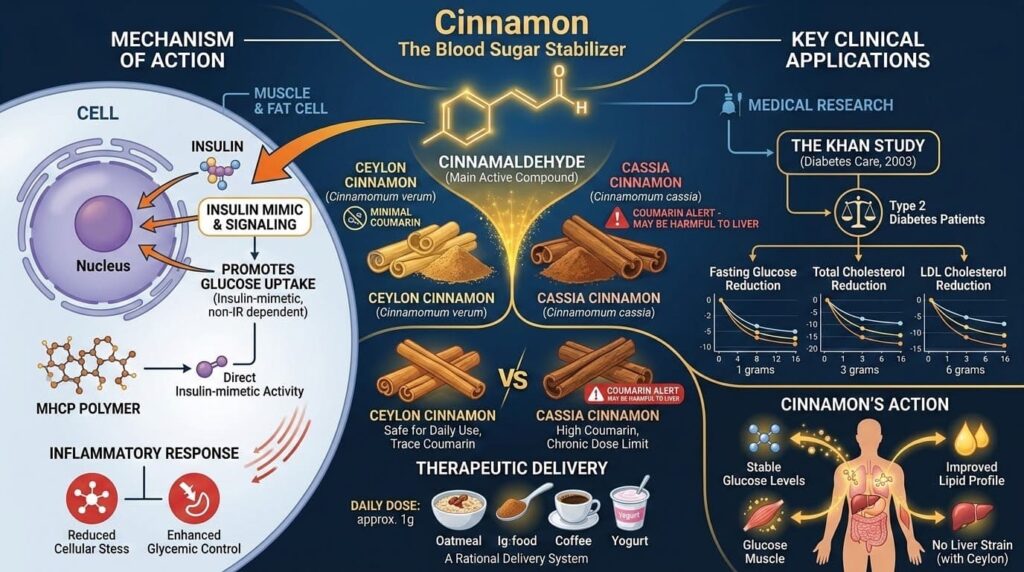
Ceylon cinnamon, Cinnamomum verum, is the true cinnamon and should be distinguished from cassia cinnamon, Cinnamomum cassia, which dominates most grocery store cinnamon products. While both contain therapeutic compounds, cassia cinnamon contains coumarin at concentrations that may be harmful to the liver with chronic high-dose consumption. Ceylon cinnamon contains only trace coumarin and is the form studied most favorably in clinical research.
The primary bioactive, cinnamaldehyde, mimics insulin signaling in muscle and fat cells, promoting glucose uptake through mechanisms that do not require insulin receptor activation. Methylhydroxychalcone polymer (MHCP), another cinnamon compound, has demonstrated direct insulin-mimetic activity in cell culture research.
A 2003 study in Diabetes Care by Khan and colleagues, one of the most cited nutrition studies in diabetes research, found that 1, 3, or 6 grams of cinnamon daily for 40 days produced significant dose-dependent reductions in fasting glucose, total cholesterol, and LDL cholesterol in patients with type 2 diabetes. Multiple subsequent meta-analyses have confirmed these effects across diverse populations.
Half a teaspoon of Ceylon cinnamon in morning oatmeal, yogurt, or coffee provides approximately 1 gram, a therapeutically relevant daily dose according to the research literature.
Saffron: nature’s antidepressant
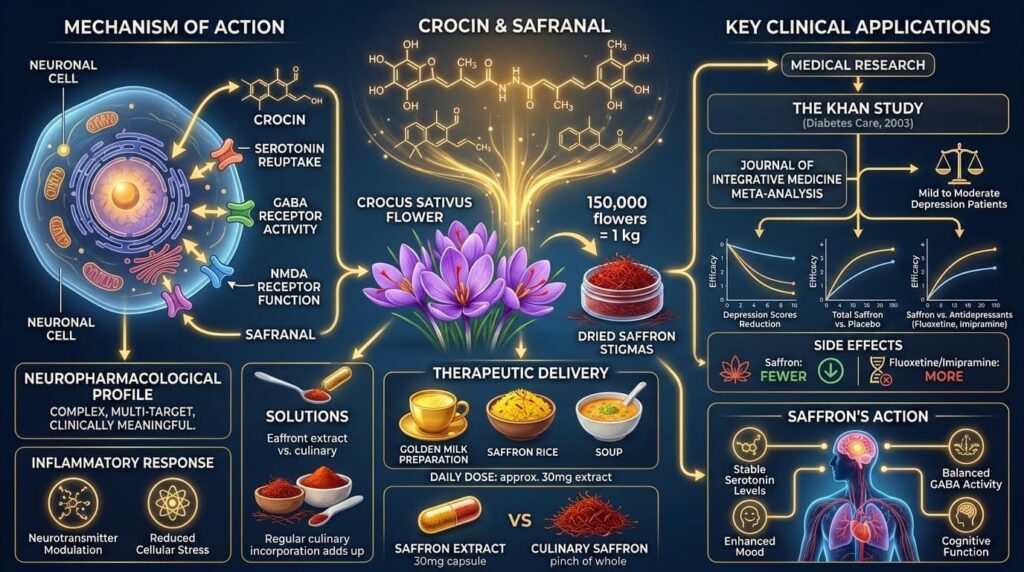
Crocus sativus is the source of saffron and the world’s most expensive spice by weight. Producing just one kilogram of dried stigmas requires approximately 150,000 flowers. Its primary bioactives are crocin and crocetin, carotenoid compounds responsible for saffron’s distinctive golden color. Safranal, a separate volatile compound, gives saffron its characteristic aroma.
These compounds modulate serotonin reuptake, GABA receptor activity, and NMDA receptor function. The neuropharmacological profile is complex, multi-target, and clinically meaningful.
A landmark meta-analysis published in the Journal of Integrative Medicine pooled data from five randomized controlled trials comparing saffron to placebo and to antidepressant medication for mild to moderate depression. Saffron significantly outperformed placebo across all trials and demonstrated equivalent efficacy to fluoxetine (Prozac) and imipramine in direct comparison trials, with meaningfully fewer side effects.
A daily dose of 30 milligrams of saffron extract was used across most of these trials. At culinary use levels, achieving that dose requires a pinch of whole saffron dissolved in warm liquid and added to rice, soups, or golden milk preparations. Regular culinary incorporation can contribute meaningful amounts over time.
Cloves, black pepper, and rosemary
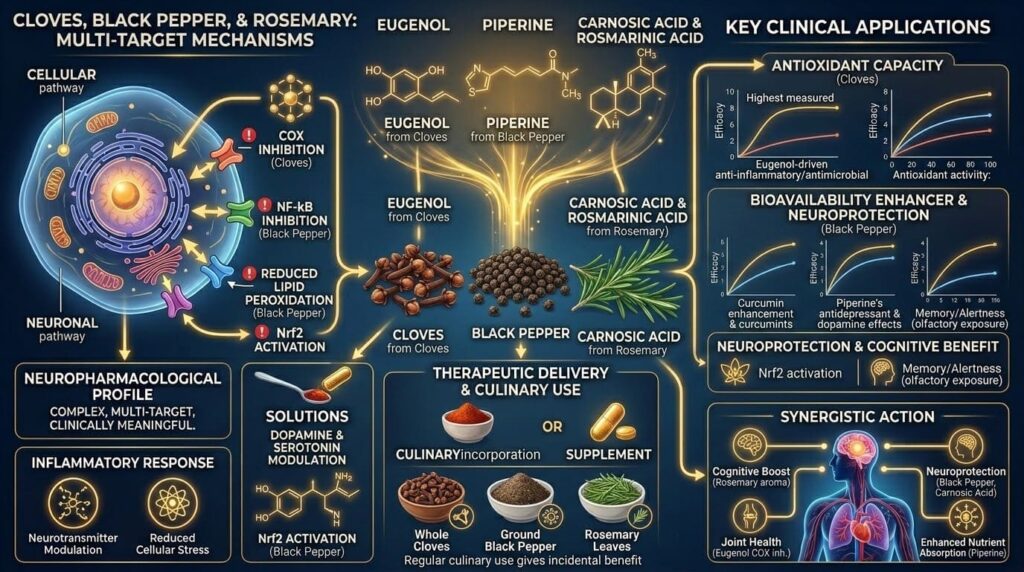
Cloves rank among the highest antioxidant foods ever measured. That capacity comes primarily from eugenol, a phenolic compound with documented anti-inflammatory, analgesic, and antimicrobial properties. Eugenol inhibits both COX enzymes, similar to how common pain relievers work. It also shows selective inhibition of pathogenic bacteria in oral microbiome research..
Black pepper’s piperine, beyond its role as a bioavailability enhancer for curcumin and other polyphenols, carries independent anti-inflammatory and neuroprotective properties. Piperine inhibits NF-kB, reduces lipid peroxidation, and in animal models has demonstrated antidepressant effects through dopamine and serotonin modulation.
Rosemary contains rosmarinic acid and carnosic acid, both with potent antioxidant and anti-inflammatory activity. Carnosic acid in particular has demonstrated neuroprotective effects through Nrf2 pathway activation. The aroma compounds in rosemary, absorbed through olfactory exposure during cooking, have shown improvements in working memory and alertness in human trials, adding an almost incidental cognitive benefit to its regular culinary use.
Building a therapeutic spice kitchen
The evidence for spice-based health benefits is most compelling when consumption is consistent and generous. The populations that historically benefit most from spice-associated health outcomes consume these flavors as cultural culinary staples, not occasional additions.
A practical therapeutic spice routine might look like this: turmeric with black pepper in any savory scramble, soup, or rice dish daily. Ceylon cinnamon in morning coffee, oatmeal, or yogurt. Fresh ginger grated into tea, salad dressings, and marinades throughout the week. Generous use of dried rosemary and oregano in roasted vegetables and proteins. A pinch of saffron dissolved in warm water for rice or soups when budget allows.
These are not medicinal regimens. They are culinary habits that, practiced consistently over years, deliver meaningful biological effects through one of the most enjoyable possible delivery mechanisms: flavor. Many of these spice compounds belong to the broader category of plant polyphenols, where the full science of polyphenol delivery reveals just how deep the therapeutic potential runs.
Which spice in this list surprised you most with the strength of its clinical evidence?