
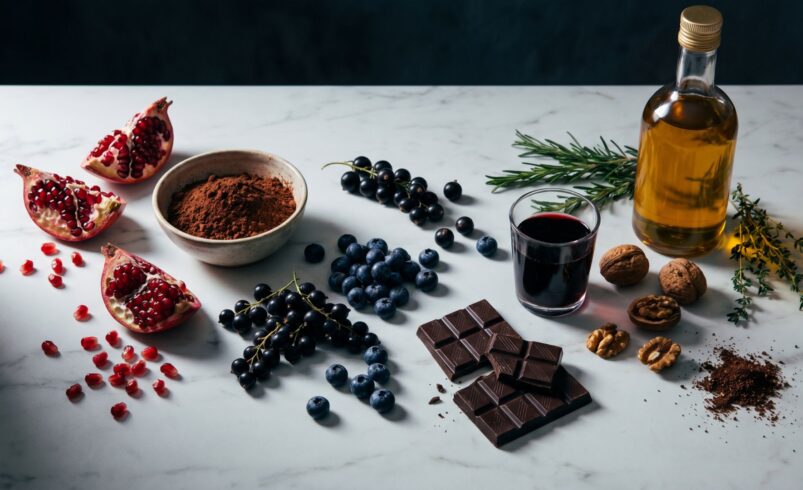

Indeed, Hidden inside the fruits, vegetables, teas, herbs, and whole grains you eat every day are thousands of bioactive molecules. These do far more than provide calories or basic nutrients. Polyphenols are the largest and most studied class of plant bioactive compounds. Research links them to reduced rates of cardiovascular disease, type 2 diabetes, certain cancers, and cognitive decline. Their mechanisms are sophisticated and wide-reaching, touching everything from gene expression to gut microbiome composition. To understand where polyphenols fit within a broader evidence-based strategy for eating to protect your health, this science-backed guide to using food as medicine provides the full picture.
What polyphenols are and where they come from?
Indeed, plants do not simply store nutrients for their own use. Plants are sophisticated chemical factories. They continuously manufacture thousands of secondary metabolites serving as UV protection, antimicrobial agents, and signals to pollinators and seed dispersers. Harvard’s Nutrition Source provides a useful overview of this phytonutrient research. When humans eat these plants, they consume this entire chemical library.
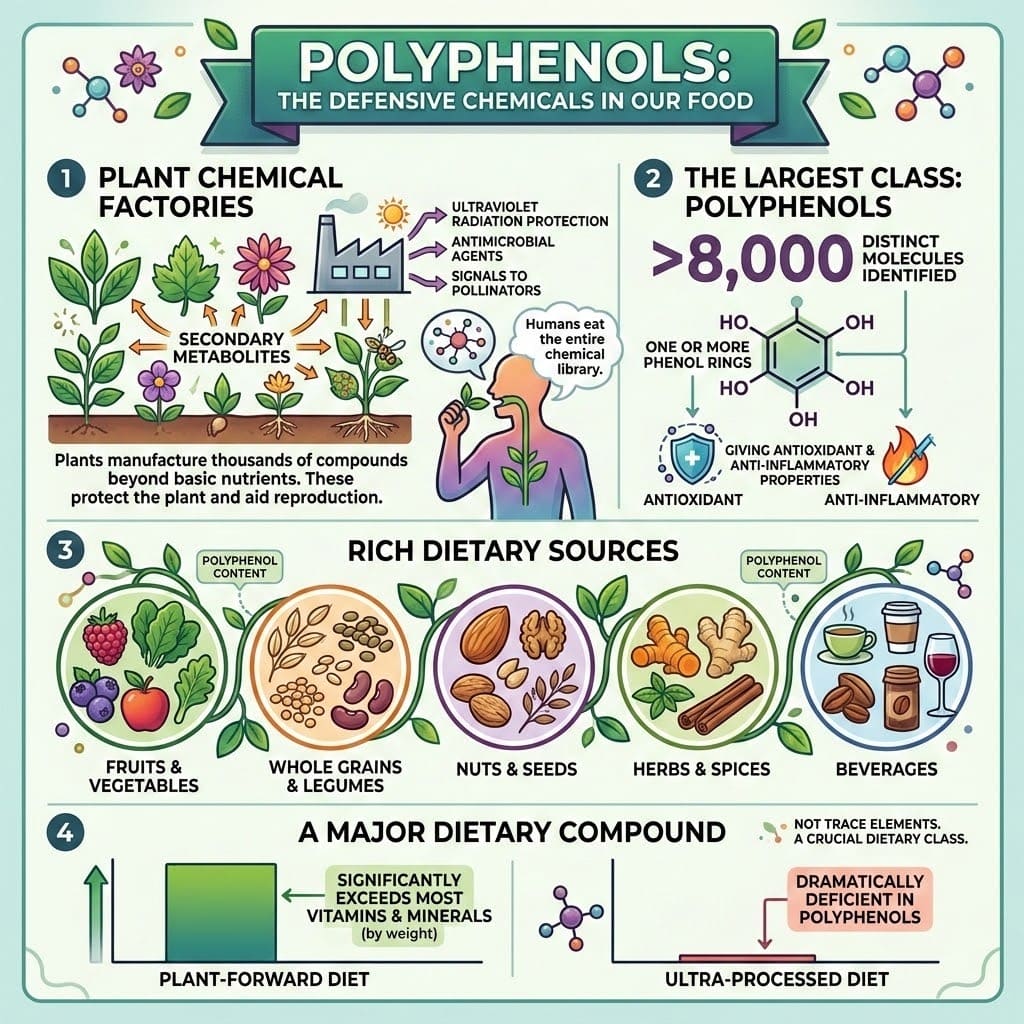
Furthermore, Polyphenols are the largest class of these plant-derived compounds. Researchers have identified more than 8,000 distinct polyphenolic molecules in the human diet. Their chemical structure defines them: one or more phenol rings that give them their antioxidant and anti-inflammatory properties.
Furthermore, polyphenols are found across the plant food spectrum: in fruits, vegetables, whole grains, legumes, nuts, seeds, herbs, spices, tea, coffee, cocoa, and red wine. Their dietary concentrations in populations eating diverse plant-forward diets significantly exceed the concentrations of most vitamins and minerals. They are not trace elements. They are a major class of dietary compound that most people consuming ultra-processed diets are dramatically deficient in.
The four main classes of polyphenols
Flavonoids
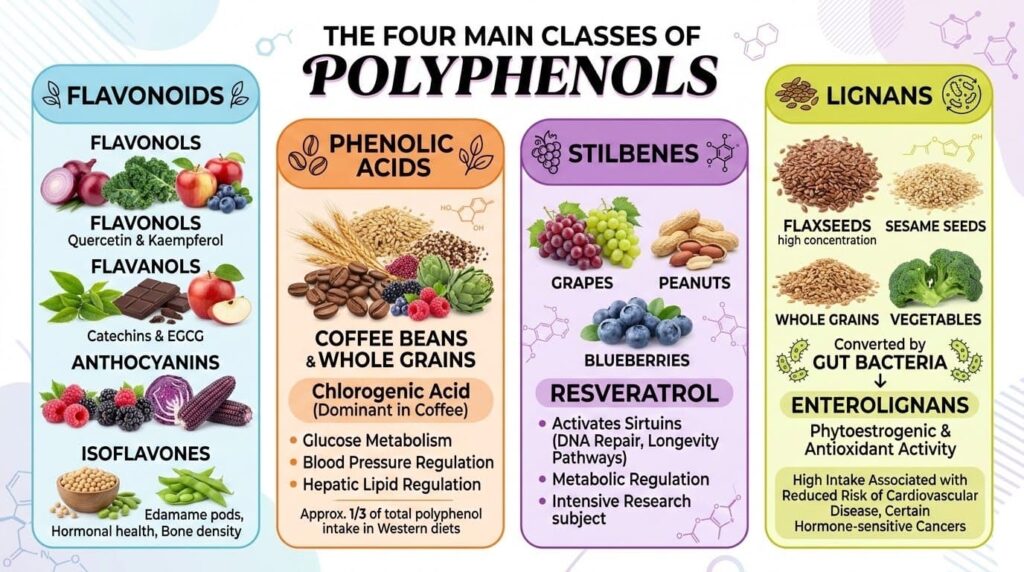
Indeed, flavonoids are the most extensively studied polyphenol subclass and include several major groups. Flavonols, found in onions, kale, apples, and berries, include quercetin and kaempferol. Flavanols, found in green tea, dark chocolate, and apples, include catechins and their concentrated form EGCG. Anthocyanins are responsible for the red, blue, and purple pigments in berries, red cabbage, and purple corn. They rank among the most potent antioxidants in the plant kingdom. Isoflavones are found in soybeans and other legumes. They structurally resemble estrogen, and researchers study them for their role in hormonal health and bone density.
Phenolic Acids
Additionally, phenolic acids are found in high concentrations in coffee, whole grains, berries, and artichokes. They account for approximately one-third of total polyphenol intake in many Western diets, primarily through coffee consumption. Chlorogenic acid, the dominant phenolic acid in coffee, has demonstrated significant effects on glucose metabolism, blood pressure, and hepatic lipid regulation.
Stilbenes
Furthermore, stilbenes are found primarily in grapes, peanuts, and some berries. Resveratrol, the most studied stilbene, gained significant scientific attention for its activation of sirtuins, proteins associated with DNA repair, longevity pathways, and metabolic regulation. While the direct clinical evidence for resveratrol supplements is mixed, its biological mechanisms remain a subject of intensive research.
Lignans
Moreover, lignans are found in flaxseeds at particularly high concentrations, as well as in sesame seeds, whole grains, and certain vegetables. Gut bacteria convert them into enterolignans with phytoestrogenic and antioxidant activity. High dietary lignan intake links to reduced risk of cardiovascular disease and certain hormone-sensitive cancers.
How polyphenols work: the mechanisms
Indeed, the biological effects of polyphenols are not limited to antioxidant scavenging, though that is among their most documented activities. They operate simultaneously through multiple interconnected pathways.
Antioxidant Activity
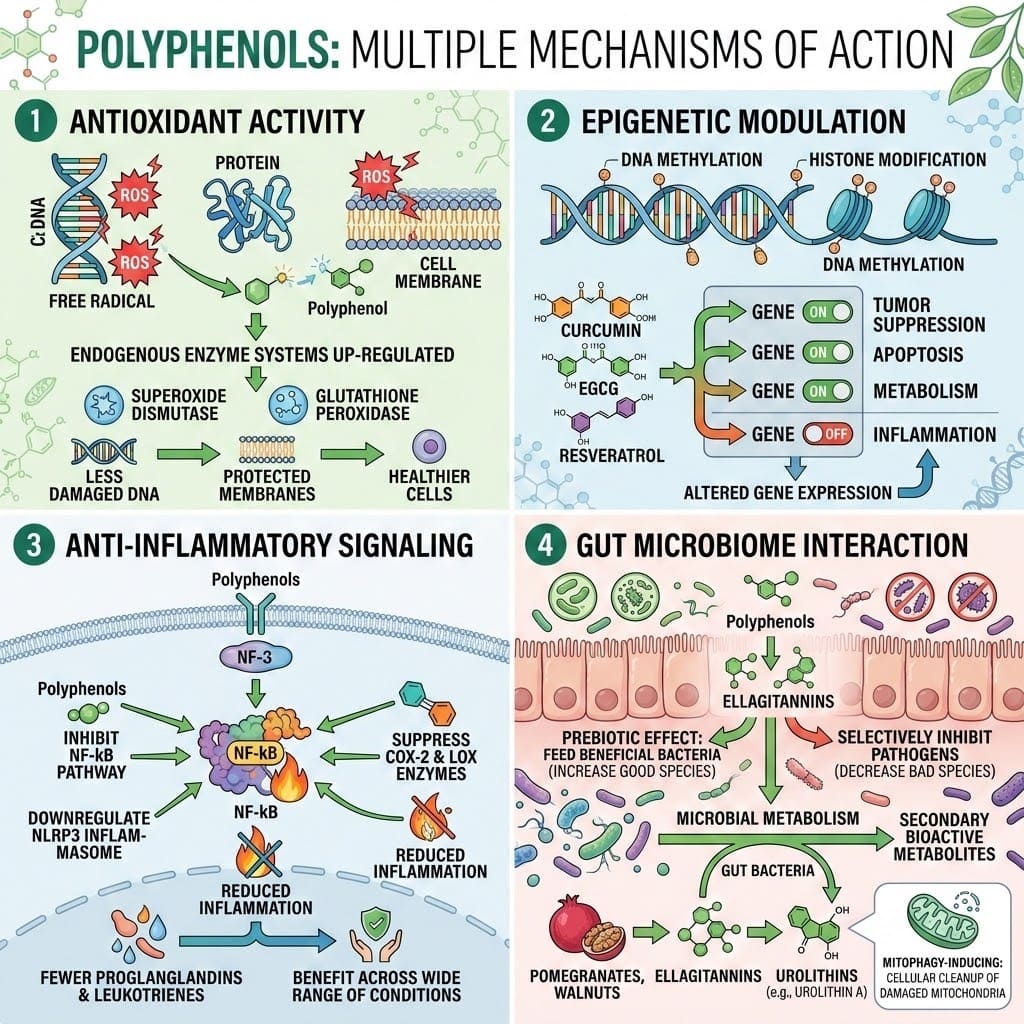
Polyphenols neutralize reactive oxygen species (ROS), the free radicals generated by normal cellular metabolism, inflammation, pollution exposure, and UV radiation. Unchecked oxidative stress damages DNA, proteins, and lipid membranes, driving cellular aging and contributing to cancer initiation, atherosclerosis, and neurodegeneration. Polyphenols donate electrons to neutralize free radicals and also upregulate the body’s own endogenous antioxidant enzyme systems, including superoxide dismutase and glutathione peroxidase.
Epigenetic Modulation
Additionally, This is among the most exciting frontiers in polyphenol research. Polyphenols can influence gene expression without altering DNA sequences, through what researchers call epigenetic mechanisms. Curcumin, EGCG, and resveratrol all modulate DNA methylation patterns and histone modification, effectively switching certain genes on or off. This epigenetic activity extends to genes involved in inflammation, tumor suppression, apoptosis (programmed cancer cell death), and metabolism.
Anti-Inflammatory Signaling
In fact, Polyphenols inhibit the NF-kB inflammatory pathway at multiple points. They suppress COX-2 and LOX enzyme activity, reducing the production of pro-inflammatory prostaglandins and leukotrienes. They downregulate the NLRP3 inflammasome, a molecular complex implicated in the cytokine storms associated with severe inflammatory disease. This multi-target anti-inflammatory action explains why polyphenol-rich diets show benefits across such a wide range of inflammatory conditions.
Gut Microbiome Interaction
Polyphenols function as prebiotics, selectively feeding beneficial bacterial species while inhibiting the growth of pathogenic ones. They simultaneously serve as substrates for microbial metabolism, being converted by gut bacteria into secondary bioactive metabolites that may be even more therapeutically potent than the parent compounds. Urolithins, for example, are metabolites produced when gut bacteria process ellagitannins from pomegranates, walnuts, and raspberries. Urolithin A has demonstrated mitophagy-inducing effects, essentially triggering cellular cleanup of damaged mitochondria, with significant implications for aging and muscle health.
Polyphenols and cardiovascular health
Indeed, the cardiovascular evidence base for dietary polyphenols is among the strongest in nutritional medicine.
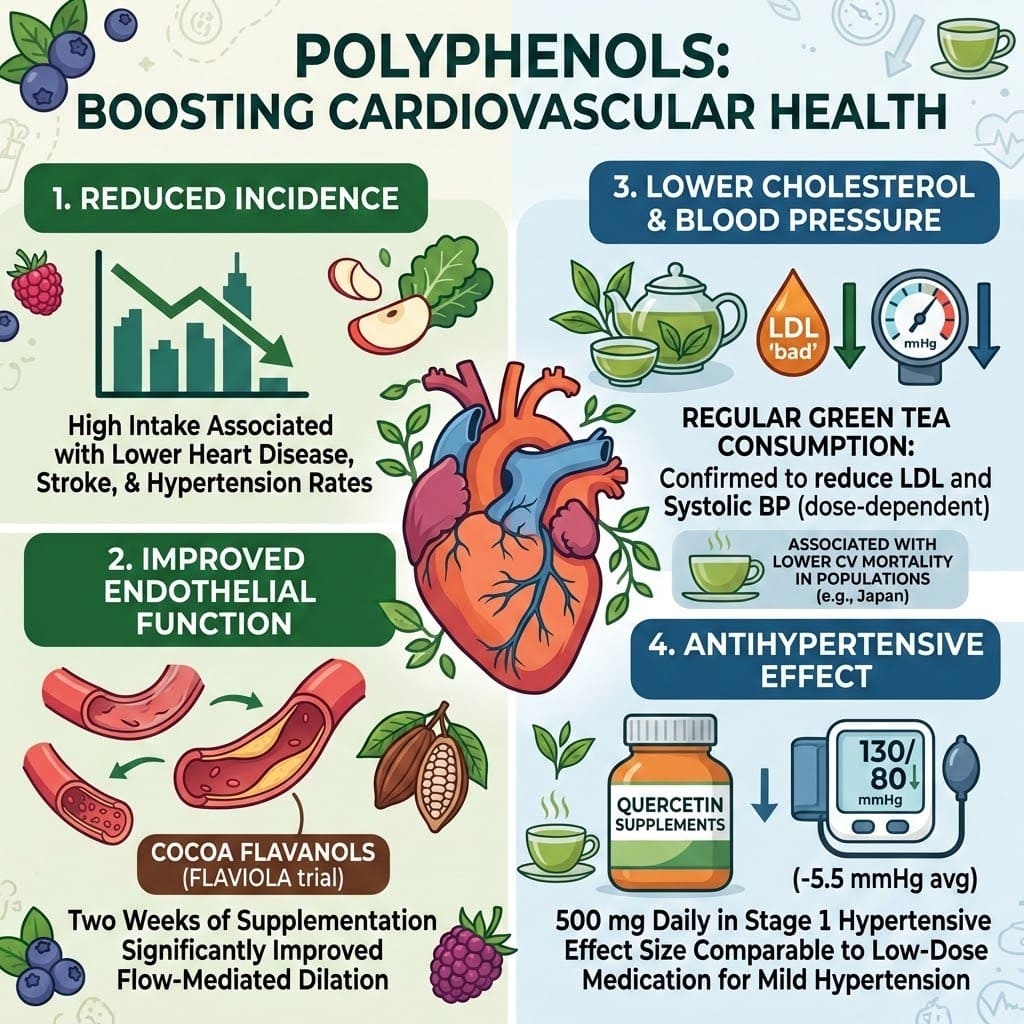
Similarly, High dietary polyphenol intake consistently associates with lower incidence of heart disease, stroke, and hypertension across large population studies. The FLAVIOLA trial, a randomized controlled study, demonstrated that daily cocoa flavanol supplementation for two weeks significantly improved flow-mediated dilation, a direct measure of arterial endothelial function and flexibility, in adults with cardiovascular risk factors.
Moreover, Green tea catechins, consumed regularly in populations with high green tea intake such as Japan, link to significantly lower rates of cardiovascular mortality. Multiple meta-analyses confirm that green tea consumption reduces LDL cholesterol and systolic blood pressure in dose-dependent fashion.
Quercetin supplementation at 500 milligrams per day reduced systolic blood pressure by an average of 5.5 mmHg in a randomized trial involving stage 1 hypertensive patients, an effect size comparable to low-dose antihypertensive medication for mild hypertension.
Polyphenols and cancer prevention
Indeed, the evidence linking polyphenol intake to cancer prevention is robust at the epidemiological level and mechanistically well-supported.
Cruciferous vegetable consumption, which delivers glucosinolates that are converted to polyphenolic isothiocyanates including sulforaphane, links to significantly reduced risk of colorectal, lung, and breast cancers across multiple large cohort studies. Sulforaphane activates Nrf2-mediated antioxidant defenses, induces apoptosis in cancer cell lines, and inhibits histone deacetylases involved in tumor promotion.
Notably, Research links lycopene, the tomato carotenoid, to reduced prostate cancer risk in epidemiological data. EGCG from green tea inhibits cancer cell proliferation and tumor angiogenesis in preclinical models and shows promising results in early-phase clinical trials for certain leukemias and prostate conditions.
The foods with the highest polyphenol content
The most polyphenol-dense foods by measured concentration include cloves, dried oregano and thyme, dried peppermint, cocoa powder, dark chocolate above 70 percent cacao, black elderberries, blackcurrants, blueberries, capers, black olives, hazelnuts, and flaxseed meal, according to data cataloged in the Phenol-Explorer database, the most comprehensive public resource for dietary polyphenol content.
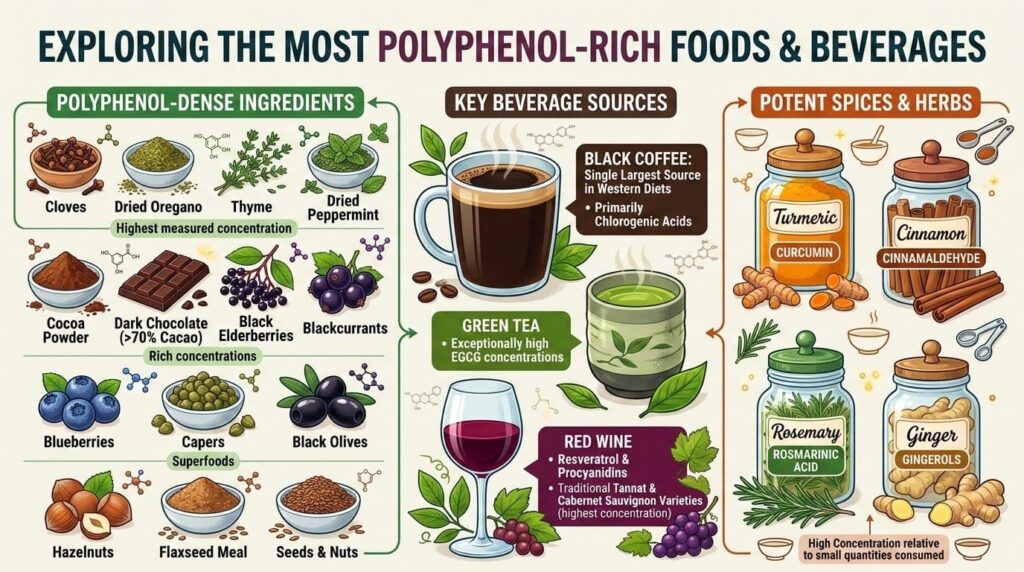
Still, Among beverages, black coffee is the single largest source of polyphenols in most Western diets, primarily through chlorogenic acids. Green tea delivers exceptionally high EGCG concentrations. Red wine contains resveratrol and procyanidins, with the highest concentrations found in traditional tannat and cabernet sauvignon varieties.
Among spices and herbs, turmeric (curcumin), cinnamon (cinnamaldehyde), rosemary (rosmarinic acid), and ginger (gingerols) deliver high polyphenol concentrations relative to the small quantities typically consumed.
Practical strategies for maximizing polyphenol intake
Indeed, eat the skins. The majority of polyphenols in apples, grapes, eggplants, and many other produce items are concentrated in the skin. Peeling removes the most therapeutically valuable portion.
Furthermore, diversify your plant foods weekly. Different colors indicate different polyphenol classes. Rotating through red, orange, yellow, green, blue, and purple produce ensures coverage across multiple polyphenol families.
For example, cook tomatoes. Lycopene bioavailability increases dramatically when tomatoes are cooked with olive oil. This is one of several cases where cooking and fat pairing increase polyphenol absorption rather than reducing it.
Similarly, pair curcumin with black pepper. Piperine in black pepper increases curcumin bioavailability by up to 2,000 percent by inhibiting rapid intestinal metabolism. This pairing is a simple and evidence-supported strategy for maximizing turmeric’s therapeutic potential.
Additionally, drink green or black tea daily. A consistent tea habit is among the most practical, evidence-supported polyphenol delivery strategies available.
Furthermore, choose extra-virgin olive oil over refined oils. Extra-virgin cold-pressed olive oil retains the full phenolic profile lost during refining. The difference in polyphenol content between extra-virgin and refined olive oil is dramatic.
The dietary pattern with the most consistent evidence for high polyphenol delivery is Mediterranean diet adherence.
Given how dramatically polyphenol intake varies between someone eating a diverse plant-forward diet and someone eating primarily processed foods, how would you estimate your current intake compares to the populations studied in the research?