






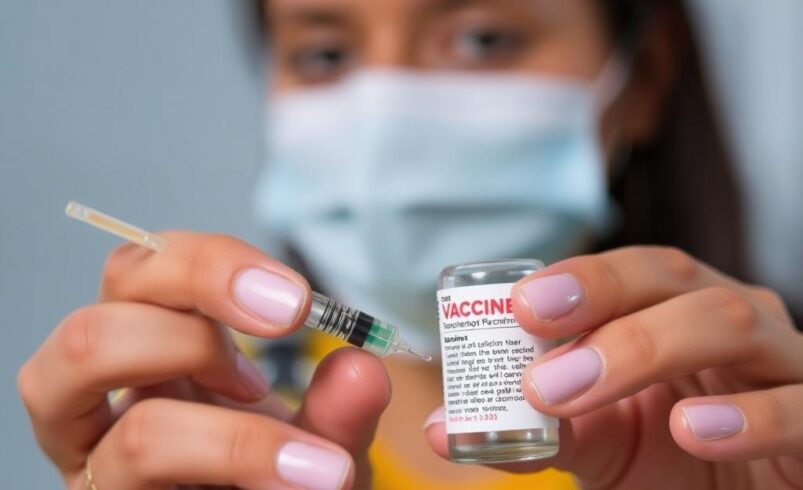

If you or someone you love experienced health problems after a Covid vaccine, you may have felt dismissed or ignored. A new confidential federal report suggests the government is finally ready to take those concerns seriously.
Indeed, a work group advising federal health officials has called for sweeping changes to how the United States monitors and responds to vaccine injuries. The recommendations come at a complicated time, with Health Secretary Robert F. Kennedy Jr. stepping back from vaccine policy discussions despite his long history of vaccine skepticism.
What the report actually says
The federal work group, which advises the CDC’s (Centers for Disease Control and Prevention) Advisory Committee on Immunization Practices, reviewed how the country handles reports of vaccine side effects. Indeed, their conclusion was blunt: the current system needs urgent improvement.
According to reporting from The New York Times, the work group found that people who experienced serious reactions to Covid vaccines often struggled to get proper medical attention, clear answers, or compensation. Furthermore, the report calls for better tracking systems, more research into rare but serious side effects, and improved communication with the public.
This matters because trust in public health depends on honesty about both benefits and risks. As a result, when people feel their concerns are being minimized, they lose faith in the entire system.
The side effects that sparked concern
Most people who received Covid vaccines experienced nothing worse than a sore arm or a day of feeling tired. Indeed, the vaccines prevented millions of hospitalizations and deaths during the pandemic. That remains true.
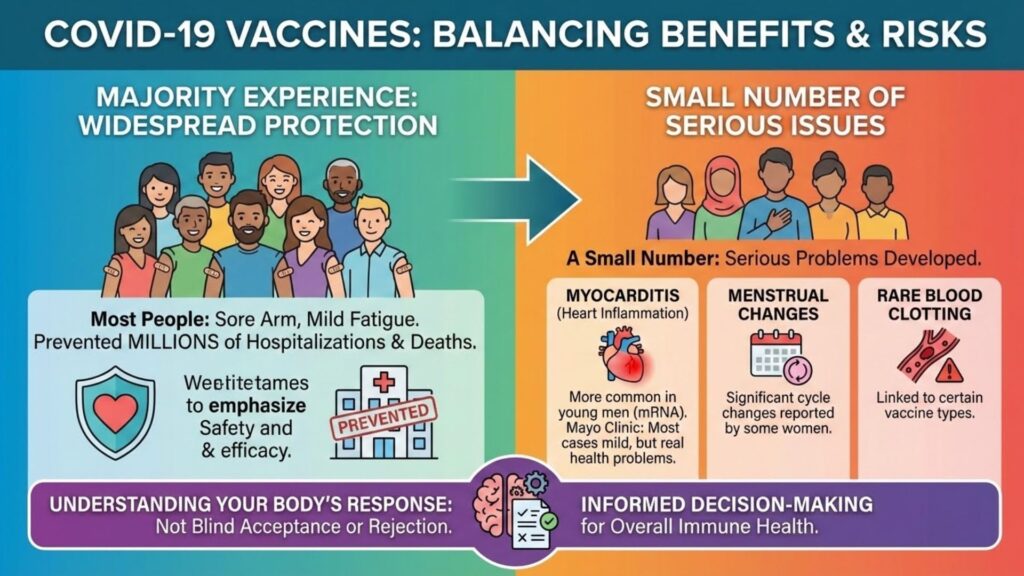
But a small number of people developed serious problems. For example, myocarditis, which is inflammation of the heart muscle, appeared more often than expected in young men after mRNA vaccines. Some women reported significant changes to their menstrual cycles. A rare blood clotting disorder was linked to certain vaccine types.
The Mayo Clinic notes that myocarditis can range from mild to severe, and most vaccine-related cases were mild. Indeed, But for the individuals affected, these were real health problems that deserved real attention.
Indeed, understanding how your body responds to any medical intervention is part of maintaining your overall immune health. The goal should never be blind acceptance or blind rejection of vaccines, but informed decision-making.
Why the current tracking system falls short
The US relies heavily on a system called VAERS, which stands for Vaccine Adverse Event Reporting System. Furthermore, Anyone can submit a report to VAERS, which is both its strength and weakness.
Moreover, On one hand, VAERS can catch early warning signals about potential problems. On the other hand, the reports are not verified and can include events that happened after vaccination but were not caused by it. Sorting real signals from noise requires careful analysis that takes time and resources.
Indeed, the work group found that follow-up on serious reports was often inadequate. People who submitted detailed accounts of health problems sometimes never heard back. Medical records were not always obtained. Patterns that might have revealed important safety information were missed or identified too late.
Indeed, this matters for your health because good surveillance systems protect everyone. When rare problems are caught quickly, doctors can watch for warning signs and intervene early.
Kennedy’s complicated position
Robert F. Kennedy Jr. built his public profile largely on questioning vaccine safety. His appointment as Health Secretary led many to expect aggressive action on vaccine policy. Instead, he appears to be stepping back from the issue.
This shift may reflect political realities. Attacking vaccines directly would put Kennedy at odds with much of the medical establishment and could complicate other health initiatives. But it also means the push for better vaccine safety monitoring may lose its most prominent advocate.
For people who hoped Kennedy would force transparency about vaccine risks, this retreat may feel like a betrayal. Additionally, For those who worried he would undermine vaccination programs entirely, it may come as relief. The truth is that improving vaccine safety monitoring should not be a partisan issue at all.
What changes could actually help
The work group’s recommendations focus on practical improvements rather than dramatic overhauls. They want better systems for following up on serious adverse event reports. They want more research funding dedicated specifically to understanding rare vaccine reactions. They want clearer communication with the public about what is known and unknown.
Indeed, these changes would benefit everyone regardless of their views on vaccines. If you choose vaccination, you want to know that monitoring systems will catch any problems quickly. If you have concerns about vaccination, you want to know that your questions are being taken seriously and investigated honestly.
Similarly, just as understanding gut health helps you make better dietary choices, understanding how vaccine monitoring works helps you make better medical decisions.
The compensation problem
Indeed, one of the most frustrating aspects for people injured by vaccines is the compensation system. The Countermeasures Injury Compensation Program, which handles Covid vaccine claims, has approved very few cases. Most applicants wait years only to be denied.
This stands in contrast to the older National Vaccine Injury Compensation Program, which handles claims for childhood vaccines and has a much better track record of providing support to injured individuals. The work group recommended bringing Covid vaccines under this more established system.
Furthermore, getting proper support after a medical injury matters for recovery. Stress about finances and fighting bureaucracy can worsen health outcomes. A fair compensation system is not anti-vaccine. It is pro-patient.
What this means for your decisions
If you are trying to decide about Covid vaccines or boosters for yourself or your family, this report does not fundamentally change the risk-benefit calculation. For most people, especially older adults and those with certain health conditions, vaccination still provides meaningful protection against severe illness.
But the report does validate taking time to consider your individual circumstances. If you have had unusual reactions to vaccines in the past, discussing your history with a doctor makes sense. If you are a young man, understanding the slightly elevated myocarditis risk with certain vaccines is reasonable.
Making health decisions also means looking at your whole picture. Your nutritional status, underlying health conditions, and personal risk factors all matter. Good health is not about following rules blindly but about gathering information and making choices that fit your life.
The bigger picture for public health
This report arrives at a moment when trust in public health institutions is fragile. The pandemic response included real successes and real failures. Rebuilding trust requires acknowledging both.
The work group’s recommendations represent an opportunity. Better monitoring, honest communication, and fair treatment of injured individuals would strengthen the vaccine program, not weaken it. People are more likely to accept medical recommendations when they believe the system is working in their interest.
Whether these recommendations become reality depends on political will and funding. History suggests that attention will drift to other issues. But for those affected by vaccine injuries, and for everyone who wants a health system that tells the truth, this report offers a roadmap worth following.
Have you or someone you know experienced health issues after a Covid vaccine, and did you feel your concerns were taken seriously?