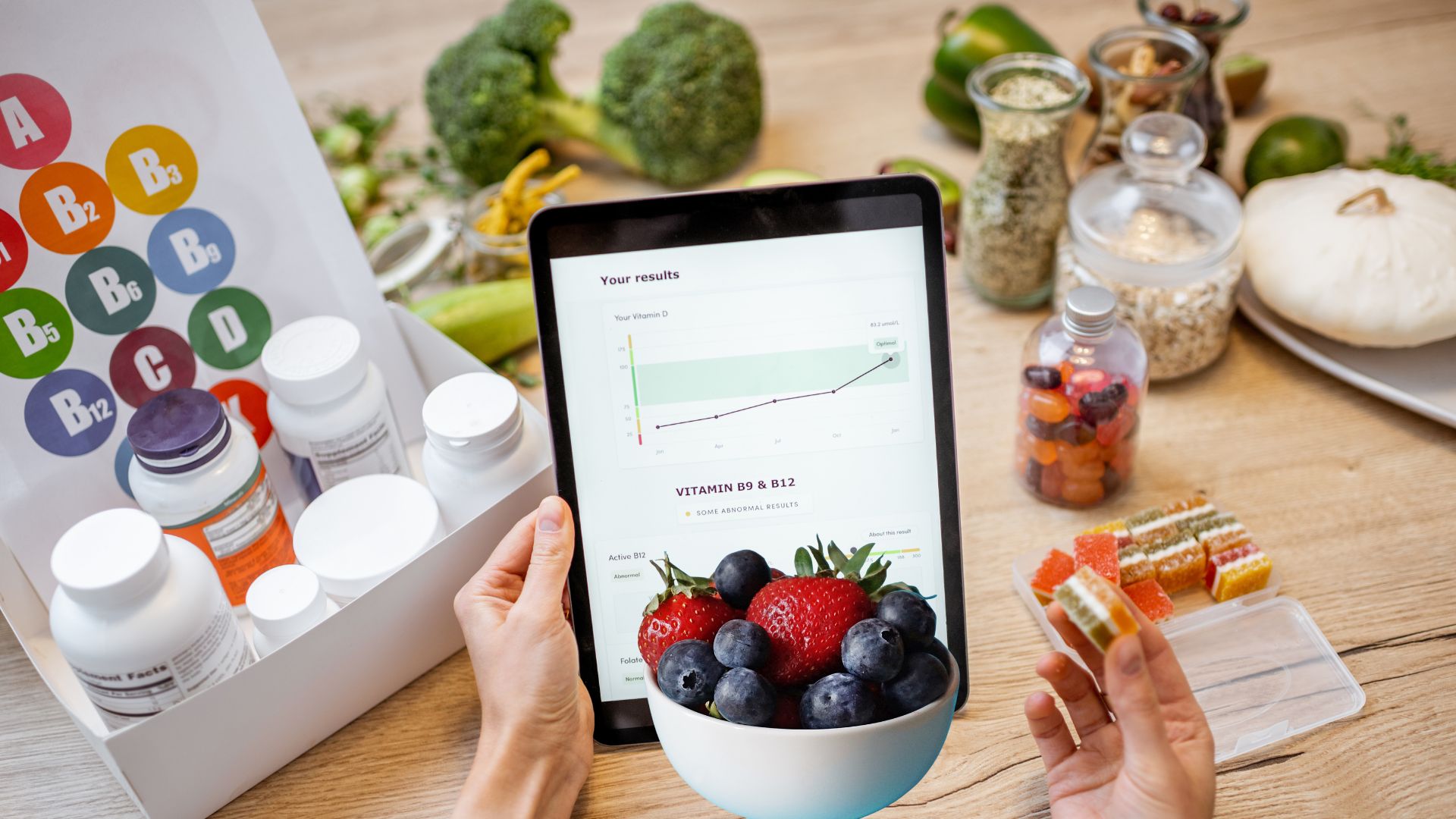









Understanding what is nutrition is the first step toward eating well. Most people want a steady way to eat well without turning meals into math homework. Nutrition is the study of how food supports the body and mind. In fact, energy balance is the simple idea behind weight change: the relationship between energy you eat and energy you burn. When you understand those two ideas, food choices get calmer. If you want the big picture, including label skills, plate building, and lifestyle habits, the complete guide to Nutrition Basics ties everything together.
The shortest useful answer
Indeed, your body runs on energy from food. It spends that energy to keep you alive, digest meals, move, and think. If intake matches what you spend, weight is stable. If intake is a bit lower than spending over time, weight trends down. If it’s higher, weight trends up. That’s the backbone. However, quality still matters, because nutrients do far more than provide calories. They shape hunger, recovery, mood, and long-term health.
What “energy out” really means
Total daily energy expenditure (TDEE) has four parts:
- Resting energy: the cost of keeping lights on, heart, lungs, brain.
- Non-exercise activity: steps, fidgeting, chores, posture shifts.
- Exercise: planned training or sports.
- Thermic effect of food: energy used to digest and absorb meals.
Indeed, most people overestimate exercise calories and underestimate the quiet background of daily movement. A 30-minute run matters, but so do the extra 2,000 steps you take by parking farther away, using stairs, and moving during calls. If you’ve hit a plateau, check this quiet movement before cutting more food.
What “energy in” really means
Calories are a useful yardstick, but they are not the only lever. Two meals with the same calories can feel totally different in your body. A bowl with beans, vegetables, olive oil, and rice is slower to digest and steadier on blood sugar than a pastry with the same calories. As a result, that difference shows up in hunger, focus, and the urge to snack later. Furthermore, in practice, the right foods make “calorie control” happen with less friction.
Nutrient density vs. calorie density
For example, think of each bite on two scales:
- Nutrient density: vitamins, minerals, fiber, protein, healthy fats per bite.
- Calorie density: how many calories per bite.
You want more meals that score high on nutrients and moderate on calories. That mix helps you feel satisfied on reasonable portions. Useful staples include vegetables, fruits, legumes, whole grains, seafood, eggs, yogurt, nuts, seeds, and quality oils. Indeed, no single food is magic. The pattern is what matters.
Macros in plain language
Specifically, carbs, protein, and fat are macronutrients. Still, you need all three.
- Protein supports muscle, skin, hair, nails, enzymes, and immune function. Most adults do better with protein in each meal, spread across the day.
- Carbohydrates are a flexible fuel. Focus on those that bring fiber: oats, beans, lentils, brown rice, quinoa, potatoes with skin, whole fruit.
- Fats carry flavor and support hormones and brain health. Favor olive oil, avocados, nuts, seeds, and fish. Keep saturated fats moderate.
If you want a deeper setup with example ranges and a sample day, the macros satellite pairs well with this page.
A steady plate you can build anywhere
Use a simple plate guide most of the time:
- Half non-starchy vegetables or fruit.
- A quarter protein.
- A quarter smart carbs.
- Add a thumb or drizzle of healthy fat.
Indeed, this works in a home kitchen and at a street stall. It also adapts to cultural favorites. Couscous, tajine, dal, pho, tacos al pastor, keep the pattern and swap ingredients you enjoy and can afford.
How metabolism adapts
Your body adjusts to long stretches of lower intake by getting more efficient. Hunger hormones change. Non-exercise movement may drift down. That’s not “broken.” It’s normal physiology. If progress slows, nudge one or two levers:
- Add a short daily walk to lift your step count.
- Bring protein up and fiber up to support fullness.
- Check liquid calories and grazing.
- Take a maintenance week to reset training energy.
Indeed, small adjustments often beat large cuts.
Picking targets without obsession
You don’t need perfect numbers. You need a process. Two practical options:
- Food-first approach: Build three balanced meals and one or two protein-forward snacks daily. Eat to “comfortable full,” leaving a bit of space. Track steps or active minutes instead of calories.
- Light-tracking approach: Track for 7–10 days to learn your usual intake. If weight is stable at an average of 2,200 kcal, that’s roughly your TDEE. For gentle fat loss, aim for a 300–500 kcal daily gap. For muscle gain, add 200–300 kcal, lift 2–4 times per week, and watch the mirror and strength log. Hold a steady plan for two weeks before judging.
Additionally, whichever you choose, keep protein steady, build fiber into each meal, and let weekends look like weekdays.
Hunger, fullness, and the “second plate”
Indeed, hunger is not the enemy. Constant, sharp hunger is a sign to fix the plan. Use this simple loop:
- Start with a balanced plate.
- Eat slowly. Pause halfway.
- If still hungry, go back for vegetables or protein first.
- If you want dessert, serve a small portion on a plate and enjoy it without apology.
You’ll learn how much food satisfies you today. As a result, that knowledge travels better than any macro calculator.
Common myths to set down
- “Carbs are bad.” Quality and context matter more than the label. Whole-food carbs with fiber are useful tools.
- “Eat every two hours or metabolism shuts down.” Meal timing is flexible. Choose a pattern you can live with and that manages hunger.
- “Starvation mode stops fat loss.” Significant adaptation happens, but energy balance still governs long-term trends. If loss stalls, your real intake or movement changed, or water shifts are masking progress.
- “Detox diets remove toxins.” Your liver and kidneys already do that. Focus on plants, protein, fluids, and sleep.
Culture, budget, and access
Indeed, good nutrition is not a single cuisine or a premium grocery cart. Use what you have. Frozen vegetables and canned beans are fine. Bulk grains save money. Spice blends make simple meals interesting. If time is tight, batch-cook once and build two or three meals from the same base. Indeed, leftovers are a strategy, not a failure.
A one-week experiment
Try this for seven days:
- Two liters of fluids daily, more if active.
- Protein in each meal.
- At least five servings of vegetables and fruit.
- 8,000–10,000 steps on most days or 30 minutes of purposeful movement.
- One treat you actually want, eaten with attention.
Therefore, notice hunger, sleep, and mood. Then keep what helped.
If you want weight change
- Gentle loss: keep the deficit small. Big cuts backfire. Make swaps that save calories without shrinking satisfaction, more produce, leaner proteins, fewer liquid calories, more steps.
- Muscle gain: eat a bit more than maintenance, lift regularly, and sleep enough. Progress is slow and that’s fine. Watch strength and photos, not the scale alone.
When to check with a clinician
If you have a medical condition, are pregnant or breastfeeding, or take medications that affect appetite or blood sugar, get guidance from a healthcare professional. A few minutes of tailored advice can save months of guesswork.
The takeaways
In short, energy balance explains weight trends, but food quality steers how you feel, recover, and perform. Focus on balanced plates, steady movement, and habits you can repeat on busy days. Keep protein and fiber up, keep extremes down, and let culture and budget shape the menu.
Finally, for your next step, build label skills that cut through marketing noise. The quick guide to reading nutrition labels shows a fast scan for serving size, added sugars, sodium, fiber, and ingredients so shopping gets easier and meals get smarter.