




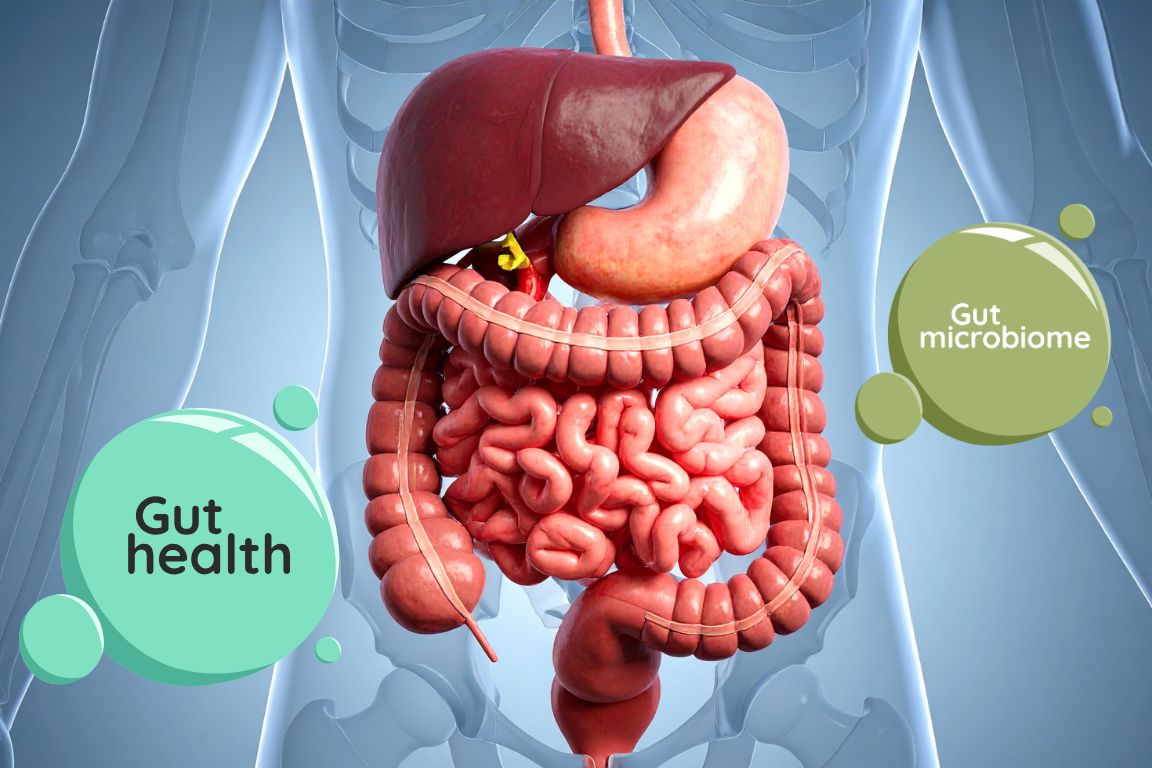

Indeed, your gut health determines far more than whether you can enjoy that spicy meal without consequences. The trillions of microbes living in your digestive system influence everything from your morning mood to your risk of developing chronic diseases decades from now. They manufacture vitamins your body cannot produce, train your immune system to recognize threats, and even produce the majority of neurotransmitters that regulate your emotional state.
Yet most of us unknowingly wage war against these microscopic allies every single day. Through antibiotics, processed foods, chronic stress, and obsessive hygiene, we’ve decimated the bacterial populations our ancestors carried for millennia. The average American gut now resembles a barren wasteland compared to indigenous populations who still maintain the rich microbial diversity humans evolved with.
The consequences reach far beyond occasional bloating or irregular bowel movements. Poor gut health correlates with depression, anxiety, obesity, autoimmune diseases, accelerated aging, and even certain cancers. Scientists now recognize the gut as our second brain, containing more neurons than your spinal cord and producing more serotonin than your actual brain. When this system falls out of balance, your entire body suffers.
The good news is that your gut microbiome responds remarkably quickly to positive changes. For example, within days of implementing the right strategies, beneficial bacteria begin recovering. Within weeks, many people experience transformations in energy, mood, and overall vitality that years of conventional treatments couldn’t achieve. This guide will show you exactly how to rebuild your internal ecosystem for optimal physical and mental health.
Understanding the gut-brain connection
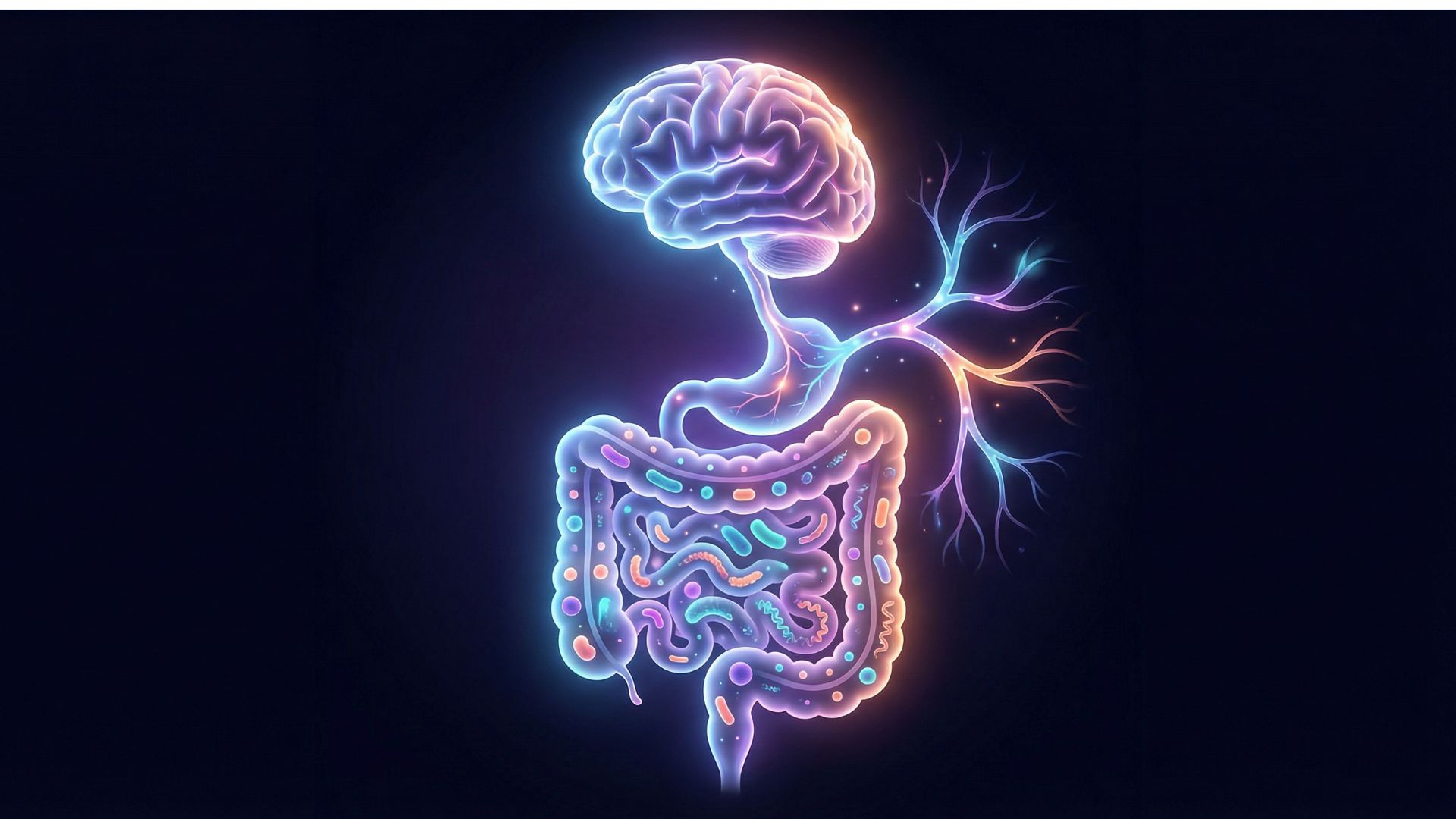
The discovery that your gut produces 90% of your body’s serotonin revolutionized how we think about mental health. Indeed, depression and anxiety, traditionally viewed as brain disorders, often originate in the gut through mechanisms we’re only beginning to understand. The intricate relationship between gut microbes and mental health explains why so many people find relief from psychological symptoms by addressing digestive issues.
Your vagus nerve serves as the primary communication highway between your gut and brain, carrying signals in both directions. Furthermore, when beneficial bacteria break down dietary fiber, they produce compounds like butyric acid that directly influence brain function. These bacterial metabolites can cross the blood-brain barrier, affecting everything from your stress response to your ability to form new memories. Understanding how your gut microbiome controls your mental health opens entirely new avenues for treating mood disorders naturally.
The gut microbiome doesn’t just produce serotonin; it manufactures dopamine, GABA, and dozens of other neurotransmitters that pharmaceutical companies spend billions trying to replicate. Indeed, these bacterial-produced chemicals regulate motivation, pleasure, relaxation, and focus. When your gut bacteria become imbalanced, neurotransmitter production drops, leading to the mood changes, brain fog, and cognitive decline that millions accept as normal aging.
Stress creates a vicious cycle through the gut-brain axis. Similarly, chronic worry and anxiety alter your gut environment, favoring the growth of pathogenic bacteria over beneficial species. These harmful bacteria produce inflammatory compounds that travel to your brain, perpetuating anxiety and depression. Breaking this cycle requires addressing both ends simultaneously, calming your mind while rebuilding your gut ecosystem.
Indeed, the implications extend beyond mood disorders. Researchers now link gut dysbiosis to ADHD, autism spectrum disorders, Parkinson’s disease, and Alzheimer’s. The bacteria in your intestines influence how your brain develops in childhood and how it degenerates in old age. Some scientists believe that protecting gut health throughout life could prevent or delay numerous neurological conditions previously considered inevitable.
Small intestinal bacterial overgrowth, or SIBO, exemplifies how gut imbalances affect mental health. Furthermore, When bacteria migrate from your colon into your small intestine, they compete for nutrients your brain needs. They produce toxins that trigger inflammation and interfere with the absorption of mood-regulating vitamins like B12 and folate. Many people suffering from treatment-resistant depression find relief only after addressing underlying SIBO.
In fact, the Western diet delivers a double blow to the gut-brain axis. Processed foods lack the fiber that beneficial bacteria need to produce mood-supporting compounds. Meanwhile, sugar and refined carbohydrates feed pathogenic bacteria that produce anxiety-inducing metabolites. Simply switching to whole foods often improves both digestive and mental health within weeks.
The missing microbe that could transform your health
Among the thousands of bacterial species that once inhabited human guts, one stands out for its near-complete disappearance from modern microbiomes. Furthermore, Lactobacillus reuteri, present in 96% of people just 60 years ago, has virtually vanished from Western populations. This isn’t just another probiotic statistic; it represents a fundamental shift in human biology with profound consequences for how we age, how we feel, and how we connect with others.
Indeed, the story of L. reuteri reads like a medical detective novel. MIT researchers studying this bacterium in mice witnessed something extraordinary. Old mice given L. reuteri literally became young again. Their fur grew thick and lustrous, muscle mass increased, wounds healed twice as fast, and their mating behavior returned. When researchers dug deeper, they discovered that L. reuteri triggers oxytocin production, the hormone responsible for social bonding, stress reduction, and numerous anti-aging effects.
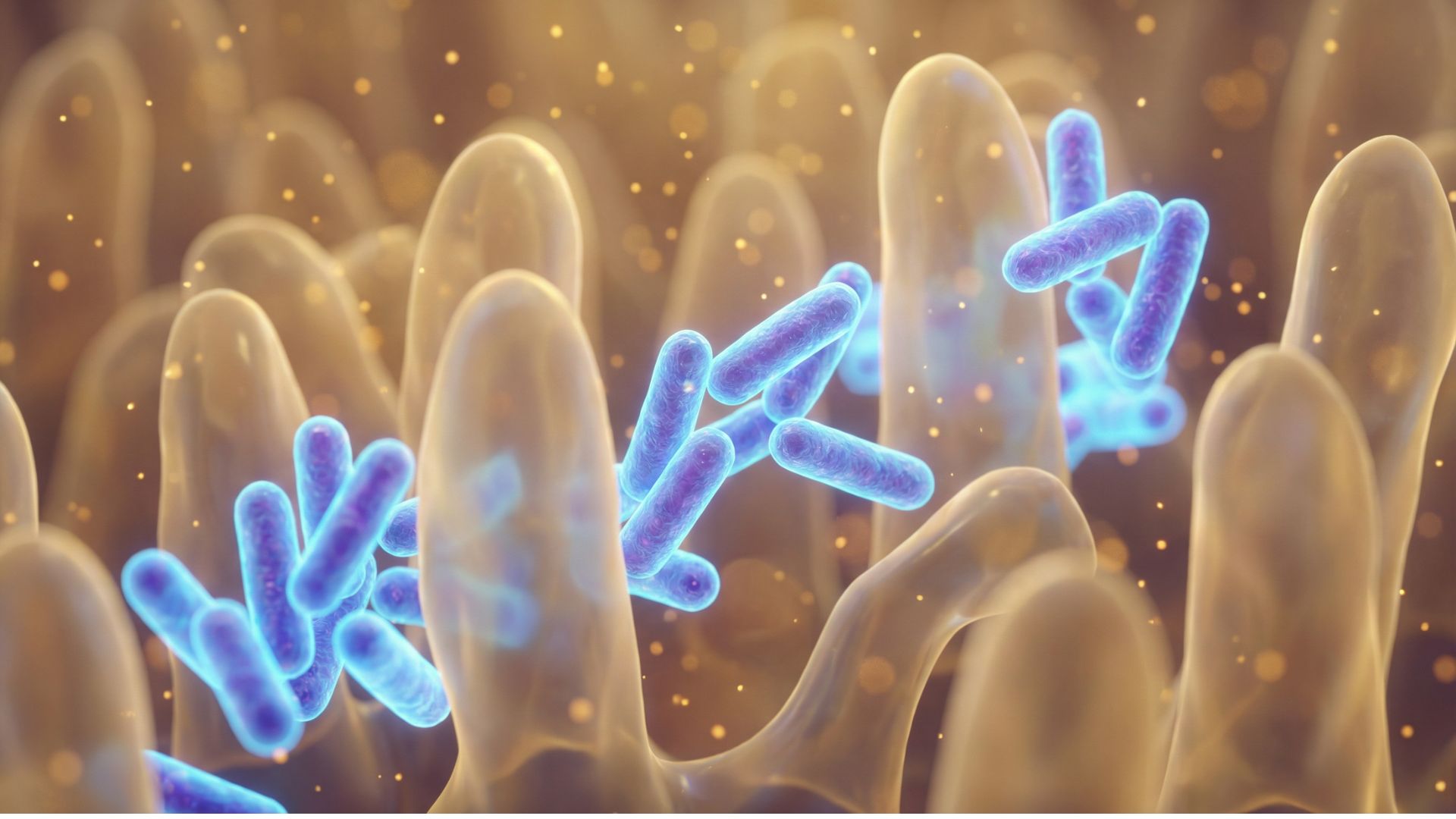
Indeed, what makes L. reuteri unique among probiotics is its ability to colonize your entire digestive tract, not just your colon. It produces natural antibiotics called bacteriocins that selectively eliminate pathogenic bacteria while leaving beneficial species untouched. This targeted antimicrobial action makes it particularly effective against small intestinal bacterial overgrowth, a condition affecting up to half the population. The remarkable lactobacillus reuteri benefits extend far beyond digestive health, influencing everything from testosterone levels to skin thickness.
Furthermore, every course of antibiotics you’ve taken delivered a potentially permanent blow to your L. reuteri population. Even a single round of amoxicillin from decades ago likely wiped out your entire colony. Unlike other beneficial bacteria that might naturally recolonize over time, L. reuteri struggles to reestablish itself without deliberate intervention. Modern life compounds the problem through processed foods, chronic stress, and exposure to agricultural chemicals like glyphosate that preferentially kill this sensitive bacterium.
Furthermore, the physical changes people experience after successfully recolonizing with L. reuteri border on unbelievable. Men over 50 report testosterone increases of 50%, while women experience improved hormonal balance and restored vaginal health. Both sexes report deeper sleep, accelerated wound healing, and dramatic improvements in skin quality. Perhaps most intriguingly, many people lose inches from their waist while maintaining or gaining total body weight, suggesting a fundamental shift in body composition from fat to muscle.
Dr. Furthermore, William Davis, author of “Super Gut,” pioneered a method for growing therapeutic quantities of L. reuteri at home using extended fermentation. Commercial yogurts ferment for 4-12 hours; his protocol requires 36 hours at human body temperature. This extended process produces 300 billion colony-forming units per serving, roughly 1,000 times more than commercial probiotics. People consuming this concentrated L. reuteri yogurt report improvements in mood, sleep, and physical appearance that conventional probiotics never delivered.
Furthermore, the oxytocin boost from L. reuteri restoration has social implications beyond individual health. Oxytocin increases empathy, generosity, and social bonding while reducing narcissistic behaviors. Some researchers believe that the widespread loss of L. reuteri contributes to rising rates of social isolation, depression, and interpersonal conflict. Restoring this single bacterial species might help address not just personal health issues but broader social problems.
The evidence keeps mounting that L. reuteri isn’t just another beneficial bacterium but a keystone species in the human microbiome. Wild animals still carry it. Indigenous populations untouched by antibiotics still have it. Our ancestors all had it. Its absence from modern guts represents an unintentional experiment in living without a bacteria that mammalian biology expects and depends upon. Fortunately, with the right approach, you can reclaim this missing piece of your microbial heritage.
Maximizing probiotic effectiveness through strategic timing
Taking probiotics at random times throughout the day wastes money and potentially causes unnecessary digestive distress. Your stomach acid, designed to annihilate pathogens, doesn’t discriminate between harmful and beneficial bacteria. The pH in a healthy stomach can drop as low as 1.0, creating an environment hostile to most living organisms. Yet with proper timing and technique, you can dramatically improve the survival rate of beneficial bacteria making their journey to your intestines.
Indeed, your stomach’s acidity fluctuates predictably throughout the day, creating windows of opportunity for probiotic supplementation. Upon waking, stomach pH hovers around 4, relatively mild compared to post-meal acid production. After eating, especially protein-rich meals, your stomach becomes an acid bath that few bacteria survive. This natural rhythm means that the best time to take probiotics isn’t when it’s most convenient but when conditions favor bacterial survival.
Specifically, the optimal window for probiotic consumption comes 30 minutes after finishing a meal. Food acts as a buffer, temporarily raising stomach pH while providing a protective matrix that shields bacteria during transit. The meal creates a food bolus that encapsulates the probiotics, reducing their direct exposure to stomach acid. Even a small snack provides enough buffering action to significantly improve bacterial survival rates compared to taking probiotics on an empty stomach.
Fat content in your meal makes a surprising difference in probiotic survival. Furthermore, Traditional fermented foods like full-fat yogurt and aged cheeses naturally protected their bacterial cargo with lipids. When you take probiotics with foods containing healthy fats like avocado, nuts, or olive oil, you create a protective coating around the bacteria. This lipid shield resists stomach acid, buying precious time for bacteria to reach the relative safety of your small intestine.
The speed of transit through your stomach matters more than most people realize. Furthermore, Taking probiotics with a full glass of water dilutes stomach acid while accelerating movement through the gastric environment. The faster probiotics move through your stomach, the less time they spend exposed to harsh conditions. Room temperature or cool water works best; hot beverages can kill beneficial bacteria before they even reach your stomach.
Different probiotic formulations require different strategies. Furthermore, Spore-forming probiotics like Bacillus species come naturally armored against stomach acid, making timing less critical. Enteric-coated capsules resist stomach acid by design, only dissolving in the alkaline environment of your small intestine. Fermented foods contain bacteria already adapted to acidic conditions, showing remarkable resilience when consumed as part of a meal.
Common timing mistakes sabotage probiotic effectiveness daily. Furthermore, Taking probiotics with morning coffee exposes them to heat and acid simultaneously. Consuming them alongside apple cider vinegar or lemon water creates an impossibly acidic environment. Swallowing probiotics before bed on an empty stomach leaves them vulnerable to overnight acid production. These errors don’t just waste supplements; dead bacteria can trigger bloating, gas, and nausea that people mistakenly attribute to probiotic intolerance.
Age significantly impacts optimal probiotic timing. Furthermore, Young adults with robust stomach acid need careful timing and protective strategies. Older adults with weakened stomach acid might successfully take probiotics with greater flexibility, though this reduced acidity comes with its own problems, allowing pathogenic bacteria easier passage into the intestines. Understanding your individual digestive patterns helps optimize probiotic timing for your specific physiology.
Building microbiome diversity for optimal health
The difference between a healthy gut and a diseased one often comes down to a single metric: diversity. Your microbiome should resemble a rainforest teeming with different species, each performing specialized functions that keep your body running optimally. Instead, the average Western gut looks more like a monoculture farm, dominated by a few species while missing hundreds that our ancestors carried. This biological impoverishment underlies countless modern health problems, from obesity to autoimmune diseases.
Microbiome diversity predicts health outcomes better than almost any other biomarker. Furthermore, People with high bacterial diversity rarely develop inflammatory bowel disease, type 2 diabetes, or obesity. They recover faster from infections, respond better to cancer treatments, and maintain cognitive function longer as they age. Conversely, low diversity correlates with virtually every chronic disease plaguing modern society. The question isn’t whether you need diversity but how quickly you can rebuild it.
Every course of antibiotics triggers a mass extinction in your gut. Furthermore, Some bacterial species never recover from a single course of amoxicillin taken decades ago. Children who receive multiple antibiotics before age two show permanently reduced diversity that affects their health throughout life. But antibiotics represent just one assault on your microbial ecosystem. Processed foods, artificial sweeteners, chronic stress, and excessive hygiene all contribute to the ongoing collapse of gut diversity in developed nations.
The most powerful intervention for increasing diversity costs nothing and requires no supplements: eat more types of plants. Indeed, Each plant species feeds different bacterial populations through unique combinations of fiber, polyphenols, and resistant starches. Indigenous populations consuming 100-150 different plant species annually maintain diversity that makes Western microbiomes look pathetic by comparison. You don’t need to match those numbers, but moving beyond the same 15 foods most people rotate through can transform your gut ecology within weeks.
Start your diversity journey at the farmers market or ethnic grocery store. Furthermore, That strange purple vegetable you’ve never tried feeds bacterial species that your usual broccoli cannot support. Bitter greens you’ve always avoided might be exactly what struggling bacterial populations need to flourish. Rotate your salad greens weekly, experiment with ancient grains, try fermented vegetables from different cultures. Learning how to increase microbiome diversity through dietary variety provides benefits no single supplement could match.
Exercise acts as a diversity catalyst through mechanisms we’re only beginning to understand. Additionally, Athletes consistently show greater microbiome diversity than sedentary individuals, but you don’t need to train like an Olympian to benefit. Even moderate exercise increases bacterial diversity by improving gut motility, reducing inflammation, and creating metabolic conditions that favor varied bacterial populations. Different types of exercise promote different bacteria, so mixing cardio, strength training, and flexibility work maximizes diversity gains.
Fermented foods deliver diversity in a jar, with each type offering unique bacterial communities. Moreover, A single batch of homemade sauerkraut can contain over 80 different species, compared to the 5-10 strains in most probiotic supplements. Kefir provides bacteria and yeasts absent from yogurt. Kimchi offers different strains than sauerkraut despite similar fermentation. Rotating different fermented foods throughout your week continuously introduces new bacterial populations that commercial probiotics cannot match.
Intermittent fasting reshapes your microbiome in ways that constant eating never allows. In fact, During fasting periods, certain bacterial populations bloom while others recede, creating cyclical diversity patterns that mirror our evolutionary eating patterns. The 16:8 protocol seems particularly effective, with the extended overnight fast allowing bacterial populations to reset and reorganize. This metabolic switching prevents any single bacterial group from dominating while encouraging resilience and adaptability.
Sleep quality directly impacts microbiome diversity, with even two nights of poor sleep significantly reducing bacterial variety. Similarly, Your gut bacteria follow circadian rhythms, and disrupted sleep throws their timing into chaos. Shift workers show chronically reduced diversity compared to those with regular sleep schedules. Prioritizing 7-9 hours of consistent sleep nightly helps maintain the bacterial rhythms essential for diversity.
Conclusion
Your gut health represents one of the most powerful yet underutilized tools for transforming your physical and mental wellbeing. The trillions of microbes living within you aren’t passive passengers but active participants in every aspect of your health, from the neurotransmitters flooding your brain to the hormones regulating your metabolism. By understanding and optimizing this internal ecosystem, you gain access to improvements in mood, energy, and longevity that no pharmaceutical can match.
The four pillars of gut health optimization work synergistically. Still, The gut-brain connection explains why digestive health directly impacts your emotional state and cognitive function. Restoring missing microbes like L. reuteri addresses specific deficiencies caused by modern life. Strategic probiotic timing ensures that beneficial bacteria actually reach their destination alive. Building microbiome diversity creates resilience against disease and degeneration. Together, these strategies rebuild the thriving internal ecosystem your body expects and requires.
The beauty of gut health optimization lies in how quickly your microbiome responds to positive changes. Therefore, Unlike genetic factors you cannot control or structural damage that takes months to heal, your gut bacteria begin shifting within hours of dietary changes. Within days of implementing these strategies, beneficial populations start recovering. Within weeks, many people experience transformations in energy, mood, and digestive comfort that years of conventional treatments never achieved.
Start with whichever intervention feels most manageable for your current lifestyle. Indeed, If you’re constantly stressed and anxious, focus on the gut-brain connection through fermented foods and stress management. If you’re dealing with unexplained weight gain and poor sleep, exploring lactobacillus reuteri benefits might provide the breakthrough you need. If you’re already taking probiotics without results, adjusting your timing could unlock their potential. If you’re ready for comprehensive change, increasing microbiome diversity through dietary variety offers the broadest benefits.
Remember that your gut microbiome evolved alongside humans for millions of years. Furthermore, The problems we face today stem not from inherent flaws in our biology but from the mismatch between modern life and what our bodies expect. Every step you take toward rebuilding your gut health moves you closer to the vitality and resilience your ancestors took for granted. The journey back to optimal health starts in your gut.
Indeed, What digestive symptom or health concern will motivate you to prioritize your gut health starting today?