



The salad sits untouched while you demolish the steak, and by the time you remember those vegetables, you’re too full to care. This mealtime mistake, repeated millions of times daily, explains why so many people struggle with intermittent fasting despite perfect timing adherence. What you eat during your feeding window determines whether you’ll cruise through tomorrow’s fast or spend it white-knuckling through hunger pangs.
The nutrient density principle
When you compress your eating into a limited window, every bite needs to count. The days of filling up on empty calories ended when you embraced intermittent fasting. Your body requires the same essential nutrients whether you eat six meals or one, making nutrient density the cornerstone of successful fasting meal plans.
Think of your eating window as prime real estate where only the highest quality tenants deserve space. Processed foods, refined sugars, and industrial seed oils are the troublemakers you want to evict immediately. These foods spike insulin aggressively, trigger inflammation, and leave you metabolically hungover during your next fasting period.
Quality proteins like grass-fed beef, wild-caught fish, and pasture-raised eggs provide essential amino acids while triggering minimal insulin response. These proteins also supply crucial nutrients often missing in modern diets, including B vitamins, iron, and omega-3 fatty acids that support cognitive function during fasting periods.
The strategic meal sequence
The order in which you eat foods within a meal significantly impacts blood sugar response, satiety, and next-day hunger levels. Starting meals with vegetables or salad creates a fiber barrier that slows glucose absorption from subsequent foods. This simple sequencing trick can reduce blood sugar spikes by up to 30 percent.
After your vegetable starter, move to proteins and fats before touching any carbohydrates. This progression naturally limits carbohydrate intake while ensuring you get essential nutrients first. Many people find they lose interest in starches after eating adequate protein and vegetables, naturally reducing their carbohydrate load without feeling deprived.
Ending meals with a small portion of healthy fats works like metabolic magic. A handful of macadamia nuts, some aged cheese, or half an avocado consumed at meal’s end extends satiety for hours beyond what the same fats would provide if eaten first. This fat-last strategy becomes especially crucial for dinner, helping you sail through the evening and morning fasting hours.
Vegetables: the volume solution
The biggest mistake fasters make involves underestimating vegetable importance. These nutrient powerhouses provide the potassium, magnesium, and phytonutrients your body desperately needs during metabolic adaptation. Without adequate vegetables, you’ll likely experience the fatigue, cramping, and brain fog that cause many people to abandon fasting prematurely.
Aim for seven to ten cups of leafy greens and non-starchy vegetables daily, which sounds overwhelming until you realize a large salad easily provides five cups. These vegetables offer minimal calories while delivering maximum nutrition and fiber. The fiber feeds beneficial gut bacteria, which produce short-chain fatty acids that actually improve insulin sensitivity.
Cooking vegetables in quality fats like olive oil, coconut oil, or grass-fed butter dramatically increases nutrient absorption. Fat-soluble vitamins A, D, E, and K require dietary fat for proper absorption. Many beneficial plant compounds also become more bioavailable when consumed with fats, making that olive oil drizzle scientifically justified rather than indulgent.
The beverage blueprint
What you drink during eating windows matters nearly as much as what you eat. Starting meals with water containing apple cider vinegar provides multiple benefits. The acetic acid improves insulin sensitivity, reduces appetite, and lowers the glycemic response of your entire meal. One tablespoon in eight ounces of water, consumed five minutes before eating, optimizes these effects.
Adding fresh lemon juice to your water provides citric acid that helps prevent kidney stones, a potential concern when beginning fasting. The vitamin C from fresh lemon also supports immune function and collagen production during the cellular renewal processes fasting triggers. This combination of apple cider vinegar and lemon creates a powerful metabolic cocktail that costs pennies per serving.
During fasting windows, stick religiously to plain water, black coffee, and unsweetened tea. That splash of cream in your coffee might seem insignificant, but it triggers enough insulin response to diminish fasting benefits. Green tea particularly shines during fasting, providing compounds that enhance fat burning while reducing hunger.
Carbohydrate strategy for fasting success
Keeping carbohydrates between 20 to 30 grams per meal prevents the blood sugar rollercoaster that makes fasting miserable. This doesn’t mean eliminating carbs entirely but choosing them wisely and timing them strategically. Sweet potatoes, quinoa, and berries provide nutrients along with their carbohydrate content, unlike refined grains and sugars that offer nothing but glucose.
The type of carbohydrate matters enormously for fasting success. A piece of white bread might contain the same carbohydrate grams as a cup of blueberries, but their metabolic effects differ dramatically. The berries provide fiber, antioxidants, and phytonutrients while triggering a gradual insulin response. The bread spikes blood sugar rapidly, leading to the crash that triggers premature hunger.
Many successful fasters find their carbohydrate tolerance improves over time, allowing slightly higher intake without disrupting fasting. However, this increased tolerance takes months to develop. Starting with lower carbohydrate intake ensures comfortable fasting while your metabolic flexibility improves.
Supplementation for optimal results
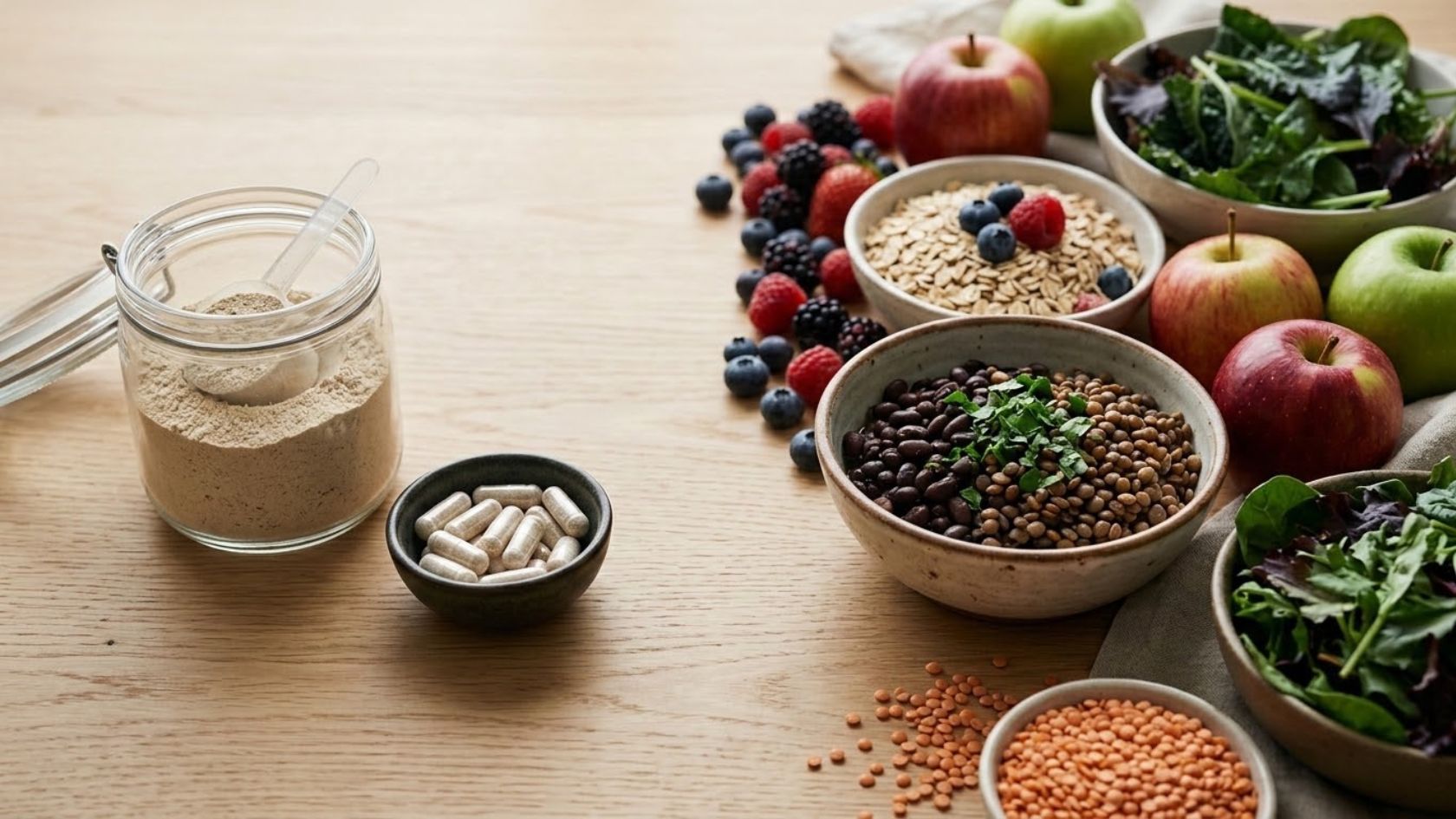
While whole foods should provide most nutrients, certain supplements enhance fasting success and prevent common pitfalls. Electrolyte supplementation becomes crucial, especially during adaptation. Sodium, potassium, and magnesium requirements actually increase during fasting as your body releases stored water and minerals.
Nutritional yeast provides B vitamins in their natural form, supporting energy production and nervous system function during fasting adaptation. Unlike synthetic B vitamin supplements that can cause imbalances, nutritional yeast offers the complete complex in proportions your body recognizes and utilizes efficiently.
Omega-3 fatty acids from fish oil or cod liver oil support cognitive function and reduce inflammation without significantly impacting fasting. The tiny amount of calories from these oils is negligible compared to their benefits. Taking them with meals enhances absorption while avoiding any potential stomach upset.
Sample meal construction
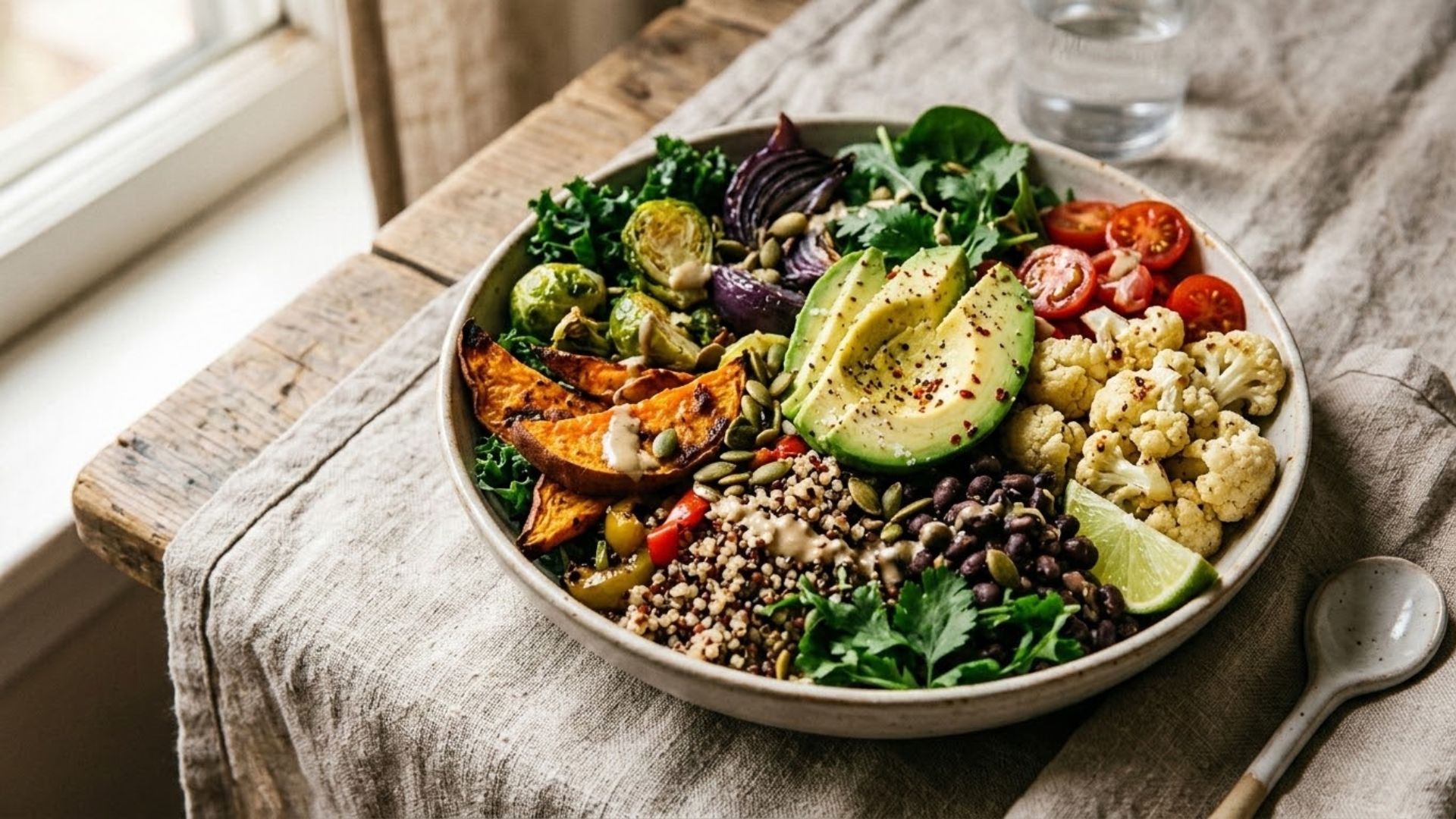
A perfectly constructed OMAD meal might begin with a large salad dressed with olive oil and balsamic vinegar, providing five cups of mixed greens, cucumber, tomatoes, and bell peppers. Follow this with eight ounces of grilled salmon, two whole eggs, and a quarter avocado. End with an ounce of macadamia nuts for extended satiety.
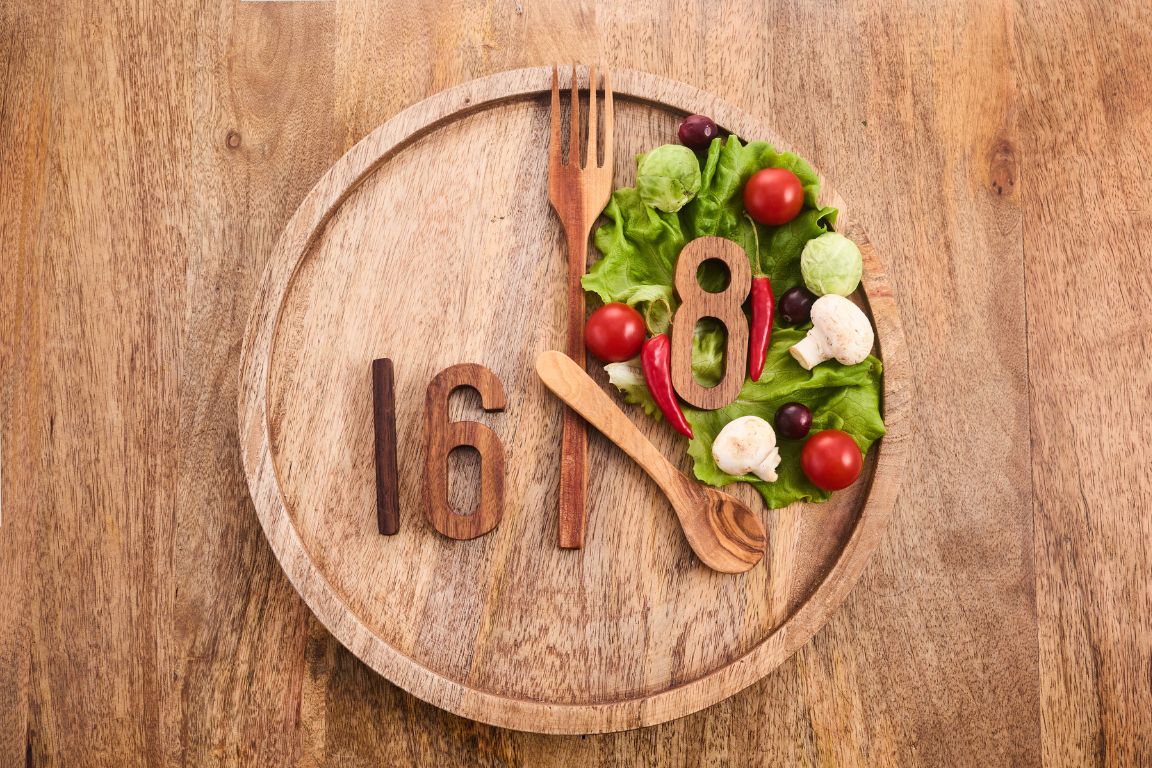
For those following 16:8, lunch might feature four cups of steamed broccoli with butter, six ounces of grass-fed beef, and a small serving of berries. Dinner could include a large Greek salad with feta cheese, grilled chicken thighs, and roasted Brussels sprouts, finishing with some aged cheddar.
The 18:6 protocol allows for similar meals with slightly smaller portions, as the compressed window naturally limits intake. Focus on hitting protein targets first, achieving vegetable volume second, and adding healthy fats for satiety rather than calories.
Troubleshooting common issues
If hunger persists despite proper meal composition, insufficient fat usually bears responsibility. Increase fat intake at meal endings until you achieve comfortable satiety lasting through your fasting window. This might mean doubling that handful of nuts or adding an extra tablespoon of olive oil to your salad.
Digestive issues when breaking fasts indicate you’re eating too much too quickly or choosing foods your system isn’t ready to handle. Start with smaller portions of easily digestible foods like bone broth or cooked vegetables before moving to heavier proteins and fats.
Energy crashes during fasting windows suggest excessive carbohydrate intake during eating windows. Review your meals for hidden sugars in sauces, dressings, and processed foods. Even foods marketed as healthy often contain enough sugar to disrupt metabolic flexibility.
Conclusion
Creating an effective intermittent fasting meal plan requires strategic thinking about nutrient density, meal timing, and food sequencing. By prioritizing vegetables, quality proteins, and healthy fats while minimizing processed carbohydrates, you create the metabolic environment for comfortable, sustainable fasting. The perfect meal plan balances satiety with nutrition, ensuring you meet your body’s needs within compressed eating windows.
Understanding the science behind these meal strategies becomes even more powerful when you grasp how intermittent fasting reverses insulin resistance at the cellular level.
What single food have you found most crucial for maintaining satiety during your fasting windows, and how long did it take to discover this personal key?