








Indeed, The plastic we cannot see is showing up exactly where we do not want it. Researchers at NYU Langone Health have revealed that tiny plastic fragments are accumulating inside prostate cancer tumors at 2.5 times the concentration found in surrounding healthy tissue, marking a disturbing new chapter in our understanding of environmental contamination and human disease.
Small fragments of plastic were found in 9 out of 10 prostate cancer patients. Levels inside tumors were higher than in nearby noncancerous tissue. The findings, presented at the American Society of Clinical Oncology’s Genitourinary Cancers Symposium in late February 2026, represent the first Western study to directly compare microplastic concentrations between cancerous and non-cancerous prostate tissue. The samples came from the same patients.
Furthermore, This is not about particles floating passively through the body. The samples taken for the study were from deep in the middle of the prostate. As Dr. Lead author Stacy Loeb explained that the tumor and benign tissue samples came from the same patients. All samples underwent identical handling. The concentration difference cannot be easily dismissed as contamination.
The numbers behind the discovery
Additionally, The pilot study examined prostate tissue from 10 men undergoing radical prostatectomy. Using specialized equipment and visuals of both sample types, the scientists identified plastic particles. They found particles in 90% of tumor samples and 70% of benign tissue samples.
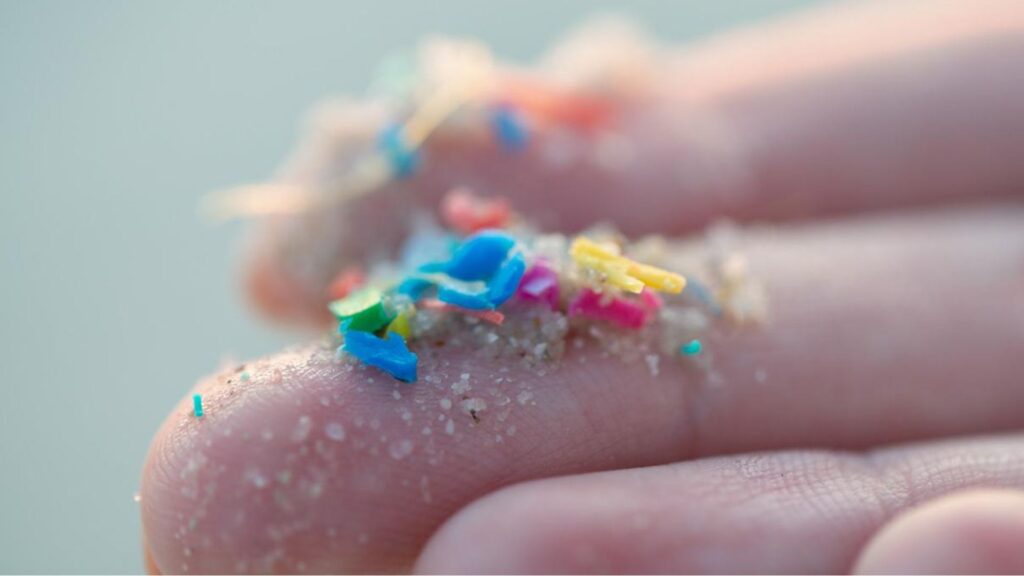
In fact, Cancerous tissue contained approximately 40 micrograms of plastic per gram, nearly triple the amount found in adjacent healthy prostate tissue.
“Our pilot study provides important evidence that microplastic exposure may be a risk factor for prostate cancer,” Dr. Loeb stated.
The inflammation connection
The mechanism connecting microplastics to tumor tissue points toward chronic inflammation. Numerous studies support the hypothesis that microplastics trigger inflammatory responses and disrupt the microbiome. They also provoke immune reactions due to their physicochemical properties.
Senior study author Vittorio Albergamo said the team plans further research. The focus: whether the particles may prompt an overactive immune response in prostate tissue. Indeed, Over time, this could damage cells and lead to genetic changes that allow cancer to form.
This hypothesis aligns with broader research showing how these particles induce harmful biological effects by chronic inflammation, oxidative stress, genotoxicity, and alteration of the tumor immunological microenvironment. Furthermore, The prostate, with its glandular tissue and hormone sensitivity, may be particularly vulnerable to such disruption. Understanding how environmental factors affect gut health and systemic inflammation becomes increasingly relevant as research connects microplastics to chronic disease.
A pattern across organ systems
Similarly, The prostate findings echo a landmark 2024 study published in The New England Journal of Medicine. That research found patients with microplastics in carotid artery plaques had a 4.5 times higher risk for all-cause death, myocardial infarction, or stroke.
Moreover, The parallel is striking. In both cases, plastic particles concentrated in diseased tissue, associated with increased inflammatory markers, and correlated with worse outcomes. While this study does report an association between microplastics and cardiovascular risk, it is not possible to extrapolate a causal relationship. The same caution applies to the prostate findings. But when the same pattern emerges across different organ systems, the signal becomes harder to dismiss.
Why This Matters Now
Still, The timing of this discovery is significant. Prostate cancer incidence rates have reversed from a decline of 6.4% per year during 2007 through 2014 to an increase of 3.0% annually during 2014 through 2021. Meanwhile, 333,830 new cases of prostate cancer are expected to be diagnosed in 2026.
If microplastic accumulation proves to be a contributing factor, it would represent the first major environmental risk factor identified for prostate cancer. It could potentially explain why rates continue rising despite dietary and lifestyle improvements.
Practical Steps for Reducing Exposure
Boiling and filtering calcium-containing tap water could help remove nearly 90% of the nano- and microplastics present. When hard water is boiled, calcium carbonate crystals form and trap plastic particles. A simple coffee filter can then remove them.

Additional precautions include avoiding heating food in plastic containers and reducing bottled water consumption. Favor glass or stainless steel for food storage. Be cautious with personal care products containing polyethylene or polypropylene. Supporting overall detoxification through proper nutrition and hydration may also help the body manage environmental toxin exposure.
“By uncovering yet another potential health concern posed by plastic, our findings highlight the need for stricter regulatory measures to limit the public’s exposure to these substances, which are everywhere in the environment,” Dr. Albergamo stated.
Dr. Additionally, Albergamo cautioned that a larger sample of patients will be needed to confirm the findings. The NYU team has secured Department of Defense funding to expand their research. For men concerned about prostate health, the most actionable step men can take is getting appropriate screenings to help ensure early detection.
We have been producing plastic at industrial scale for approximately 70 years. The men developing prostate cancer today have lived their entire lives in a world saturated with synthetic polymers. When plastic particles concentrate in tumor tissue at triple the rate found in healthy tissue, what else have we not yet looked for?