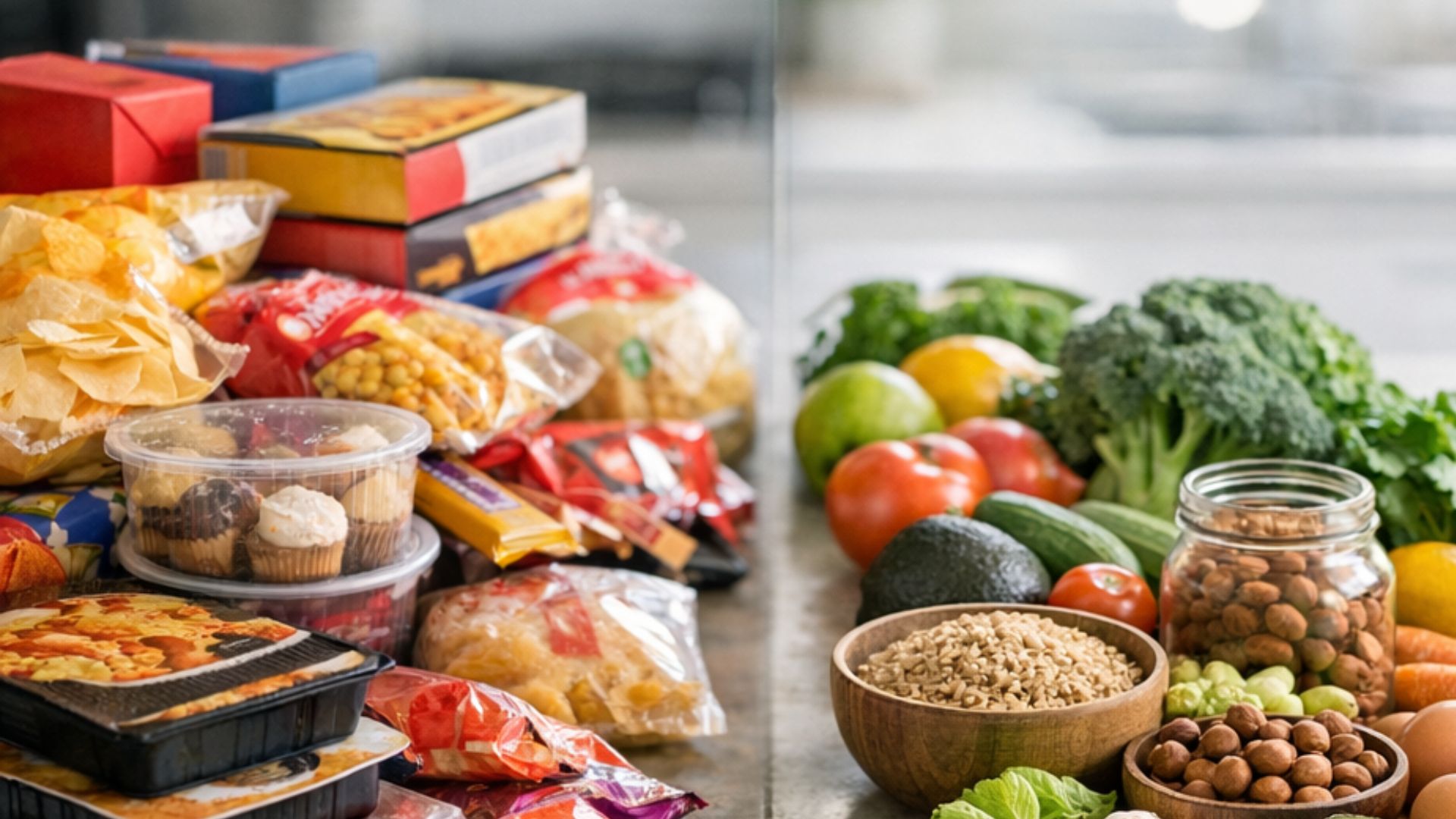






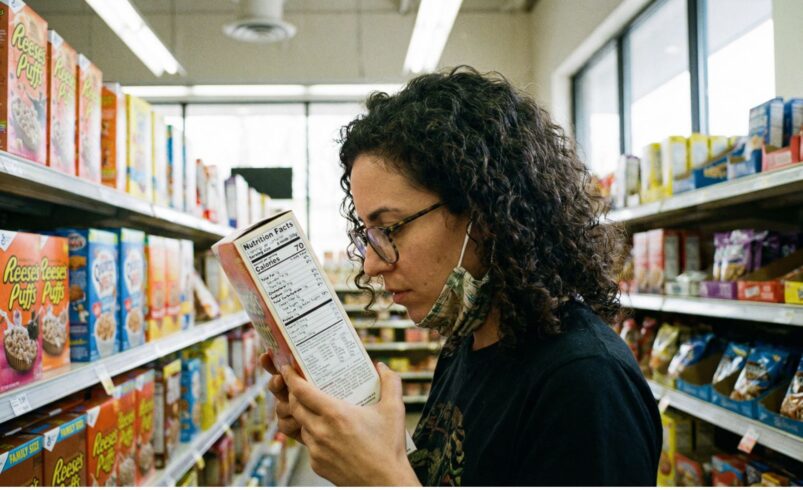

If you’ve ever stared at a nutrition label wondering “Is this a lot of sugar… or not really?”, the FDA’s latest proposal is essentially trying to answer that question for you in plain language. Instead of making you do the math, food packages may soon flag added sugars as “low,” “medium,” or “high” right on the front of the box.
FDA’s new focus on added sugars
The FDA has proposed a new front-of-package “Nutrition Info” box that would highlight three key nutrients: saturated fat, sodium, and added sugars. For each one, the label would show the percent Daily Value (%DV) per serving and classify it as low, medium, or high.
For added sugars, the suggested cutoffs per serving are:
- 5% DV or less: low
- 6%–19% DV: medium
- 20% DV or more: high
These categories are based on the Dietary Guidelines for Americans, which recommend keeping added sugars under 10% of daily calories. For someone eating around 2,000 calories a day, that works out to about 50 grams of added sugar.
Why added sugars are being targeted
This proposal is not coming out of nowhere. It builds on years of research linking high added sugar intake with higher risks of weight gain, cardiovascular disease, and type 2 diabetes. Advisory committees behind the dietary guidelines have warned that once added sugars go beyond about 10% of total calories, it becomes harder to get enough essential nutrients without overshooting a healthy calorie range.
Large studies on dietary patterns repeatedly find that people who consume fewer sugar-sweetened beverages and ultra-processed, high-sugar foods tend to have lower risk of heart disease and other chronic conditions. The issue isn’t that all sugar is “bad,” but that it’s very easy to take in far more than you realize.
One common example: a 20‑ounce sugary drink with about 66 grams of added sugar is more than a full day’s recommended limit in a single bottle. Under the new system, that would show as well over 100% of your daily value for added sugars, making the impact much harder to ignore.
How new labels could help you day to day
Most people are not going to stand in the grocery aisle converting grams of sugar into %DV in their heads. The proposed front-of-pack design tries to lower that barrier and make healthier choices easier, not perfect.
Here’s how it could help in real life:
- Quicker comparisons in the aisle
If you’re choosing between two cereals or granolas, seeing one labeled “high” and another “medium” for added sugars gives you a fast, practical way to pick the better everyday option. - Built‑in “red flags” for sugar overload
A “high” added sugars label (20% DV or more per serving) is a visual reminder that this food or drink is more of a treat than a daily staple. - Revealing “health halo” products
Foods like yogurts, granola bars, smoothies, and coffee drinks can seem healthy but be loaded with added sugars. A prominent “high” label may push you to flip the package and look more carefully at the full Nutrition Facts panel.
Evidence from other labeling changes suggests that even modest shifts ( such as swapping a “high” sugar item for a “medium” one a few times a week) can reduce average added sugar intake over time, especially when repeated across multiple foods and drinks.
How to read labels like a pro
Even if this rule goes into effect, the back-of-pack Nutrition Facts label remains crucial. A simple way to use both:
- Use the front “low/medium/high” label as your quick filter.
- Then check the back for details:
- Grams of added sugars per serving
- How many servings you realistically eat (not just what’s on paper)
- Ingredient list for added sugars under different names (like sucrose, corn syrup, honey, agave, maltose, and other syrups)
For context, the American Heart Association has long suggested that most women keep daily added sugars around 25 grams and most men around 36 grams, while recognizing that individual needs differ. With those ballparks in mind, it’s easier to see how even “medium” sugar items can add up if you have several across the day.
How food companies might respond
Label changes don’t just influence shoppers; they often nudge manufacturers too. In countries that have adopted strong front-of-pack warnings for sugar, salt, or unhealthy fats, some companies have quietly reformulated their products to avoid the “high” symbol.
If the FDA finalizes this rule, companies in the US may feel pressure to:
- Lower added sugars enough to move products from “high” to “medium,” or “medium” to “low”
- Launch more lower-sugar versions of familiar foods and drinks
- Be more transparent about how much sugar is added versus naturally present
Still, research suggests labeling alone doesn’t overhaul diets. It tends to be most effective when combined with education and when consumers understand how to interpret and act on the information.
Practical takeaways you can use now
You don’t have to wait for new labels to use the same principles in your own shopping:
- Treat added sugars like a daily budget. Decide what’s “worth it” and where you’d rather save.
- Aim for most of your everyday staples (like breakfast foods, snacks, and sauces) to be on the lower end of added sugars.
- Reserve very sweet items (desserts, sugary drinks, candy) as intentional treats, not background “noise” in your diet.
- Prioritize whole or minimally processed foods and naturally sweet options like fruit, which come packaged with fiber, vitamins, and minerals.
- Pay special attention to beverages; they are one of the easiest ways to blow through a day’s worth of added sugar without feeling satisfied.
Gradual shifts matter. Many people find that when they slowly reduce added sugars, their taste buds adjust, and ultra-sweet products start to taste overpowering rather than “normal.”
Bottom line
The FDA’s proposed update doesn’t tell you what you can or can’t eat, but it may make it much harder for added sugars to hide. By turning confusing grams and percentages into simple “low,” “medium,” and “high” alerts on the front of packages, the new system is designed to give you a clearer view of how your daily sugar “budget” is being spent.
For anyone trying to eat more intentionally without obsessing over every number, this kind of label could be a useful ally, not a food police badge.
For more credibility and deeper reading on the impact of front-of-pack labeling and added sugars, you can check out the FDA’s materials on added sugars and front-of-pack labeling, as well as recent overviews in peer‑reviewed nutrition journals.
What’s one packaged food or drink where clearer added sugar labeling would most change your choices, and why?