

Somewhere between the kombucha boom and the current obsession with gut health, a quiet word crept onto supplement labels and never left: prebiotic. You have probably swallowed some already today without knowing it, tucked into a protein bar or stirred into a “gut-friendly” soda. Yet most people still cannot tell you what prebiotic fiber actually does, or why the three most common types behave nothing alike. That confusion is worth clearing up, because choosing the wrong one is the fastest way to bloat yourself miserable while chasing better digestion. If you want the full backdrop on why most Americans run so short on fiber in the first place, that story sets the stage. This one gets specific.
What “Prebiotic” really means?
Let us kill a common myth first. Prebiotics are not the same as probiotics. Probiotics are the live bacteria you swallow. Prebiotics are the food those bacteria eat once they arrive. Think of your gut as a garden. Probiotics are the seeds. Prebiotic fiber is the compost. Without the second, the first rarely thrives.
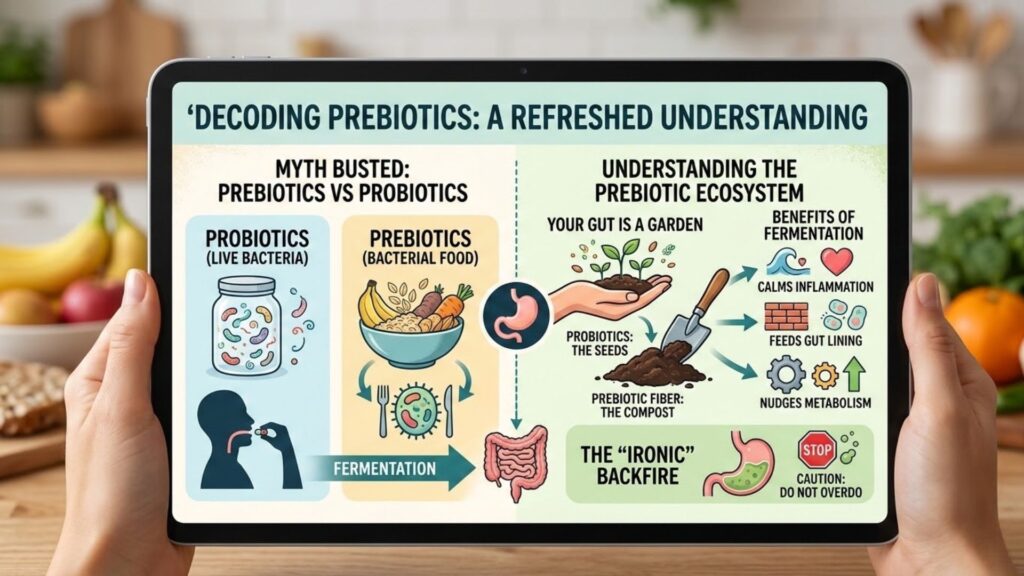
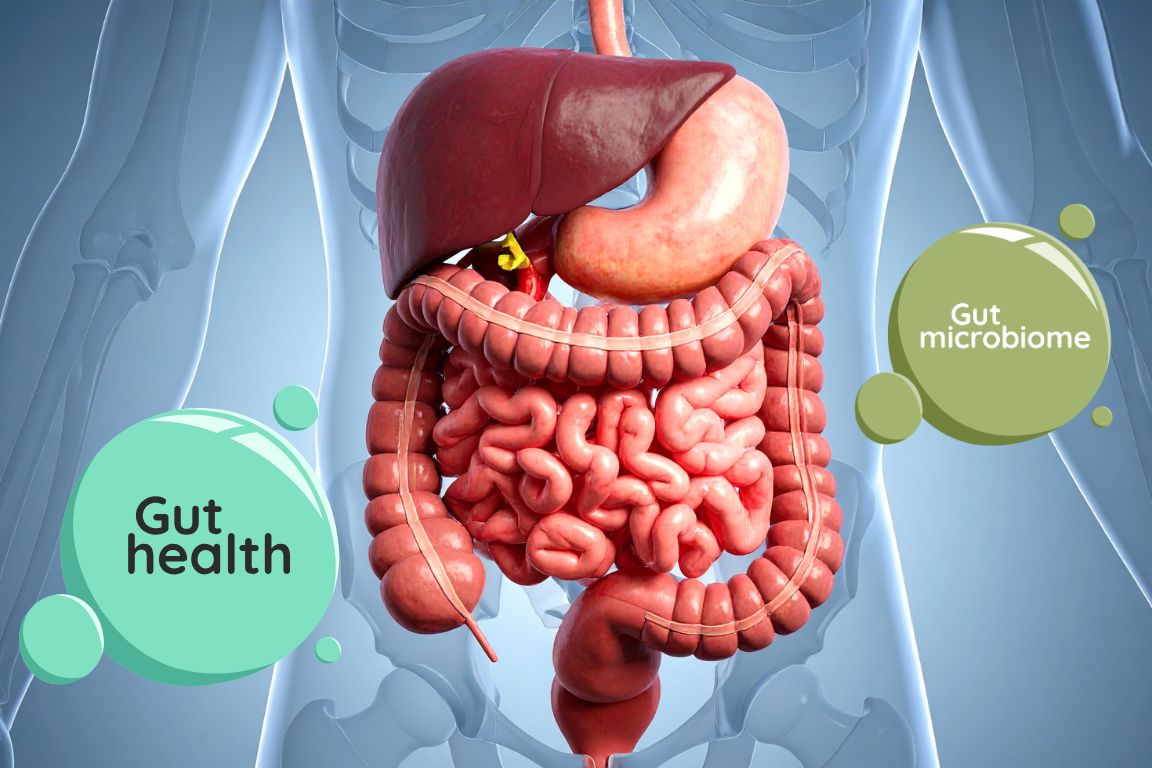
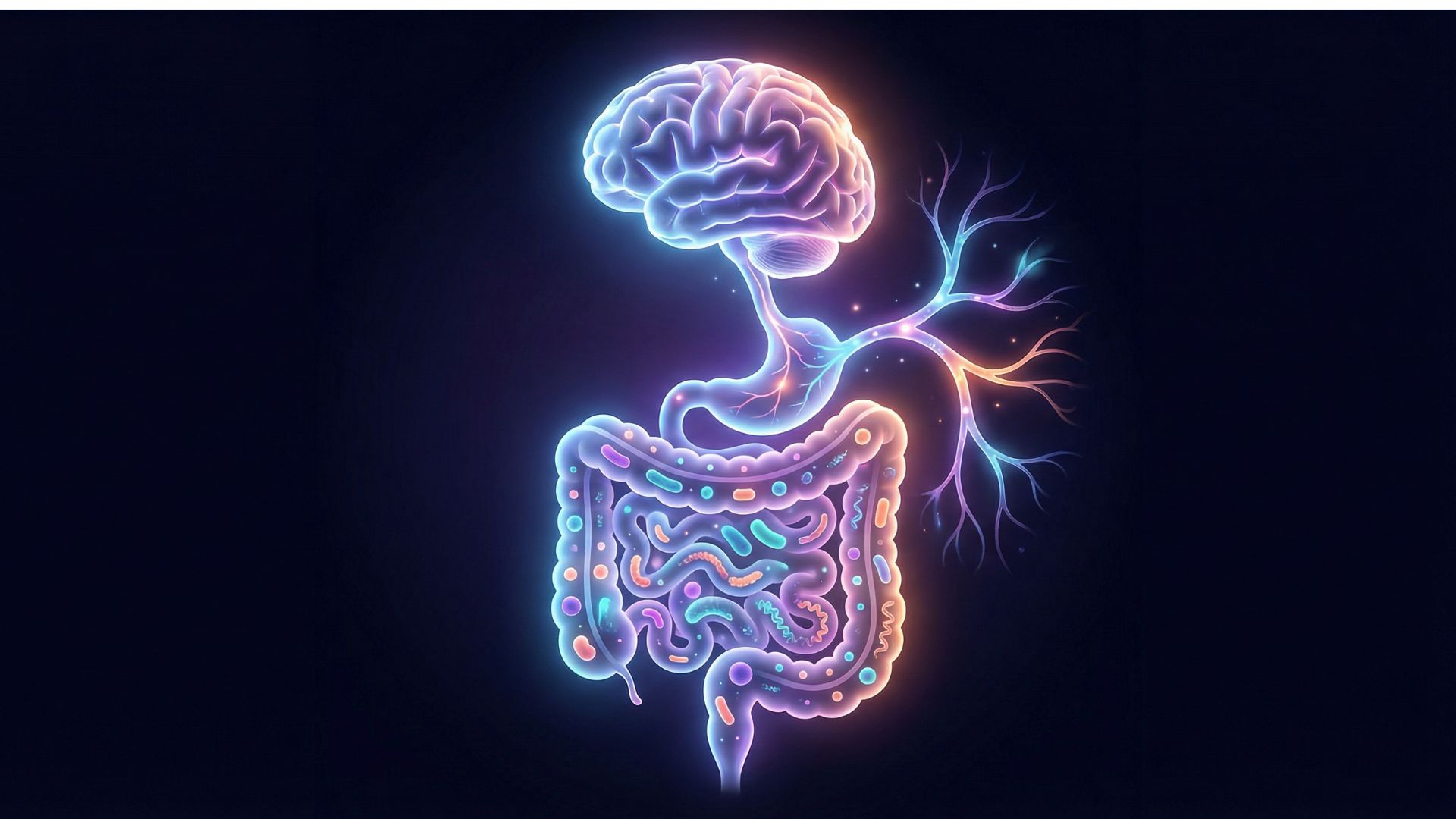
Almost all prebiotics are a specific kind of fiber your body cannot digest on its own. It travels intact to your colon, where trillions of microbes ferment it and, in the process, pump out short-chain fatty acids that calm inflammation, feed the gut lining, and even nudge your metabolism in the right direction. That fermentation is the whole point. It is also, ironically, the reason prebiotics can backfire when you overdo them.
The big three: inulin, acacia, and psyllium
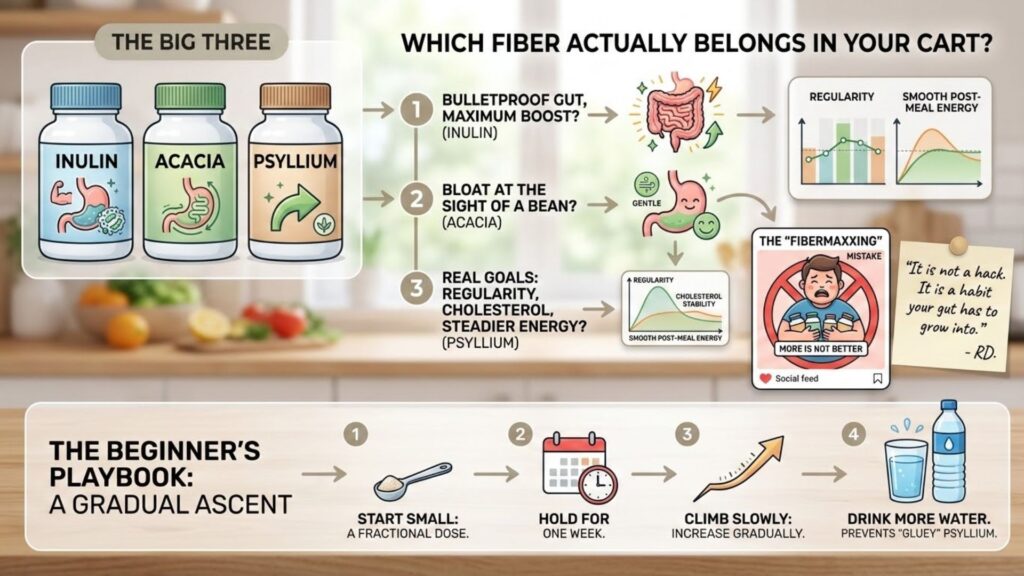
Here is where people get lost. “Prebiotic fiber” gets slapped on packaging as if it were one ingredient, when the market is really dominated by three very different players. Each ferments at its own pace and suits a different kind of gut.
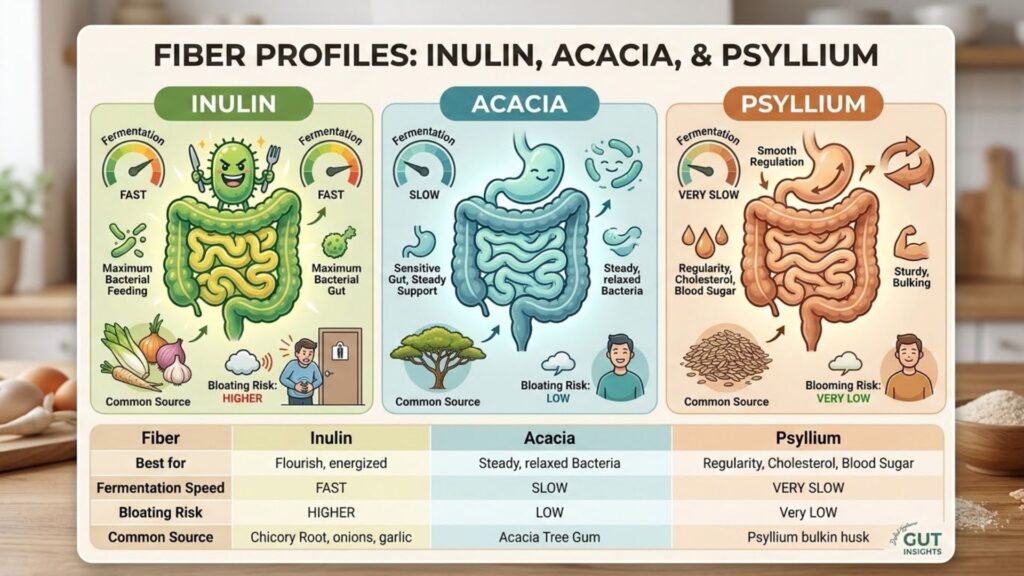
Inulin is the extrovert of the group. Extracted mostly from chicory root, it ferments fast and feeds your good bacteria aggressively. That makes it powerful, and also the most likely of the three to leave you gassy if you go in hot. I learned this the embarrassing way years ago, dumping a full scoop of chicory inulin into my morning coffee before a long meeting. Lesson delivered, loudly.
Acacia (or acacia gum) is the mellow middle child. It ferments slowly and gently, which means it feeds your microbiome steadily without the dramatic gas that inulin can trigger. For sensitive stomachs, it is often the easiest entry point, though it works quietly rather than spectacularly.
Psyllium is the workhorse. Technically it is more famous as a bulking, soluble fiber than as a classic prebiotic, but newer research increasingly credits it with prebiotic activity too. It ferments the least of the three, which is exactly why it is so gentle and so good at regulating trips to the bathroom in either direction.
| Fiber | Best for | Fermentation speed | Bloating risk | Common source |
| Inulin | Maximum bacterial feeding | Fast | Higher | Chicory root, onions, garlic |
| Acacia | Sensitive guts, steady support | Slow | Low | Acacia tree gum |
| Psyllium | Regularity, cholesterol, blood sugar | Very slow | Lowest | Psyllium husk |
Which one actually belongs in your cart?
The honest answer is that it depends on why you are reaching for fiber at all. If your gut is bulletproof and you want the strongest microbiome boost, inulin earns its keep. If you bloat at the sight of a bean, acacia is your friend. And if your real goals are regularity, steadier cholesterol, and calmer post-meal energy, psyllium quietly outperforms its flashier cousins.
There is a cultural angle here too. In 2026, “fibermaxxing” has gone fully mainstream, with social feeds full of people stacking multiple fibers at once and wondering why they feel like a balloon by noon. More is not automatically better. As one registered dietitian I spoke with at a nutrition conference last spring put it, “People treat fiber like a hack. It is not a hack. It is a habit your gut has to grow into.” That line stuck with me, because it captures exactly where most beginners go wrong.
The rookie mistake nobody warns you about
Almost every prebiotic horror story traces back to the same error: too much, too fast. Your gut bacteria are a living population, and populations take time to adapt. Flood them overnight and the fermentation runs wild, which is your bloating, your cramping, your regret.
The fix is unglamorous but reliable. Start with a fraction of the recommended dose, hold there for a week, and only then climb. Drink more water than you think you need, because psyllium especially turns gluey without it. If you want the full playbook on easing into more fiber without the digestive drama, that gradual approach is the difference between loving fiber and quitting it by Thursday.
Food first, powder second
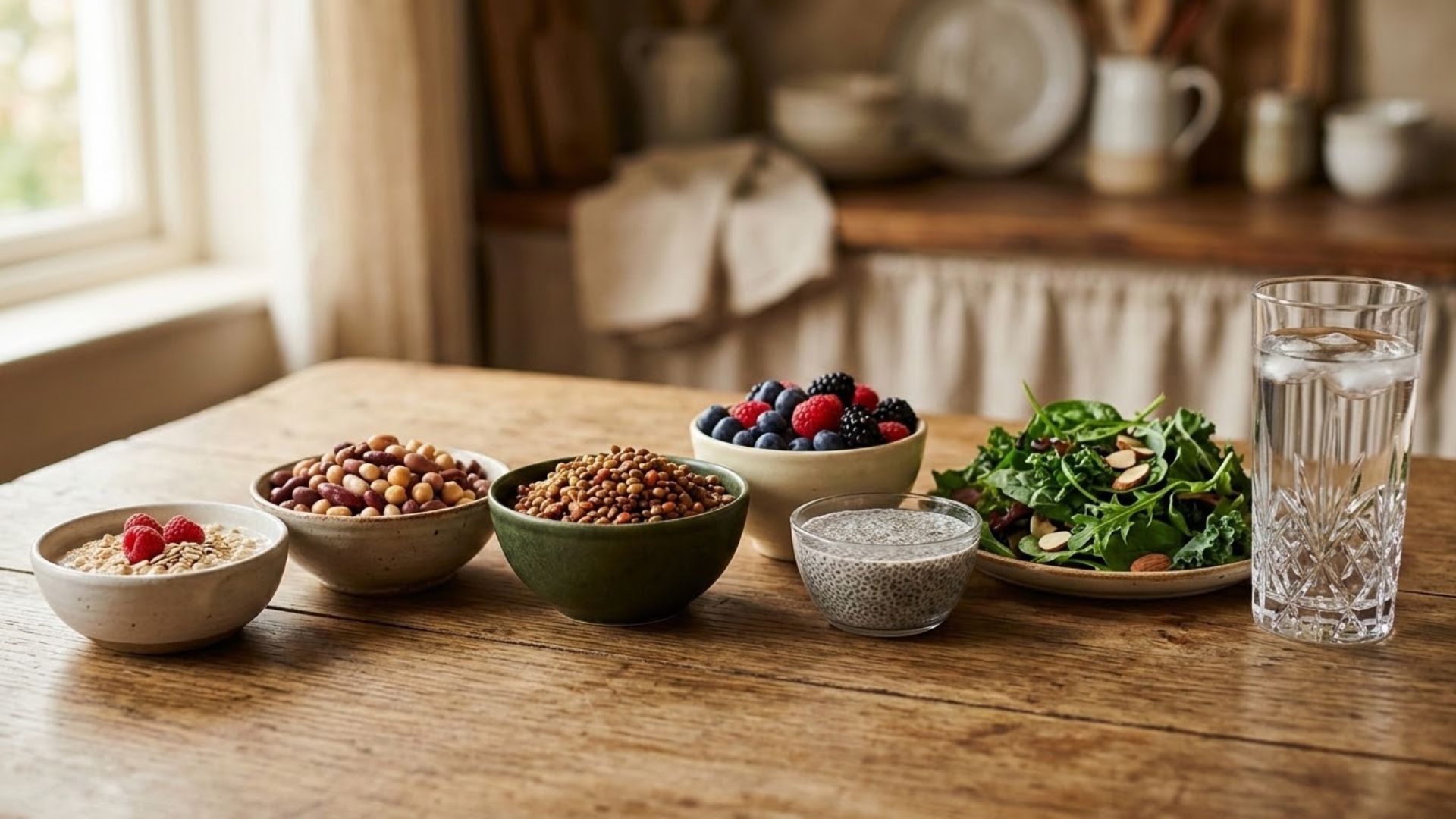
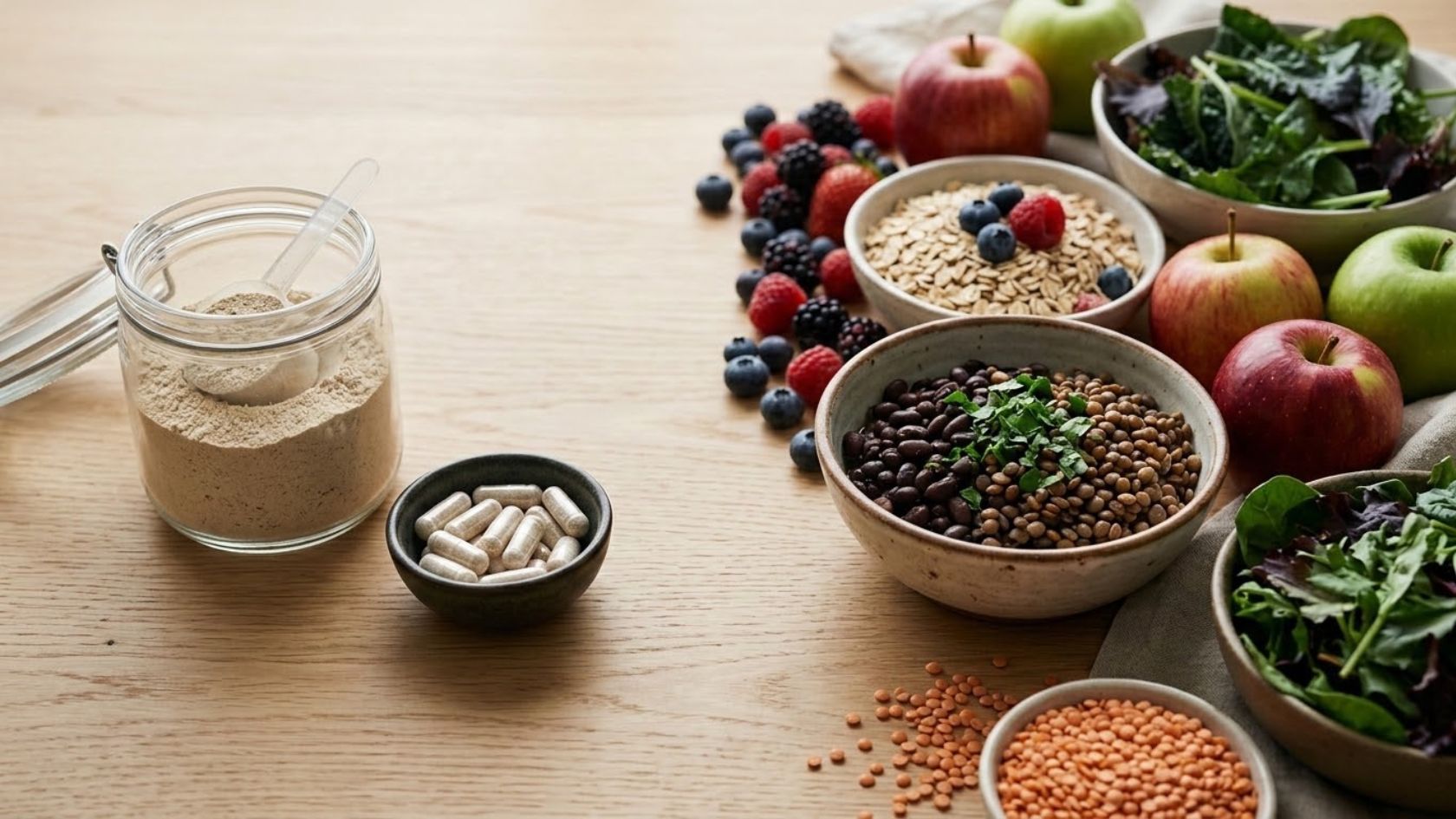
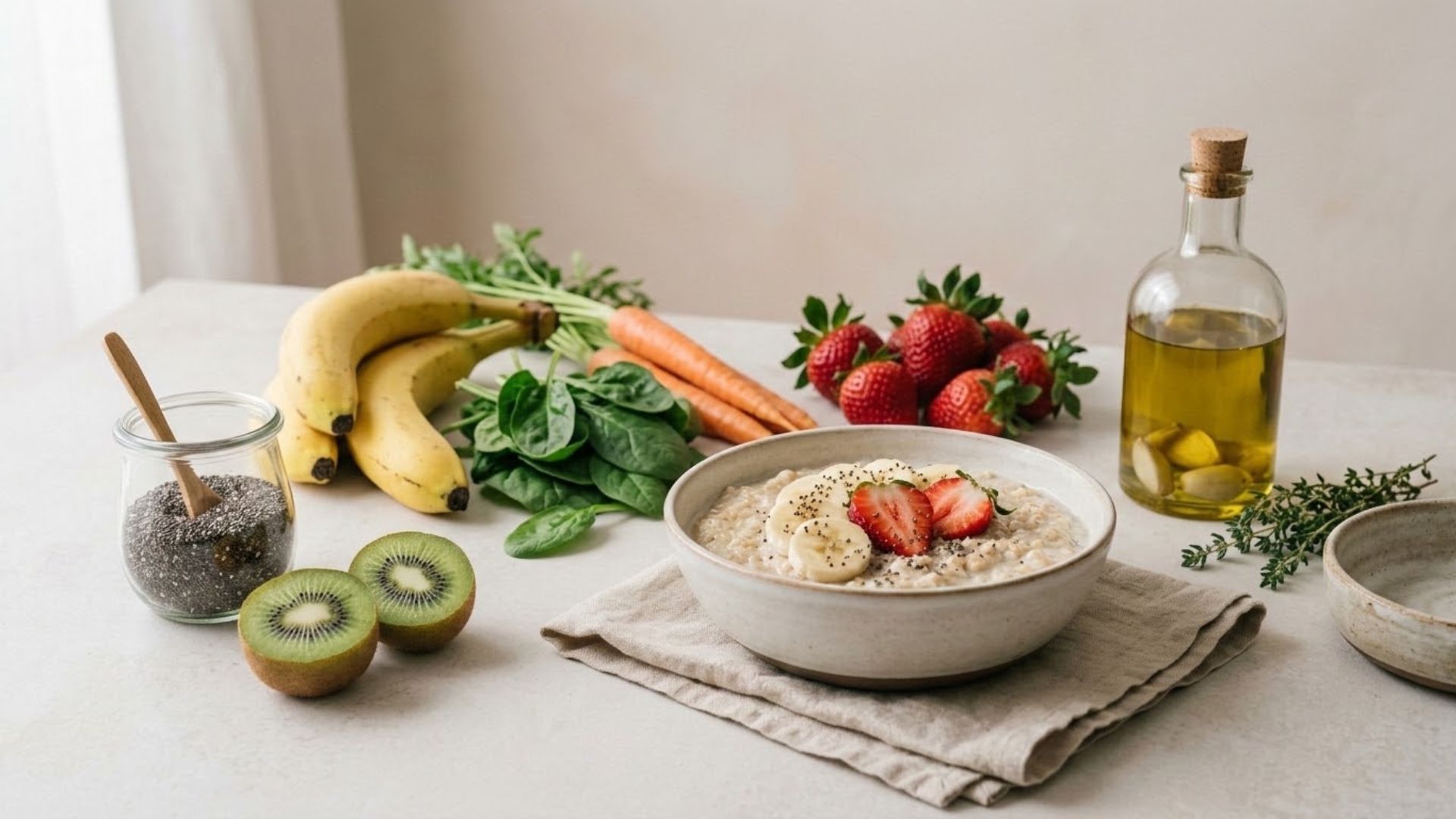
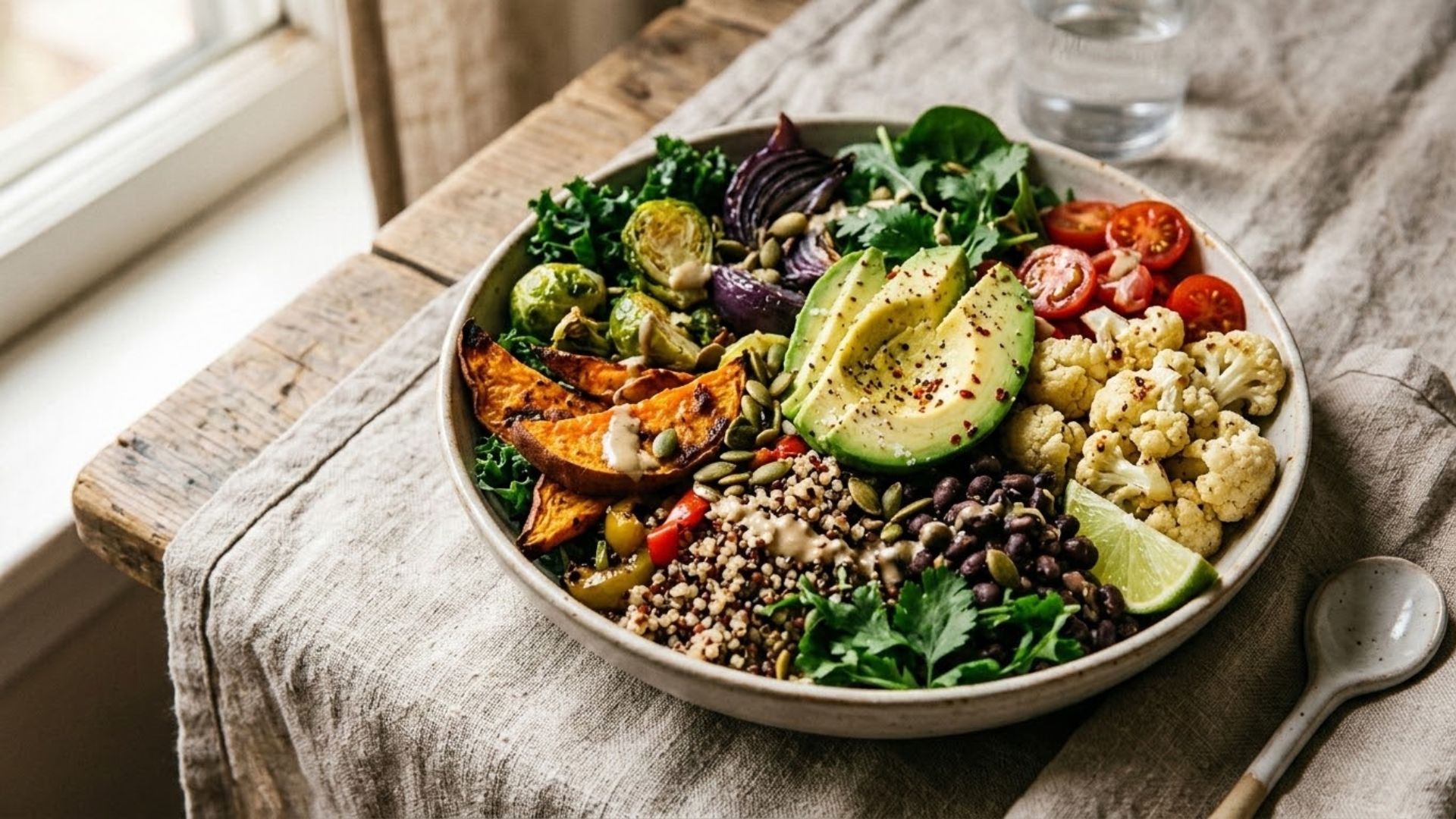
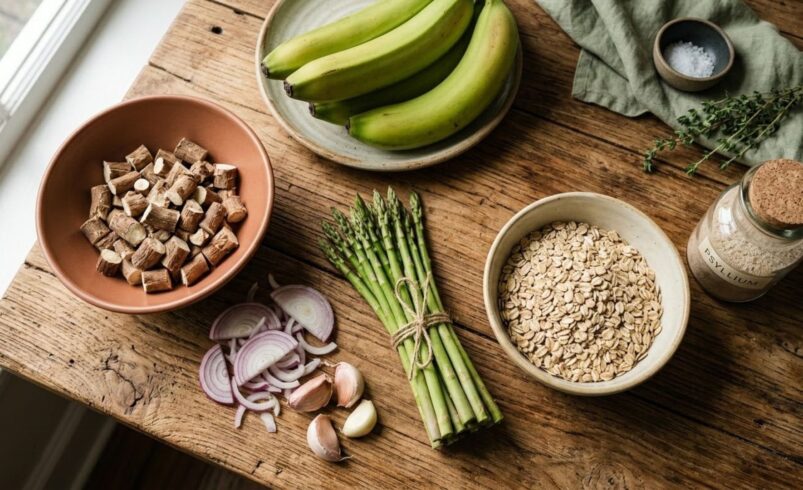
One last reframe, because it matters. Whole foods already brim with these fibers. Onions, garlic, leeks, asparagus, slightly green bananas, oats, and legumes deliver inulin and related prebiotics alongside vitamins and polyphenols that no scoop can match. Supplements have a place, especially when a specific gut goal or a busy life gets in the way. But a produce-heavy plate remains the most underrated prebiotic strategy on the planet, and it rarely leaves you doubled over.
Prebiotic fiber is not a trend to chase or a miracle to buy. It is closer to tending soil. Feed the right microbes patiently and the payoff compounds quietly over months, showing up as steadier digestion, calmer energy, and fewer of those mysterious afternoon crashes. That slow-burn quality is exactly why fiber ties so directly into keeping your blood sugar steady after meals, a connection that surprises most people the first time they feel it. The question is not really which powder is best. It is whether you are willing to play the long game your gut has quietly been asking for all along. So, which fiber are you starting with, and are you brave enough to start small?