

If beans turn your stomach into a balloon and a clove of garlic can ruin your afternoon, you have probably reached the same conclusion millions of people quietly have: high-fiber eating just is not for you. I want to gently push back on that. Because here is the thing almost nobody with a sensitive gut gets told clearly enough. The problem usually is not fiber itself. It is a specific, sneaky group of carbohydrates that often travels alongside it. Sort those out, and the door to better digestion swings back open. For the full context on why so many Americans run short on fiber in the first place, that backdrop is worth having. This piece is for everyone the standard advice leaves behind.
The real culprit is not fiber. it is FODMAPs.
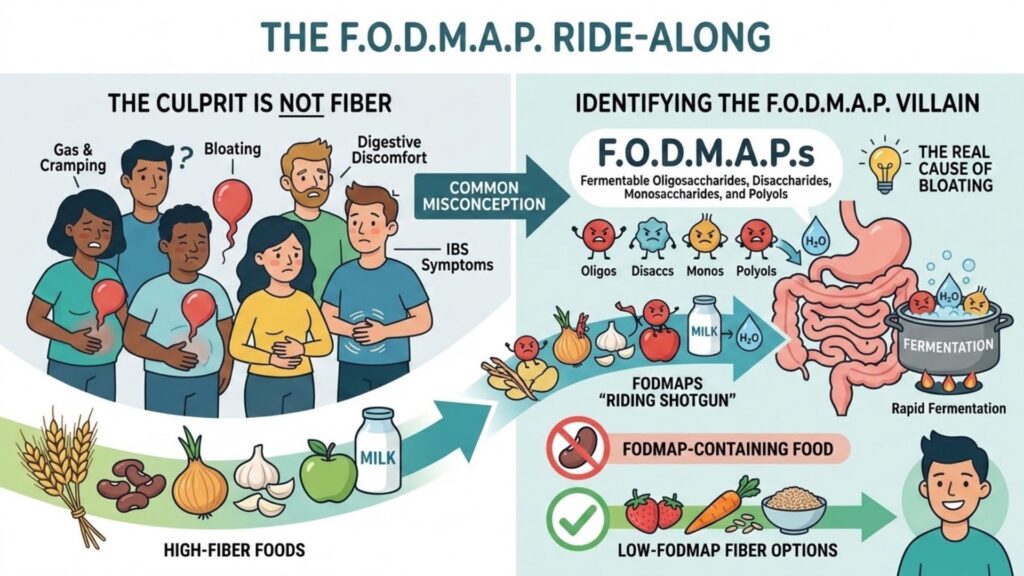
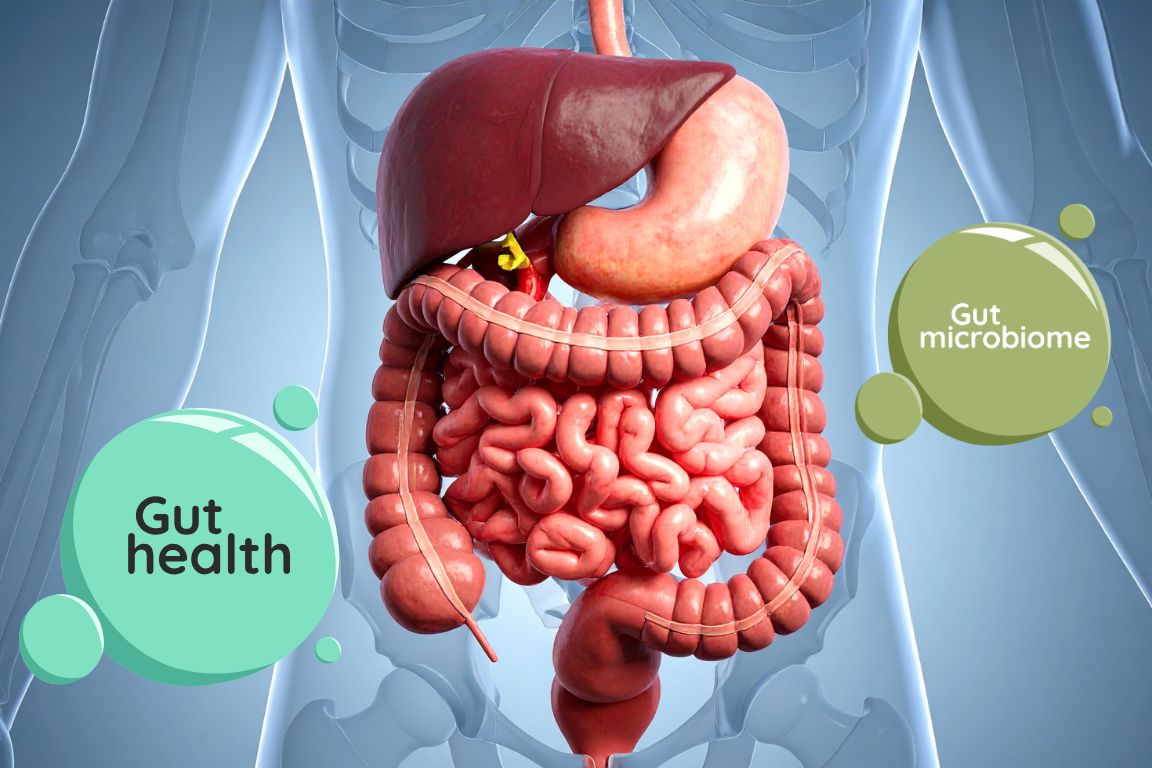
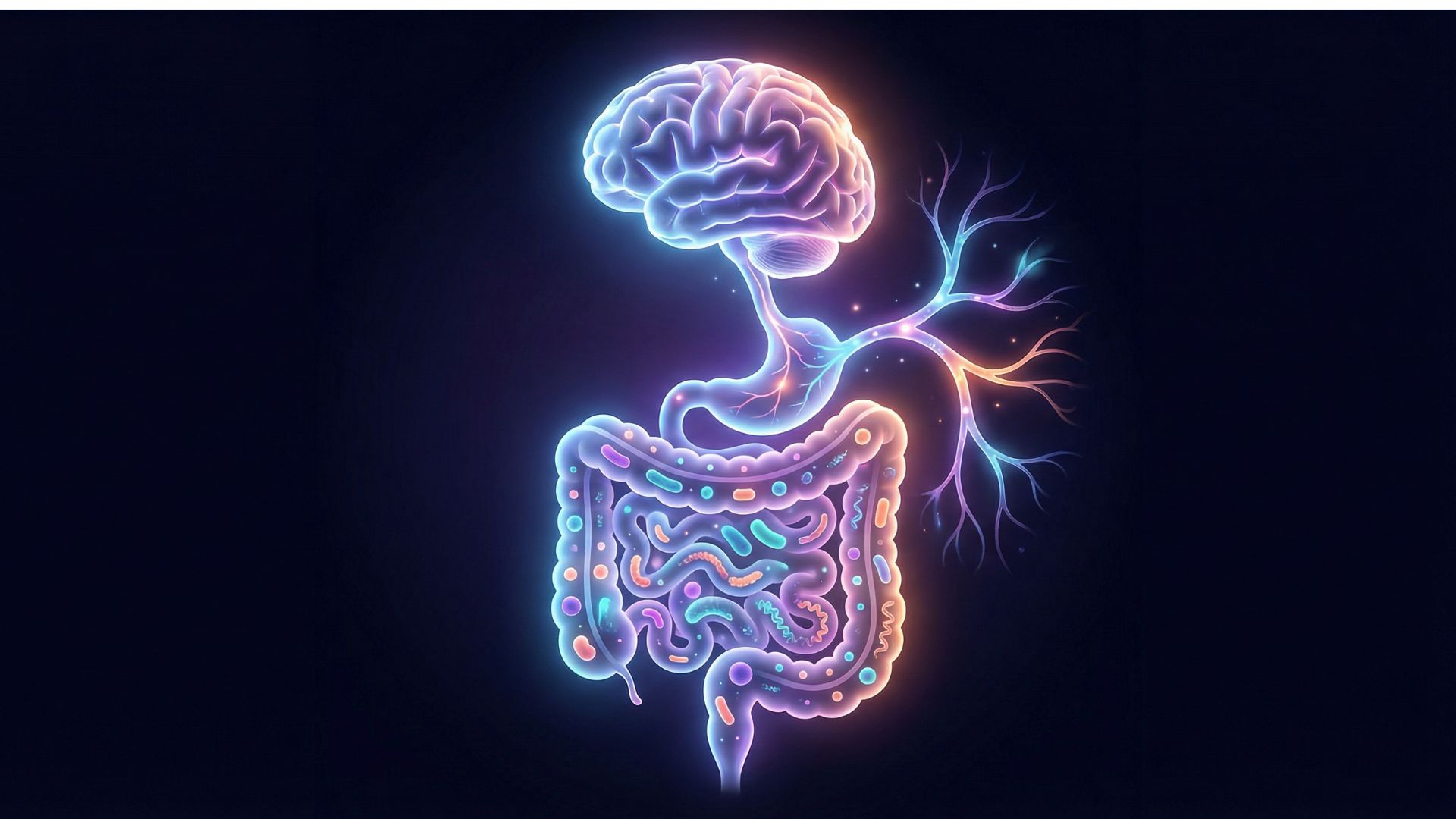
Let us name the villain properly. FODMAP stands for a mouthful of fermentable carbohydrates: fermentable oligosaccharides, disaccharides, monosaccharides, and polyols. Forget memorizing that. What matters is what they do. These carbs pull water into your gut and ferment rapidly, and for people with sensitive digestion or IBS, that combination means gas, cramping, and bloating that can flatten a whole day.
Here is the confusing part. Many of the healthiest high-fiber foods, onions, garlic, beans, wheat, certain fruits, happen to be loaded with FODMAPs. So when someone eats “more fiber” and feels awful, they blame the fiber. Understandable. Also wrong. The fiber was innocent. The FODMAPs riding shotgun did the damage.
Why this distinction changes everything
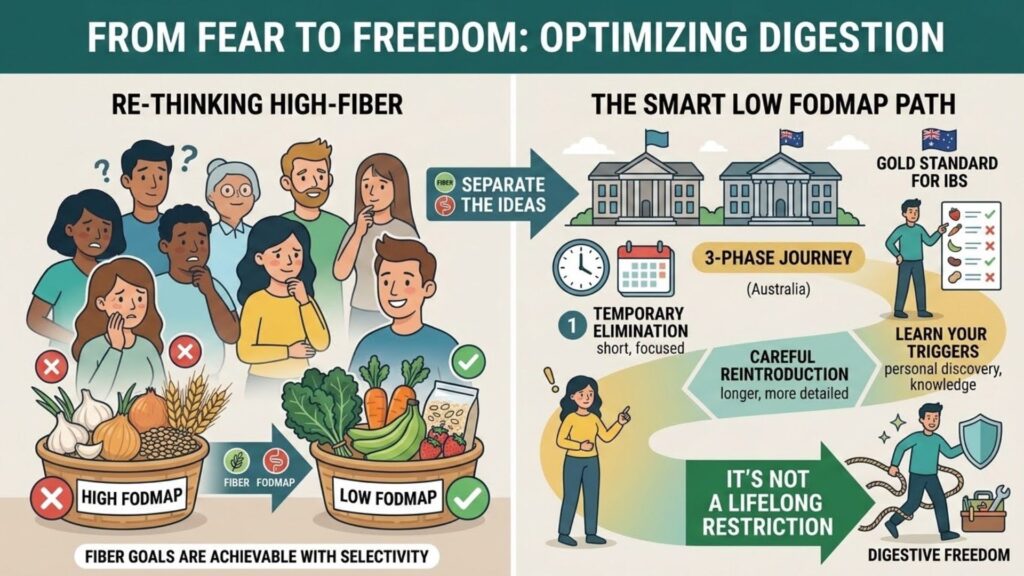
Once you separate the two ideas, the whole picture shifts. Fiber is not a single thing you either tolerate or you do not. It is a huge category, and plenty of high-fiber foods are naturally low in FODMAPs. That means a sensitive gut can absolutely hit its fiber goals. It just has to be a little more selective about the sources.
The low FODMAP approach was developed by researchers at Monash University in Australia, and it has become the gold standard for managing IBS symptoms. Importantly, it was never meant to be permanent. The smart version is a temporary elimination followed by careful reintroduction, so you learn your personal triggers instead of fearing entire food groups forever. That nuance gets lost constantly online, where people turn low FODMAP into a lifelong restriction it was never designed to be.
The fibers your gut will actually thank you for
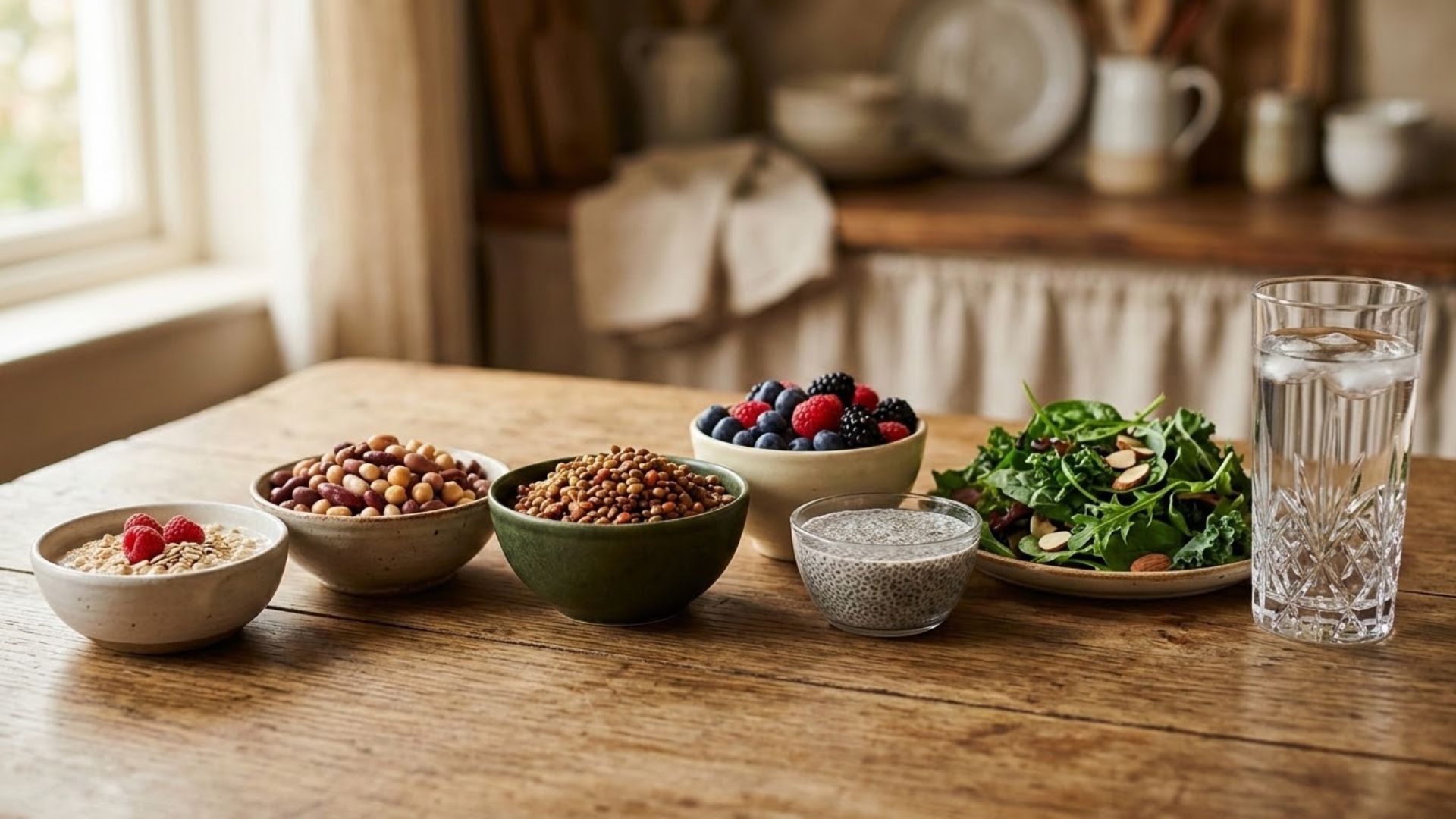
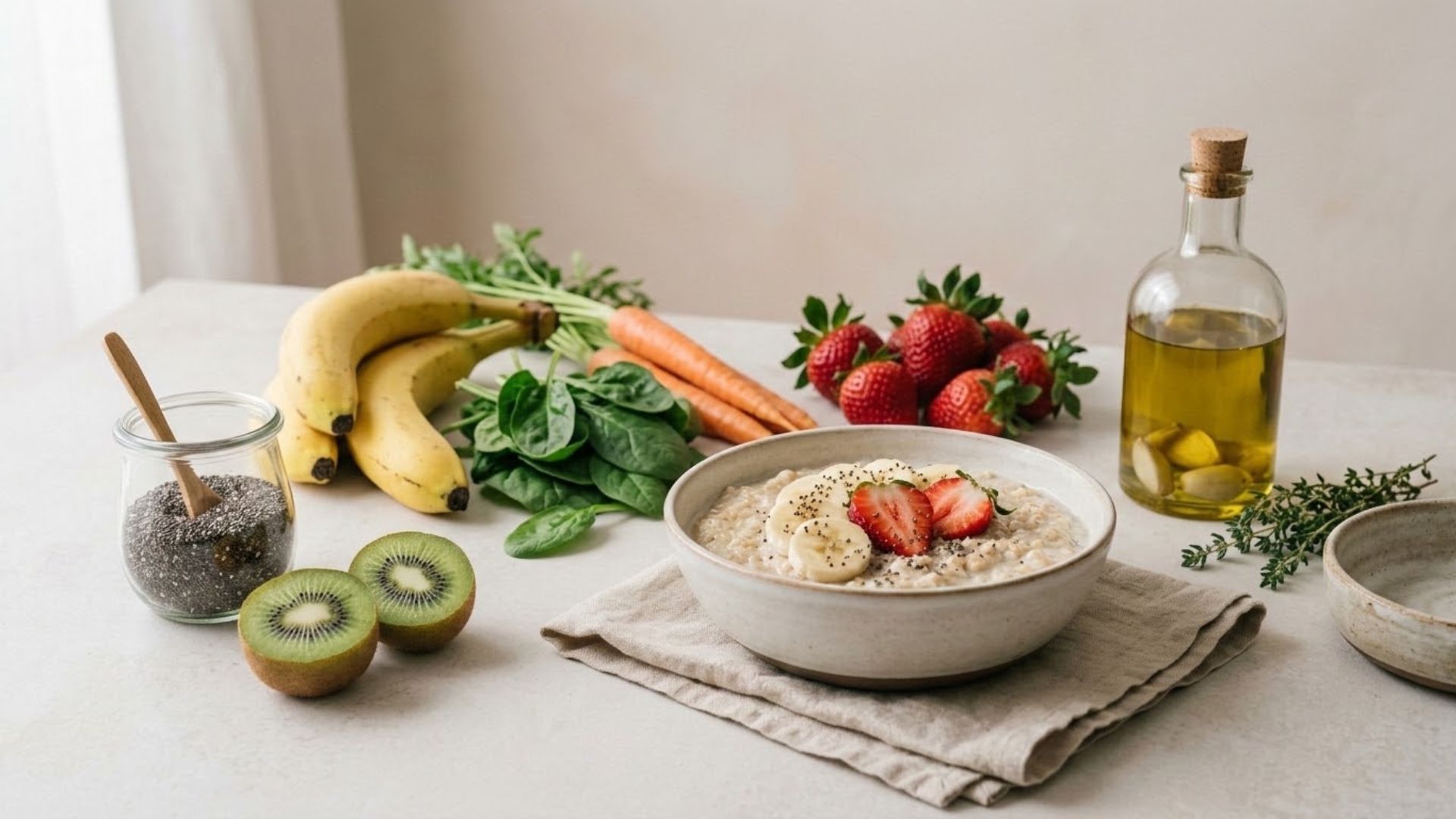
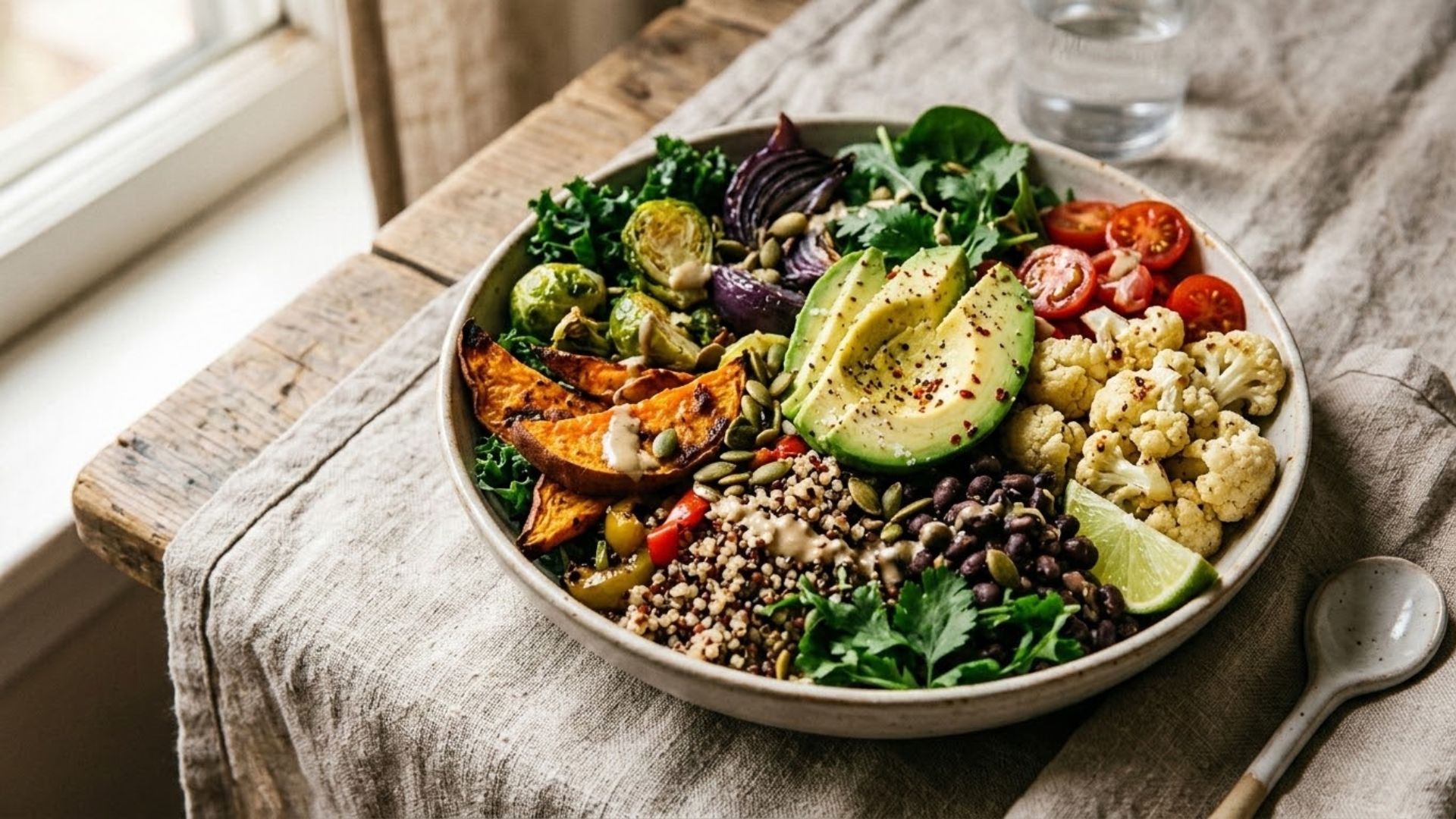
So what can a sensitive stomach eat? More than you would expect. Here are the fiber sources that tend to be gentle while still feeding your microbiome and keeping you regular.
| Low FODMAP fiber source | What it offers | Notes |
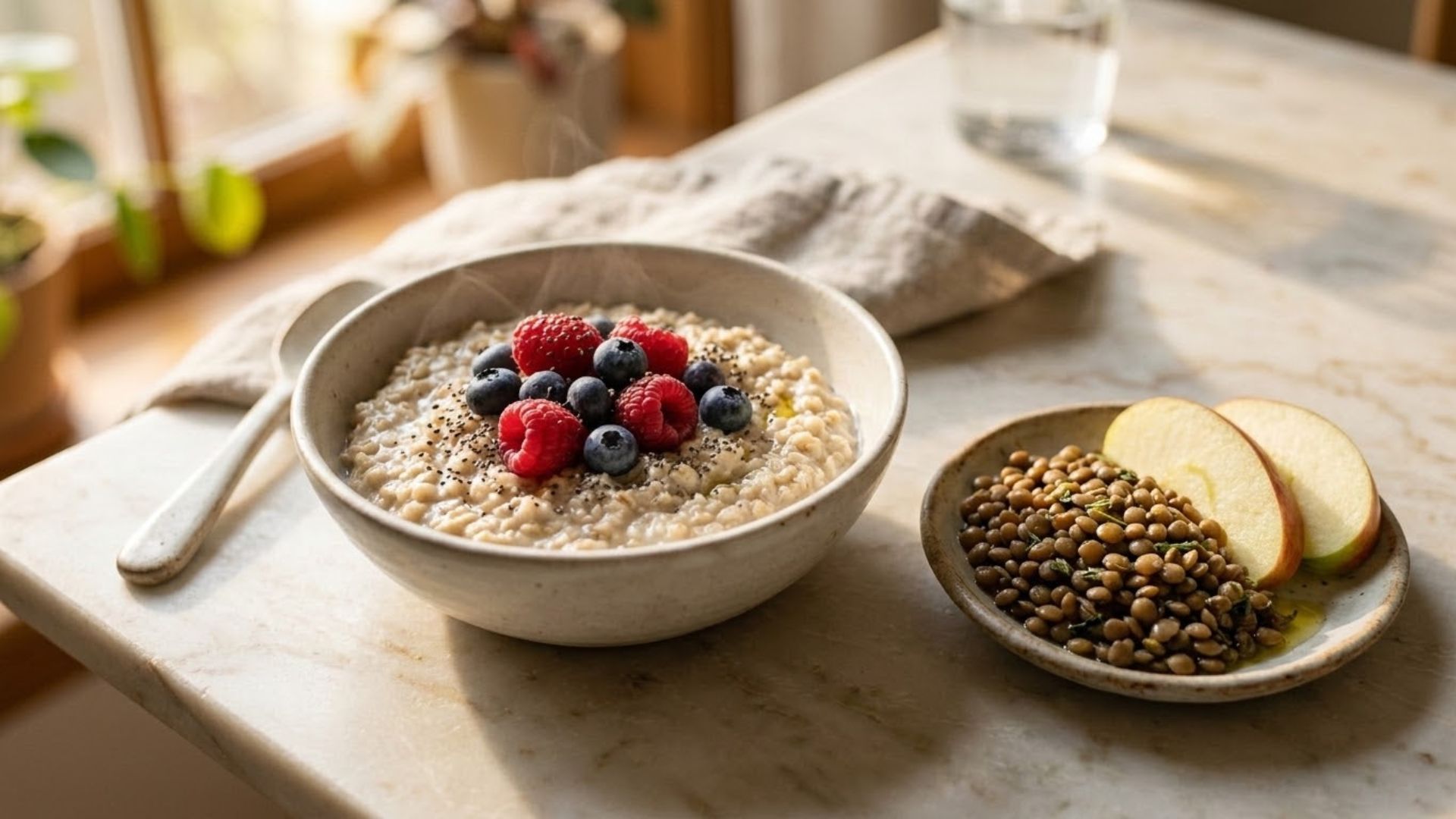
| Oats | Soluble beta-glucan | Gentle, filling, great for blood sugar too |
| Chia and flax seeds | Soluble and viscous fiber | Start small, hydrate well |
| Psyllium husk | Soluble bulking fiber | Well tolerated, regulates both directions |
| Kiwi | Fiber plus natural digestive enzymes | Two a day is a research-backed regularity trick |
| Firm bananas | Resistant starch, low FODMAP when just ripe | Overripe bananas climb higher in FODMAPs |
| Carrots, spinach, green beans | Steady vegetable fiber | Reliable everyday staples |
| Oranges and strawberries | Pectin, gentle fruit fiber | Easier than apples or pears for many |
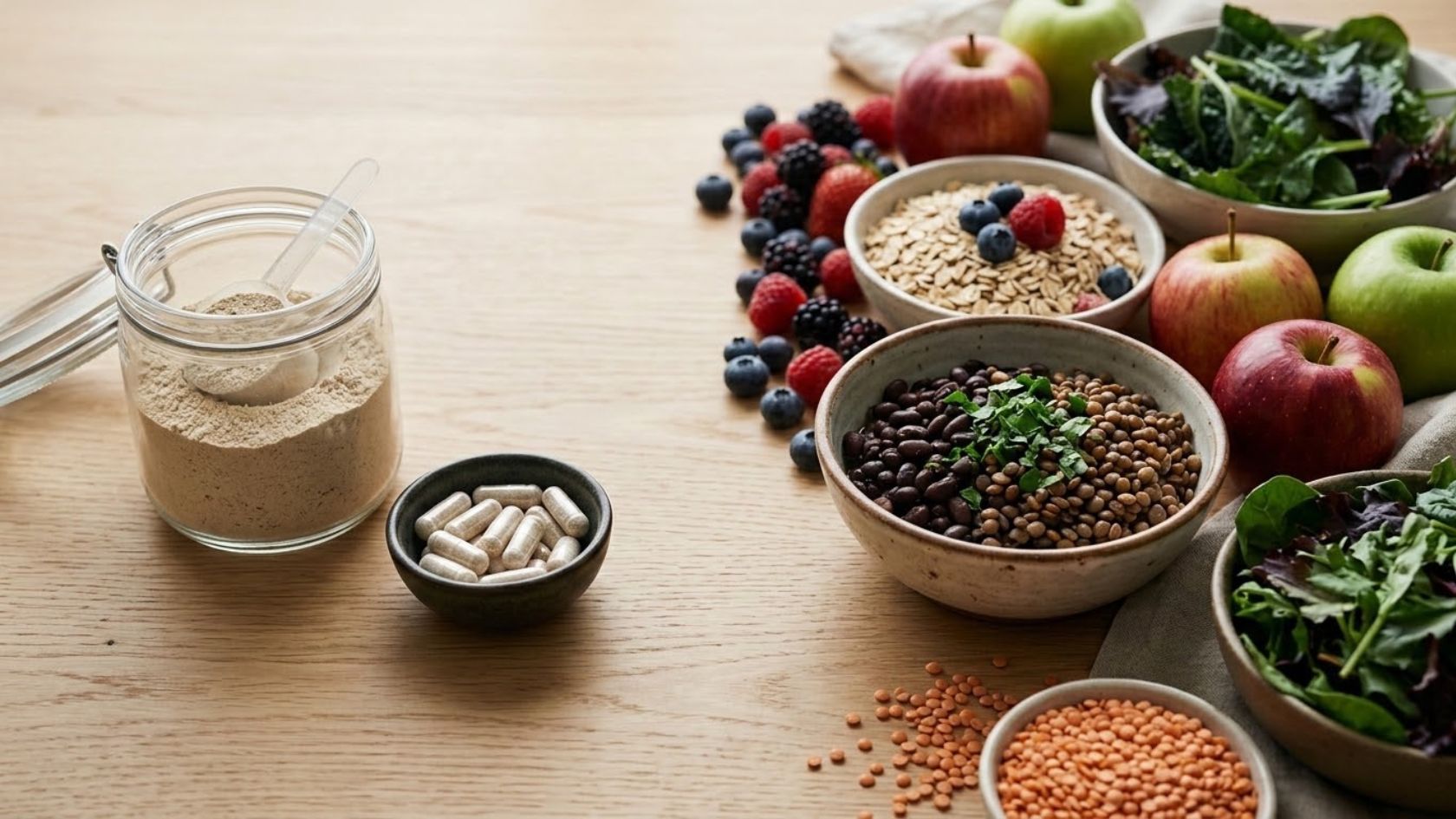
Acacia fiber deserves a special shout here. It ferments slowly and gently, which makes it one of the better-tolerated prebiotic supplements for touchy guts. If you have been scared off prebiotics entirely, acacia is often the peace offering that works. For a deeper look at how the different prebiotics compare, the rundown on inulin, acacia, and psyllium sorts out which one suits which stomach.
A personal note on getting this wrong
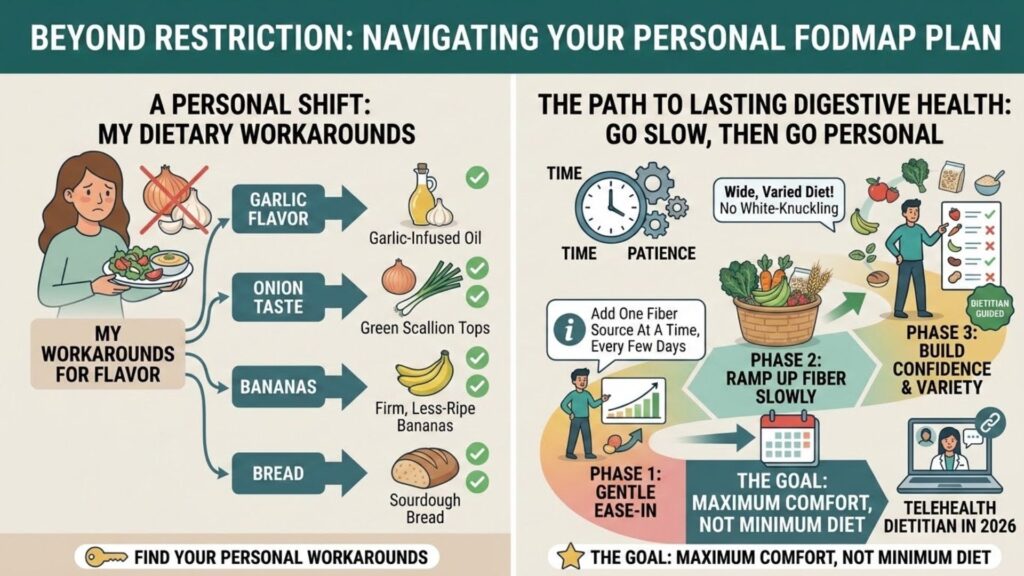
I spent a stretch of years convinced I simply could not handle “healthy” food. Salads with onion, bean-heavy chili, that trendy garlicky hummus everyone raved about, all of it left me miserable and a little embarrassed. It took an actual dietitian to point out the obvious: I was not fiber-intolerant, I was FODMAP-sensitive, and those are wildly different problems with wildly different solutions. Swapping garlic-heavy dishes for garlic-infused oil, which carries the flavor without the FODMAPs, changed my life more than I want to admit. Small tweak, enormous payoff.
That kind of workaround is the heart of this approach. Garlic-infused oil instead of raw garlic. The green tops of scallions instead of the white onion base. Firm bananas instead of overripe ones. Sourdough instead of standard wheat bread. You are not giving up flavor or fiber. You are routing around the specific molecules that cause trouble.
Go slow, then go personal
One warning that applies double for sensitive guts: ease in. A gut already prone to complaining does not need a sudden fiber flood on top of everything else. Add one new fiber source at a time, give it several days, and keep water intake high. If you want the full method for building up without the digestive drama, ramping fiber gently and safely is the playbook that keeps this from backfiring.
And please, do not white-knuckle a severe restriction alone forever. In 2026, working with a registered dietitian, often over a quick telehealth visit, has never been easier, and the reintroduction phase is genuinely worth doing with guidance. The goal is the widest, most varied diet your gut can comfortably handle, not the narrowest one that keeps you safe but malnourished and anxious about food.
A sensitive gut is not a life sentence of plain rice and boiled chicken. It is an invitation to eat smarter, to learn your own body with a curiosity most people never bother to bring to their digestion. The fiber is still there for you. The bloating was never the price of admission. It was just a case of mistaken identity. So here is what I keep wondering: how many people have written off vegetables entirely, when the real fix was never quitting fiber at all, but simply switching which fibers made it onto the plate?