





Your body thinks a looming work deadline is a charging lion. That is not a metaphor. The same ancient alarm system that once helped your ancestors sprint from predators now fires over unread emails, and it floods you with the same chemical: cortisol. The trouble is, the lion used to leave. Your inbox never does. And that is where a humble little plant, sacred in India for thousands of years, quietly enters the picture.
Holy basil, or tulsi as it is known across South Asia, has become one of the more talked-about answers to our modern cortisol problem. The question is whether it earns the hype. Mostly, I think it does, but with caveats worth knowing.
Cortisol Is Not the Villain You Think It Is
Let me clear up the biggest misunderstanding first, because the wellness internet in 2026 has turned cortisol into a boogeyman. Cortisol is not bad. You would be in serious trouble without it. It wakes you up in the morning, sharpens your focus under pressure, and helps regulate everything from blood sugar to inflammation.
The problem is never cortisol itself. It is cortisol that will not switch off. When stress becomes chronic, that alarm keeps ringing long after the threat is gone, and you end up living in a low-grade state of emergency. That is the state tulsi is built for, and understanding the wider mechanics of how these herbs steady the system is exactly what the natural support for chronic stress framework walks through.

What Elevated Cortisol Actually Feels Like
Here is what makes this so sneaky. High cortisol rarely announces itself as “stress.” It disguises itself as a dozen small complaints you would never connect.
That wired-but-tired feeling at bedtime. The stubborn belly weight that will not budge no matter how clean you eat. The 3 p.m. sugar crash. Brain fog. A short temper. Waking at 3 a.m. with your heart racing over nothing. Individually, they seem unrelated. Together, they often point to a stress hormone stuck in the on position.
I spent a whole year blaming my afternoon crashes on bad sleep before a colleague pointed out the obvious. The sleep was bad because the cortisol rhythm was inverted. High at night, flat in the morning, exactly backward. That realization changed how I approached my own routine.
How Holy Basil Steps In
Tulsi does not force cortisol down like a hammer. It nudges. That gentleness is the point, and it is what separates it from harsher interventions.
The plant contains compounds that appear to help modulate the stress response, supporting the body’s ability to return cortisol toward its normal daily rhythm rather than crushing it. Research, though still building, has linked holy basil to reductions in stress symptoms, better mood, and improved sleep quality in stressed adults. For a grounded look at the traditional and emerging evidence, the Mount Sinai health library keeps a clear, sober summary.
As one Ayurvedic practitioner I spoke with framed it, “Tulsi is not a sledgehammer. It is a hand on your shoulder telling your body it is safe to stand down.” That captured it better than any clinical description I could offer.
Who Should Reach for Tulsi First
Not every stressed person needs the same herb, and this is where matching matters. Holy basil shines for the person whose stress lives in the body: the tension, the clenching, the physical restlessness, the cortisol-driven cravings.
| Your stress shows up as… | Is holy basil a good fit? |
| Physical tension, tight shoulders | Yes, strongly |
| Afternoon crashes and sugar cravings | Yes |
| Trouble winding down at night | Yes |
| Flat, foggy exhaustion | Not the first choice |
| Racing panic in the moment | Supportive, not a rescue |
If your stress reads more like depletion than tension, the energizing profile of rhodiola for the burnout state will serve you better. Tulsi is the calmer, not the recharger. Know which one your body is actually asking for.
How to Use It Without Overthinking
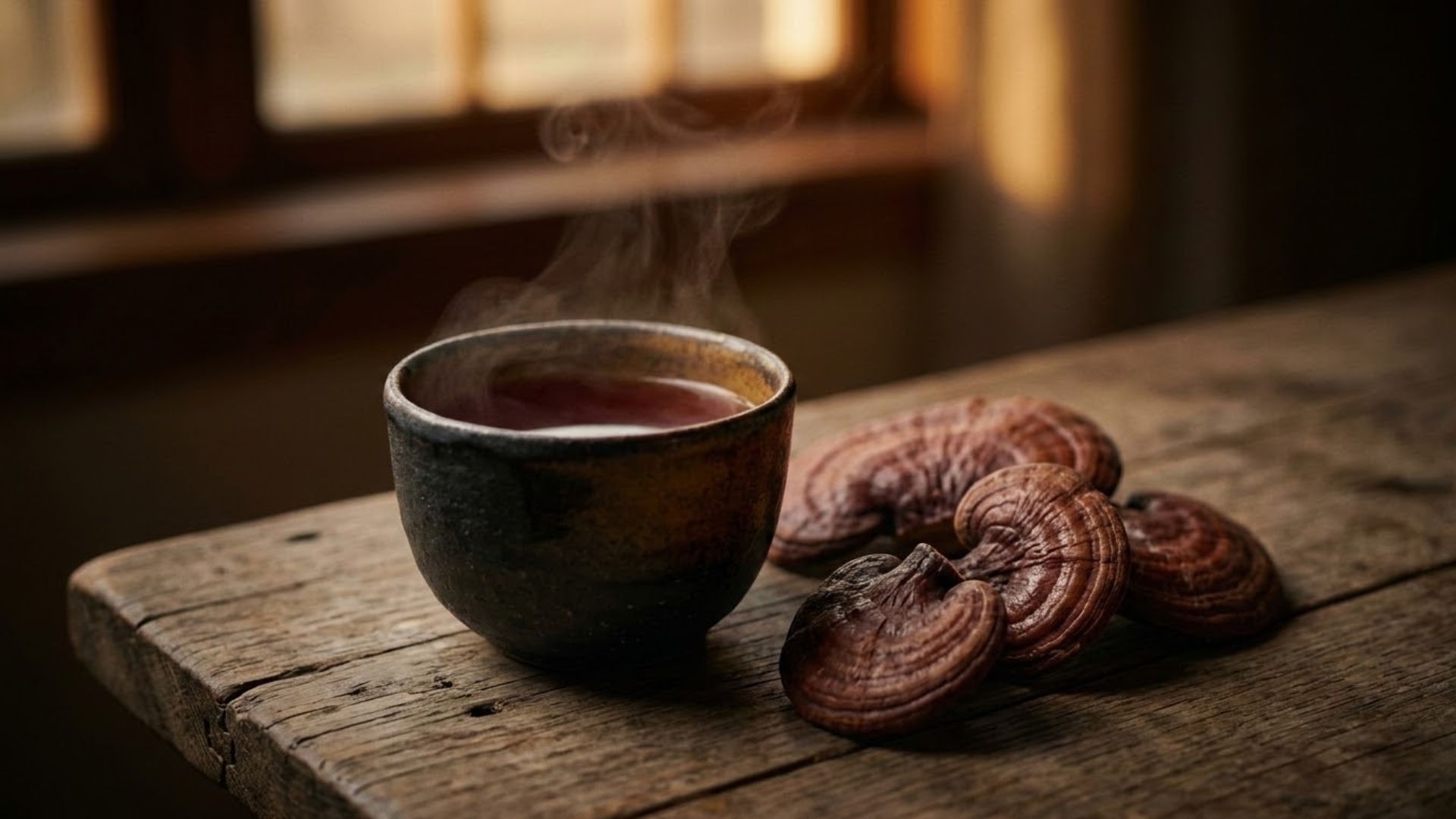
The easiest entry point is the one closest to tradition: a cup of tulsi tea. It is gentle, pleasant, and hard to overdo. For a more consistent effect, capsules and extracts standardized for stress support are widely available and easy to fold into a routine.
Timing is flexible, but many people do best taking it in the later part of the day, when the goal is to signal the body toward calm. Consistency beats intensity here. Tulsi is a slow build, not a switch. Give it several weeks before deciding.
A word of caution, because this is a health decision and I will not gloss over it. Holy basil may affect blood sugar and blood clotting, and it is generally not recommended during pregnancy or when trying to conceive. If you take medication or have a condition, talk to a clinician before starting. That is not a legal disclaimer. It is genuine care.

The Bigger Picture Nobody Mentions
Here is the uncomfortable truth. No herb, tulsi included, can outrun a life that keeps the alarm ringing. Holy basil can help your body recover between stressors, but if the stressors never let up, you are bailing water out of a boat with a hole in it. The herb buys you calmer moments. What you do with them is the real intervention.
And if you decide to build a wider routine, pairing tulsi with other adaptogens can work well, but only when done deliberately. Throwing several calming herbs together without a plan tends to muddy the results, which is exactly why a thoughtful approach to combining adaptogens safely matters before you start layering.
Tulsi has been called “the incomparable one” in Sanskrit for a very long time. After watching it help people, and myself, ease out of that stuck-in-emergency feeling, I understand the reverence. It is not magic. It is a quiet, reliable ally for a nervous system that forgot how to stand down. So here is what I keep coming back to: if your body has been treating your ordinary life like a lion attack, what would it feel like to finally convince it the lion is gone?