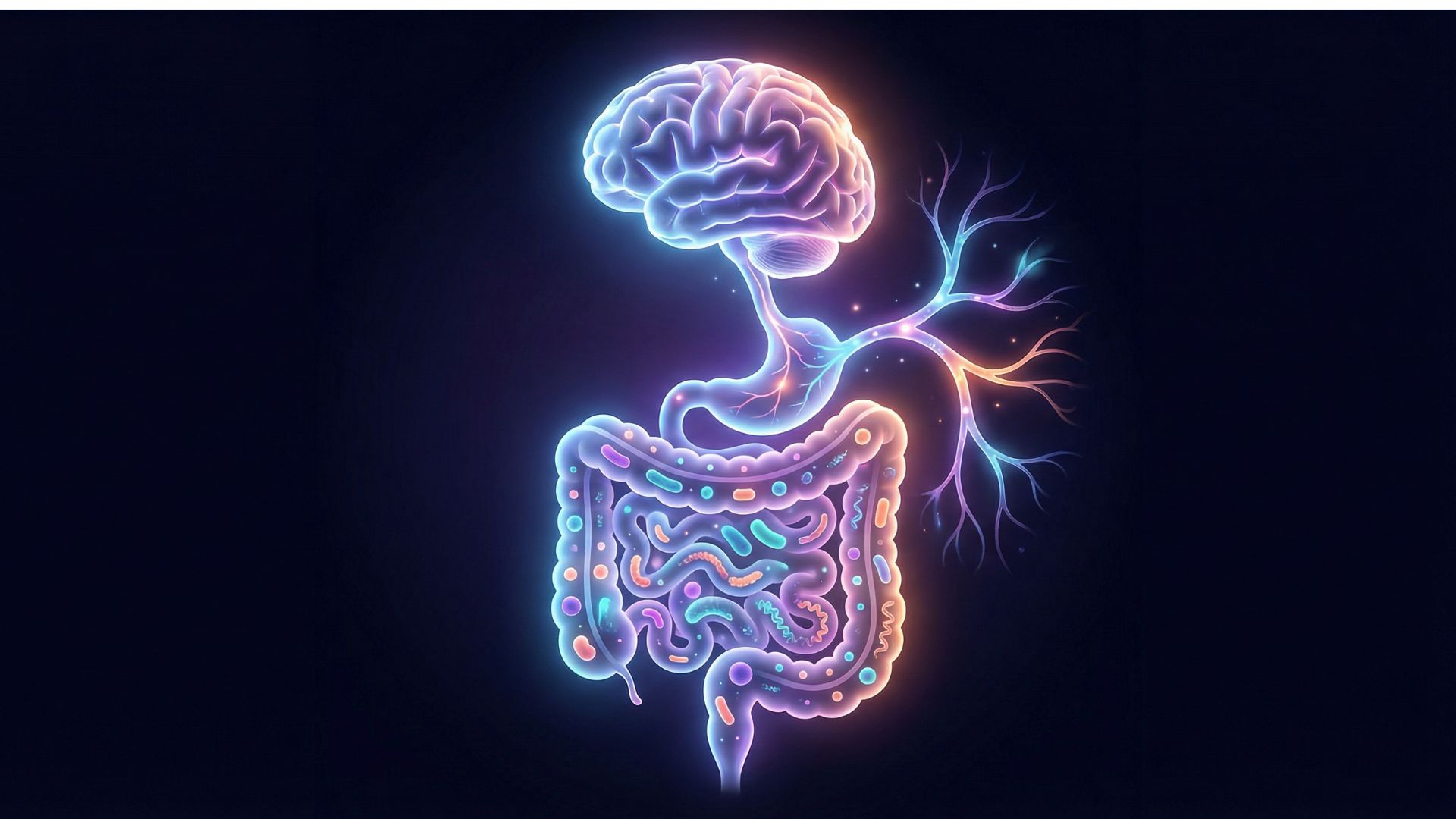



Picture the last time you ate a big bowl of white rice or a stack of pancakes and then, an hour later, felt like someone unplugged you. That crash has a name, and it starts with a spike. Your blood sugar shot up fast, your body scrambled to bring it down, and it overcorrected. Now imagine flattening that whole rollercoaster with something as simple as what you eat alongside those carbs. That is the quiet power of fiber, and in 2026, with continuous glucose monitors showing up on the arms of people who have never been diabetic, more Americans are watching this play out in real time than ever before. If you want the wider picture on why so many of us fall short on fiber to begin with, that context frames everything below.
The spike is not the enemy. The size is.
Let us clear something up, because glucose panic has gotten out of hand online. Your blood sugar is supposed to rise after you eat. That is normal biology, not a red flag. What matters is how high it climbs and how hard it falls afterward. A sharp peak followed by a steep drop is what leaves you foggy, hungry again within the hour, and reaching for a second coffee you do not need.
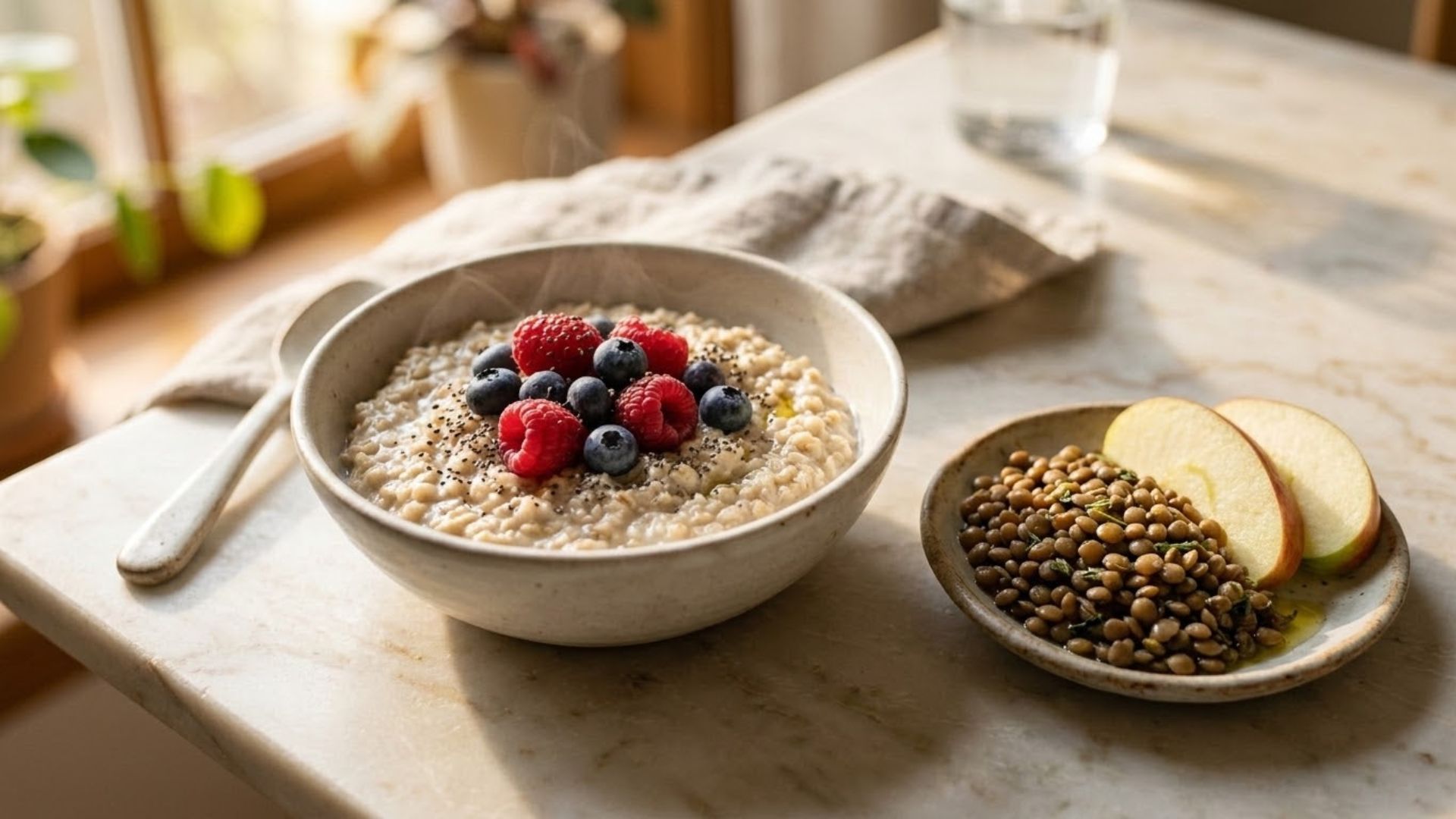
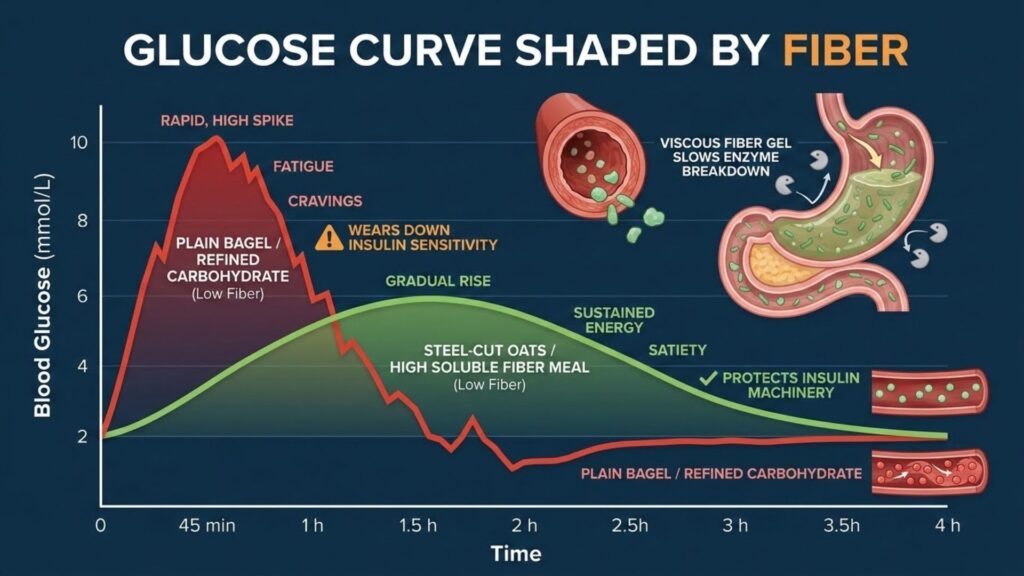
Fiber changes the shape of that curve. Soluble fiber in particular forms a gel in your gut that slows how fast sugar enters your bloodstream. Instead of a spike, you get a gentle hill. Same meal, radically different aftermath. That single mechanism explains why a plain bagel wrecks some people while steel-cut oats keep them steady for hours.
How the gel actually works
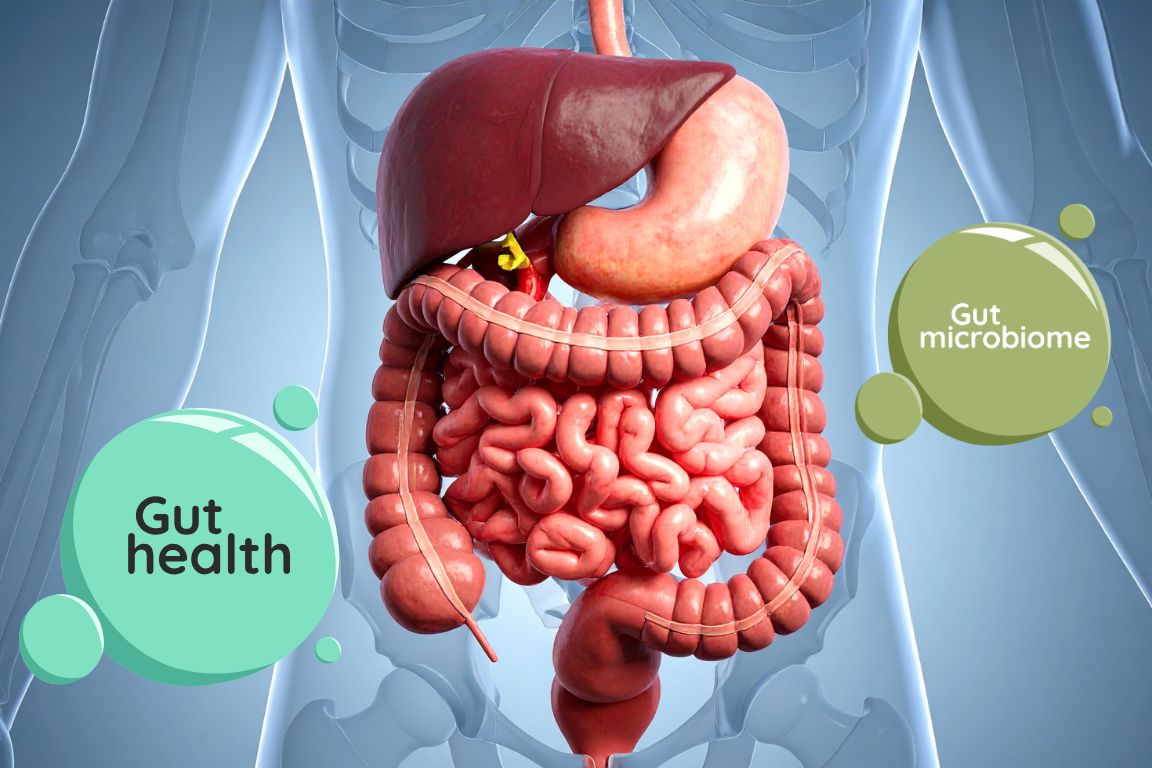
Here is the part most articles skip. When soluble fiber meets water in your digestive tract, it thickens into a viscous gel. That gel physically slows the enzymes that break carbohydrates into sugar, and it delays how quickly your stomach empties into the small intestine. The result is that glucose trickles in rather than flooding in.
Your pancreas notices the difference. When sugar arrives slowly, it releases insulin in a calm, measured way. When sugar floods in, insulin has to surge, and those repeated surges are what wear down insulin sensitivity over years. So fiber is not just smoothing today’s energy. It is protecting the machinery that keeps your blood sugar healthy for decades.
The real-world difference
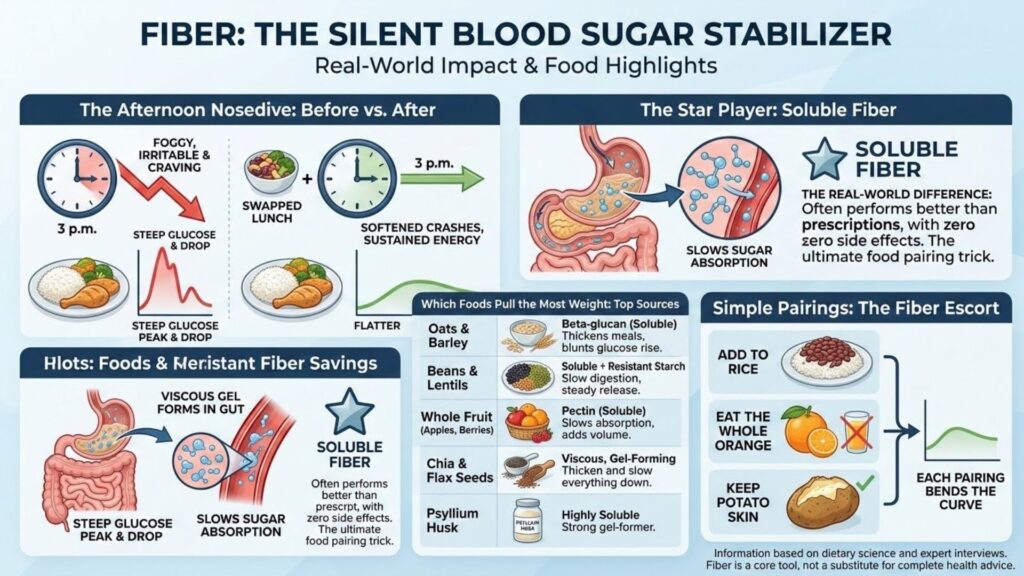
I started paying attention to this during a stretch when my afternoons were a disaster. Every day around 3 p.m., I would nosedive, foggy and irritable, blaming stress or bad sleep. Then I swapped my lunch, adding a fiber-rich side to the same basic meals. Beans here, a pile of vegetables there, a piece of fruit with the skin left on. Within a week the crashes softened. Nothing dramatic, no supplement, just fiber doing its patient work in the background.
That anecdote is not unique. As one endocrinologist I interviewed for a health piece last year told me, “I can hand a patient a prescription, or I can hand them a plate with more fiber on it. The plate often does more, and it never causes a side effect I have to warn them about.” That framing stuck with me. Fiber rarely gets the credit that flashier interventions do, precisely because its benefits are so undramatic.
Which foods pull the most weight
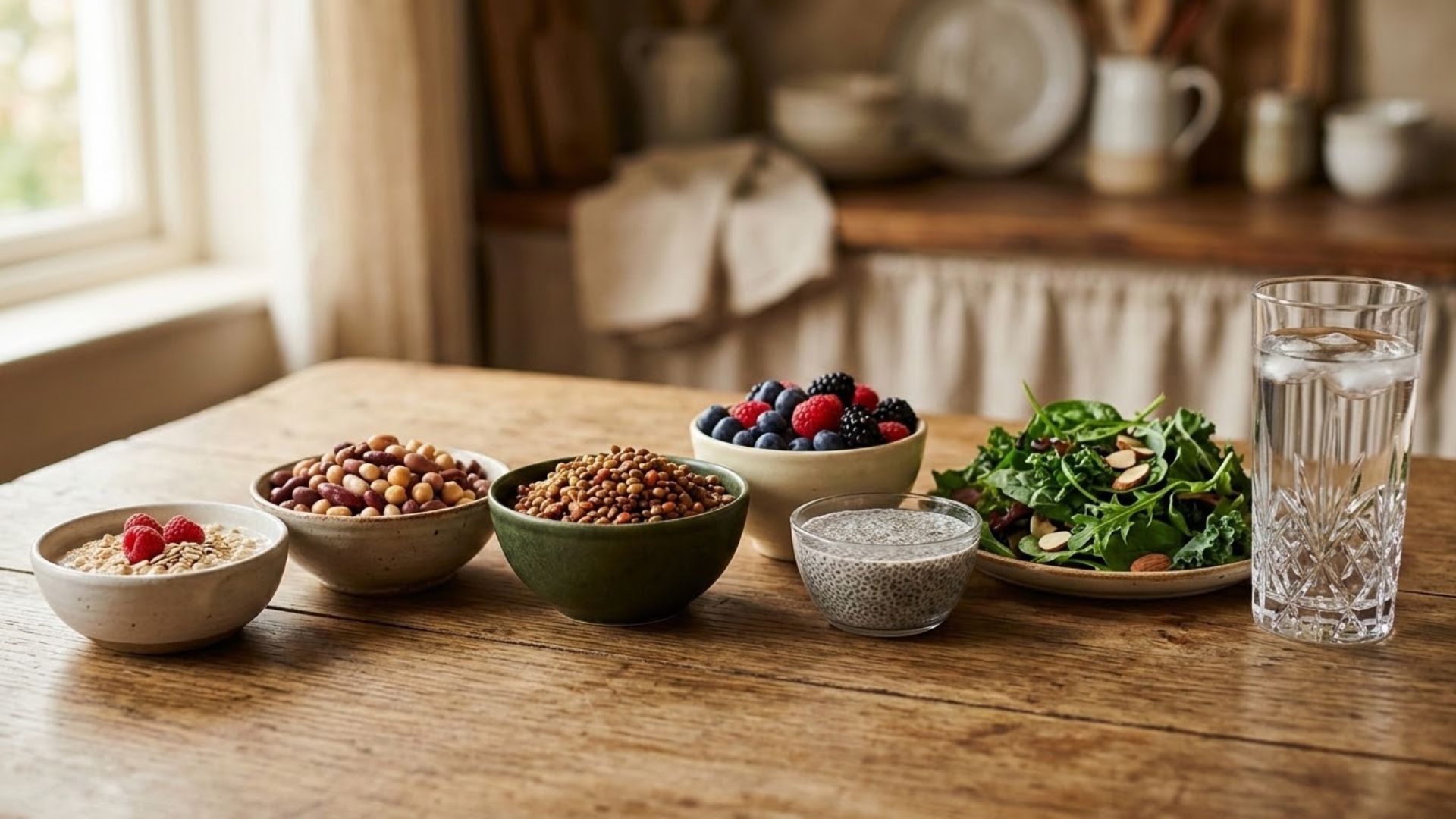
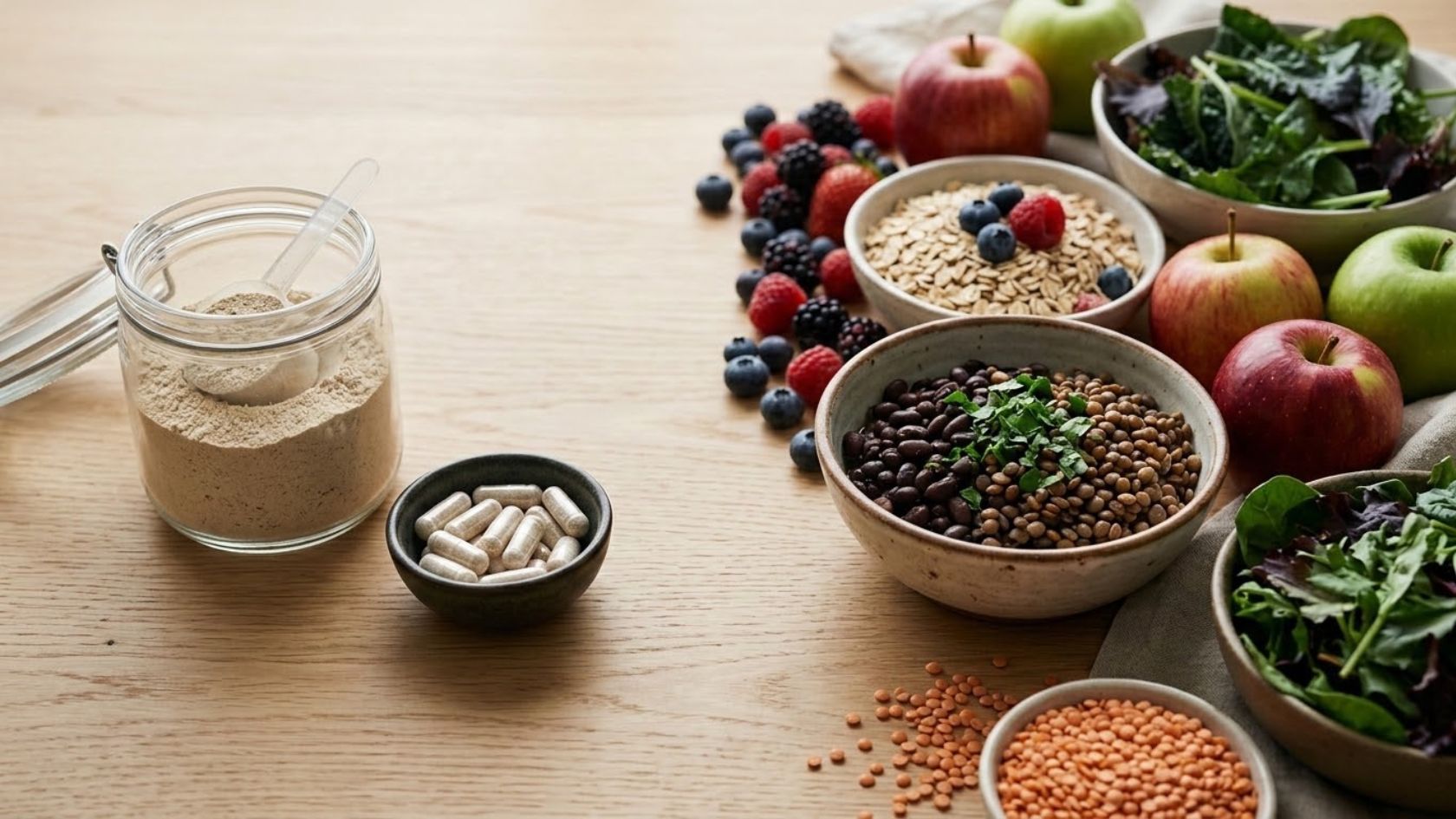
Not all fiber is equal here. Soluble fiber, the gel-forming kind, is the star for blood sugar. Here is where it hides.
| Food | Fiber type highlight | Why it helps blood sugar |
| Oats and barley | Beta-glucan (soluble) | Forms a thick gel that blunts glucose rise |
| Beans and lentils | Soluble plus resistant starch | Slow digestion, steady release |
| Apples, oranges, berries | Pectin (soluble) | Slows sugar absorption, adds volume |
| Psyllium husk | Highly soluble | Among the strongest gel-formers available |
| Chia and flax seeds | Soluble and viscous | Thicken meals, slow the whole process |
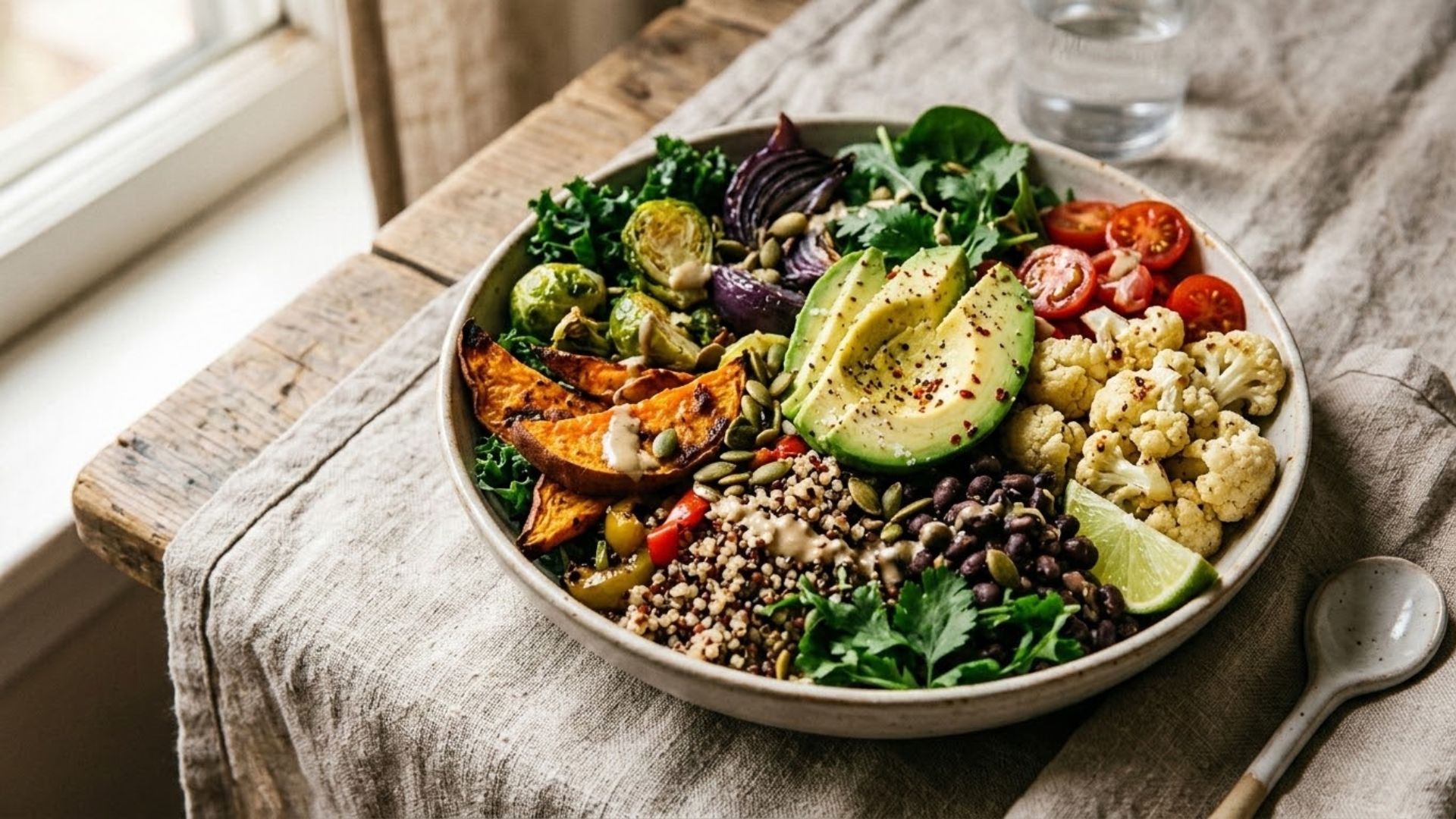
The trick is pairing. You do not have to abandon the carbs you love. You have to build them a fiber escort. Toss beans onto rice. Leave the skin on the potato. Eat the whole orange instead of drinking the juice. Each small pairing bends the curve a little flatter.
Order matters more than you think
One underrated 2026 talking point deserves a mention: food sequencing. A growing body of research suggests that eating your fiber and protein before your starches blunts the glucose spike from the same meal. Same food, same calories, different order, measurably calmer blood sugar. It sounds almost too simple, and yet the continuous glucose monitor crowd has made it something of a movement. Start your meal with the salad, not the bread basket, and your body handles the rest of the plate better.
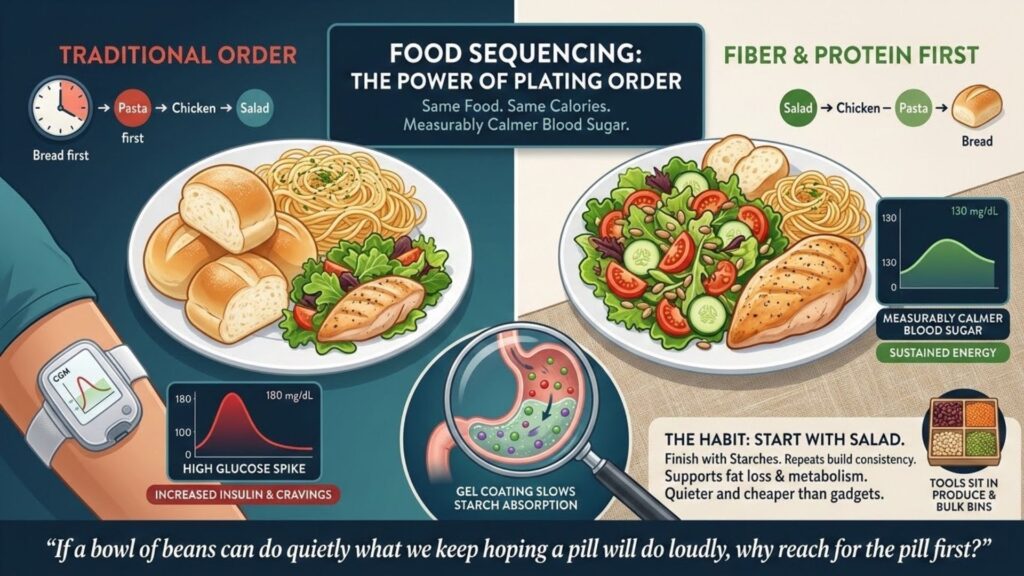
None of this requires perfection. It requires a slight shift in how you assemble a plate, repeated often enough to become automatic. That is the whole game with fiber. It rewards consistency over intensity, which is exactly why crash approaches fizzle while quiet habits stick. If you are trying to lose weight, this same steadiness is what keeps hunger from hijacking your day, a link worth exploring in how fiber quiets appetite and supports fat loss.
Blood sugar control is not about fear, and it is certainly not about swearing off every carb you enjoy. It is about slope. A gentler rise and a softer fall, meal after meal, add up to steadier energy, fewer cravings, and a metabolism that stays resilient as you age. The tools are already sitting in the produce aisle and the bulk bins, cheaper and quieter than any gadget on your wrist. If you want to build the full foundation, easing into more fiber the smart way is where the habit actually takes root. So here is what I keep coming back to: if a bowl of beans can do quietly what we keep hoping a pill will do loudly, why do so many of us still reach for the pill first?