



Learn how omega-3 fatty acids reduce inflammation while omega-6 seed oils make it worse. Balance your fats for less pain and better health today.
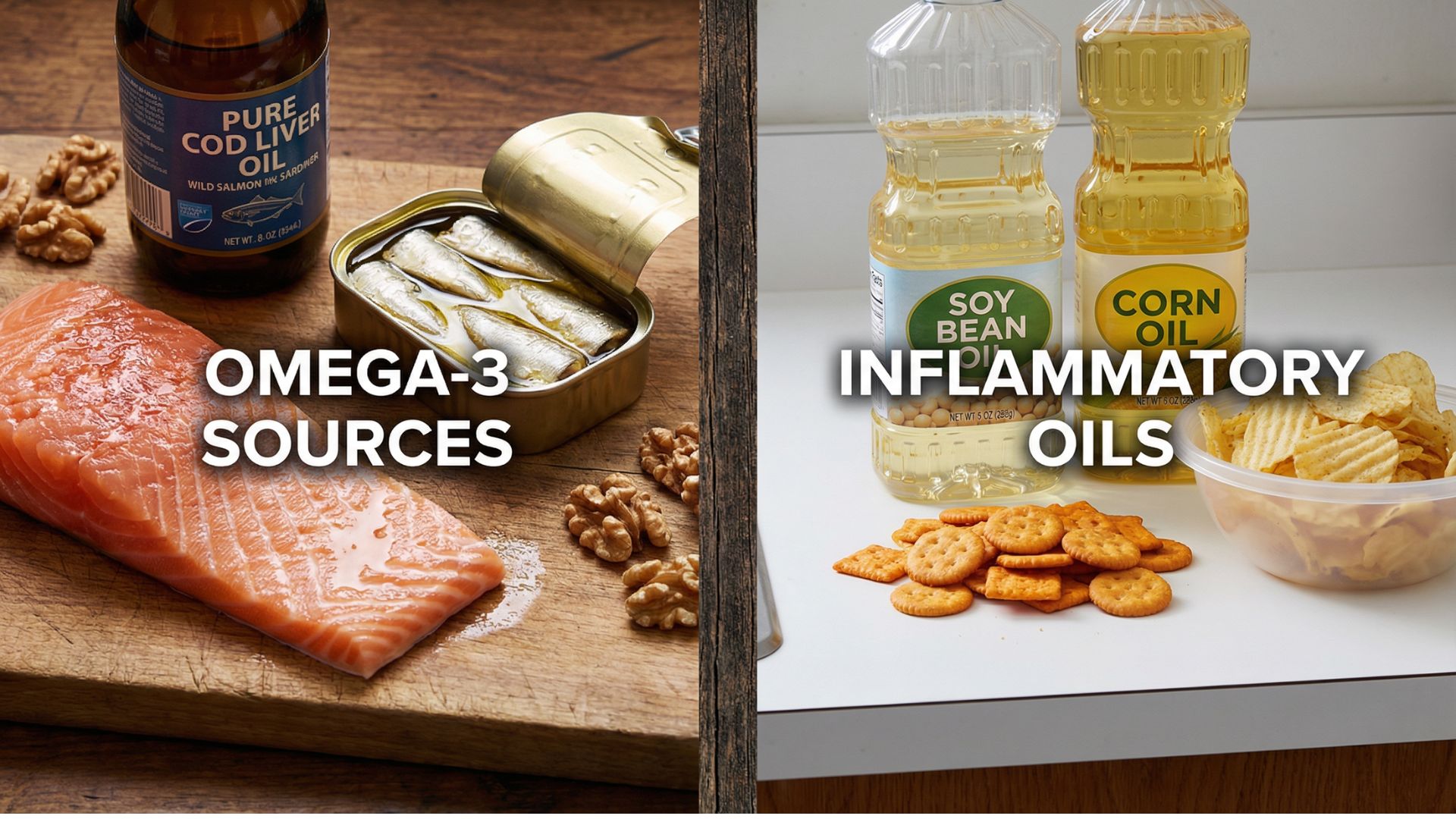
The fats you consume either calm inflammation or pour gasoline on the fire. Omega-3 fatty acids from fish, cod liver oil and sardines actively reduce inflammatory markers throughout the body. Meanwhile, the omega-6 fatty acids flooding our food supply through seed oils do the opposite. Getting this balance right represents one of the most impactful steps anyone can take to reduce inflammation naturally without complicated interventions or expensive treatments.
Understanding essential fatty acids
Your body cannot manufacture omega-3 or omega-6 fatty acids from scratch. They must come from food, which is why nutritionists call them essential fatty acids. Both play important roles in cellular function, but the ratio between them matters enormously for inflammation.
Throughout human evolution, our ancestors consumed roughly equal amounts of omega-3 and omega-6 fats. Wild game, fish, nuts and seeds provided these fats in natural proportions. Our biochemistry developed expecting this balance.
Modern diets have thrown this ratio wildly out of whack. The average American now consumes somewhere between 15 to 25 times more omega-6 than omega-3. Some estimates run even higher. This dramatic imbalance promotes chronic inflammation as a baseline state rather than an occasional response to injury or infection.
The shift happened relatively recently in evolutionary terms. Industrial seed oils entered the food supply only in the past century. Vegetable shortening appeared in 1911. Soybean oil production exploded after World War II. These cheap, shelf-stable oils quickly dominated processed food manufacturing and restaurant cooking.
Your grandmother likely cooked with butter, lard and tallow. These traditional fats contain minimal omega-6 and caused none of the inflammatory problems we now associate with dietary fat. The real culprits hiding in plain sight are the so-called heart-healthy vegetable oils promoted for decades.
How omega-3s reduce inflammation
Omega-3 fatty acids work through multiple mechanisms to calm inflammatory processes. Understanding these pathways helps explain why fish oil and similar supplements produce such broad benefits across seemingly unrelated conditions.
Competing for enzyme access
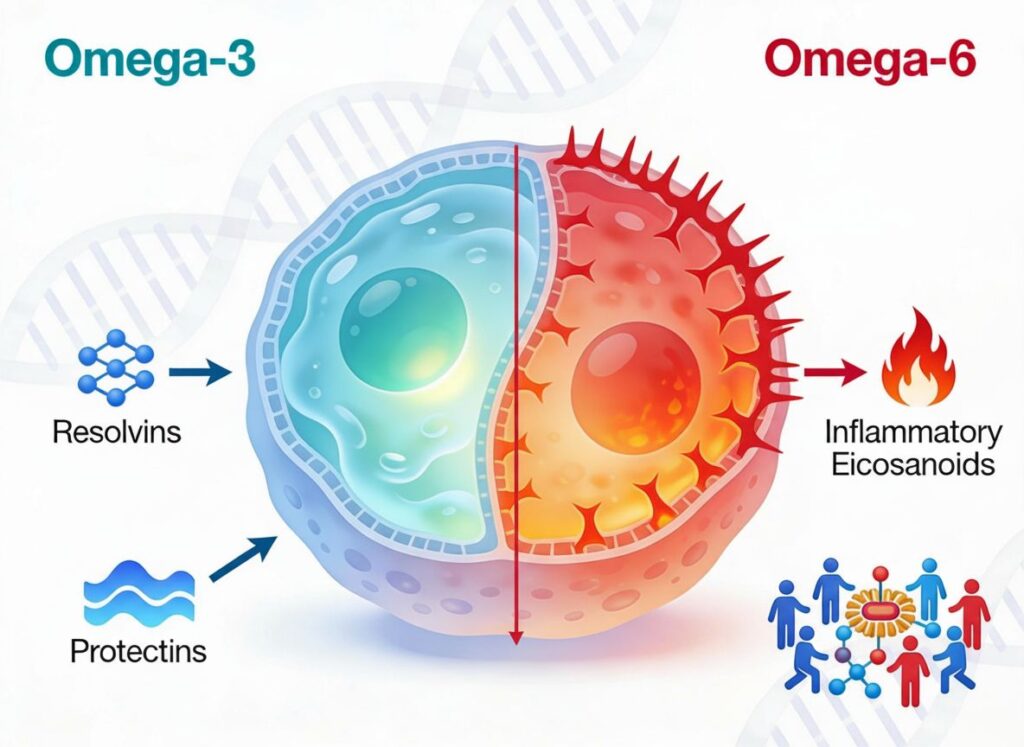
Omega-3 and omega-6 fatty acids compete for the same enzymes that convert them into signaling molecules. When omega-6 wins this competition, the resulting compounds called eicosanoids promote inflammation. When omega-3 wins, the eicosanoids produced have anti-inflammatory effects.
Think of it like two teams competing for playing time. Whichever team has more players available gets more minutes on the court. Increasing omega-3 intake while decreasing omega-6 shifts the roster in favor of anti-inflammatory outcomes.
Specialized pro-resolving mediators
Your body converts omega-3 fatty acids into compounds called resolvins, protectins and maresins. These specialized pro-resolving mediators actively shut down inflammatory processes once they’ve served their purpose. They clean up the aftermath of inflammation and restore tissues to their baseline state.
Without adequate omega-3 intake, your body cannot produce sufficient quantities of these resolution signals. Inflammation that should resolve naturally instead persists and becomes chronic. The fire keeps burning because you lack the materials to put it out.
Cell membrane composition
Every cell in your body is surrounded by a membrane made largely of fatty acids. The types of fats you eat directly influence membrane composition. Omega-3 fatty acids incorporated into membranes make cells more fluid and responsive to signaling.
Cell membranes rich in omega-6 fatty acids become more rigid and prone to inflammatory signaling. Immune cells with omega-6 dominant membranes react more aggressively. Nerve cells transmit signals less efficiently. The wrong membrane composition creates dysfunction throughout your body.
Gene expression effects
Omega-3 fatty acids influence which genes get turned on and off. They suppress genes that code for inflammatory proteins while activating genes involved in resolution and repair. This epigenetic effect explains why consistent omega-3 intake produces benefits beyond what acute supplementation achieves.
The problem with seed oils
Seed oils, often misleadingly labeled vegetable oils, include soybean, corn, canola, cottonseed, sunflower and safflower oils. These products dominate modern food production due to their low cost and long shelf life. Unfortunately, they come loaded with omega-6 fatty acids that promote inflammation.
How they’re made
The extraction process for seed oils involves high heat, chemical solvents and extensive processing. Seeds don’t release their oils easily like olives or coconuts do. Industrial methods force extraction through means that damage the delicate polyunsaturated fats.
By the time these oils reach your kitchen or the restaurant fryer, they’ve already undergone oxidation that creates harmful compounds. Heating them further accelerates this damage. The crispy fries and fried chicken that taste so good come coated in oxidized, inflammatory fats.
Where they hide
Reading ingredient labels reveals just how pervasive seed oils have become. Salad dressings, mayonnaise, crackers, cookies, bread, chips, frozen meals and virtually all packaged foods contain them. Restaurant meals swim in soybean and canola oil regardless of cuisine type.
Even foods marketed as healthy often contain problematic oils. That organic granola bar or natural peanut butter alternative may list sunflower or safflower oil. Grocery store rotisserie chickens get cooked in seed oils. The default assumption should be that any food you didn’t prepare yourself contains these inflammatory fats.
| Oil Type | Omega-6 Content | Inflammation Effect |
| Soybean oil | 51% | Highly inflammatory |
| Corn oil | 54% | Highly inflammatory |
| Cottonseed oil | 52% | Highly inflammatory |
| Sunflower oil | 66% | Highly inflammatory |
| Canola oil | 21% | Moderately inflammatory |
| Olive oil | 10% | Neutral to beneficial |
| Coconut oil | 2% | Neutral |
| Butter | 3% | Neutral |
| Tallow | 3% | Neutral |
Best sources of omega-3 fatty acids
Not all omega-3 sources provide equal benefits. The forms found in marine sources differ from plant sources in ways that matter significantly for reducing inflammation.
Fatty fish
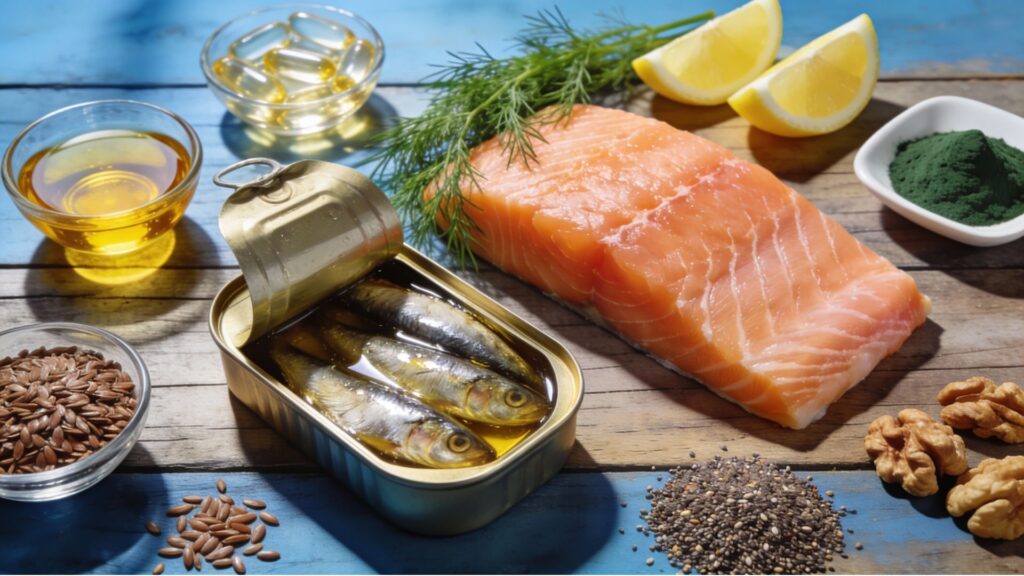
Wild-caught salmon, sardines, mackerel, anchovies and herring deliver omega-3s in their most bioavailable forms: EPA and DHA. These long-chain fatty acids can be used immediately by your body without conversion. Eating fatty fish two to three times weekly provides substantial anti-inflammatory benefit.
Sardines deserve special attention for several reasons. They cost less than salmon while providing comparable omega-3 content. Their small size means less mercury accumulation than larger fish. A single can provides protein, calcium from the soft bones and a hefty dose of inflammation-fighting fats.
Wild-caught fish consistently outperforms farmed for omega-3 content. Farmed salmon fed grain-based diets have altered fatty acid profiles favoring omega-6. The fish essentially become what they eat, just like humans do. When possible, choose wild-caught options.
Cod liver oil
This traditional supplement packs omega-3 fatty acids alongside vitamins A and D. A tablespoon daily provides meaningful amounts of all three nutrients. The combination proves particularly valuable since vitamin D independently reduces inflammation through mechanisms that complement omega-3 effects.
Quality matters significantly with cod liver oil. Some products contain oxidized oils that may cause more harm than benefit. Look for brands that test for freshness and purity. The oil should smell mildly fishy but not rancid. Capsules avoid taste issues but require more pills to reach equivalent doses.
Fish oil supplements
Concentrated fish oil capsules allow higher omega-3 intake without eating fish daily. Standard capsules contain 300 to 500 mg of combined EPA and DHA. Higher potency options deliver 1000 mg or more per capsule, reducing pill burden.
Triglyceride form fish oil absorbs better than ethyl ester forms common in cheaper products. The price difference reflects this quality distinction. Refrigerating fish oil after opening helps prevent oxidation.
Plant sources: valuable but limited
Flaxseeds, chia seeds, walnuts and hemp seeds contain alpha-linolenic acid, a short-chain omega-3. Your body must convert ALA to the longer EPA and DHA forms to obtain anti-inflammatory benefits. This conversion happens inefficiently, typically below 10%.
Plant omega-3 sources provide some benefit but cannot replace marine sources for inflammation reduction. Someone eating a tablespoon of flaxseed oil might convert only 5% to usable EPA. The same omega-3 quantity from fish oil arrives pre-converted and ready for use.
Vegans and vegetarians can obtain DHA from algae-based supplements. Algae is actually where fish get their omega-3s originally, making it the primary source in the food chain. Algae supplements cost more than fish oil but provide a direct DHA source without animal products.
How much omega-3 do you need
General health maintenance requires less omega-3 than therapeutic applications targeting active inflammation. Dosing should reflect your current state and goals.
For baseline health in someone eating a reasonable diet, 1 to 2 grams of combined EPA and DHA daily provides adequate support. This might come from fatty fish several times weekly plus occasional supplementation.
Active inflammatory conditions warrant higher intake. Doses of 3 to 4 grams daily show benefits for joint pain, cardiovascular inflammation and autoimmune conditions in research. Some protocols use even higher amounts short-term to bring acute inflammation under control.
The ratio of EPA to DHA matters for some applications. EPA appears more directly anti-inflammatory while DHA supports brain and nervous system function. Products emphasizing EPA suit inflammatory conditions while balanced or DHA-dominant products better serve cognitive goals.
Taking omega-3 supplements with food improves absorption. The presence of dietary fat helps your body uptake the fatty acids more efficiently. Some people experience fishy burps from fish oil; taking it with meals and refrigerating the product usually resolves this.
Reducing omega-6 intake
Increasing omega-3s helps, but reducing omega-6 intake accomplishes more than supplementation alone. You cannot out-supplement a bad diet. Addressing both sides of the ratio produces synergistic improvements.
Cook differently
Switch cooking fats from seed oils to stable alternatives. Butter, ghee, tallow, lard and coconut oil work well for high-heat cooking. Extra virgin olive oil suits lower temperature cooking and dressings. These traditional fats provided nourishment for generations without causing inflammatory epidemics.
Cast iron and stainless steel pans allow cooking with minimal added fat when desired. Non-stick pans coated with questionable chemicals matter less when you’re not avoiding fat anyway. Quality cookware lasts decades and simplifies healthy cooking.
Read labels obsessively
Check ingredient lists on everything you buy. Seed oils appear where you least expect them: bread, nut butters, protein bars, dried fruit, roasted nuts. Finding clean alternatives takes effort initially but becomes automatic once you identify trustworthy brands.
Store-bought salad dressings almost universally contain soybean or canola oil. Making your own from olive oil, vinegar and seasonings takes minutes and eliminates a major omega-6 source. Similarly, homemade mayonnaise using avocado or olive oil replaces a common inflammatory condiment.
Avoid restaurant food when possible
Restaurants use seed oils because they’re cheap and have neutral flavors. Even upscale establishments typically cook with canola or soybean oil unless they specifically advertise otherwise. Asking your server what oil the kitchen uses sometimes yields honest answers.
Eating at home gives you complete control over fat sources. When restaurant meals are unavoidable, choose options less likely to involve deep frying or heavy oil use. Grilled meats, steamed vegetables and simple preparations minimize exposure.
Seeing results from fatty acid changes
Shifting your omega balance produces noticeable improvements, though the timeline varies. Some people feel better within weeks. Others require months for accumulated omega-6 in cell membranes to turn over and be replaced with omega-3s.
Joint pain and stiffness frequently improve early. The lubricating and anti-inflammatory effects of omega-3s show up in how your joints feel during movement. Morning stiffness that used to last hours may resolve within minutes.
Skin often reflects internal fatty acid status. Dry, inflamed skin conditions sometimes improve as membrane composition shifts. The skin produces its own anti-inflammatory compounds from omega-3 fatty acids supplied through diet.
Mental clarity and mood stability benefit from adequate DHA. Your brain is roughly 60% fat by dry weight, much of it DHA. Supplying this critical building block supports neurotransmitter function and reduces neuroinflammation associated with depression and cognitive decline.
Building a complete strategy
Optimizing omega-3 intake provides powerful anti-inflammatory effects but works best combined with other interventions. Fatty acids address one piece of the inflammation puzzle while other factors continue contributing.
Meal timing influences inflammation through insulin and metabolic pathways that fatty acids don’t directly address. Understanding how intermittent fasting reduces inflammation adds another tool that complements omega-3 optimization. Together, these approaches produce results neither achieves alone.