





Discover how insulin resistance drives chronic inflammation and damages your body. Learn why low-carb eating breaks this destructive cycle naturally.
The relationship between blood sugar problems and chronic inflammation runs deeper than most people realize. High glucose circulating through your bloodstream damages the delicate lining of arteries, triggering inflammatory responses that compound over time. This cycle explains why metabolic issues and inflammatory conditions so frequently appear together. Breaking free requires understanding how to reduce inflammation naturally by addressing insulin resistance at its root through strategic dietary changes.
What insulin resistance actually means
Insulin functions as the key that unlocks your cells to receive glucose from your bloodstream. Every time you eat, especially carbohydrates, blood sugar rises and your pancreas releases insulin to shuttle that glucose into cells for energy or storage. This system works elegantly when functioning properly.
Problems begin when cells stop responding to insulin’s signal. The locks become sticky, requiring more keys to open them. Your pancreas compensates by producing ever-increasing amounts of insulin to achieve the same glucose-lowering effect. Blood insulin levels climb while cells remain relatively starved for fuel despite abundant glucose floating through your system.
This compensatory mechanism works for a while. Externally, blood sugar stays relatively normal because extra insulin forces the issue. But those elevated insulin levels create their own cascade of problems, including promoting inflammation throughout your body.
Eventually the pancreas cannot keep pace with demand. Insulin production maxes out while cells remain resistant. Now blood sugar starts climbing too, and type 2 diabetes gets diagnosed. But the inflammatory damage has been accumulating silently for years before that diagnosis.
Most estimates suggest over 80 million Americans have insulin resistance without knowing it. Many more hover in pre-diabetic ranges where damage actively occurs despite numbers not yet reaching diagnostic thresholds. By the time diabetes shows up on lab work, significant inflammatory injury has already happened.
The two-way street between insulin and inflammation
Insulin resistance and inflammation feed each other in a vicious cycle that can feel impossible to escape. Understanding this bidirectional relationship reveals why addressing one automatically improves the other.
High insulin levels directly promote inflammatory signaling. Insulin activates pathways that increase production of pro-inflammatory cytokines. These chemical messengers tell your immune system to ramp up inflammatory responses throughout your body. The more insulin circulating, the louder these inflammatory signals become.
Inflammation simultaneously worsens insulin resistance. Inflammatory cytokines interfere with insulin signaling at the cellular level. They essentially gum up the locks that insulin keys are supposed to open. This means inflammation from any source, whether gut issues, chronic infections, or stress, can trigger or worsen insulin resistance.
Fat cells add another layer to this mess. Adipose tissue, especially the visceral fat surrounding your organs, actively produces inflammatory compounds. Excess body fat isn’t just stored energy waiting to be used. It functions as an endocrine organ pumping out cytokines that promote both inflammation and insulin resistance.
This creates a self-reinforcing loop. Insulin resistance promotes fat storage. More fat produces more inflammatory signals. Those signals worsen insulin resistance. Which promotes more fat storage. Round and round it goes, each factor amplifying the others.
How high glucose damages your body
Beyond insulin’s direct inflammatory effects, elevated blood sugar itself causes tissue damage through several mechanisms. Understanding these helps explain why glycemic control matters so much for reducing inflammation.
Glycation and AGEs
Glucose molecules stick to proteins throughout your body in a process called glycation. These sugar-coated proteins form compounds called advanced glycation end products, appropriately abbreviated AGEs. The name hints at their effect on aging and degeneration.
AGEs accumulate in tissues and trigger inflammatory responses wherever they lodge. They damage blood vessel walls, stiffen collagen in skin and joints, and impair organ function. The hemoglobin A1c test measures glycated hemoglobin, giving a window into how much glycation occurs throughout your body based on average blood sugar over several months.
Higher blood sugar means more glycation and more AGEs. These compounds take time to clear even after blood sugar normalizes. Years of elevated glucose leave lasting deposits that continue promoting inflammation long after dietary changes begin.
Oxidative stress
High glucose increases production of reactive oxygen species, essentially creating more free radicals than your antioxidant systems can neutralize. This oxidative stress damages cell membranes, proteins and even DNA. The body recognizes this damage and responds with inflammation as part of attempted repair.
Blood vessel walls suffer particularly from glucose-induced oxidative stress. The endothelium, that single-cell-thick lining of your arteries, becomes dysfunctional when bombarded with free radicals. Injured endothelial cells trigger inflammatory cascades that eventually manifest as atherosclerosis.
Specific tissue damage
Different organs suffer characteristic damage from chronic high glucose. Recognizing these patterns helps connect seemingly unrelated symptoms to their metabolic root cause.
| Tissue | Type of Damage | Resulting Conditions |
| Blood vessels | Endothelial dysfunction, plaque formation | Heart disease, stroke, peripheral artery disease |
| Nerves | Myelin sheath damage, reduced blood flow | Peripheral neuropathy, numbness, tingling |
| Kidneys | Glomerular damage, protein leakage | Diabetic nephropathy, kidney failure |
| Eyes | Retinal blood vessel damage | Retinopathy, macular degeneration, cataracts |
| Brain | Neuroinflammation, reduced glucose uptake | Cognitive decline, increased Alzheimer’s risk |
| Joints | Cartilage glycation, inflammatory arthritis | Accelerated osteoarthritis, joint pain |
Every one of these conditions involves inflammation as a central mechanism. The glucose damage initiates injury, and inflammatory responses either attempt repair or cause additional collateral damage. Controlling blood sugar and insulin reduces injury while lowering inflammation simultaneously.
Symptoms suggesting insulin resistance
Many people live with insulin resistance for years without recognizing it. Lab work often appears normal until the condition advances significantly. Learning to recognize subtle signs allows earlier intervention before extensive damage occurs.

Fatigue after meals, especially carbohydrate-heavy ones, suggests your cells aren’t efficiently receiving glucose for energy. You eat but feel tired rather than energized. Blood sugar spikes then crashes as excessive insulin eventually drives levels too low.
Belly fat accumulation, particularly that stubborn visceral fat around your midsection, strongly correlates with insulin resistance. This body composition pattern indicates metabolic dysfunction even when weight falls within normal ranges. Skinny people can absolutely have insulin resistance.
Skin tags and darkened skin patches called acanthosis nigricans provide visible clues. These typically appear on the neck, armpits or groin. High insulin levels promote these skin changes that often precede diabetes diagnosis by years.
Intense carbohydrate cravings result from cells not receiving adequate fuel despite high blood sugar. Your brain senses energy deficit and demands quick carbohydrates to fix it. Eating more carbs spikes insulin further, worsening the underlying problem while temporarily satisfying cravings.
Brain fog and difficulty concentrating frequently accompany insulin resistance. Your brain requires stable glucose supply to function optimally. The roller coaster of spikes and crashes impairs cognitive performance and creates that fuzzy, unfocused feeling.
High blood pressure often develops alongside insulin resistance. Elevated insulin causes sodium retention and blood vessel constriction. Many cases of hypertension improve dramatically with dietary changes that restore insulin sensitivity.
Breaking the cycle with low-carb eating
Carbohydrate reduction represents the most direct intervention for insulin resistance. Fewer carbs mean lower blood sugar spikes which mean less insulin required. This simple logic explains why low-carb diets produce such dramatic results for metabolic conditions.
When carbohydrate intake drops sufficiently, typically below 50 grams daily, your body shifts to burning fat for fuel. This metabolic state called ketosis provides steady energy without the glucose and insulin spikes that perpetuate resistance. Many people report mental clarity and stable energy they haven’t experienced in years.
The ketogenic diet takes low-carb eating to therapeutic levels. By restricting carbohydrates to roughly 20 to 30 grams daily while increasing healthy fat intake, you train your metabolism to prefer fat as its primary fuel source. Insulin levels fall dramatically, often within days of starting.
Research consistently demonstrates that low-carb and ketogenic diets outperform low-fat approaches for improving insulin sensitivity, reducing inflammatory markers and producing sustainable weight loss. The metabolic advantages go beyond simple calorie reduction.
What to eat for insulin sensitivity
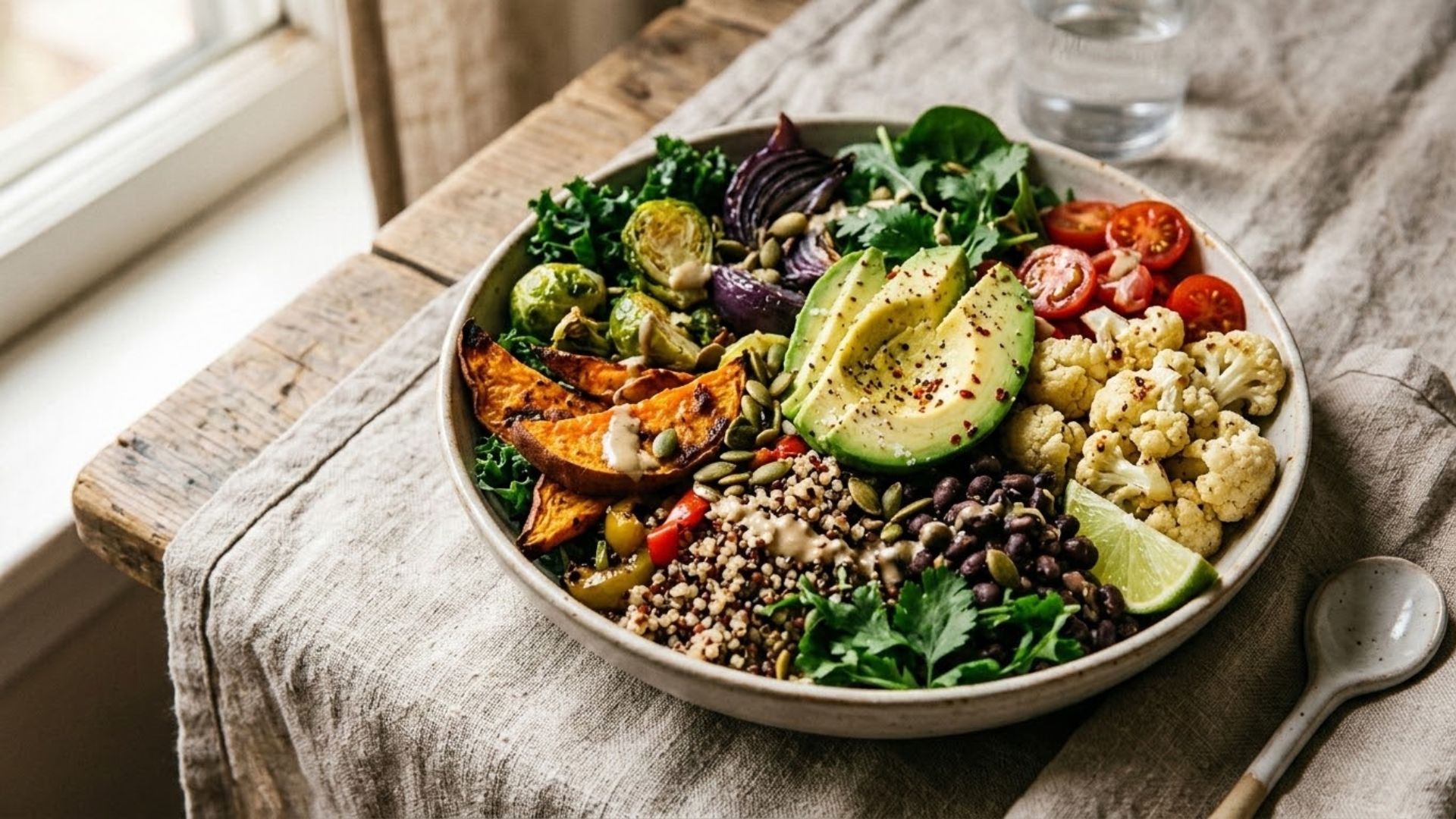
Focus meals around protein and healthy fats with non-starchy vegetables providing fiber and micronutrients. This template naturally limits carbohydrates while ensuring adequate nutrition.

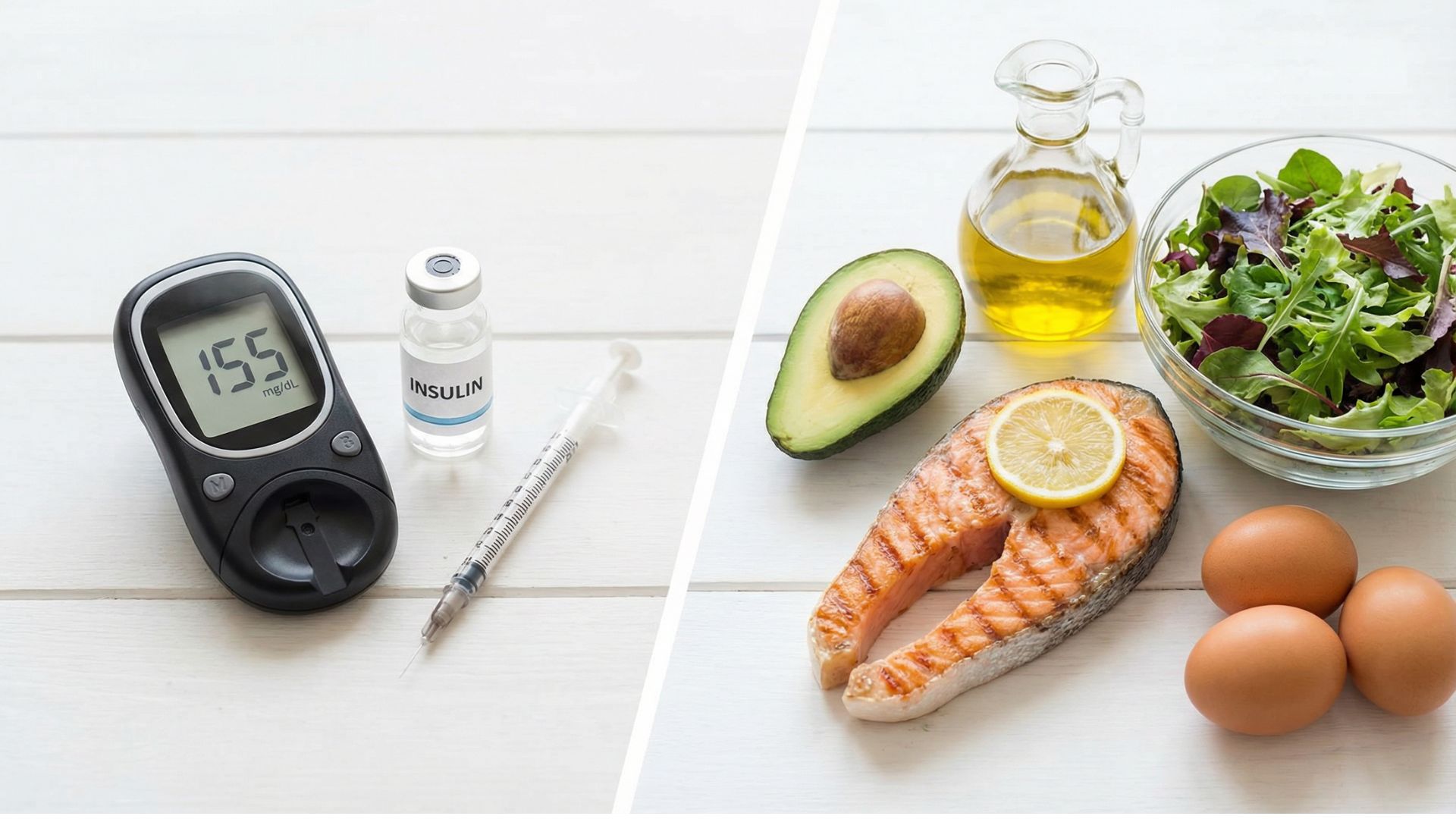
Quality protein sources include grass-fed beef, pasture-raised poultry, wild-caught fish and eggs from healthy chickens. Protein provides satiety and supports muscle mass without spiking insulin significantly. Aim for roughly a palm-sized portion at each meal.
Healthy fats from olive oil, avocados, coconut oil, butter and animal fats satisfy hunger and provide sustained energy. Fat triggers minimal insulin response, making it metabolically neutral to favorable for those with resistance. Don’t fear fat when eliminating carbohydrates.
Non-starchy vegetables like leafy greens, broccoli, cauliflower, peppers and zucchini provide fiber, vitamins and minerals without significant carbohydrate load. These foods should fill half your plate or more at each meal.
Eliminate sugar in all forms. This includes obvious sources like desserts and sodas plus hidden sources in sauces, dressings and processed foods. Read labels carefully because sugar hides under dozens of names.
Avoid refined grains including bread, pasta, cereal and baked goods. Even whole grains spike blood sugar substantially. Most people with insulin resistance do better eliminating all grains initially and potentially reintroducing limited amounts after metabolic health improves.
The critical role of meal timing
When you eat matters alongside what you eat. Every eating occasion triggers insulin release regardless of food composition. Frequent eating keeps insulin chronically elevated even if individual meals are low-carb.
Intermittent fasting extends the periods between meals, allowing insulin to fall to baseline between eating windows. This simple practice dramatically improves insulin sensitivity independent of dietary changes. Combining fasting with low-carb eating produces synergistic benefits.
Most people do well starting with a 16:8 pattern, eating within an eight-hour window and fasting for sixteen hours including sleep. This might mean skipping breakfast and eating between noon and 8 PM. Adjustments based on lifestyle and response allow personalization.
Snacking between meals prevents insulin from ever falling fully. Three meals daily without snacks outperforms six small meals for metabolic health. Hunger between meals indicates your body is accessing stored fuel rather than constantly demanding external input.
Watching inflammation improve
As insulin sensitivity restores, inflammatory markers typically improve in parallel. People often notice reduced joint pain, better skin clarity, improved digestive function and enhanced mental sharpness before lab work shows changes. The body responds to metabolic improvement across multiple systems.
C-reactive protein, a common inflammatory marker, often drops significantly within weeks of dietary change. Hemoglobin A1c reflecting average blood sugar trends downward over months. Fasting insulin, if your doctor orders it, provides direct feedback on metabolic improvement.
Weight loss frequently follows naturally without calorie counting when insulin resistance resolves. Lower insulin allows stored fat to release more easily. Reduced inflammation decreases water retention that masks true fat loss. Many people drop significant weight eating more calories than previous restrictive diets allowed.
Beyond diet for insulin sensitivity
While diet provides the foundation, other factors influence insulin sensitivity and deserve attention. Sleep deprivation worsens insulin resistance even in otherwise healthy people. Prioritizing seven to nine hours of quality sleep supports metabolic function.
Physical activity improves insulin sensitivity through mechanisms separate from weight loss. Muscle contractions allow glucose uptake without requiring insulin. Both resistance training and cardiovascular exercise contribute benefits. Movement throughout the day matters more than occasional intense workouts.
Stress management comes into play because cortisol directly antagonizes insulin function. Chronic stress keeps cortisol elevated, promoting insulin resistance and inflammation simultaneously. Addressing the stress and inflammation connection often proves necessary for people whose metabolic issues resist dietary intervention alone.