

Struggling with gut inflammation? Discover proven natural remedies for gastritis, ulcers and colitis. Heal your digestive tract without harsh medications.
Inflammation in the digestive tract creates misery that affects everything from energy levels to mental clarity. Whether dealing with gastritis, ulcers or inflammatory bowel conditions, the gut lining needs targeted support to heal properly. These digestive issues often connect to broader systemic inflammation throughout the body, making gut health central to any comprehensive approach to reduce inflammation naturally. Cabbage juice, specific supplements and dietary changes offer surprising relief.
The gut as ground zero for inflammation
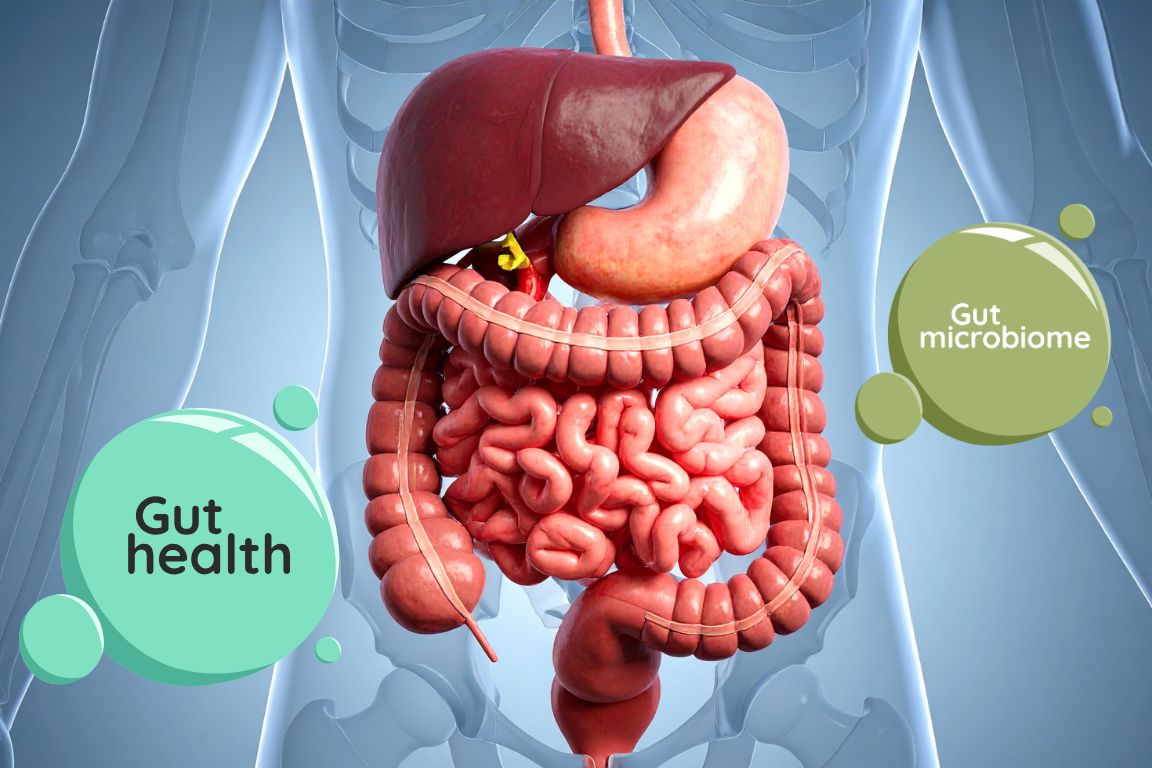
Your digestive tract spans roughly 30 feet from mouth to exit. This massive surface area contacts everything you swallow, making it your largest interface with the external environment. When things go wrong in this system, consequences ripple throughout your entire body.
The gut lining consists of a single layer of cells held together by tight junctions. This delicate barrier must simultaneously absorb nutrients while blocking harmful substances from entering your bloodstream. Inflammation damages these cells and loosens the junctions between them, creating what many call leaky gut.
Once the barrier becomes compromised, partially digested food particles, bacteria and toxins slip through into circulation. Your immune system recognizes these invaders and mounts inflammatory responses. What started as localized gut irritation now becomes systemic inflammation affecting joints, skin, brain and other organs seemingly unconnected to digestion.
Most autoimmune conditions trace back to gut dysfunction. The immune confusion that causes your body to attack itself frequently originates from barrier breakdown in the digestive tract. Healing the gut often improves or resolves autoimmune symptoms that medications merely suppress.
Common causes of gut inflammation
Antibiotics and medication damage
Antibiotics save lives when truly necessary, but they also carpet bomb your gut microbiome. The friendly bacteria that protect your intestinal lining get wiped out along with whatever pathogen prompted the prescription. What remains afterward often includes more problematic species that survived the antibiotic assault.
These survivor microbes become stronger and more aggressive. Relationships that were previously neutral or beneficial turn antagonistic. Candida overgrowth, small intestinal bacterial overgrowth and other dysbiosis patterns frequently follow antibiotic courses.
NSAIDs like ibuprofen and aspirin directly damage the gut lining with regular use. They inhibit protective prostaglandins that maintain the mucus layer shielding your intestines. Long-term NSAID users develop ulcers and intestinal permeability at alarming rates.
Proton pump inhibitors prescribed for acid reflux create their own problems. Stomach acid serves important functions beyond digestion, including killing pathogens before they reach your intestines. Suppressing acid production allows harmful bacteria to colonize areas they normally couldn’t survive.
Dietary irritants
Gluten tops the list of inflammatory foods for the gut. This protein found in wheat, barley and rye triggers immune reactions in susceptible individuals. Even without celiac disease, many people experience gluten sensitivity that damages their intestinal lining over time.
The insidious thing about gluten is that it contains compounds with morphine-like effects that can numb the very damage it causes. You might not feel immediate discomfort while your gut suffers ongoing injury. Eliminating gluten for several weeks often reveals just how much it was contributing to problems you’d normalized.
Seed oils promote inflammation throughout the body, including the gut. Soybean oil, corn oil and other omega-6 heavy oils damage cell membranes and promote inflammatory signaling. These oils saturate processed foods and restaurant cooking.
Sugar feeds problematic bacteria and yeast while starving beneficial species. A high-sugar diet shifts your microbiome toward organisms that produce inflammatory compounds and damage the gut lining. Candida in particular thrives on sugar and can overgrow rapidly when fed its preferred fuel.
Chronic stress
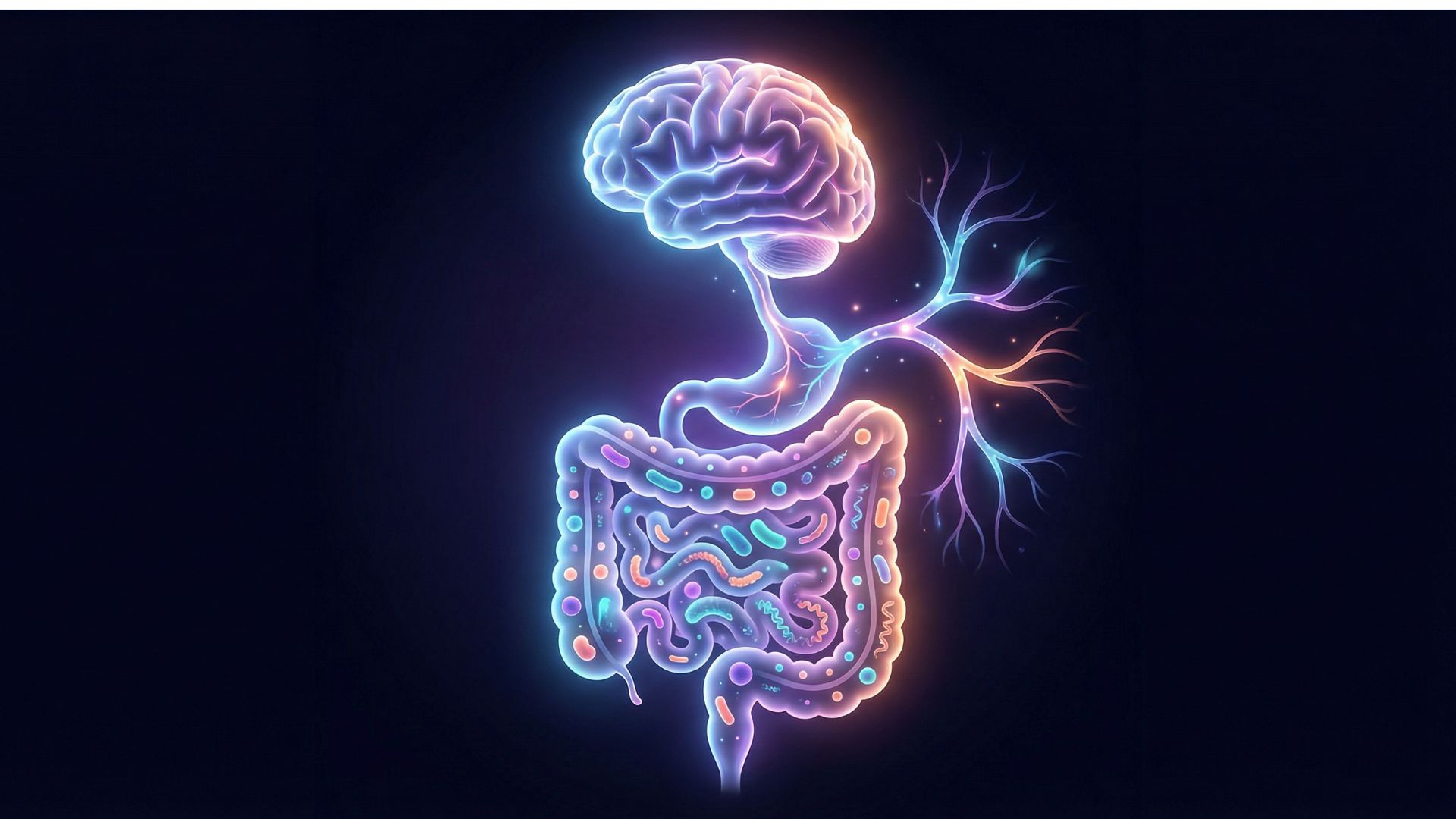
Your gut contains more neurons than your spinal cord. This enteric nervous system connects directly to your brain through the vagus nerve. Stress signals travel this highway constantly, and your gut responds to psychological stress as readily as physical threats.
Cortisol released during stress suppresses immune function in the gut, allowing latent infections to flare. Blood flow diverts away from digestive organs toward muscles needed for fight or flight. Digestive secretions decrease while inflammatory pathways activate.
People under chronic stress frequently develop gut issues that resist treatment until the stress itself gets addressed. You cannot supplement your way out of a stress-induced condition without also calming the nervous system driving it.
Cabbage juice: the surprising remedy
Cabbage juice sounds unglamorous, but research supports its remarkable healing effects on the digestive tract. Studies from the 1950s demonstrated accelerated ulcer healing in patients drinking fresh cabbage juice. Modern research continues to validate these findings.
Cabbage contains a compound called vitamin U, though it’s not technically a vitamin. This substance accelerates healing of the mucous membrane lining your entire digestive system. It protects against erosion and helps rebuild damaged tissue faster than it would recover naturally.
Sulforaphane in cabbage activates your body’s own antioxidant defenses through a pathway called Nrf2. Rather than simply providing external antioxidants, cabbage triggers internal production of protective compounds. This mechanism helps explain its broad benefits beyond just ulcer healing.
The vitamin C content in cabbage supports collagen production in the gut lining. Leaky gut essentially represents a subclinical form of scurvy affecting your intestines. Just as vitamin C deficiency causes bleeding gums, it contributes to intestinal permeability. Cabbage delivers vitamin C alongside other synergistic compounds.
L-glutamine naturally present in cabbage juice provides direct fuel for intestinal cells. These cells turn over rapidly and have high energy demands. Glutamine supplementation alone helps heal leaky gut, and cabbage juice delivers it in a whole food form.
How to use cabbage juice
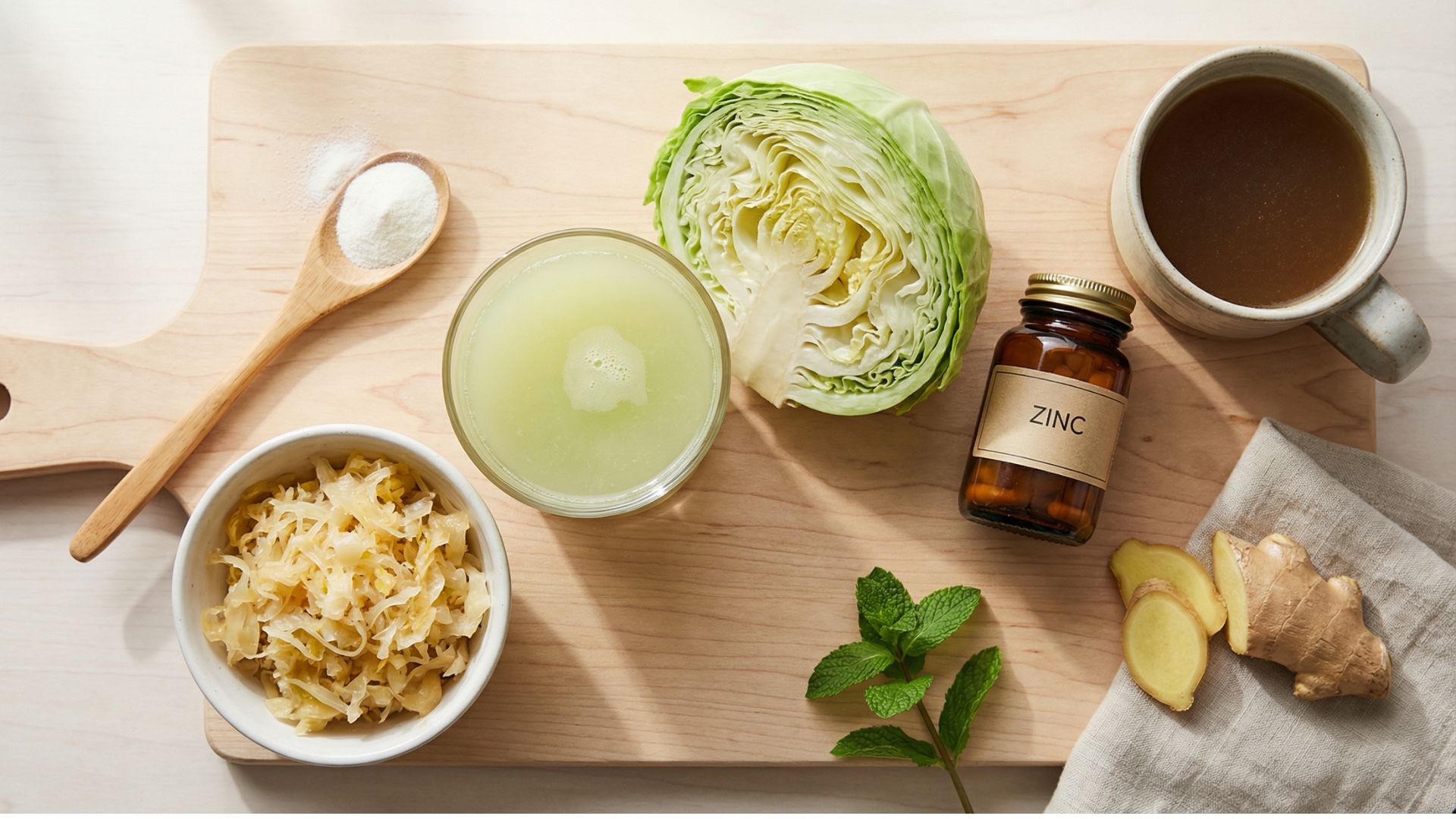
Start with one cup daily for minor gut issues. More significant inflammation warrants working up to a quart, which equals four cups spread throughout the day. Fresh juice works best, made from raw organic green or red cabbage processed through a juicer.
Drink the juice on an empty stomach when possible. First thing in the morning or between meals allows maximum contact with the gut lining before food dilutes the therapeutic compounds. Some people find it more palatable slightly chilled.
The taste takes getting used to, honestly. Cabbage juice won’t win any awards for flavor. Adding a small amount of apple or carrot improves palatability while preserving most benefits. Straight cabbage juice works fastest, but compliance matters more than perfection.
Expect several weeks of consistent use before evaluating results. Gut healing takes time. The lining must regenerate, tight junctions must reform and the microbiome must rebalance. Patience during this process pays dividends.
Additional supplements for gut healing
Zinc L-carnosine
This specific form of zinc demonstrates remarkable effects on gut inflammation. It adheres to damaged areas of the stomach and intestinal lining, delivering zinc directly where healing needs to occur. Regular zinc supplements don’t offer this targeted action.
Research shows zinc L-carnosine helps heal ulcers, reduces symptoms of gastritis and supports overall gut barrier function. The compound also shows antibacterial effects against H. pylori, the bacterium responsible for many stomach ulcers.
A typical dose ranges from 75 to 150 mg daily, often split between morning and evening. Taking it away from meals allows better adherence to the gut lining. Most people tolerate it well without side effects.
L-glutamine powder
Glutamine serves as the primary fuel source for enterocytes, the cells lining your intestines. During times of stress or illness, demand for glutamine exceeds what your body can produce. Supplementation ensures adequate supply for gut repair.
Doses of 5 to 10 grams daily support intestinal healing. Some protocols use higher amounts for more significant damage. The powder dissolves easily in water and has minimal taste. Taking it on an empty stomach maximizes absorption.
Digestive enzymes
Incomplete digestion leaves larger food particles that irritate the gut lining and feed problematic bacteria. Supplemental enzymes help break down proteins, fats and carbohydrates more thoroughly, reducing this burden on an already stressed system.
Look for broad-spectrum enzymes that cover multiple food types. Taking them at the beginning of meals allows them to mix with food and work throughout digestion. People with low stomach acid often benefit from betaine HCl in addition to standard enzymes.
Probiotics and fermented foods
Rebuilding a healthy microbiome supports long-term gut health. Probiotic supplements introduce beneficial species, while fermented foods provide both organisms and the compounds they produce. Sauerkraut, kimchi, kefir and other traditionally fermented foods offer advantages that capsules cannot fully replicate.
| Remedy | Benefit | Typical Dose |
| Cabbage juice | Heals mucous lining, provides vitamin U | 1-4 cups daily |
| Zinc L-carnosine | Targets damaged tissue, fights H. pylori | 75-150 mg daily |
| L-glutamine | Fuels intestinal cell regeneration | 5-10 grams daily |
| Probiotics | Restores beneficial bacteria | Multi-strain, 10+ billion CFU |
| Digestive enzymes | Improves breakdown of food | With each meal |
Dietary approaches for gut healing
Eliminating inflammatory foods matters as much as adding healing ones. Remove gluten, dairy, sugar and seed oils for at least 30 days while implementing other interventions. Many people discover that one or more of these categories was driving their symptoms.
The carnivore diet has gained attention for gut healing. Eating only animal products eliminates virtually all plant compounds that can irritate sensitive digestive systems. Red meat from grass-fed sources provides easily absorbed nutrients without the fiber and antinutrients some guts cannot tolerate.
Bone broth delivers collagen, gelatin and amino acids that support gut lining repair. The gelatin coats and soothes inflamed tissue while providing building blocks for regeneration. Drinking a cup or two daily complements other interventions nicely.
Cooked vegetables generally cause less irritation than raw during active gut inflammation. Steaming or roasting breaks down tough cell walls and makes nutrients more accessible. As healing progresses, you can gradually reintroduce raw vegetables and assess tolerance.
When to seek professional help
Certain symptoms warrant medical evaluation rather than self-treatment. Blood in stool, unexplained weight loss, severe pain or symptoms that worsen despite intervention all require professional assessment. Gut inflammation can occasionally signal serious conditions that need proper diagnosis.
Functional medicine practitioners often provide more comprehensive gut evaluation than conventional gastroenterologists. Stool testing can identify specific pathogens, measure inflammation markers and assess microbiome composition. This data guides targeted treatment rather than generic approaches.
Healing takes time but happens
Gut inflammation develops over months or years in most cases. Expecting overnight resolution sets you up for disappointment. Commit to consistent intervention for at least three months before drawing conclusions about what works for your body.
The gut lining does regenerate when given proper support and relief from ongoing damage. People who felt hopeless about chronic digestive issues frequently achieve significant or complete resolution through the approaches outlined above. Your gut wants to heal. Remove the obstacles and provide the raw materials, and nature handles the rest.
Understanding gut inflammation provides crucial context, but the digestive system doesn’t exist in isolation. Blood sugar problems often accompany and worsen gut issues through interconnected mechanisms. Learning how insulin resistance drives inflammation helps you address metabolic factors that may be perpetuating your digestive symptoms.