






Food choices directly influence how much inflammation runs through your body each day. The wrong ingredients fuel the fire while the right ones help extinguish it. Understanding which foods belong on your plate forms the foundation of any serious effort to reduce inflammation naturally through diet and lifestyle changes. Omega-3 rich fish, cruciferous vegetables and grass-fed meats top the list of healing options worth adding to your weekly rotation.
Why food matters more than you think
The standard American diet creates a perfect storm for chronic inflammation. Processed foods, refined sugars and industrial seed oils dominate grocery store shelves and restaurant menus. These ingredients trigger inflammatory responses that accumulate over time, eventually manifesting as joint pain, digestive issues, skin problems and more serious conditions.
Switching to anti-inflammatory foods does more than reduce symptoms. It addresses the root cause of why your body stays in a constant state of alarm. Every meal represents an opportunity to either calm your system down or rev it up further. Once you understand which foods fall into each category, making better choices becomes second nature.
The research on diet and inflammation has exploded over the past two decades. We now know with certainty that specific foods contain compounds capable of modulating inflammatory pathways at the cellular level. This isn’t wishful thinking or alternative medicine speculation. Peer-reviewed studies consistently demonstrate measurable reductions in inflammatory markers when people adopt anti-inflammatory eating patterns.
Foods that fight inflammation
Fatty fish and seafood
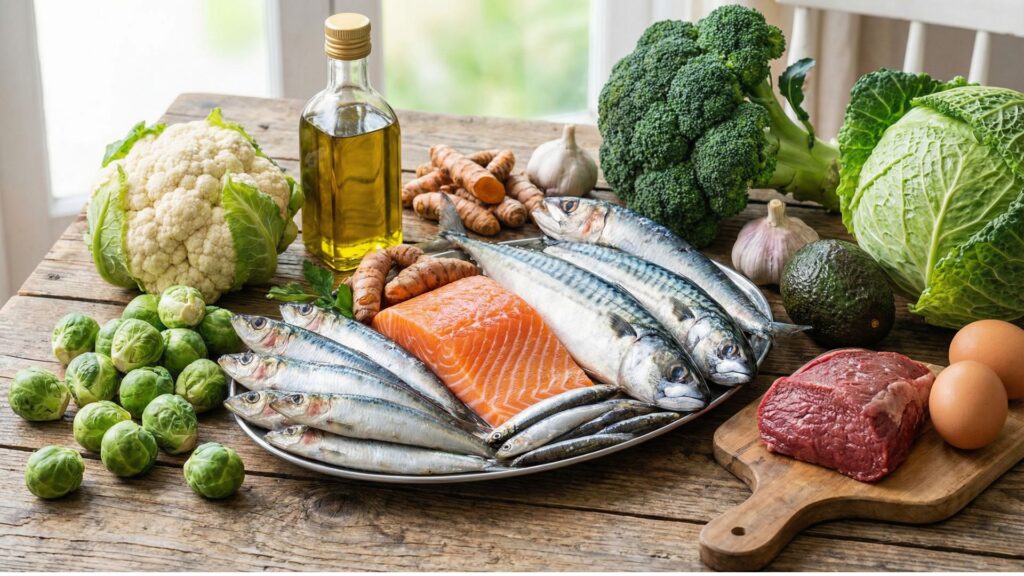
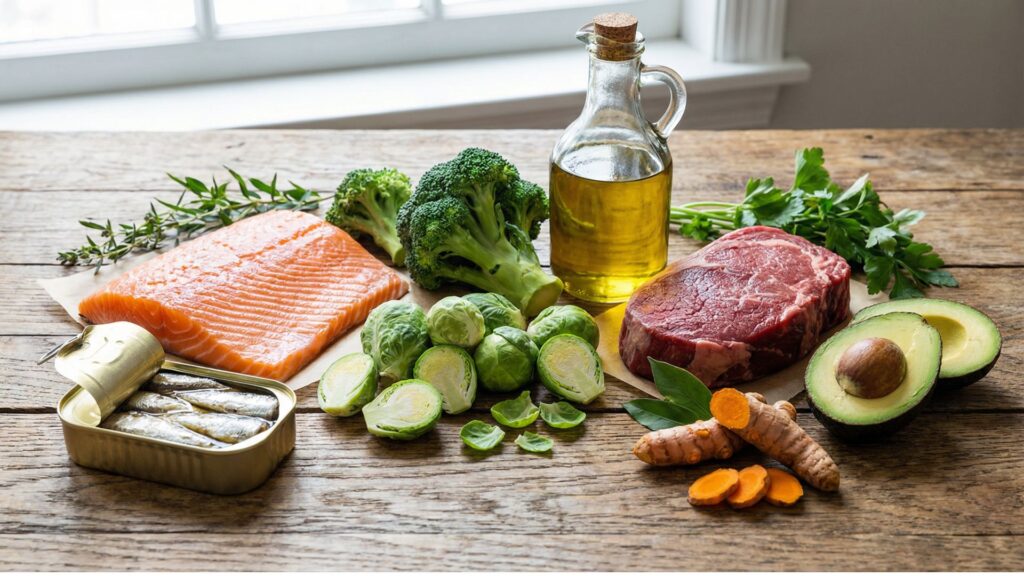
Wild-caught salmon, sardines, mackerel and anchovies deliver omega-3 fatty acids in their most bioavailable form. These essential fats directly compete with pro-inflammatory omega-6 fatty acids for incorporation into cell membranes. The more omega-3s you consume, the less space exists for inflammation-promoting compounds.
Aim for fatty fish at least three times per week. Sardines offer exceptional value since they sit low on the food chain and accumulate fewer heavy metals than larger fish. A can of sardines costs a couple bucks and provides protein, omega-3s, calcium and vitamin D all in one convenient package.
Cod liver oil deserves special mention. Beyond omega-3 fatty acids, it naturally contains vitamins A and D. Taking a tablespoon daily provides insurance against deficiency while actively reducing inflammatory markers. The taste takes some getting used to, but flavored versions make it tolerable for most people.
Cruciferous vegetables
Broccoli, cauliflower, Brussels sprouts, cabbage and kale belong to the cruciferous family. These vegetables contain sulforaphane, a compound that activates your body’s own antioxidant defense systems. Rather than simply providing external antioxidants, cruciferous vegetables trigger internal production of protective compounds.
Cabbage stands out for digestive inflammation specifically. It contains vitamin U, a substance that accelerates healing of the gut lining. People with ulcers, gastritis or inflammatory bowel conditions often find cabbage remarkably soothing. Raw cabbage in coleslaw, fermented cabbage as sauerkraut or fresh cabbage juice all deliver benefits.
Shoot for at least one serving of cruciferous vegetables daily. Roasting Brussels sprouts with olive oil and sea salt converts even skeptics. Adding broccoli to stir-fries or enjoying cauliflower mashed as a potato substitute makes hitting this target easy.
Grass-fed and pasture-raised meats
The nutritional profile of meat depends entirely on what the animal ate. Grass-fed beef contains significantly more omega-3 fatty acids and conjugated linoleic acid compared to grain-fed alternatives. These differences matter when you’re trying to reduce inflammation.
Pasture-raised eggs from chickens that eat their natural diet of bugs and greens provide better fatty acid ratios than conventional eggs. The yolks appear deeper orange, indicating higher nutrient density. Four eggs from healthy chickens make an excellent anti-inflammatory breakfast.
Organ meats like liver offer concentrated nutrition that supports overall health. Liver contains more vitamin A, B12 and other nutrients per ounce than any other food. Eating liver once or twice weekly provides insurance against deficiencies that can contribute to inflammatory conditions.
Olive oil and avocados
Extra virgin olive oil contains oleocanthal, a compound with anti-inflammatory effects similar to ibuprofen. Quality olive oil actually creates a slight peppery sensation in your throat from this compound. Use it generously on salads and vegetables.
Avocados provide monounsaturated fats along with potassium and fiber. They make salads more satisfying and help your body absorb fat-soluble nutrients from other vegetables. Half an avocado daily fits well into most anti-inflammatory eating plans.
Herbs and spices
Turmeric gets the most attention for anti-inflammatory properties, and rightfully so. The curcumin it contains modulates multiple inflammatory pathways. Fresh turmeric root packs more punch than dried powder, though both provide benefits. Combining turmeric with black pepper increases absorption dramatically.
Ginger, rosemary, oregano and garlic all demonstrate anti-inflammatory effects in research. Using these generously in cooking adds flavor while providing therapeutic compounds. Fresh garlic crushed and allowed to sit for ten minutes before cooking maximizes the beneficial allicin content.
Foods that promote inflammation
Seed oils and vegetable oils
Soybean oil, corn oil, canola oil, cottonseed oil and sunflower oil dominate processed foods and restaurant cooking. These oils contain excessive omega-6 fatty acids that promote inflammation when consumed in the quantities typical of modern diets.
Reading ingredient labels reveals just how pervasive these oils have become. Salad dressings, mayonnaise, crackers, chips and virtually all fried foods contain them. Cooking at home with olive oil, coconut oil, butter or tallow avoids this problem entirely.
Refined sugars and carbohydrates
Sugar triggers inflammatory responses through multiple mechanisms. It spikes blood glucose, promotes insulin resistance, feeds problematic gut bacteria and generates oxidative stress. The average American consumes over 70 lbs of added sugar annually, creating constant low-grade inflammation.
Refined carbohydrates like white bread, pasta and crackers behave similarly to sugar once digested. They rapidly convert to glucose and trigger the same inflammatory cascade. Eliminating or drastically reducing these foods produces noticeable improvements for most people within weeks.
Ultra-processed foods
Beyond individual problematic ingredients, ultra-processed foods combine multiple inflammation triggers in single products. A fast food meal might include refined flour buns, seed oil-fried potatoes, sugar-laden ketchup and soda. The cumulative effect exceeds what any single ingredient would produce.
These foods also contain additives like maltodextrin and modified food starch that research links to gut inflammation and disrupted microbiome balance. The more processing a food undergoes, the more likely it promotes inflammation.
Building your anti-inflammatory plate
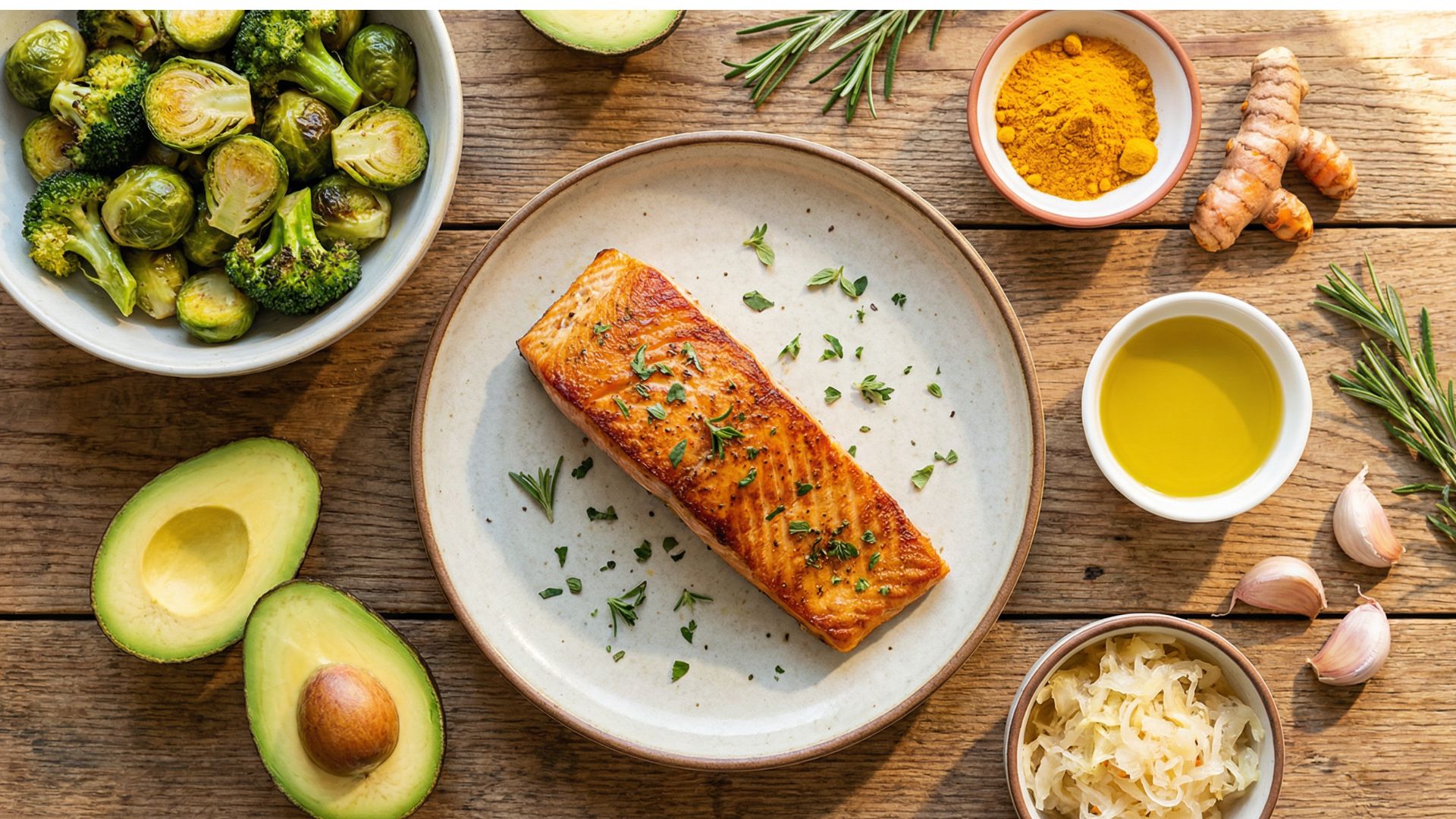
Structure meals around protein, vegetables and healthy fats. A typical anti-inflammatory dinner might include wild salmon, roasted Brussels sprouts cooked in olive oil and half an avocado. Breakfast could be pasture-raised eggs with sauteed spinach and sliced tomatoes.
| Food Category | Best Choices | How Often |
| Protein | Wild fish, grass-fed beef, pasture-raised eggs | Every meal |
| Vegetables | Cruciferous, leafy greens, colorful varieties | 7-10 cups daily |
| Fats | Olive oil, avocado, coconut oil, butter | With each meal |
| Herbs/Spices | Turmeric, ginger, garlic, rosemary | Daily |
| Fermented | Sauerkraut, kimchi, kefir | Several times weekly |
Avoid snacking between meals when possible. Each time you eat, you trigger metabolic processes that can promote inflammation if repeated too frequently. Spacing meals further apart gives your body time to complete digestion and reduce inflammatory signaling.
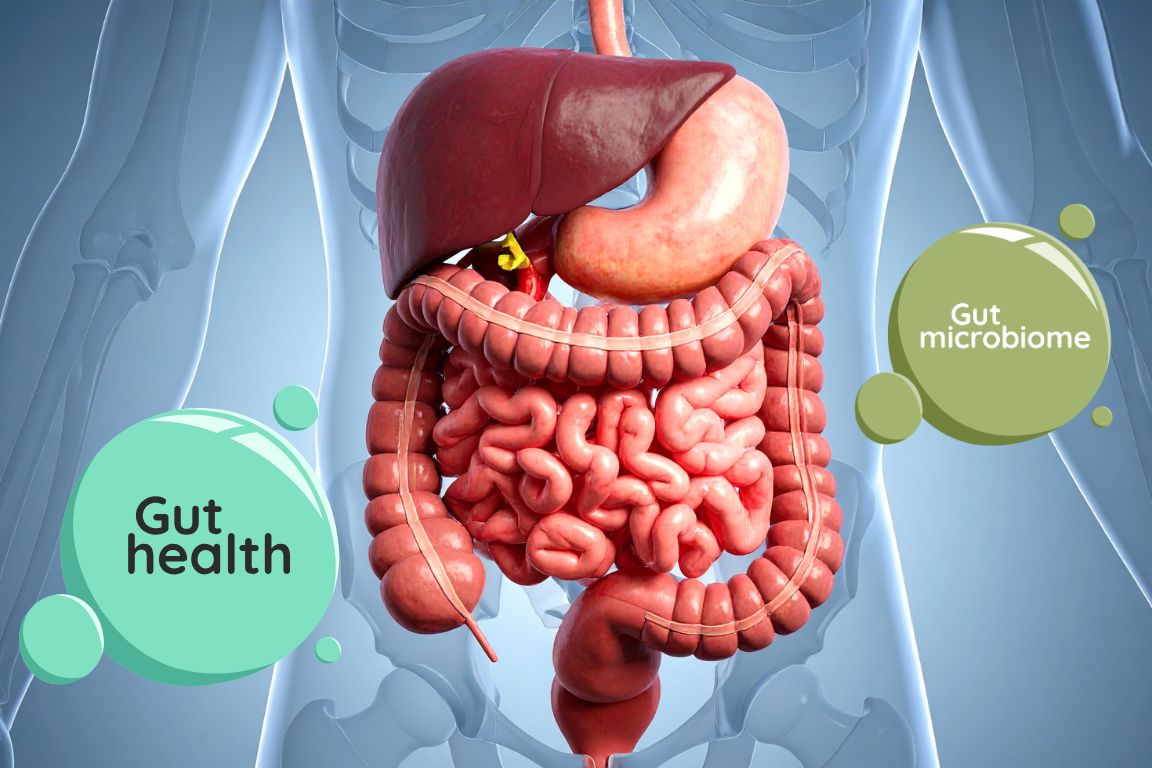
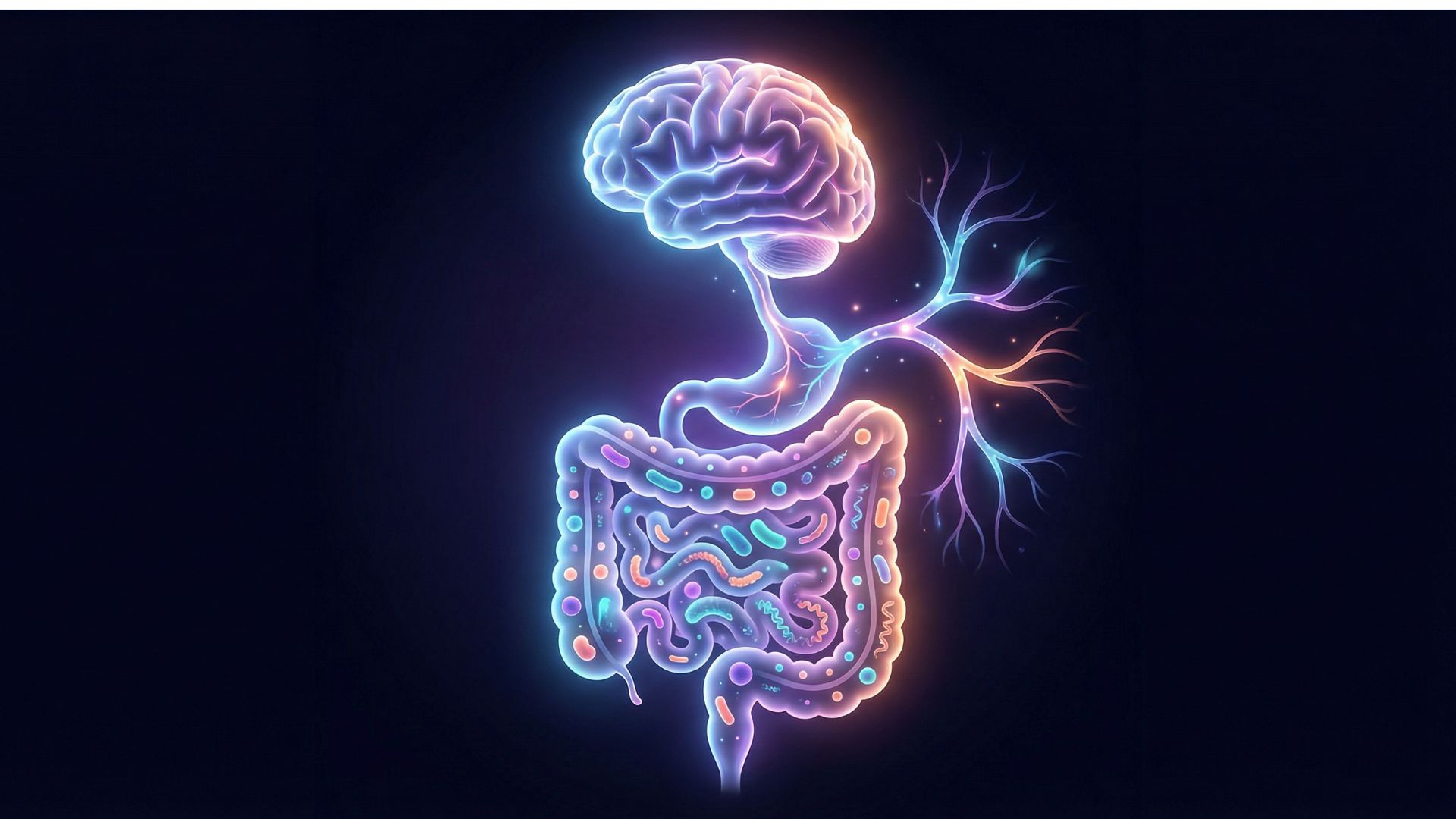
Fermented foods like sauerkraut and kimchi support gut health by providing beneficial bacteria. A healthy gut microbiome helps regulate inflammatory responses throughout the body. A few forkfuls of sauerkraut with meals costs little and provides outsized benefits.
Making changes that stick
Overhauling your entire diet overnight rarely works long-term. Start by eliminating the worst offenders. Stop buying seed oils and switch to olive oil and butter for cooking. Cut out sugary drinks including fruit juice. These two changes alone move the needle significantly.
Next, add more anti-inflammatory foods rather than focusing solely on restriction. Buy a can of sardines and try them. Roast some Brussels sprouts. Pick up grass-fed ground beef instead of conventional. Positive additions feel less like deprivation than constant restriction.
Meal preparation on weekends sets you up for success during busy weekdays. Roasting a sheet pan of vegetables, cooking a batch of protein and preparing salad ingredients in advance removes the friction that leads to poor choices when you’re tired and hungry.
Putting it all together
Changing what you eat represents one of the most powerful interventions available for reducing chronic inflammation. The foods covered above have solid research supporting their benefits. But diet works best as part of a comprehensive approach that includes other lifestyle factors.
Inflammation often involves multiple contributing causes beyond food choices alone. Chronic stress elevates cortisol and promotes inflammatory processes through entirely different mechanisms. Understanding how stress causes inflammation helps you address all the factors keeping your body in an inflamed state rather than focusing on diet in isolation.