
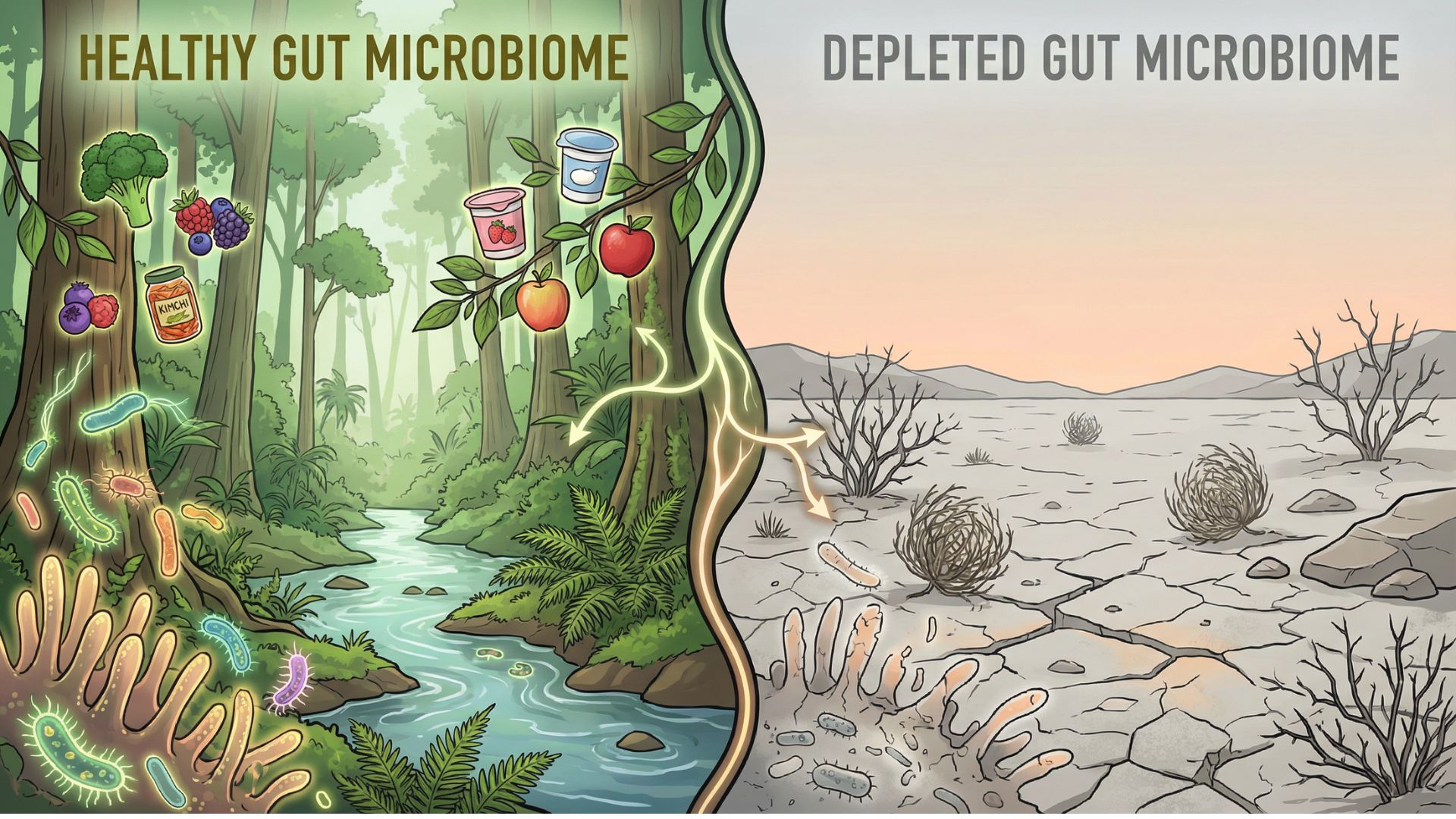

The Hadza people of Tanzania have something you desperately need but probably lost before you could even walk. Their guts harbor over 40% more bacterial species than the average American, and coincidentally, they suffer from virtually none of our modern chronic diseases.
Last summer, while studying indigenous diets across three continents, I collected stool samples from communities untouched by industrial food systems. The difference between their microbiomes and ours resembles the contrast between a rainforest and a parking lot. We’ve inadvertently turned our inner ecosystem into a biological desert, and the health consequences reach far beyond simple digestive issues.
Why diversity matters more than any single probiotic
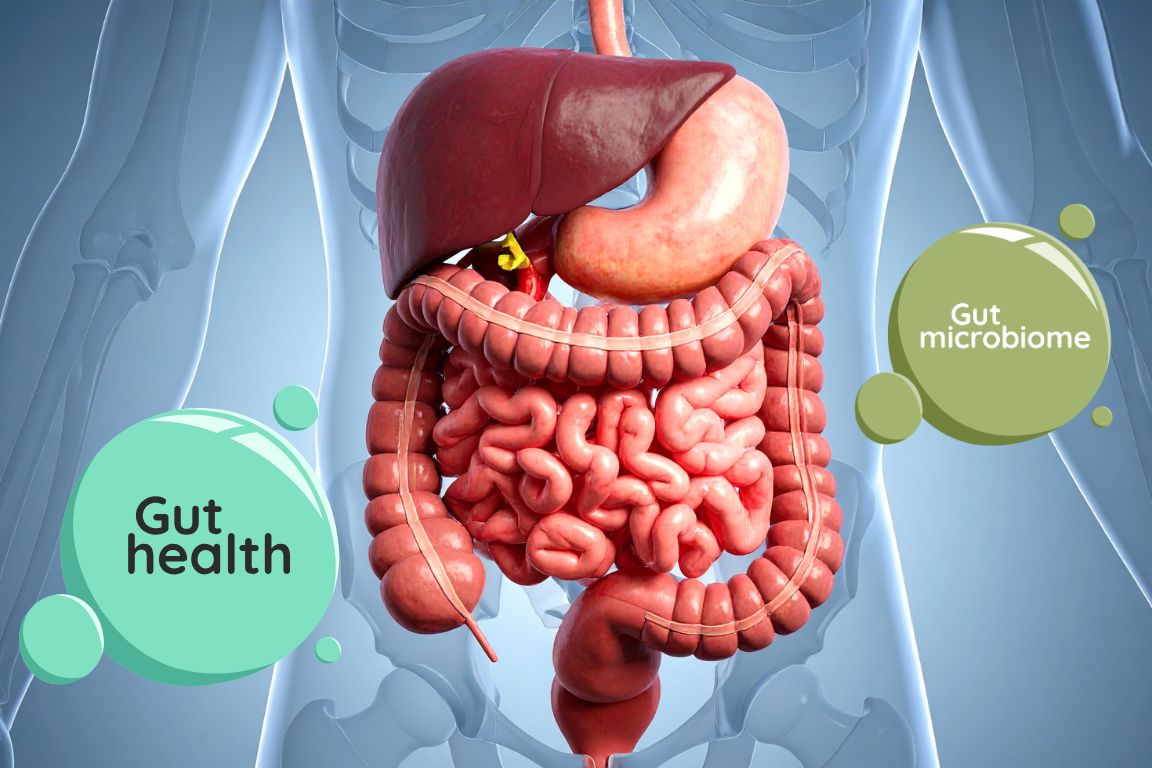
Think of your gut as a thriving city. A healthy metropolis needs diverse professionals: doctors, teachers, farmers, engineers, artists. Similarly, your gut requires different bacterial species performing specialized functions. One species might produce vitamin K, another breaks down complex carbohydrates, while others manufacture neurotransmitters or train your immune system.
When diversity plummets, you lose entire categories of metabolic function. Imagine if your city suddenly lost all its electricians or teachers. Systems would collapse. That’s exactly what happens in your gut when bacterial diversity drops below critical thresholds. Obesity, autoimmune diseases, allergies, mental health disorders, and even certain cancers all correlate strongly with reduced microbiome diversity.
Low diversity creates opportunities for pathogenic bacteria to establish dominance. With fewer beneficial species competing for resources and space, harmful bacteria flourish unchecked. It’s the biological equivalent of an invasive species taking over an ecosystem weakened by loss of native biodiversity.
The invisible extinction happening inside you
Every course of antibiotics triggers a mass extinction event in your gut. Broad-spectrum antibiotics don’t discriminate; they annihilate beneficial bacteria alongside pathogens. Some species never recover. Others take months or years to return, if they return at all. Children who receive multiple antibiotic courses before age two show reduced microbiome diversity that persists into adulthood.
But antibiotics aren’t the only culprits. Processed foods starve beneficial bacteria while feeding harmful species. Artificial sweeteners shift bacterial populations toward obesity-promoting strains. Chronic stress alters gut pH and reduces bacterial diversity. Even seemingly healthy habits like excessive hygiene eliminate our exposure to environmental bacteria that once continuously seeded our microbiomes.
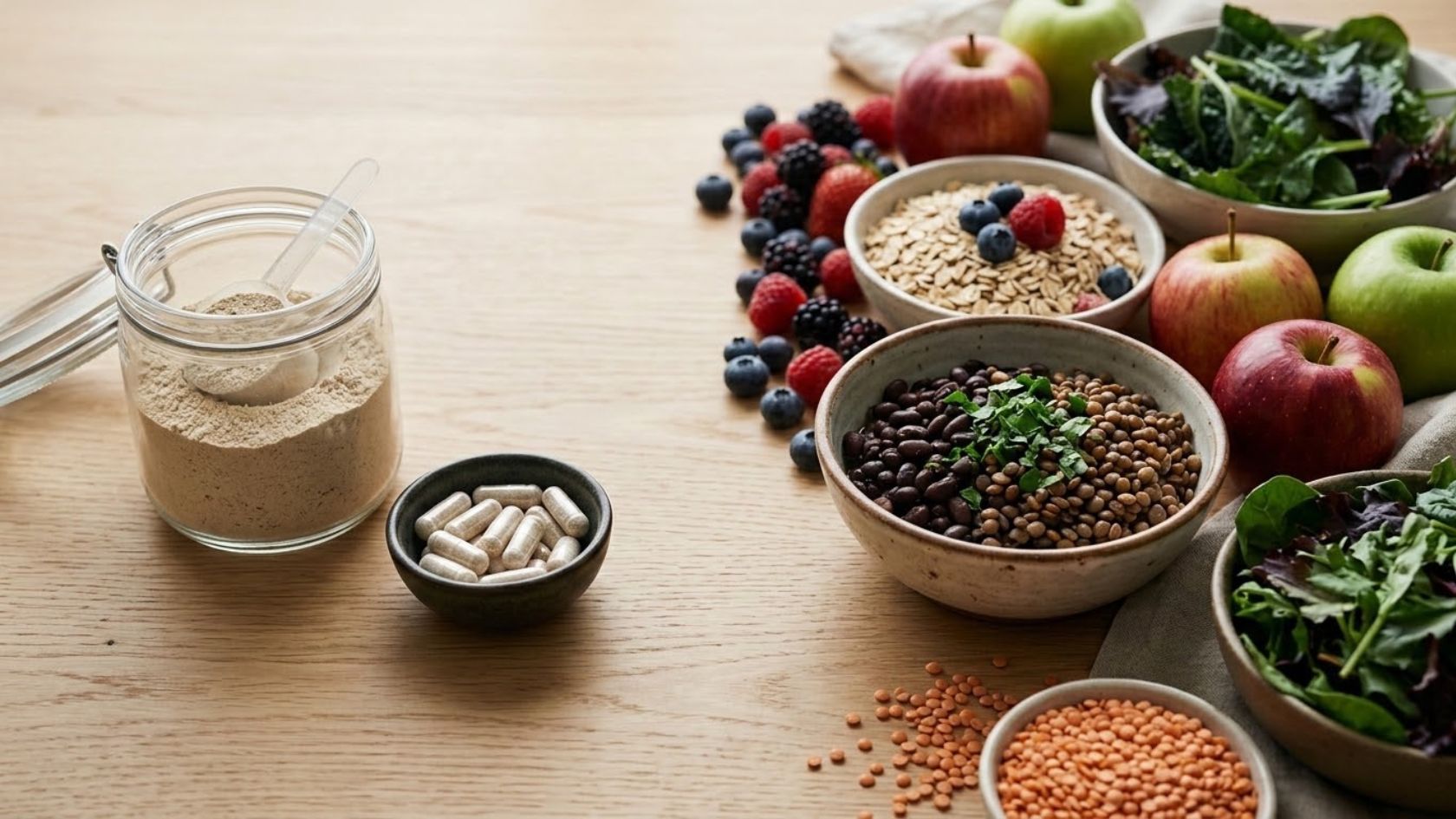
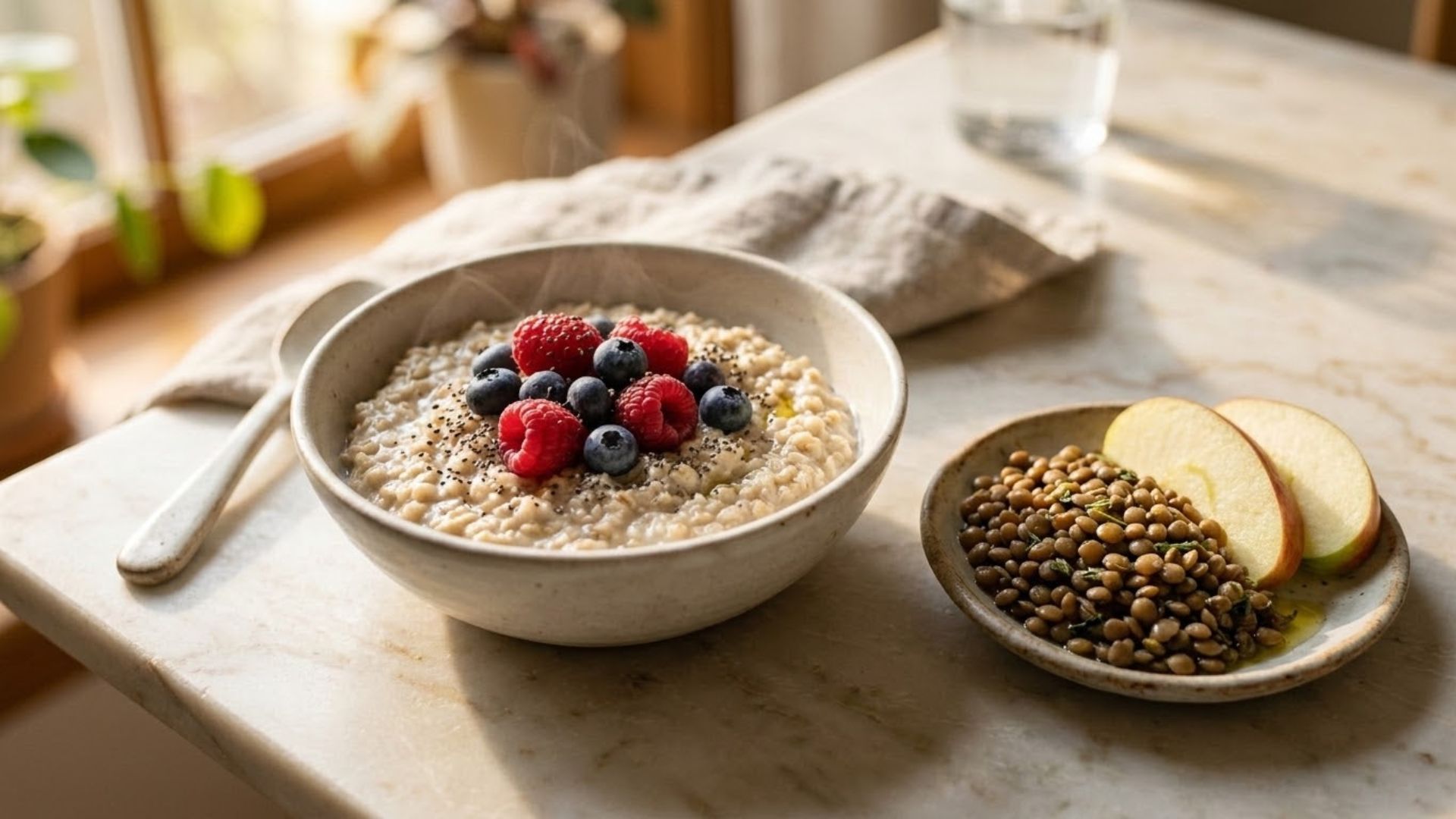
The Western diet delivers a particularly devastating blow. When you eat the same 15 foods repeatedly, you’re essentially putting your gut bacteria on a starvation diet. They need variety to thrive. Indigenous populations eating 100-150 different plant species annually maintain microbiome diversity that makes ours look pathetic by comparison.
Plant variety: your secret diversity weapon
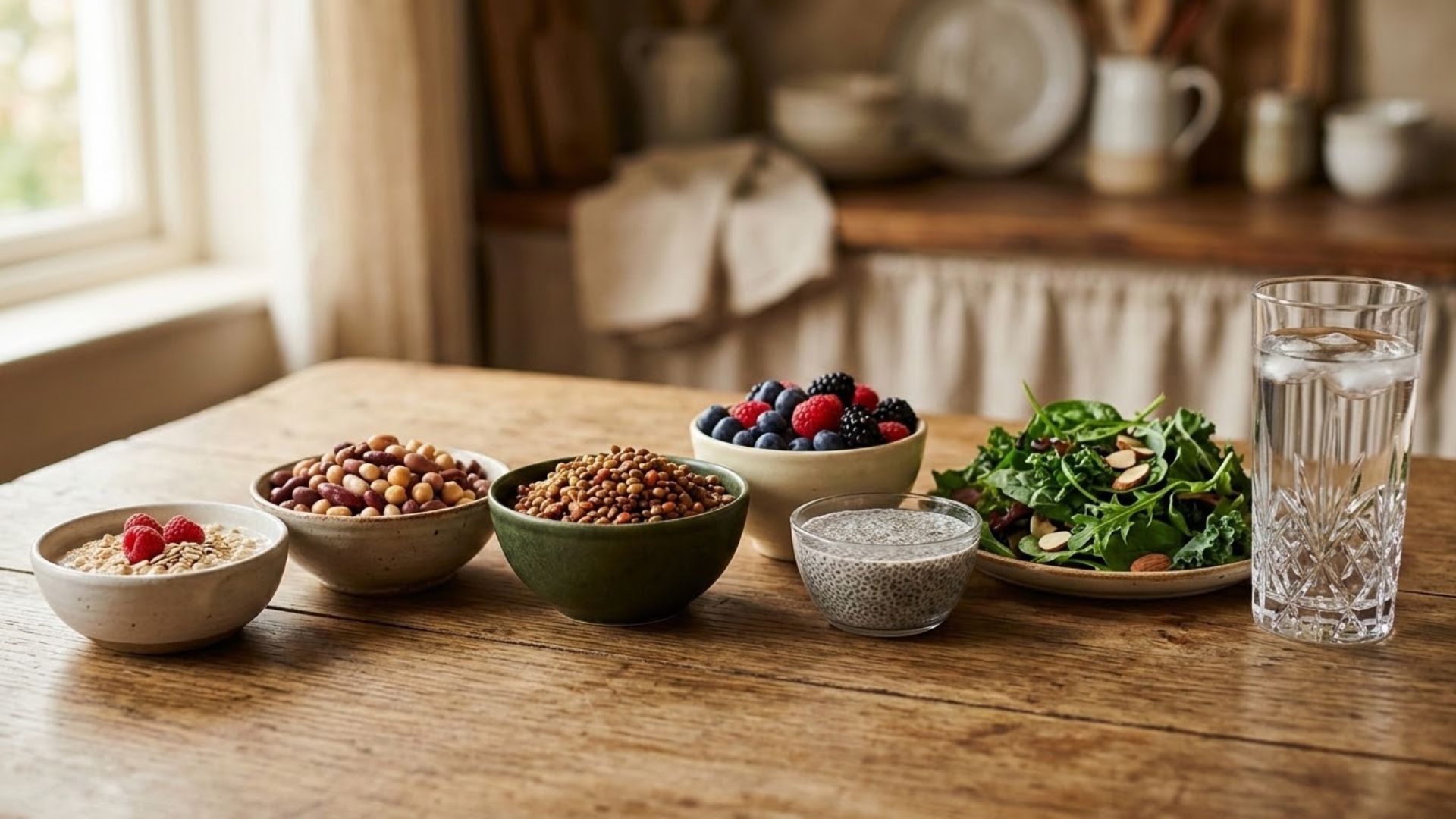
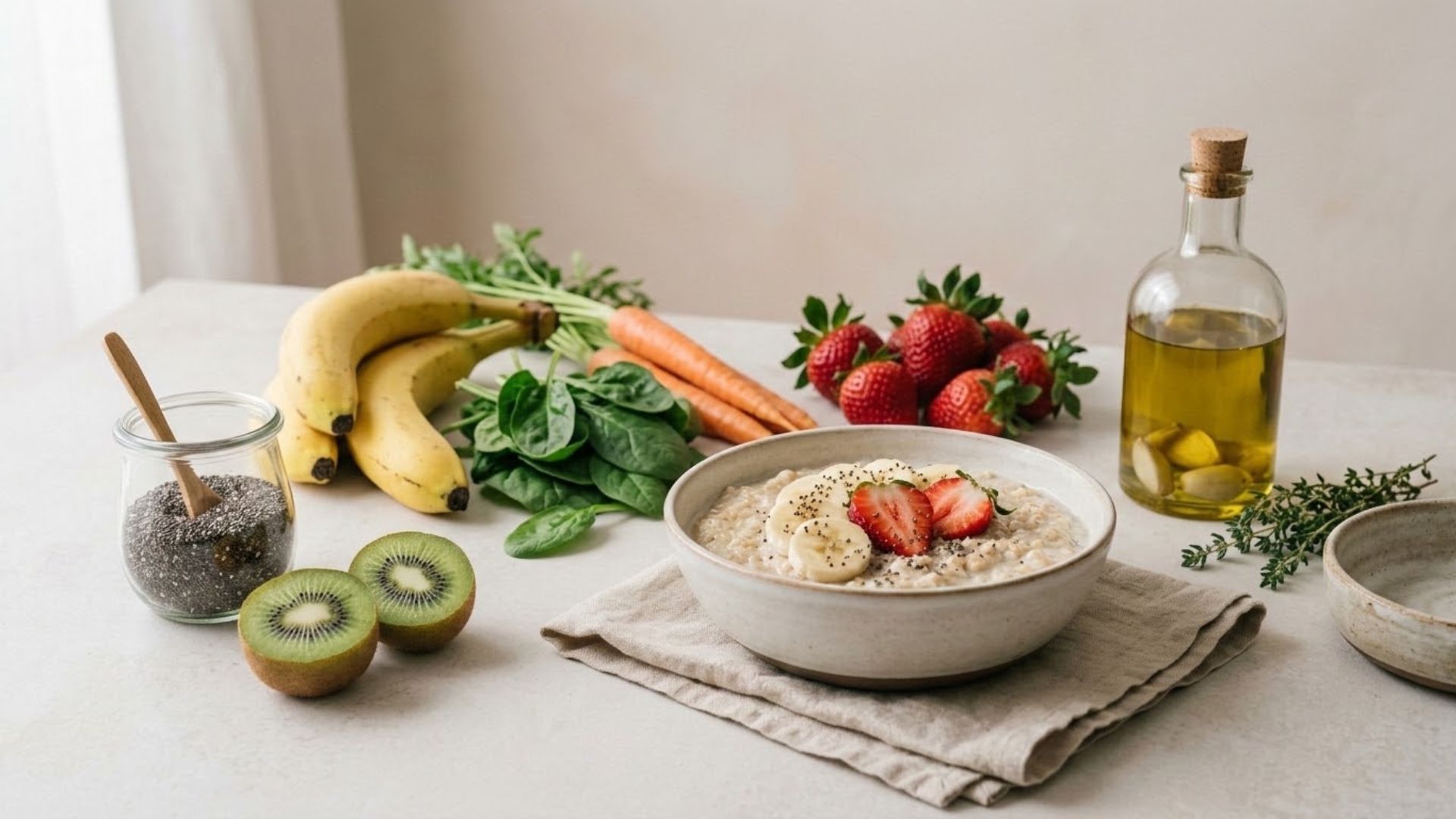
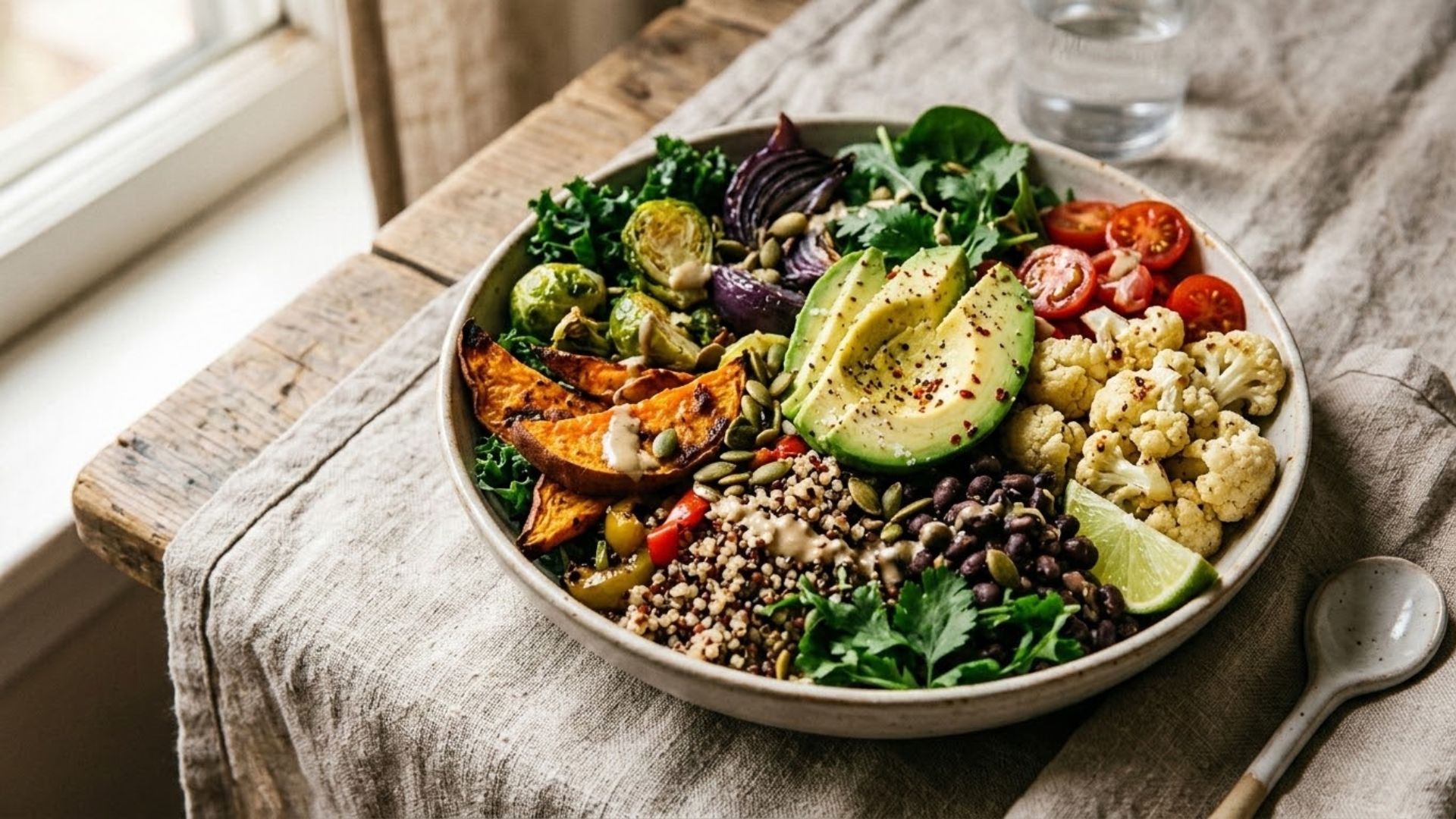
Increasing the variety of plants you eat represents the single most powerful intervention for boosting microbiome diversity. Each plant species feeds different bacterial populations through unique combinations of fibers, polyphenols, and resistant starches. When I started adding just three new vegetables weekly to my regular rotation, my microbiome testing showed a 23% increase in species diversity within two months.
Start small but be adventurous. That weird-looking root vegetable at the farmers market? Buy it. Those bitter greens you’ve always avoided? Your gut bacteria might love them. Rotate your salad greens weekly instead of buying the same spring mix. Try purple potatoes instead of white, black rice instead of brown. Each color represents different phytonutrients that feed specific bacterial populations.
Herbs and spices count too. Fresh herbs like parsley, cilantro, and basil provide unique compounds that promote bacterial diversity. Spices like turmeric, black pepper, and cinnamon don’t just add flavor; they selectively feed beneficial bacteria while suppressing pathogens.
Fermented foods: diversity in a jar
While probiotic supplements typically contain 5-10 bacterial strains, a single batch of homemade sauerkraut can harbor over 80 different species. Commercial probiotics deliver targeted benefits, but fermented foods provide the broad-spectrum diversity your gut craves.
Each fermented food offers a unique bacterial profile. Kefir contains bacteria and yeasts that don’t exist in yogurt. Kimchi provides different strains than sauerkraut despite similar fermentation processes. Traditional miso and tempeh introduce bacterial species rare in Western guts. By rotating different fermented foods throughout your week, you continuously introduce new bacterial populations.
Quality matters enormously. Pasteurized fermented foods contain zero living bacteria. Many commercial products are pickled with vinegar rather than truly fermented. Look for raw, unpasteurized versions in the refrigerated section, or better yet, make your own. Home fermentation allows wild bacteria from your local environment to colonize the food, providing region-specific strains your gut recognizes and welcomes.
Exercise your way to bacterial diversity
Athletes consistently show greater microbiome diversity than sedentary individuals, but you don’t need to train for marathons to benefit. Even moderate exercise increases bacterial diversity through multiple mechanisms. Physical activity improves gut motility, reduces inflammation, and creates metabolic conditions that favor diverse bacterial populations.
The sweet spot appears to be 150 minutes of moderate exercise weekly, spread across various activities. Different types of exercise promote different bacterial populations. Aerobic exercise favors bacteria that produce short-chain fatty acids. Resistance training promotes species that help with protein metabolism. Yoga and stretching reduce stress-related bacterial shifts.
Outdoor exercise provides additional benefits through exposure to environmental bacteria. Trail running, gardening, or simply walking barefoot in grass introduces your system to soil-based organisms largely absent from modern life. These transient bacteria might not permanently colonize your gut, but they stimulate your immune system and resident bacteria in beneficial ways.
The intermittent fasting diversity boost
Intermittent fasting doesn’t just help with weight loss; it dramatically reshapes your microbiome. During fasting periods, certain bacterial populations bloom while others recede, creating cyclical diversity patterns that mirror our evolutionary eating patterns. This metabolic switching challenges your bacteria to adapt, promoting resilience and diversity.
The 16:8 fasting protocol seems particularly effective for diversity. The extended overnight fast allows bacterial populations to reset and reorganize. Some species that struggle to compete during constant feeding suddenly flourish during fasting windows. This bacterial reshuffling breaks up dominant populations and creates opportunities for subdominant species to establish themselves.
Sleep your way to better bacteria
Poor sleep devastates microbiome diversity faster than almost any other lifestyle factor. Even two nights of sleep restriction significantly reduces bacterial diversity. Shift workers show chronically reduced diversity compared to those with regular sleep schedules. Your gut bacteria follow circadian rhythms just like you do, and disrupted sleep throws their timing into chaos.
Aim for 7-9 hours of consistent sleep nightly. Going to bed and waking at similar times daily helps maintain bacterial circadian rhythms. Avoiding late-night eating gives your gut bacteria time to perform maintenance functions that only occur during fasting sleep periods.
Creating bacterial diversity isn’t about finding the perfect probiotic or following the latest gut health trend. It requires returning to eating and living patterns that support the vast ecosystem within you. Simple changes compound over time, gradually rebuilding the rich inner rainforest your body expects and needs. For those dealing with specific missing species, exploring targeted interventions like lactobacillus reuteri benefits might provide the breakthrough you’ve been seeking.
Which new vegetable or fermented food will you try adding to your diet this week?