

The expensive probiotic sitting in your medicine cabinet might be nothing more than a jar of dead bacteria if you’re taking it wrong. After analyzing stool samples from hundreds of patients who swore their probiotics weren’t working, I discovered that most were unknowingly sabotaging their supplements with simple timing mistakes.
During a research trip to Bulgaria, where people routinely live past 100 with remarkable digestive health, I learned that locals didn’t just consume probiotic-rich yogurt; they had specific rituals around when and how they ate it. Their ancestral wisdom, passed down through generations, aligns perfectly with what modern science now confirms about probiotic survival through the digestive gauntlet.
The stomach acid battlefield
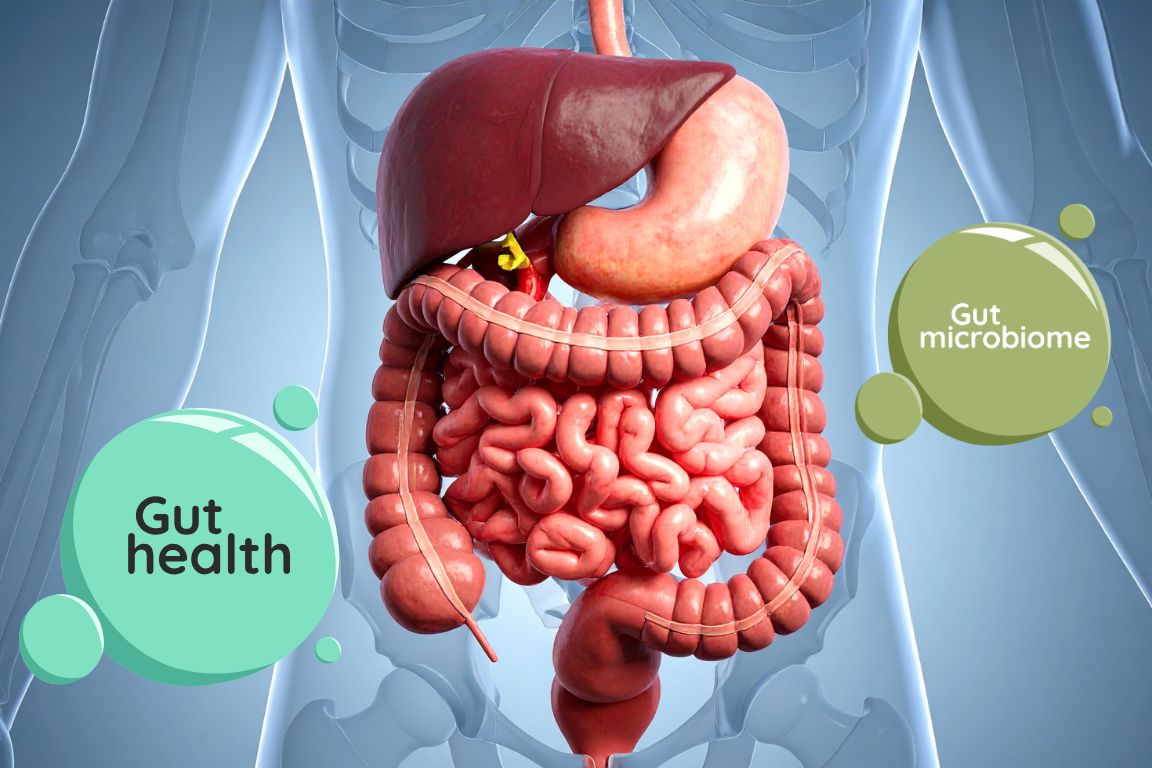
Your stomach operates as a fierce security checkpoint, designed to annihilate pathogens before they reach your intestines. With a pH that can drop as low as 1.0, your gastric acid dissolves most bacteria on contact, good or bad. This protective mechanism keeps you safe from foodborne illnesses but also poses a serious challenge for beneficial probiotics trying to reach their destination alive.
The acidity of your stomach fluctuates dramatically throughout the day. Upon waking, your stomach pH hovers around 4, relatively mild by stomach standards. As you begin eating and your body ramps up acid production, pH levels plummet. After a large meal, especially one high in protein, your stomach becomes an acid bath that few bacteria can survive.
Age plays a crucial role too. Young adults typically maintain stomach pH between 1 and 3, optimal for digestion and pathogen destruction. But by age 60, many people’s stomach acid weakens to pH 5 or higher. While this might seem beneficial for probiotic survival, it actually creates new problems, allowing pathogenic bacteria to slip past your body’s primary defense system.
Timing your probiotics like a pro
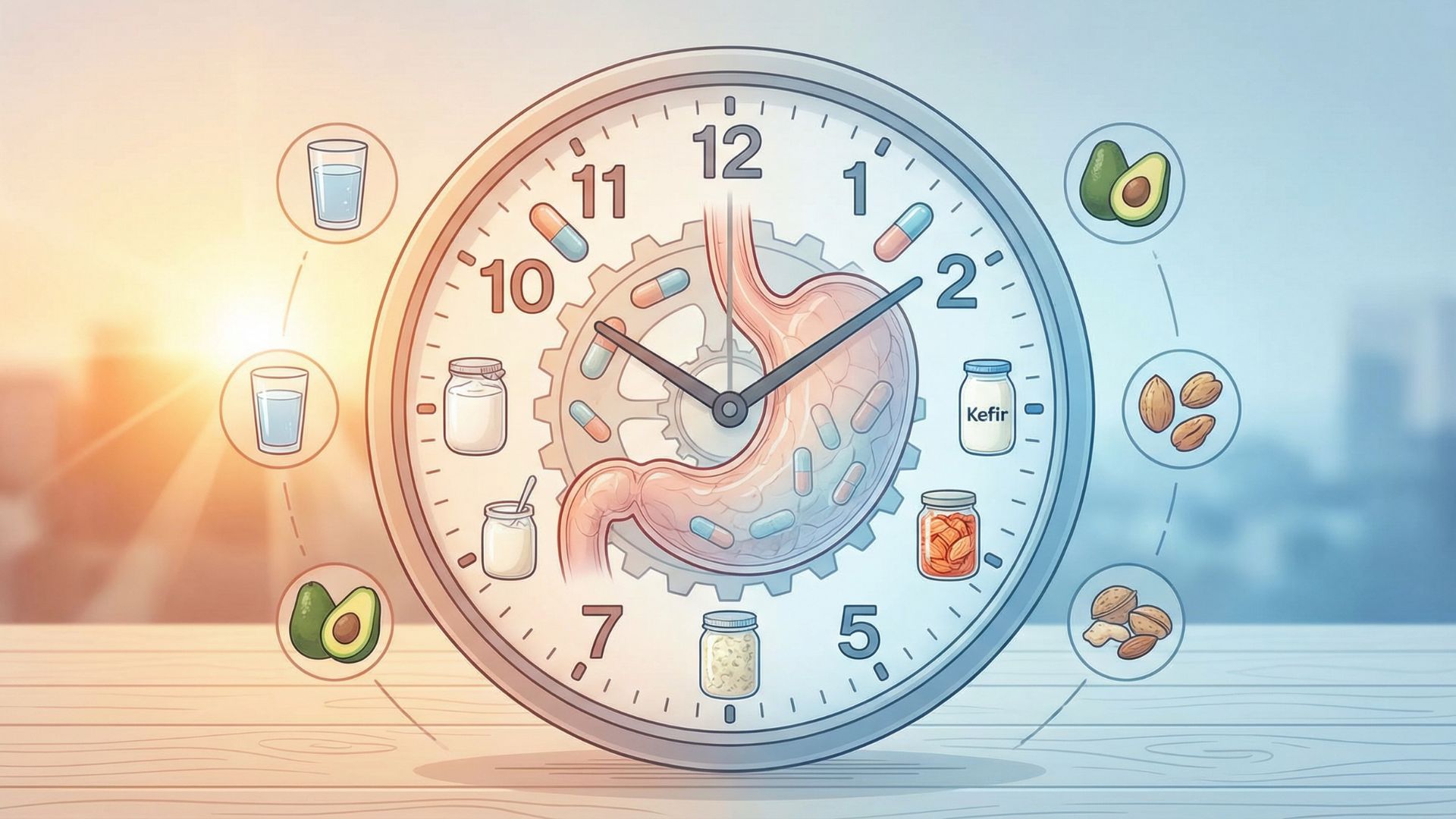
The golden window for probiotic consumption comes 30 minutes after finishing a meal. Food acts as a buffer, temporarily raising stomach pH and providing a protective matrix that shields bacteria during their journey south. The meal doesn’t need to be large; even a small snack creates enough buffering action to dramatically improve bacterial survival rates.
Morning presents unique advantages for probiotic timing. Your stomach acid hasn’t yet reached peak production, and if you’re practicing intermittent fasting, taking probiotics with your first meal provides ideal conditions. The bacteria ride along with food through your digestive system, protected within the food bolus from direct acid exposure.
Many people make the mistake of taking probiotics with their morning lemon water or apple cider vinegar drink. Adding acid to acid creates an impossible environment for bacterial survival. Save your acidic drinks for separate times, allowing at least two hours between vinegar consumption and probiotic supplementation.
The fat factor nobody talks about
Here’s something most probiotic manufacturers won’t tell you: fat dramatically improves bacterial survival. When you take probiotics with a meal containing healthy fats, you create a protective coating around the bacteria. This lipid shield resists stomach acid, buying precious time for the bacteria to reach the relative safety of your small intestine.
Traditional fermented foods often came with their own fat content. Full-fat yogurt, aged cheeses, and fermented dairy products naturally protected their bacterial cargo. Our modern fat-phobic culture pushed us toward low-fat probiotic foods, inadvertently reducing their effectiveness. Adding a spoonful of olive oil, some avocado, or a handful of nuts to your probiotic routine can double or triple bacterial survival rates.
Speed matters more than you think
The faster probiotics move through your stomach, the better their chances of survival. This is where water becomes your secret weapon. Taking probiotics with a full glass of water dilutes stomach acid while speeding transit time. The liquid helps flush the bacteria through quickly, minimizing their exposure to harsh gastric conditions.
Avoid taking probiotics with hot beverages. That morning coffee or tea might seem harmless, but temperatures above 115°F begin killing beneficial bacteria. Room temperature or cool water provides the ideal vehicle for probiotic delivery. Some research even suggests that carbonated water might offer additional protection through its buffering capacity, though more studies are needed.
Special considerations for different probiotic types
Not all probiotics face equal challenges. Spore-forming probiotics like Bacillus species come naturally armored against stomach acid. These hardy bacteria can survive extreme conditions that would obliterate regular probiotics. If you’re taking spore-based probiotics, timing becomes less critical, though taking them with food still enhances their effectiveness.
Enteric-coated probiotics represent another exception. These specially designed capsules resist stomach acid, only dissolving when they reach the alkaline environment of your small intestine. While more expensive, they offer insurance against timing mistakes. Still, taking them after meals provides an extra layer of protection.
Fermented foods deserve special mention. The lactic acid bacteria in sauerkraut, kimchi, and kefir have already adapted to acidic conditions during fermentation. They show remarkable resilience to stomach acid, especially when consumed as part of a meal. The fermented vegetables themselves provide prebiotics that feed the bacteria, creating a complete package for gut health.
When probiotics backfire
Taking probiotics at the wrong time doesn’t just waste money; it can cause unnecessary digestive distress. When bacteria die in your stomach, they release cellular components that can trigger bloating, gas, and nausea. People often blame the probiotic strain when timing was the real culprit.
If you experience digestive upset after taking probiotics, try shifting your timing before abandoning them entirely. What seems like an intolerance might simply be millions of bacteria dying in your stomach acid. Proper timing often resolves these issues completely.
The path to optimal gut health requires more than just taking the right supplements; it demands strategic timing that works with your body’s natural rhythms. Once you master probiotic timing, you might be ready to explore how to increase microbiome diversity for even greater health benefits.
What time of day does your digestion feel strongest and most comfortable?