


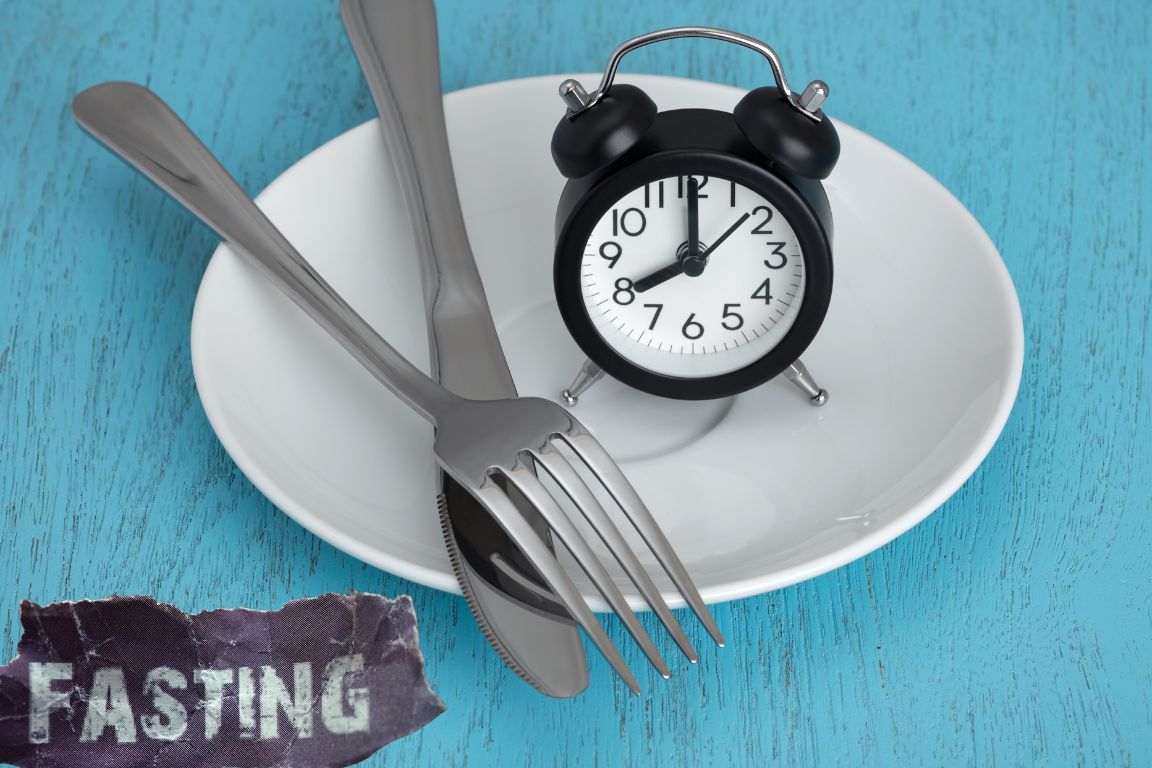

Your cells have forgotten how to listen to insulin, and that sugar-laden breakfast you just ate is making things worse by the minute. This cellular deafness, known as insulin resistance, lies at the heart of most modern metabolic diseases, from type 2 diabetes to fatty liver disease. But what if the solution wasn’t adding another medication to your routine but simply changing when you eat?
Understanding the insulin resistance epidemic
Insulin resistance develops when cells become overwhelmed by constant insulin exposure, much like how you might tune out background noise after prolonged exposure. Every time you eat, your pancreas releases insulin to help shuttle glucose into cells for energy. But when insulin levels stay elevated throughout the day from frequent eating and high-carbohydrate diets, cells start ignoring the signal.
Think of insulin as a key that unlocks cellular doors for glucose to enter. With insulin resistance, the locks become rusty and difficult to turn. Your pancreas responds by producing even more insulin, trying harder to force those doors open. This creates a vicious cycle where higher insulin levels lead to greater resistance, eventually exhausting your pancreas and leading to type 2 diabetes.
The statistics paint a sobering picture. According to recent CDC data, approximately one third of Americans consume junk food daily, constantly bombarding their systems with insulin spikes. Most people eat six times a day when you count snacks, creating an insulin roller coaster that never allows cells to recover their sensitivity.
The metabolic switch that changes everything
When you extend the time between meals through intermittent fasting, something remarkable happens at the cellular level. After about 12 hours without food, your liver’s glycogen stores become depleted, and your body makes a critical metabolic switch from burning glucose to burning fat for fuel. This shift triggers a cascade of beneficial changes that directly address insulin resistance.
During the fasting state, insulin levels plummet to their lowest baseline levels. This break from constant insulin exposure allows cellular insulin receptors to regenerate and regain sensitivity. Research has shown that even short-term fasting periods can improve insulin sensitivity by up to 30 percent within weeks.
The production of ketones during fasting serves as more than just an alternative fuel source. These molecules act as signaling compounds that reduce inflammation, protect neurons, and improve mitochondrial function. Your brain actually prefers ketones in many ways, producing less oxidative stress and waste products compared to glucose metabolism.
Autophagy: your cellular renovation system
Perhaps the most fascinating aspect of fasting’s impact on insulin resistance involves autophagy, literally meaning “self-eating” in Greek. This cellular recycling process kicks into high gear during fasting periods, particularly after 16 to 18 hours without food. During autophagy, cells break down damaged proteins and dysfunctional organelles, including faulty insulin receptors, and rebuild them from scratch.
Think of autophagy as your body’s renovation crew, tearing down old, inefficient structures and replacing them with new, fully functional components. This process particularly targets damaged mitochondria, the cellular powerhouses responsible for energy production. Since mitochondrial dysfunction plays a major role in insulin resistance, this cleanup process directly improves metabolic health.
Studies in both animals and humans have demonstrated that regular activation of autophagy through intermittent fasting can reverse many hallmarks of metabolic syndrome. Participants following time-restricted eating patterns show improvements in blood pressure, triglycerides, and inflammatory markers, all while experiencing significant reductions in insulin resistance.
The liver transformation effect
Your liver bears the brunt of metabolic dysfunction, often accumulating fat when insulin resistance develops. This fatty liver condition further impairs insulin sensitivity, creating another vicious cycle. However, intermittent fasting produces dramatic improvements in liver health remarkably quickly.
Research shows that combining intermittent fasting with a low-carbohydrate approach can reduce liver fat by 50 percent within just 14 days. This rapid improvement occurs because fasting forces the liver to burn through its stored glycogen and then tap into fat stores for energy production. As liver fat decreases, the organ’s ability to respond appropriately to insulin signals improves dramatically.
The liver also plays a crucial role in producing ketones during fasting states. This metabolic flexibility, switching between glucose and ketone production based on nutrient availability, becomes impaired with chronic insulin resistance. Regular fasting periods retrain this metabolic flexibility, allowing your liver to efficiently manage blood sugar regardless of whether you’re fed or fasted.
Hormonal harmony beyond insulin
While insulin takes center stage in metabolic discussions, intermittent fasting influences a symphony of hormones that work together to reverse insulin resistance. Growth hormone production increases by up to 500 percent during fasting, promoting fat burning while preserving lean muscle mass. This hormonal shift helps maintain metabolic rate even as you lose weight.
Fasting also normalizes leptin and ghrelin, your hunger and satiety hormones. Many people with insulin resistance also suffer from leptin resistance, where the brain ignores signals indicating fullness. Regular fasting periods help reset these hormonal signals, making it easier to recognize true hunger versus habitual eating patterns.
The stress hormone cortisol follows a natural daily rhythm, peaking around 8 AM. Many people mistake this morning cortisol surge for hunger, but pushing through this temporary sensation often leads to increased mental clarity and energy as the body adapts to using ketones for fuel.
Practical application for lasting results
Successfully using intermittent fasting to reverse insulin resistance requires a gradual, sustainable approach. Starting with a simple 12-hour overnight fast and gradually extending to 16 or 18 hours allows your body to adapt without triggering excessive stress responses. Adding healthy fats at the end of meals provides satiety that makes fasting periods more comfortable.
Certain supplements and beverages can support your fasting practice without breaking the metabolic benefits. Black coffee, green tea, and water with apple cider vinegar actually enhance insulin sensitivity. Electrolyte supplementation prevents the fatigue and headaches that sometimes accompany the adaptation period.
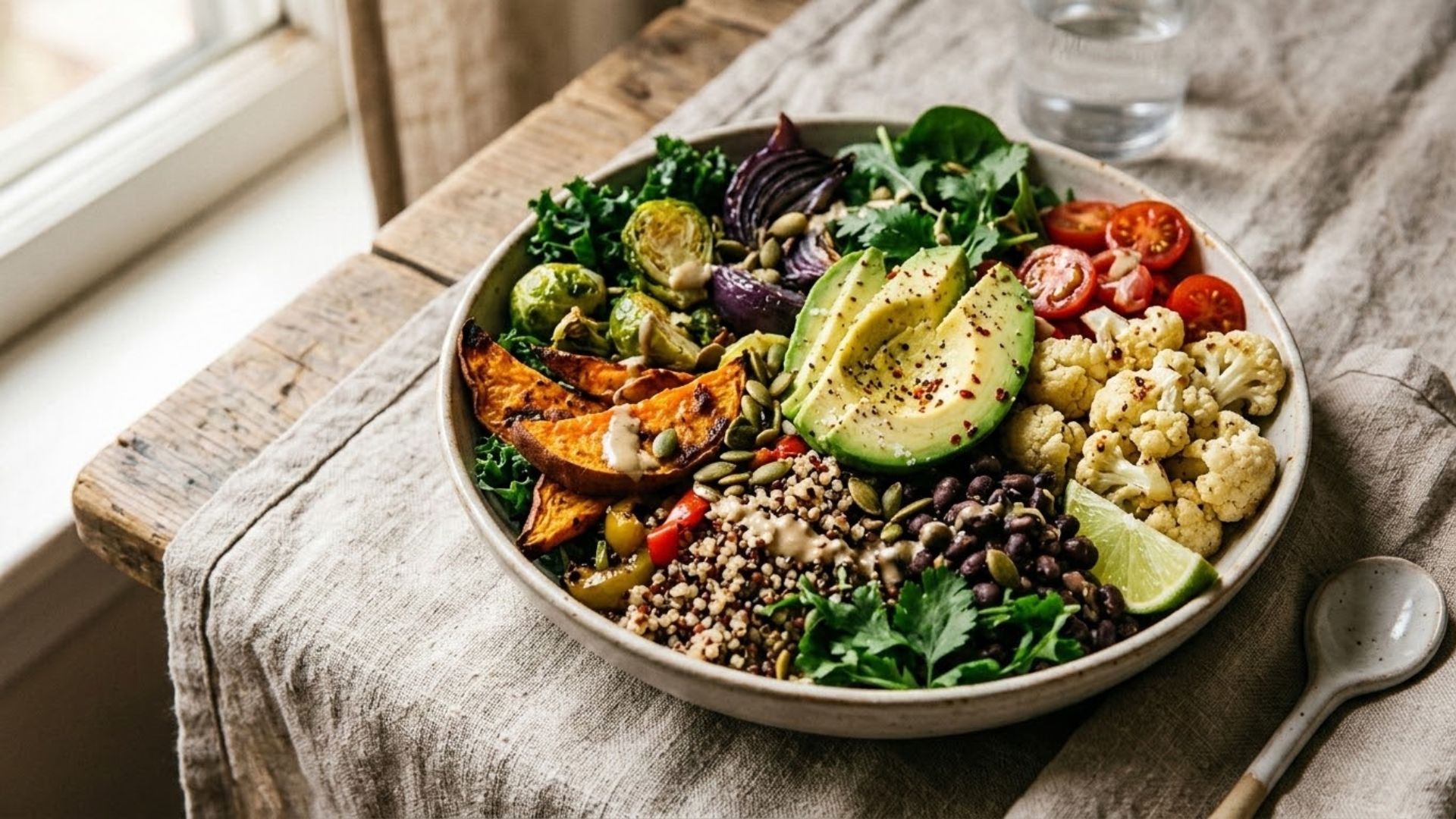
The quality of food consumed during eating windows matters tremendously. Combining intermittent fasting with refined carbohydrates and seed oils undermines the metabolic benefits. Focus on whole foods, quality proteins, abundant vegetables, and natural fats to maximize insulin sensitivity improvements.
Conclusion
The science clearly demonstrates that intermittent fasting offers a powerful, medication-free approach to reversing insulin resistance. By allowing insulin levels to drop, activating autophagy, and retraining metabolic flexibility, fasting addresses the root causes rather than just managing symptoms. The transformation extends beyond blood sugar control, improving liver health, hormone balance, and cellular function throughout your body.
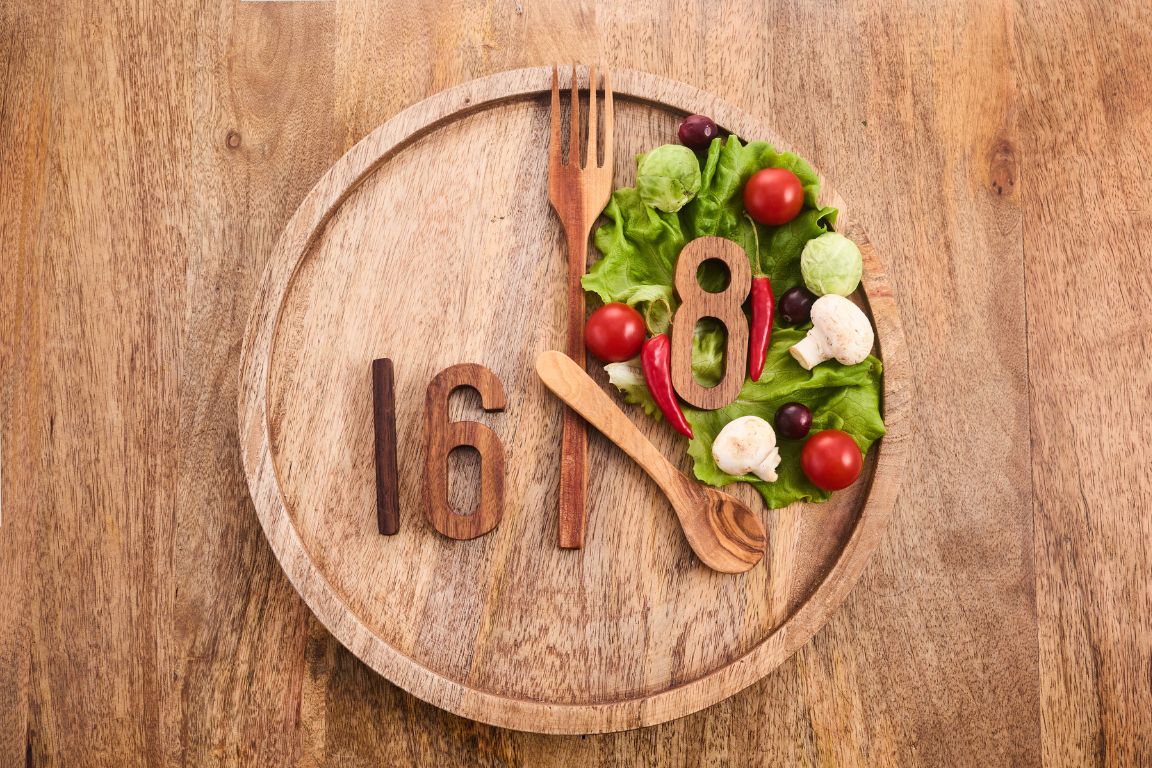
Ready to put this knowledge into practice? Start with the foundational 16:8 intermittent fasting protocol to begin your metabolic transformation journey.
What aspects of insulin resistance have you found most challenging to overcome, and how might intermittent fasting address those specific concerns?