





The fatigue started around week six. Then came the hair falling out in clumps during morning showers. Brittle nails that split at the slightest pressure. A persistent brain fog that made concentration feel like wading through mud.
These symptoms get dismissed as normal side effects of GLP-1 medications or chalked up to rapid weight loss. But for a growing number of Ozempic and Wegovy users, they signal something more specific and more correctable: micronutrient deficiencies that develop when food intake drops by 30 to 50 percent without corresponding adjustments to nutrient density.
The math is brutally simple. Eat half as much food, absorb half as many vitamins and minerals. Your body’s requirements do not decrease just because your appetite has vanished.
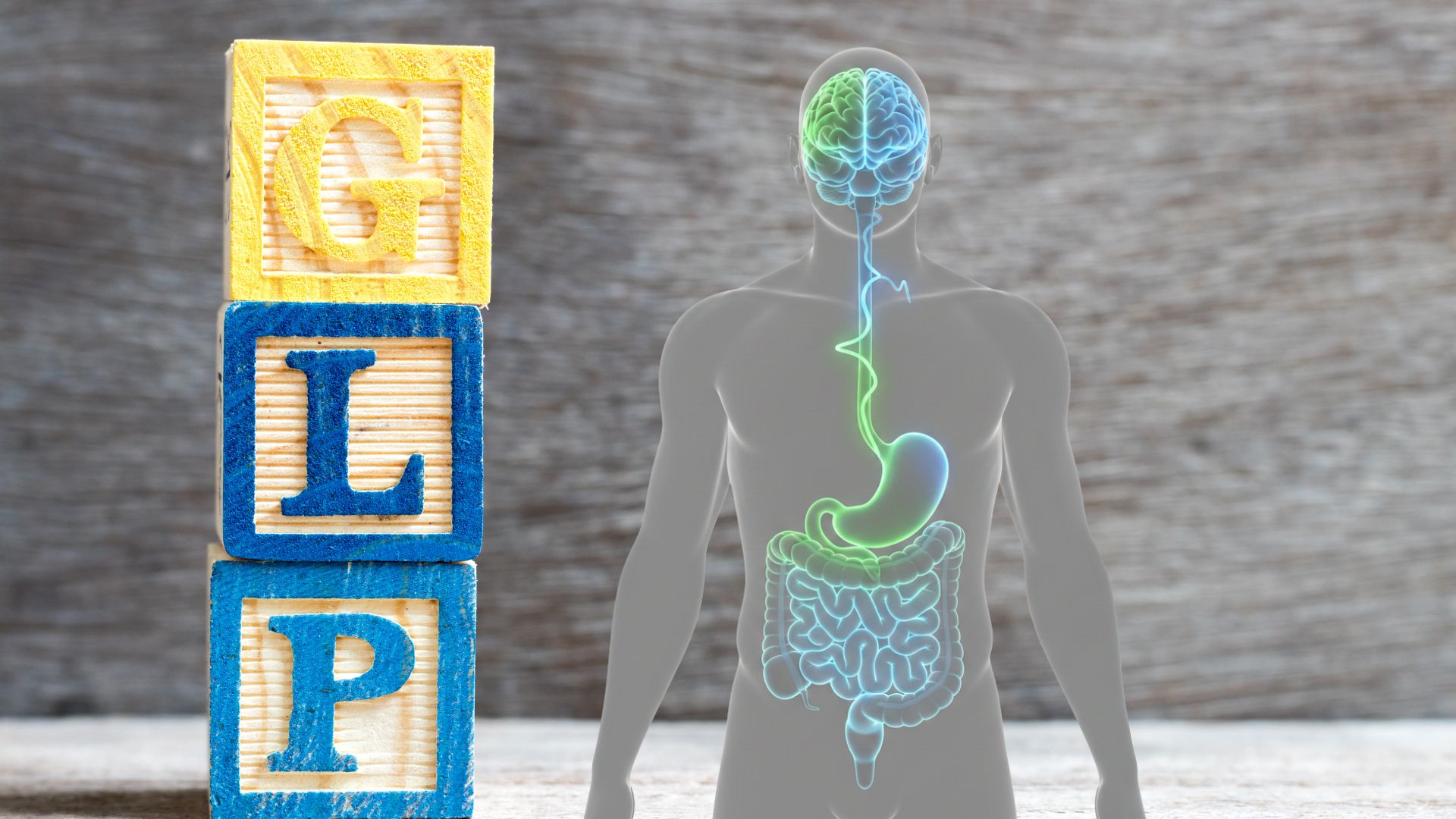
GLP-1 receptor agonists are a class of injectable medications originally developed to treat type 2 diabetes. They mimic glucagon-like peptide-1, a natural hormone that regulates blood sugar, slows gastric emptying, and signals fullness to the brain.
Because they significantly reduce appetite, several GLP-1 medications are now FDA-approved for chronic weight management in adults with obesity or overweight with related health conditions.
Common examples: Ozempic and Wegovy (semaglutide), Mounjaro and Zepbound (tirzepatide), Saxenda (liraglutide), and Trulicity (dulaglutide).
Why GLP-1 medications increase deficiency risk
Standard multivitamin recommendations assume a baseline caloric intake of 1,800 to 2,200 calories daily for most adults. At this intake level, a reasonably varied diet typically provides adequate micronutrients without supplementation for healthy individuals.
GLP-1 users frequently consume 800 to 1,200 calories daily during active weight loss phases. Some report eating even less. At these intake levels, meeting micronutrient needs through food alone becomes mathematically challenging regardless of food quality.
Beyond reduced intake, GLP-1 medications create additional absorption challenges. Delayed gastric emptying alters the timing and efficiency of nutrient absorption. Nausea and food aversions lead many users to avoid nutrient-dense foods like vegetables and proteins in favor of bland, easily tolerated options that offer fewer micronutrients per calorie.
The gastrointestinal side effects common during dose titration further compound the problem. Vomiting, diarrhea, and reduced appetite during these phases can create acute deficiencies that persist even after side effects resolve.
The most common deficiencies in glp-1 users
Not all micronutrients carry equal deficiency risk during GLP-1 therapy. Based on emerging clinical observations and the dietary patterns typical of medication users, several nutrients warrant particular attention.

Vitamin B12
B12 deficiency has emerged as one of the most concerning nutritional consequences of GLP-1 treatment. This water-soluble vitamin requires adequate stomach acid and intrinsic factor for absorption. GLP-1 medications reduce gastric acid secretion and slow stomach emptying, both of which can impair B12 uptake.
Symptoms of B12 deficiency include fatigue, weakness, numbness or tingling in hands and feet, difficulty with balance, cognitive changes, and mood disturbances. These symptoms overlap significantly with reported GLP-1 side effects, making deficiency easy to miss without blood testing.
Long-term B12 deficiency causes irreversible neurological damage. Given the extended duration of GLP-1 therapy for most users, monitoring B12 status becomes essential rather than optional.
Iron
Iron deficiency affects a significant portion of the general population, particularly premenopausal women. Reduced food intake on GLP-1 medications exacerbates existing insufficiency and can push borderline levels into frank deficiency.
The richest dietary iron sources, red meat and organ meats, are precisely the foods many GLP-1 users find difficult to tolerate. Nausea and altered taste perception often steer users toward lighter fare that provides minimal iron.
Iron deficiency manifests as fatigue, weakness, pale skin, shortness of breath, cold hands and feet, and brittle nails. Hair loss, one of the most distressing complaints among GLP-1 users, frequently traces back to inadequate iron stores.
Vitamin D
Most Americans already have suboptimal vitamin D levels before starting GLP-1 therapy. Reduced food intake, particularly of fortified dairy products and fatty fish, pushes levels lower still.
Vitamin D plays critical roles beyond bone health. It supports immune function, muscle strength, mood regulation, and metabolic processes. Deficiency has been linked to increased infection risk, depression, muscle weakness, and impaired glucose metabolism.
For individuals losing significant weight, maintaining vitamin D status becomes especially important. Vitamin D is fat-soluble and can be sequestered in adipose tissue. As fat mass decreases, some stored vitamin D gets released, but this does not compensate for inadequate ongoing intake.
Calcium
Calcium intake often drops during GLP-1 therapy as users consume less dairy and fewer fortified foods. Combined with potential vitamin D insufficiency, this creates concerning implications for bone health.
Rapid weight loss already stresses bone density. The mechanical unloading that comes with carrying less body weight reduces the stimulus for bone maintenance. Add calcium deficiency to this equation and bone loss accelerates beyond what weight change alone would cause.
For postmenopausal women and older adults, both groups heavily represented among GLP-1 users, calcium monitoring deserves particular attention.
Zinc
Zinc deficiency produces symptoms that many GLP-1 users report: altered taste perception, reduced appetite, hair loss, slow wound healing, and impaired immune function. The irony is not lost on clinicians: a medication that suppresses appetite may worsen appetite further by depleting zinc stores.
Animal proteins provide the most bioavailable zinc, and reduced meat consumption on GLP-1 therapy limits intake. Phytates in whole grains and legumes, foods some users rely on for easy-to-digest nutrition, can further inhibit zinc absorption.
Thiamine (Vitamin B1)
Thiamine deficiency represents an underrecognized risk in rapid weight loss scenarios. This B vitamin plays essential roles in energy metabolism and nervous system function. Severe deficiency causes Wernicke encephalopathy, a potentially life-threatening neurological condition.
While severe thiamine deficiency remains rare, subclinical insufficiency likely occurs more frequently than recognized. Symptoms include fatigue, irritability, poor concentration, and muscle weakness, all commonly attributed to other causes in GLP-1 users.
Bariatric surgery programs routinely supplement thiamine given similar deficiency risks. GLP-1 therapy produces comparable weight loss rates and dietary restrictions, suggesting similar vigilance is warranted.
Recognizing deficiency symptoms
The challenge with micronutrient deficiencies is that symptoms often develop gradually and overlap with common GLP-1 side effects or general weight loss experiences. Awareness of warning signs helps distinguish normal adaptation from developing deficiency.
| Symptom | Possible deficiency |
| Persistent fatigue despite adequate sleep | B12, iron, vitamin D, thiamine |
| Hair loss or thinning | Iron, zinc, biotin, protein |
| Brittle nails | Iron, biotin, protein |
| Numbness or tingling in extremities | B12, thiamine |
| Muscle cramps | Magnesium, calcium, potassium |
| Mood changes or depression | B12, vitamin D, omega-3s |
| Frequent infections | Vitamin D, zinc, vitamin C |
| Poor wound healing | Zinc, vitamin C, protein |
| Altered taste perception | Zinc |
| Brain fog or cognitive issues | B12, iron, thiamine, omega-3s |
Multiple overlapping symptoms or symptoms that persist despite dose stabilization warrant blood testing to identify specific deficiencies.
Testing and monitoring recommendations
Baseline micronutrient testing before starting GLP-1 therapy provides valuable reference points. Many clinicians now recommend checking the following before initiating treatment:
- Complete blood count (screens for anemia)
- Comprehensive metabolic panel
- Vitamin B12
- Vitamin D (25-hydroxyvitamin D)
- Iron studies (serum iron, ferritin, TIBC)
- Folate
Follow-up testing at 3 to 6 month intervals during active weight loss helps catch developing deficiencies before symptoms become severe. More frequent testing may be appropriate for individuals with pre-existing deficiencies or those experiencing concerning symptoms.
Insurance coverage for nutritional testing varies. Advocating for testing as part of comprehensive GLP-1 management often succeeds, particularly when framed around preventing complications that would require more expensive interventions.
Supplementation strategies
Given the challenges of meeting micronutrient needs through food alone during GLP-1 therapy, most users benefit from strategic supplementation.
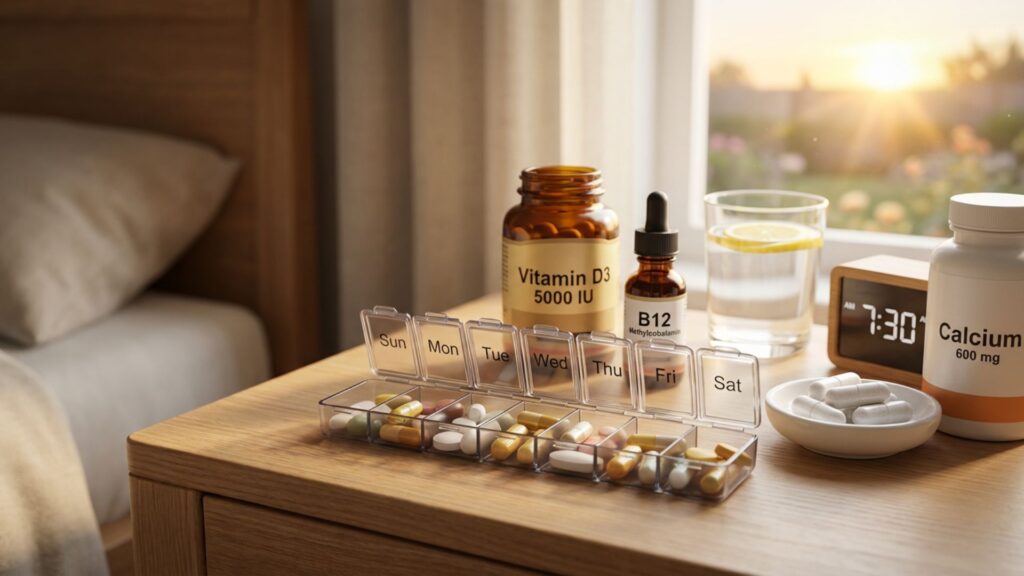
A high-quality multivitamin provides baseline coverage for most micronutrients. Look for formulations that contain methylated B vitamins (methylcobalamin for B12, methylfolate for folate) for optimal absorption. Avoid formulas with excessive iron unless iron deficiency has been confirmed, as iron overload carries its own risks.
Additional targeted supplementation often makes sense for nutrients with higher deficiency risk:
Vitamin D3: 2,000 to 4,000 IU daily for most adults, adjusted based on blood levels. Higher doses may be needed to correct existing deficiency.
Vitamin B12: 500 to 1,000 mcg daily of methylcobalamin, particularly for adults over 50 or those taking acid-reducing medications alongside GLP-1 therapy.
Iron: Only if deficiency is confirmed through testing. Iron supplementation without documented need can cause harm.
Calcium: 500 to 600 mg daily if dietary intake falls short, ideally split into two doses for better absorption. Pair with vitamin D for optimal utilization.
Magnesium: 200 to 400 mg daily of a well-absorbed form like magnesium glycinate or citrate. Supports muscle function, sleep, and helps prevent constipation.
Timing matters for supplement absorption. Take calcium separately from iron, as they compete for absorption. Fat-soluble vitamins (A, D, E, K) absorb better when taken with food containing some fat. B vitamins are often better tolerated earlier in the day.
Working with your healthcare team
Micronutrient management should be part of comprehensive GLP-1 treatment rather than an afterthought. Discuss testing and supplementation with your prescribing physician or a registered dietitian experienced with GLP-1 patients.
Bring specific concerns to appointments. Track symptoms that might indicate deficiency. Request testing when something feels off rather than waiting for routine follow-ups.
Some obesity medicine practices now incorporate regular nutritional monitoring into their GLP-1 protocols. Others lag behind. Advocating for yourself ensures deficiencies get caught early when correction is straightforward.
The bigger nutritional picture
Micronutrient status represents one piece of the broader nutritional puzzle during GLP-1 therapy. Adequate protein intake, fiber consumption, hydration, and meal timing all influence both how you feel and your treatment outcomes.
For a comprehensive overview of nutritional strategies while taking these medications, our complete guide to GLP-1 nutrition addresses all of these interconnected factors.
Preventing deficiency is far easier than correcting it after months of depletion. What conversations have you had with your healthcare provider about nutritional monitoring during your GLP-1 treatment?