




Chronic inflammation operates like a slow-burning fire inside your body. You might not feel the flames directly, but the damage accumulates over months and years until symptoms finally demand attention. Joint pain, digestive problems, brain fog, skin issues and fatigue often trace back to this underlying inflammatory state that conventional medicine frequently overlooks.
The standard approach to inflammation involves suppressing symptoms with medications. Anti-inflammatory drugs, corticosteroids and immune-suppressing biologics all have their place for acute situations. But these interventions don’t address why inflammation started or why it persists. They turn down the smoke alarm without putting out the fire.
Learning how to reduce inflammation naturally requires understanding what drives inflammatory processes in the first place. Your immune system didn’t malfunction randomly. Something triggered it and continues triggering it. Identifying and removing these triggers while supporting your body’s natural resolution mechanisms produces lasting results that symptom suppression cannot match.
The causes of chronic inflammation vary between individuals. For some people, dietary factors dominate. Others deal primarily with stress-driven inflammation or gut dysfunction. Many face multiple overlapping causes that require comprehensive approaches. Cookie-cutter solutions fail because inflammation is personal.
This guide covers the major drivers of chronic inflammation and evidence-based natural strategies for addressing each one. The goal isn’t simply reducing inflammatory markers on lab tests, though that often happens. The real goal is restoring the balance that allows your body to mount appropriate inflammatory responses when needed while efficiently resolving them when the threat passes.
Inflammation itself isn’t the enemy. Acute inflammation protects you from infections and helps heal injuries. The problem arises when inflammation becomes chronic, when the fire never fully extinguishes, when your immune system stays activated against threats real or perceived. Breaking this cycle requires addressing root causes rather than just managing symptoms.
The information ahead draws from both traditional wisdom and modern research. Many anti-inflammatory approaches have been used for centuries across different cultures. Science now explains why these traditional practices work and helps refine their application. Combining ancestral knowledge with contemporary understanding provides the most effective path forward.
Section 1: Anti-Inflammatory Foods and Diet Strategies
What you eat several times daily exerts enormous influence over inflammatory status. Every meal either calms or provokes your immune system. The cumulative effect of thousands of food choices shapes whether you live in a chronically inflamed state or maintain healthy inflammatory balance.
The standard American diet creates perfect conditions for chronic inflammation. Processed foods, refined sugars, industrial seed oils and chemical additives dominate grocery store shelves and restaurant menus. These ingredients trigger inflammatory responses that accumulate over time, eventually manifesting as the chronic diseases now epidemic in modern societies.
Shifting toward anti-inflammatory eating doesn’t require complicated meal plans or exotic ingredients. The principles are straightforward even if implementation takes some adjustment. Focus on whole foods that humans have eaten for generations while avoiding the industrial products that entered our food supply only recently.
Foods that fight inflammation
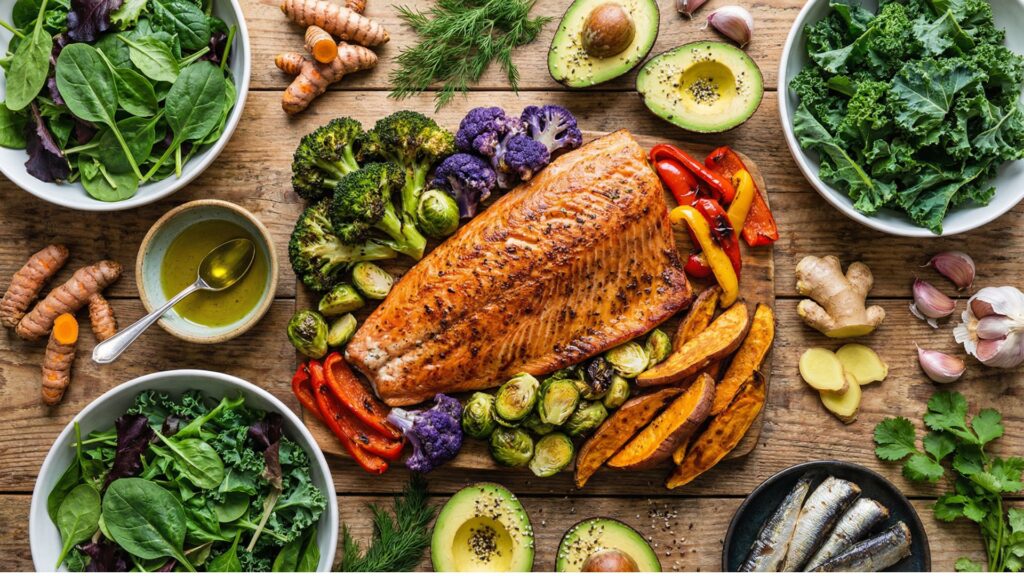
Fatty fish tops the list of anti-inflammatory foods. Wild-caught salmon, sardines, mackerel and anchovies deliver omega-3 fatty acids in their most bioavailable form. These essential fats directly compete with pro-inflammatory omega-6 fatty acids for incorporation into cell membranes. Eating fatty fish two to three times weekly provides substantial anti-inflammatory benefit.
Sardines deserve special mention for their combination of omega-3 content, low mercury levels and affordability. A can of sardines costs a couple dollars while providing protein, omega-3s, calcium and vitamin D. This humble fish offers remarkable nutritional value for reducing inflammation naturally.
Cruciferous vegetables including broccoli, cauliflower, Brussels sprouts, cabbage and kale contain sulforaphane, a compound that activates your body’s own antioxidant defense systems. Rather than simply providing external antioxidants, these vegetables trigger internal production of protective compounds that combat inflammatory damage.
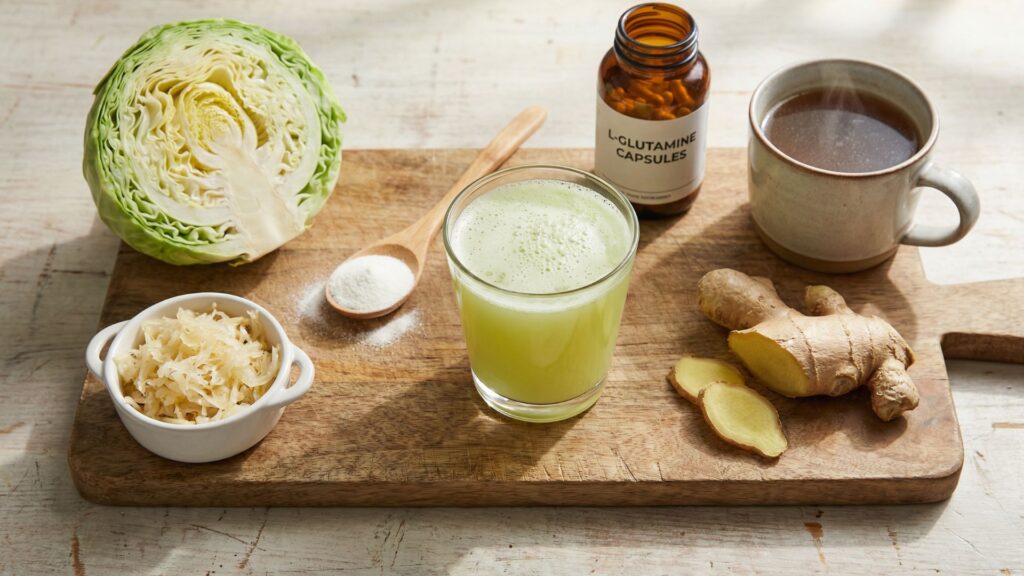
Cabbage stands out for digestive inflammation specifically. It contains vitamin U, a substance that accelerates healing of the gut lining. People with ulcers, gastritis or inflammatory bowel conditions often find cabbage remarkably soothing whether eaten raw, fermented as sauerkraut or juiced fresh.
Quality matters tremendously for animal products. Grass-fed beef contains significantly more omega-3 fatty acids and conjugated linoleic acid compared to grain-fed alternatives. Pasture-raised eggs from chickens eating their natural diet provide better fatty acid ratios than conventional eggs. These differences matter when you’re trying to reduce inflammation.
Extra virgin olive oil contains oleocanthal, a compound with anti-inflammatory effects similar to ibuprofen. Quality olive oil actually creates a slight peppery sensation in your throat from this compound. Use it generously on salads and vegetables to benefit from its inflammation-fighting properties.
Herbs and spices provide concentrated anti-inflammatory compounds. Turmeric gets the most attention for good reason, but ginger, rosemary, oregano and garlic all demonstrate anti-inflammatory effects in research. Using these generously in cooking adds flavor while providing therapeutic compounds.
Foods that promote inflammation
Seed oils represent perhaps the most inflammatory component of modern diets. Soybean oil, corn oil, canola oil, cottonseed oil and sunflower oil contain excessive omega-6 fatty acids that promote inflammation when consumed in the quantities typical today.
Reading ingredient labels reveals just how pervasive these oils have become. Salad dressings, mayonnaise, crackers, chips and virtually all fried foods contain them. Cooking at home with olive oil, coconut oil, butter or tallow avoids this major inflammatory trigger.
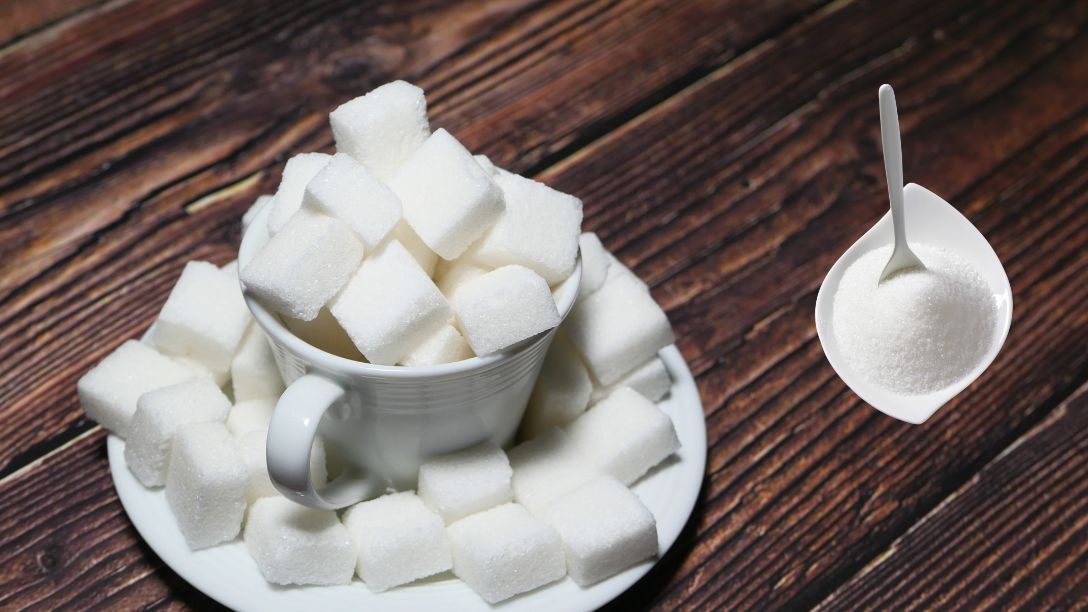
Refined sugars and carbohydrates trigger inflammatory responses through multiple mechanisms. Sugar spikes blood glucose, promotes insulin resistance, feeds problematic gut bacteria and generates oxidative stress. The average American consumes over 70 pounds of added sugar annually, creating constant low-grade inflammation as baseline.
Ultra-processed foods combine multiple inflammation triggers in single products. A fast food meal might include refined flour buns, seed oil-fried potatoes, sugar-laden ketchup and soda. The cumulative effect exceeds what any single ingredient would produce.
For comprehensive guidance on building an anti-inflammatory eating pattern, including specific meal templates and food lists, our detailed guide to anti-inflammatory foods for daily healing provides everything needed to transform your diet.
Section 2: Vitamin D and inflammation: the essential connection

Vitamin D deficiency affects the majority of people living in modern societies, and this widespread insufficiency contributes directly to the epidemic of chronic inflammatory conditions. This nutrient functions more like a hormone than a traditional vitamin, influencing gene expression in nearly every tissue type and playing a central role in immune regulation.
Your immune system contains vitamin D receptors throughout its cells. When these receptors remain unoccupied due to deficiency, immune function becomes dysregulated. The system either underperforms against pathogens or overreacts against your own tissues. Both scenarios create inflammatory problems that proper vitamin D levels help prevent.
Researchers have identified over 200 genes that vitamin D directly influences. Many of these genes control inflammatory pathways, explaining why deficiency correlates so strongly with conditions characterized by chronic inflammation. Autoimmune diseases, cardiovascular problems, chronic pain and even depression all show associations with low vitamin D status.
How vitamin D reduces inflammation
Vitamin D calms inflammatory processes through several distinct mechanisms that work together to restore immune balance.
First, it suppresses the production of pro-inflammatory cytokines. These signaling molecules tell your immune system to ramp up inflammatory responses. With adequate vitamin D, fewer of these alarm signals get released, reducing the intensity and duration of inflammatory episodes.
Second, vitamin D promotes regulatory T cells. These specialized immune cells act as peacekeepers, preventing your immune system from attacking your own tissues. People with autoimmune conditions typically show reduced regulatory T cell function that vitamin D helps restore.
Third, vitamin D modulates NF-kB, a protein complex that controls inflammatory gene expression. When NF-kB remains overactive, chronic inflammation results. Vitamin D helps keep this master switch in a more balanced position.
The net effect resembles what prednisone accomplishes but without the harsh side effects. Physicians prescribe synthetic cortisol for inflammatory conditions precisely because it suppresses immune overactivity. Vitamin D achieves similar immune modulation through gentler, more physiological means.
Why most people run deficient
Modern lifestyles virtually guarantee vitamin D insufficiency. Our ancestors spent most of their days outdoors, synthesizing vitamin D through sun exposure. We spend our days inside offices, homes and cars. When we do venture outside, sunscreen blocks the UVB rays needed for vitamin D production.
Geographic location compounds the problem. Anyone living north of Atlanta essentially cannot produce vitamin D from sunlight between October and March. The sun angle becomes too low for adequate UVB penetration through the atmosphere. Millions of Americans go half the year without any meaningful vitamin D synthesis.
Skin pigmentation affects production rates significantly. Darker skin contains more melanin, which acts as natural sunscreen. People with darker complexions need substantially more sun exposure to produce equivalent vitamin D compared to those with lighter skin.
Age reduces production capacity as well. A 70-year-old produces roughly 25% of the vitamin D that a 20-year-old produces from identical sun exposure. Body fat sequesters vitamin D, making it unavailable for use. Overweight individuals often show low blood levels despite adequate intake.
Optimal dosing for reducing inflammation naturally
The recommended daily allowance of 600 to 800 IU was established to prevent rickets, not to optimize immune function or reduce inflammation. These minimal doses rarely move blood levels into ranges associated with anti-inflammatory benefits.
For general health maintenance, 5,000 to 10,000 IU daily makes more sense for most adults. This dosing typically raises blood levels into the 50 to 70 ng/mL range where research shows optimal outcomes. People with darker skin, obesity or limited sun exposure may need the higher end of this range.
Chronic inflammatory conditions often require more aggressive dosing initially. Some protocols use 20,000 to 40,000 IU daily for limited periods to restore depleted stores and calm active inflammation. These higher doses work best under professional guidance with periodic blood testing.
Taking vitamin D without vitamin K2 creates potential for arterial calcification over time. K2 activates proteins that shuttle calcium into bones and teeth while keeping it out of blood vessels. The ratio that works well pairs 100 micrograms of K2 with every 10,000 IU of D3.
Blood testing provides the only way to know your actual status and adjust dosing appropriately. A 25-hydroxy vitamin D test costs relatively little and gives concrete numbers to work with. Testing every three to four months while optimizing allows you to dial in your personal requirements.
For detailed dosing protocols, testing guidance and information on conditions that respond particularly well to vitamin D optimization, our comprehensive guide to vitamin D for inflammation covers everything you need to know.
Section 3: Gut inflammation: causes, symptoms and natural remedies
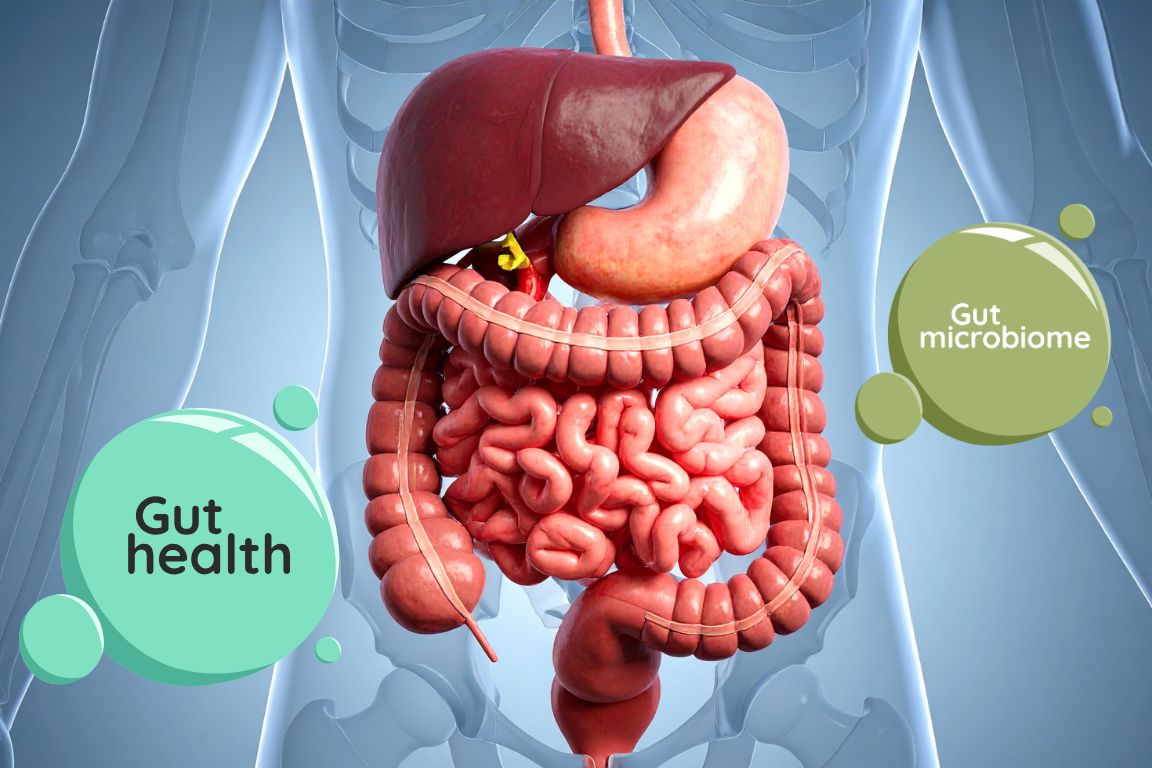
Your digestive tract spans roughly 30 feet from mouth to exit. This massive surface area contacts everything you swallow, making it your largest interface with the external environment. When things go wrong in this system, consequences ripple throughout your entire body, making gut health central to any effort to reduce inflammation naturally.
The gut lining consists of a single layer of cells held together by tight junctions. This delicate barrier must simultaneously absorb nutrients while blocking harmful substances from entering your bloodstream. Inflammation damages these cells and loosens the junctions between them, creating what many call leaky gut.
Once the barrier becomes compromised, partially digested food particles, bacteria and toxins slip through into circulation. Your immune system recognizes these invaders and mounts inflammatory responses. What started as localized gut irritation now becomes systemic inflammation affecting joints, skin, brain and other organs seemingly unconnected to digestion.
Most autoimmune conditions trace back to gut dysfunction. The immune confusion that causes your body to attack itself frequently originates from barrier breakdown in the digestive tract. Healing the gut often improves or resolves autoimmune symptoms that medications merely suppress.
Common causes of gut inflammation
Antibiotics save lives when truly necessary, but they also carpet bomb your gut microbiome. The friendly bacteria that protect your intestinal lining get wiped out along with whatever pathogen prompted the prescription. What remains afterward often includes more problematic species that survived the antibiotic assault.
These survivor microbes become stronger and more aggressive. Relationships that were previously neutral or beneficial turn antagonistic. Candida overgrowth, small intestinal bacterial overgrowth and other dysbiosis patterns frequently follow antibiotic courses, perpetuating inflammation long after the original infection resolved.
NSAIDs like ibuprofen and aspirin directly damage the gut lining with regular use. They inhibit protective prostaglandins that maintain the mucus layer shielding your intestines. Long-term NSAID users develop ulcers and intestinal permeability at alarming rates, trading one type of inflammation for another.
Dietary irritants create ongoing damage for many people. Gluten tops the list for susceptible individuals, triggering immune reactions that damage the intestinal lining. Seed oils promote inflammation throughout the body including the gut. Sugar feeds problematic bacteria and yeast while starving beneficial species.
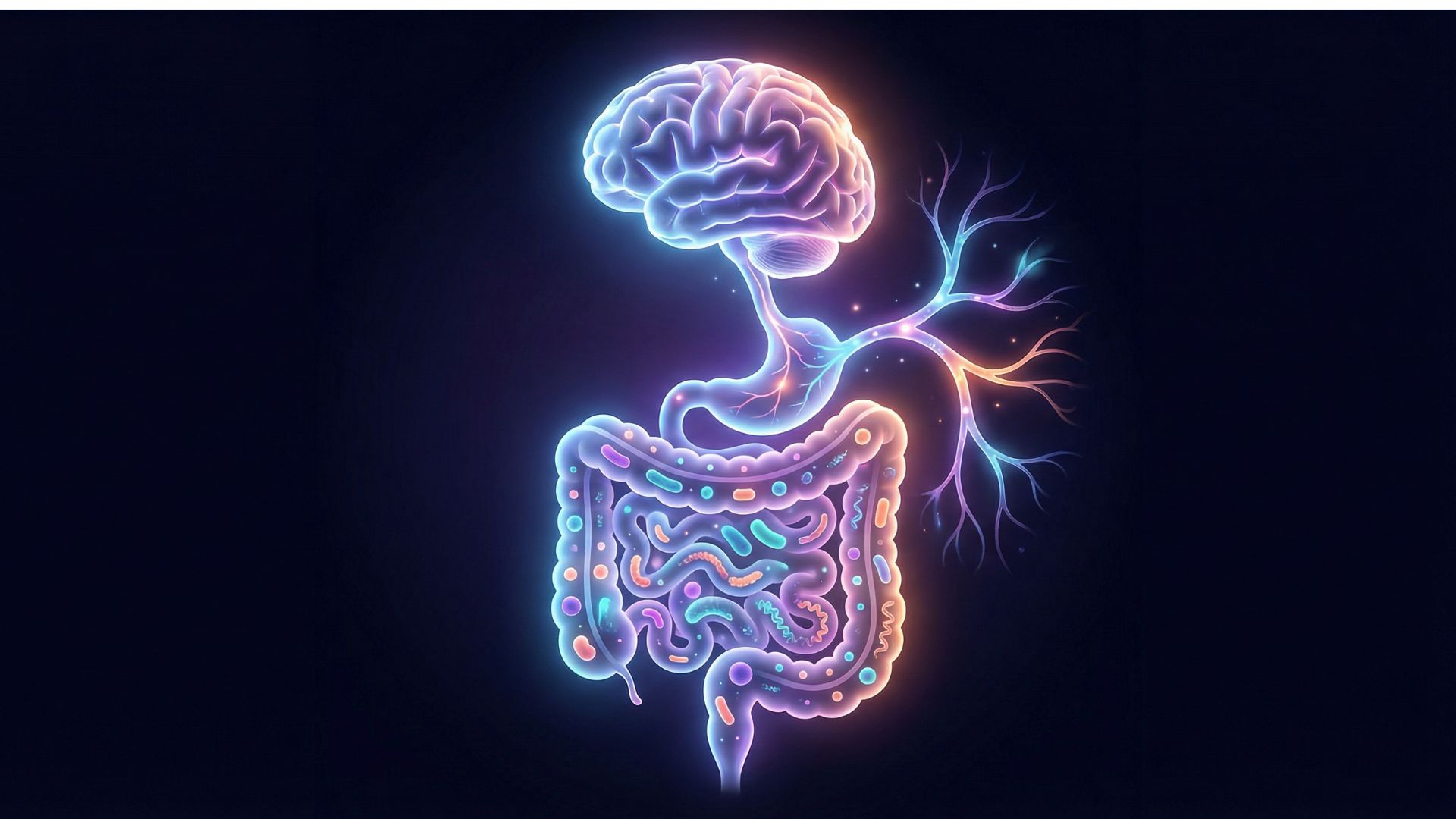
Chronic stress affects gut function through the vagus nerve connecting brain and digestive system. Stress signals travel this highway constantly, and your gut responds to psychological stress as readily as physical threats. People under chronic stress frequently develop gut issues that resist treatment until the stress itself gets addressed.
The cabbage juice remedy
Cabbage juice sounds unglamorous, but research supports its remarkable healing effects on the digestive tract. Studies from the 1950s demonstrated accelerated ulcer healing in patients drinking fresh cabbage juice. Modern research continues validating these findings.
Cabbage contains vitamin U, a substance that accelerates healing of the mucous membrane lining your entire digestive system. It protects against erosion and helps rebuild damaged tissue faster than it would recover naturally.
Sulforaphane in cabbage activates your body’s own antioxidant defenses through the Nrf2 pathway. Rather than simply providing external antioxidants, cabbage triggers internal production of protective compounds. This mechanism helps explain its broad benefits beyond just ulcer healing.
The vitamin C content in cabbage supports collagen production in the gut lining. Leaky gut essentially represents a subclinical form of scurvy affecting your intestines. Cabbage delivers vitamin C alongside other synergistic compounds that support tissue integrity.
L-glutamine naturally present in cabbage juice provides direct fuel for intestinal cells. These cells turn over rapidly and have high energy demands. Glutamine supplementation alone helps heal leaky gut, and cabbage juice delivers it in whole food form.
Start with one cup daily for minor gut issues. More significant inflammation warrants working up to a quart spread throughout the day. Fresh juice works best, made from raw organic green or red cabbage processed through a juicer. Drink it on an empty stomach when possible for maximum contact with the gut lining.
Supporting supplements for gut healing
Zinc L-carnosine deserves attention for anyone with digestive inflammation. Unlike regular zinc supplements, zinc L-carnosine adheres to damaged tissue in the stomach and intestinal lining, delivering zinc directly where healing needs to occur. Research demonstrates its effectiveness for gastritis, ulcers and general gut inflammation.
L-glutamine powder provides concentrated fuel for intestinal cell regeneration. Doses of 5 to 10 grams daily support healing. The powder dissolves easily in water and has minimal taste. Taking it on an empty stomach maximizes absorption by the cells that need it most.
Probiotics and fermented foods help rebuild healthy microbiome balance. Sauerkraut, kimchi, kefir and other traditionally fermented foods offer advantages that capsules cannot fully replicate. They provide both beneficial organisms and the compounds those organisms produce.
For complete protocols on healing gut inflammation including dietary approaches, supplement recommendations and guidance on identifying your specific triggers, our detailed guide to gut inflammation remedies provides comprehensive support.
Section 4: How insulin resistance triggers chronic inflammation
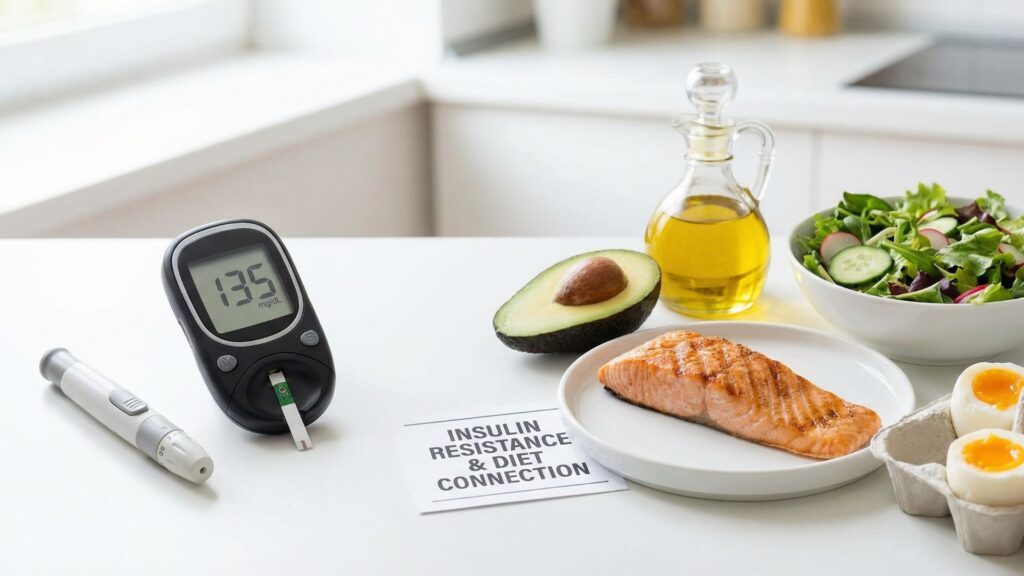
The relationship between blood sugar problems and chronic inflammation runs deeper than most people realize. High glucose circulating through your bloodstream damages the delicate lining of arteries, triggering inflammatory responses that compound over time. This connection explains why metabolic issues and inflammatory conditions so frequently appear together.
Insulin functions as the key that unlocks your cells to receive glucose from your bloodstream. Every time you eat, especially carbohydrates, blood sugar rises and your pancreas releases insulin to shuttle that glucose into cells for energy or storage. This system works elegantly when functioning properly.
Problems begin when cells stop responding to insulin’s signal. The locks become sticky, requiring more keys to open them. Your pancreas compensates by producing ever-increasing amounts of insulin to achieve the same glucose-lowering effect. Blood insulin levels climb while cells remain relatively starved for fuel despite abundant glucose floating through your system.
Most estimates suggest over 80 million Americans have insulin resistance without knowing it. Many more hover in pre-diabetic ranges where damage actively occurs despite numbers not yet reaching diagnostic thresholds. By the time diabetes shows up on lab work, significant inflammatory injury has already accumulated silently for years.
The bidirectional relationship
Insulin resistance and inflammation feed each other in a vicious cycle that can feel impossible to escape. Understanding this bidirectional relationship reveals why addressing one automatically improves the other and why ignoring either undermines efforts to reduce inflammation naturally.
High insulin levels directly promote inflammatory signaling. Insulin activates pathways that increase production of pro-inflammatory cytokines. These chemical messengers tell your immune system to ramp up inflammatory responses throughout your body. The more insulin circulating, the louder these inflammatory signals become.
Inflammation simultaneously worsens insulin resistance. Inflammatory cytokines interfere with insulin signaling at the cellular level. They essentially gum up the locks that insulin keys are supposed to open. This means inflammation from any source, whether gut issues, chronic infections or stress, can trigger or worsen insulin resistance.
Fat cells add another layer to this problem. Adipose tissue, especially the visceral fat surrounding your organs, actively produces inflammatory compounds. Excess body fat isn’t just stored energy waiting to be used. It functions as an endocrine organ pumping out cytokines that promote both inflammation and insulin resistance.
This creates a self-reinforcing loop. Insulin resistance promotes fat storage. More fat produces more inflammatory signals. Those signals worsen insulin resistance. Which promotes more fat storage. Round and round it goes, each factor amplifying the others until the cycle breaks.
How high glucose damages tissues
Beyond insulin’s direct inflammatory effects, elevated blood sugar itself causes tissue damage through several mechanisms that accumulate over time.
Glucose molecules stick to proteins throughout your body in a process called glycation. These sugar-coated proteins form compounds called advanced glycation end products, appropriately abbreviated AGEs. The name hints at their effect on aging and degeneration.
AGEs accumulate in tissues and trigger inflammatory responses wherever they lodge. They damage blood vessel walls, stiffen collagen in skin and joints, and impair organ function. Higher blood sugar means more glycation and more AGEs. These compounds take time to clear even after blood sugar normalizes.
High glucose also increases production of reactive oxygen species, creating more free radicals than your antioxidant systems can neutralize. This oxidative stress damages cell membranes, proteins and even DNA. The body recognizes this damage and responds with inflammation as part of attempted repair.
Blood vessel walls suffer particularly from glucose-induced oxidative stress. The endothelium, that single-cell-thick lining of your arteries, becomes dysfunctional when bombarded with free radicals. Injured endothelial cells trigger inflammatory cascades that eventually manifest as atherosclerosis.
Breaking the cycle with low-carb eating
Carbohydrate reduction represents the most direct intervention for insulin resistance and the inflammation it drives. Fewer carbs mean lower blood sugar spikes which mean less insulin required. This simple logic explains why low-carb diets produce such dramatic results for metabolic conditions.
When carbohydrate intake drops sufficiently, typically below 50 grams daily, your body shifts to burning fat for fuel. This metabolic state called ketosis provides steady energy without the glucose and insulin spikes that perpetuate resistance. Many people report mental clarity and stable energy they haven’t experienced in years.
The ketogenic diet takes low-carb eating to therapeutic levels. By restricting carbohydrates to roughly 20 to 30 grams daily while increasing healthy fat intake, you train your metabolism to prefer fat as its primary fuel source. Insulin levels fall dramatically, often within days of starting.
Focus meals around protein and healthy fats with non-starchy vegetables providing fiber and micronutrients. Quality protein sources include grass-fed beef, pasture-raised poultry, wild-caught fish and eggs from healthy chickens. Healthy fats from olive oil, avocados, coconut oil and butter satisfy hunger and provide sustained energy.
Eliminate sugar in all forms including obvious sources like desserts and hidden sources in sauces and dressings. Avoid refined grains including bread, pasta, cereal and baked goods. Even whole grains spike blood sugar substantially in people with existing insulin resistance.
For detailed information on recognizing insulin resistance symptoms, specific dietary protocols and the timeline for seeing inflammatory improvements, our comprehensive guide to insulin resistance and inflammation provides the complete picture.
Section 5: Omega-3 vs Omega-6: balancing fats for less inflammation
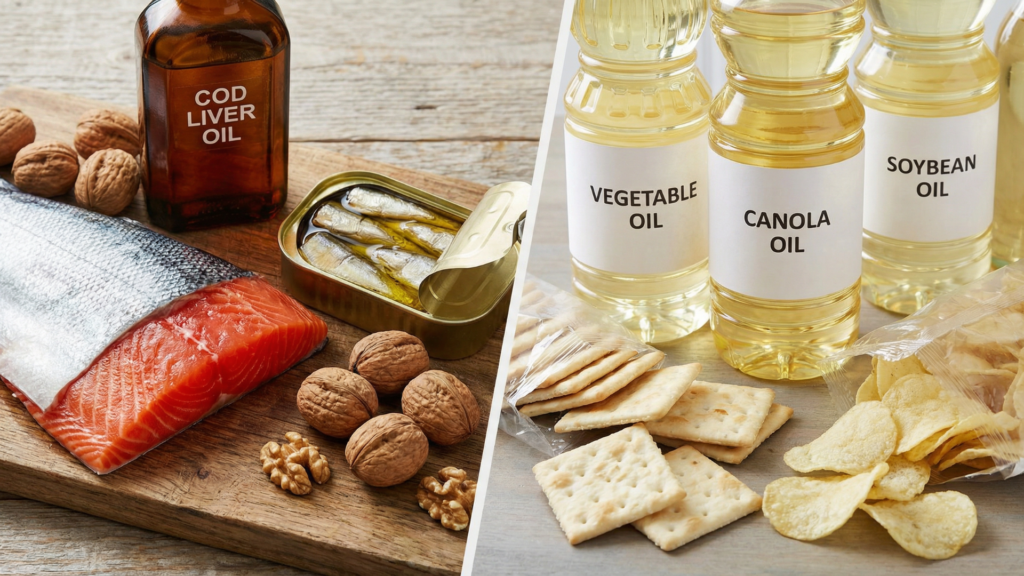
The fats you consume either calm inflammation or pour gasoline on the fire. This isn’t exaggeration but biochemical reality. Omega-3 and omega-6 fatty acids compete for the same enzymes, the same positions in cell membranes and the same roles in producing signaling molecules. Whichever type dominates your diet shapes your inflammatory status profoundly.
Your body cannot manufacture omega-3 or omega-6 fatty acids from scratch. They must come from food, which is why nutritionists call them essential fatty acids. Both play important roles in cellular function, but the ratio between them matters enormously for anyone trying to reduce inflammation naturally.
Throughout human evolution, our ancestors consumed roughly equal amounts of omega-3 and omega-6 fats. Wild game, fish, nuts and seeds provided these fats in natural proportions. Our biochemistry developed expecting this balance.
Modern diets have thrown this ratio wildly out of whack. The average American now consumes somewhere between 15 to 25 times more omega-6 than omega-3. Some estimates run even higher. This dramatic imbalance promotes chronic inflammation as a baseline state rather than an occasional response to injury or infection.
How omega-3s reduce inflammation
Omega-3 fatty acids work through multiple mechanisms to calm inflammatory processes. Understanding these pathways helps explain why fish oil and similar supplements produce such broad benefits across seemingly unrelated conditions.
Omega-3 and omega-6 fatty acids compete for the same enzymes that convert them into signaling molecules. When omega-6 wins this competition, the resulting compounds called eicosanoids promote inflammation. When omega-3 wins, the eicosanoids produced have anti-inflammatory effects.
Think of it like two teams competing for playing time. Whichever team has more players available gets more minutes on the court. Increasing omega-3 intake while decreasing omega-6 shifts the roster in favor of anti-inflammatory outcomes.
Your body also converts omega-3 fatty acids into specialized pro-resolving mediators called resolvins, protectins and maresins. These compounds actively shut down inflammatory processes once they’ve served their purpose. They clean up the aftermath of inflammation and restore tissues to their baseline state.
Without adequate omega-3 intake, your body cannot produce sufficient quantities of these resolution signals. Inflammation that should resolve naturally instead persists and becomes chronic. The fire keeps burning because you lack the materials to put it out.
Cell membrane composition also depends on your fatty acid intake. Every cell in your body is surrounded by a membrane made largely of fatty acids. Omega-3 fatty acids incorporated into membranes make cells more fluid and responsive to signaling. Cell membranes rich in omega-6 fatty acids become more rigid and prone to inflammatory signaling.
The problem with seed oils
Seed oils, often misleadingly labeled vegetable oils, include soybean, corn, canola, cottonseed, sunflower and safflower oils. These products dominate modern food production due to their low cost and long shelf life. Unfortunately, they come loaded with omega-6 fatty acids that promote inflammation.
The extraction process for seed oils involves high heat, chemical solvents and extensive processing. Seeds don’t release their oils easily like olives or coconuts do. Industrial methods force extraction through means that damage the delicate polyunsaturated fats.
By the time these oils reach your kitchen or the restaurant fryer, they’ve already undergone oxidation that creates harmful compounds. Heating them further accelerates this damage. The crispy fries and fried chicken that taste so good come coated in oxidized, inflammatory fats.
Reading ingredient labels reveals just how pervasive seed oils have become. Salad dressings, mayonnaise, crackers, cookies, bread, chips, frozen meals and virtually all packaged foods contain them. Restaurant meals swim in soybean and canola oil regardless of cuisine type. Even foods marketed as healthy often contain problematic oils.
Best sources of omega-3 fatty acids
Wild-caught salmon, sardines, mackerel, anchovies and herring deliver omega-3s in their most bioavailable forms: EPA and DHA. These long-chain fatty acids can be used immediately by your body without conversion. Eating fatty fish two to three times weekly provides substantial anti-inflammatory benefit.
Sardines deserve special attention. They cost less than salmon while providing comparable omega-3 content. Their small size means less mercury accumulation than larger fish. A single can provides protein, calcium from the soft bones and a hefty dose of inflammation-fighting fats.
Cod liver oil packs omega-3 fatty acids alongside vitamins A and D. A tablespoon daily provides meaningful amounts of all three nutrients. The combination proves particularly valuable since vitamin D independently reduces inflammation through mechanisms that complement omega-3 effects.
Fish oil supplements provide concentrated EPA and DHA in convenient form. Quality varies significantly between products. Look for brands that test for purity, freshness and potency. Triglyceride form fish oil absorbs better than cheaper ethyl ester versions.
Therapeutic doses for inflammation typically range from 2 to 4 grams of combined EPA and DHA daily. Standard fish oil capsules contain 300 to 500 mg of omega-3s, requiring multiple pills to reach therapeutic levels. Concentrated formulas reduce pill burden.
Plant sources like flaxseeds, chia seeds and walnuts contain alpha-linolenic acid, a short-chain omega-3. Your body must convert ALA to the longer EPA and DHA forms. This conversion happens inefficiently, typically below 10%. Plant omega-3 sources provide some benefit but cannot replace marine sources for reducing inflammation.
Practical steps for rebalancing
Switch cooking fats from seed oils to stable alternatives. Butter, ghee, tallow, lard and coconut oil work well for high-heat cooking. Extra virgin olive oil suits lower temperature cooking and dressings. These traditional fats provided nourishment for generations without causing inflammatory epidemics.
Check ingredient lists on everything you buy. Seed oils appear where you least expect them. Finding clean alternatives takes effort initially but becomes automatic once you identify trustworthy brands and products.
Store-bought salad dressings almost universally contain soybean or canola oil. Making your own from olive oil, vinegar and seasonings takes minutes and eliminates a major omega-6 source. Similarly, homemade mayonnaise using avocado or olive oil replaces a common inflammatory condiment.
Avoid restaurant food when possible or choose preparations less likely to involve heavy oil use. When restaurant meals are unavoidable, grilled meats, steamed vegetables and simple preparations minimize exposure.
For complete guidance on optimizing your omega-3 to omega-6 ratio including specific product recommendations and dosing strategies, our detailed guide to omega-3 fatty acids for fighting inflammation covers everything you need to know.
Section 6: Intermittent fasting to reduce inflammation

Every time you eat, insulin rises. Every eating occasion triggers metabolic processes that can promote inflammation if repeated too frequently. Modern eating patterns keep people in a constantly fed state from morning until bedtime, never allowing the body to access the repair and renewal mechanisms that activate only during fasting.
Our ancestors didn’t have refrigerators, drive-throughs or vending machines. They ate when food was available and went without when it wasn’t. Their bodies developed sophisticated mechanisms to thrive during both feeding and fasting states. We retain those mechanisms but rarely activate them.
Intermittent fasting flips the script by extending the gaps between meals. During these fasting windows, your body shifts from growth and storage mode into repair and maintenance mode. Inflammation naturally decreases as resources redirect toward healing rather than processing incoming food.
The approach works regardless of what you eat during feeding windows, though combining fasting with anti-inflammatory food choices multiplies benefits. Even people eating less-than-perfect diets see inflammatory improvements from fasting alone. Adding dietary quality to fasting timing produces the best results for reducing inflammation naturally.
What happens when you stop eating
Fascinating changes occur when you extend the gap between meals. These adaptations explain why fasting reduces inflammation so effectively and why this practice has been used therapeutically across cultures for thousands of years.
Within hours of your last meal, insulin levels fall substantially. This decline reverses the inflammatory signaling that elevated insulin promotes. Cells throughout your body receive permission to shift from storage mode to repair mode. Low insulin also allows stored fat to release into circulation for use as fuel.
Autophagy activates as fasting extends. This process, which literally means self-eating, describes how cells clean up damaged components and recycle them into raw materials. Damaged cellular components contribute significantly to inflammation. Misfolded proteins trigger immune responses. Dysfunctional mitochondria leak reactive oxygen species. Autophagy clears this debris before it causes trouble.
Autophagy ramps up substantially after 16 to 24 hours without food. Shorter fasts initiate the process while longer fasts allow more thorough cleaning. This mechanism explains why periodic extended fasts provide benefits beyond daily time-restricted eating.
Your body produces its own antioxidant compounds that far exceed what any supplement provides. These endogenous antioxidants include glutathione, superoxide dismutase and catalase. Fasting triggers increased production of these internal antioxidants. The mild stress of going without food activates protective pathways that strengthen your defenses.
Frequent eating suppresses endogenous antioxidant production. When food constantly arrives, your body sees no need to ramp up protective systems. The very act of eating so regularly prevents your internal defenses from reaching their potential.
Your digestive tract finally gets a break during fasting. The constant work of processing food pauses, allowing repair processes to catch up. The gut lining regenerates faster when not simultaneously handling digestion.
The migrating motor complex, a sweeping wave of muscular contractions that cleans out your intestines, only activates during fasting. This housekeeping function pushes debris and bacteria toward the exit, preventing the overgrowth and misplacement that contribute to gut inflammation. Constant eating prevents these cleaning waves from ever occurring.
Different fasting approaches
Time-restricted eating compresses all daily eating into a defined window while fasting the remaining hours. The 16:8 protocol, eating within 8 hours and fasting for 16, provides an accessible starting point. Many people naturally skip breakfast and eat between noon and 8 PM.
More aggressive windows like 18:6 or 20:4 extend fasting benefits. Some people eventually progress to one meal a day, eating within a single hour and fasting 23 hours. Greater restriction produces more pronounced effects but requires adaptation.
Alternate day fasting alternates between regular eating days and fasting days. Some versions allow limited calories on fasting days while others involve complete abstinence from food. This approach produces more dramatic autophagy activation than daily time restriction.
Periodic extended fasts lasting 24 to 72 hours or longer provide the most profound metabolic effects. Autophagy peaks around day two or three of water-only fasting. Stem cell regeneration appears to activate during extended fasts, potentially explaining some of the deeper healing reported.
Most people benefit from combining approaches. Daily time-restricted eating provides ongoing baseline benefits. Occasional longer fasts of 24 to 48 hours periodically produce deeper cleaning and renewal. This combination addresses both maintenance and periodic intensive repair.
Getting started safely
Jumping straight into extended fasting rarely works well. Your metabolism needs time to adapt to accessing stored fuel. Starting gradually prevents the miserable symptoms that cause many people to quit before experiencing benefits.
Begin by simply delaying breakfast. If you normally eat at 7 AM, try waiting until 9 AM for a few days. Then push to 10 AM, then 11 AM. This gradual approach lets your body adjust without dramatic hunger or energy crashes.
Most hunger comes from habit rather than genuine need. Your body expects food at accustomed times and generates hunger signals accordingly. After a week or two of shifted meal timing, hunger patterns reset to match your new schedule.
Once comfortable eating later, establish a consistent eating window. Stay with that window rather than changing it daily. Consistency helps your body anticipate when food is coming and reduces hunger during fasting periods.
Water should flow freely throughout fasting periods. Adequate hydration supports detoxification and helps manage hunger. Adding a pinch of sea salt provides electrolytes without breaking your fast. Black coffee and plain tea are generally considered acceptable during fasting and may even enhance some benefits.
For complete protocols on implementing various fasting approaches, managing common challenges and maximizing anti-inflammatory benefits, our comprehensive guide to intermittent fasting for inflammation relief provides detailed guidance.
Section 7: Cortisol, stress and chronic inflammation

Stress does more than make you feel frazzled. Chronic stress creates biological changes that promote inflammation through mechanisms entirely separate from diet or other lifestyle factors. Understanding this connection proves essential for anyone whose inflammatory symptoms resist improvement despite doing everything else right.
Cortisol gets a bad reputation as the stress hormone, but it serves crucial protective functions. This steroid hormone produced by your adrenal glands acts as your body’s most powerful endogenous anti-inflammatory compound. Without cortisol, minor infections would spiral out of control and small injuries would trigger massive inflammatory responses.
When functioning properly, cortisol keeps your immune system in check. It prevents overreaction to minor threats while allowing appropriate responses to genuine dangers. Think of cortisol as the supervisor who tells overeager immune cells to calm down and return to baseline after handling a problem.
Physicians prescribe synthetic cortisol, known as prednisone or hydrocortisone, precisely because of these anti-inflammatory effects. These medications powerfully suppress inflammation in conditions from asthma to rheumatoid arthritis. They work by mimicking what your own cortisol should be doing naturally.
The trouble begins when cortisol stays elevated chronically rather than spiking briefly in response to acute stressors. Your body evolved for short-term stress followed by recovery. The lion chases you, cortisol surges, you escape, and the stress ends quickly. Modern chronic stressors never end, and that creates problems your biology wasn’t designed to handle.
How chronic stress leads to cortisol resistance
Persistently elevated cortisol eventually causes your cells to downregulate their cortisol receptors. This protective mechanism prevents the damage that would occur from constant high-level cortisol signaling. Unfortunately, it also eliminates cortisol’s beneficial anti-inflammatory effects.
The phenomenon mirrors insulin resistance. Cells exposed to chronically high insulin reduce their sensitivity to protect themselves. With cortisol resistance, high circulating cortisol no longer suppresses inflammation effectively.
You end up in a paradoxical situation. Blood tests might show elevated cortisol, yet your body behaves as if cortisol is deficient. The hormone flows through your bloodstream but can’t do its job because receptors have stopped listening. Inflammation that cortisol should be controlling instead runs rampant.
This explains why chronically stressed people often develop inflammatory conditions. Their bodies lose the natural brake on inflammation precisely when stress-induced damage needs controlling. The conditions worsen, creating more stress, further impairing cortisol function in a vicious downward spiral.
The stress-inflammation feedback loop
Stress and inflammation amplify each other in ways that can feel impossible to escape. Beyond cortisol resistance, stress activates inflammatory pathways directly through the sympathetic nervous system. The fight-or-flight response releases catecholamines that signal immune cells to increase inflammatory activity.
This made evolutionary sense. Acute stress often accompanied physical danger where infection risk increased. Ramping up immune readiness prepared your body to fight off pathogens entering through wounds. The problem is that modern psychological stress triggers identical responses without any actual infection risk.
Your body cannot distinguish between running from a predator and dreading tomorrow’s presentation. Both produce the same stress hormones and inflammatory activation. But the presentation doesn’t end in ten minutes. The stress persists for days, and so does the inflammatory response.
Inflammation also creates more stress through direct brain effects. Inflammatory cytokines produce symptoms that feel like stress: fatigue, irritability, difficulty concentrating and low mood. This sickness behavior evolved to make you rest while fighting infection. When inflammation becomes chronic, these signals persist indefinitely.
Stressors people underestimate
Obvious major stressors like divorce, job loss or serious illness clearly affect health. But cumulative smaller stressors often cause more total damage because they persist indefinitely without resolution.
Financial pressure creates constant low-grade stress for millions of people. The anxiety of making rent, paying off debt or funding retirement activates stress responses daily. Unlike acute stressors that resolve, financial pressure often continues for years or decades without the body ever getting recovery time.
Relationship conflict generates daily stress that accumulates over time. Every tense interaction, every argument avoided, every resentment harbored triggers stress hormones. Research shows that hostile marriages produce measurably higher inflammatory markers than supportive ones.
Overwork and lack of rest keeps many people in perpetual overdrive. Working long hours, skipping vacations and never truly resting produces chronic stress that eventually manifests as inflammation and disease. Rest isn’t laziness. Recovery time allows cortisol to normalize and repair processes to complete.
Information overload from constant news consumption and social media creates stress our ancestors never faced. The brain interprets threatening information the same whether the threat is in your living room or on a screen showing events thousands of miles away. Each alarming headline triggers cortisol release.
Sleep deprivation acts as both a stressor itself and an amplifier of other stressors. Sleep-deprived people show elevated cortisol, increased inflammatory markers and reduced stress resilience. Events that would roll off you after good sleep feel overwhelming when exhausted.
Natural approaches to normalize cortisol
Breaking the stress-inflammation cycle requires addressing both the stress itself and the biological patterns it created. Multiple strategies work together better than any single approach to reduce inflammation naturally when stress plays a significant role.
Slow, deep breathing directly activates the parasympathetic nervous system that counters stress responses. Just a few minutes of intentional breathing can measurably reduce cortisol and inflammatory markers. Box breathing provides an easy structure: inhale for four counts, hold for four, exhale for four, hold empty for four. Repeat for several minutes.
Brief cold exposure triggers hormetic stress responses that strengthen resilience over time. Cold showers, cold plunges or even just cold water on the face activate pathways that improve cortisol regulation. Start gently with 30 seconds of cold water at the end of a regular shower.
Physical activity helps normalize cortisol patterns when done appropriately. Moderate exercise reduces stress hormones and inflammatory markers. Walking, swimming, yoga and similar activities provide benefits without additional stress. Save intense training for periods when overall life stress is lower.
Sleep optimization allows cortisol to reset and stress systems to recover. Seven to nine hours in a dark, cool, quiet environment supports healthy cortisol rhythms. Consistent sleep timing matters as much as duration.
Adaptogenic herbs help normalize stress responses. Ashwagandha, rhodiola, holy basil and ginseng have traditional use for stress resilience backed by modern research. These adaptogens help the body respond appropriately to varying stress levels rather than simply sedating.
For comprehensive guidance on breaking the stress-inflammation cycle including detailed protocols for each intervention, our complete guide to how stress causes inflammation provides everything you need.
Section 8: Bile duct sludge: a hidden cause of inflammation
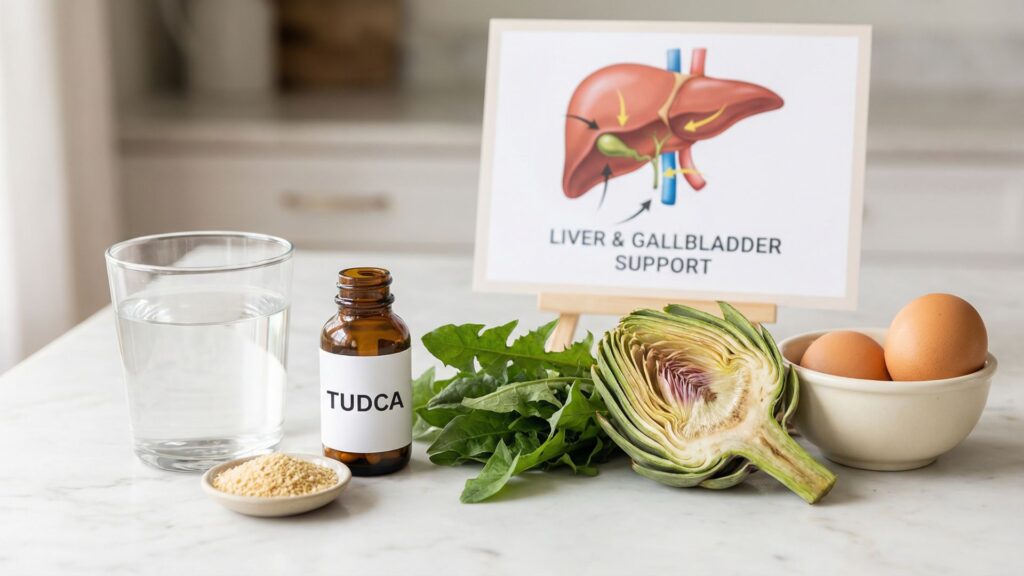
Some people do everything right with diet, stress management and supplementation yet still struggle with persistent inflammation. When conventional approaches fail to produce expected results, a hidden cause often lurks in the biliary system. Thickened bile backing up through the ducts connecting liver and gallbladder creates inflammation that refers pain to seemingly unrelated areas and affects whole-body health.
Your liver produces bile continuously, roughly one to two quarts daily. This greenish-yellow fluid contains bile salts, cholesterol, bilirubin and other compounds essential for digesting fats and eliminating waste products. Without adequate bile flow, fat digestion suffers and toxins accumulate.
Bile travels from the liver through a network of small ducts that merge into larger channels. These eventually connect to the gallbladder, which stores and concentrates bile between meals. When you eat fat, the gallbladder contracts and releases concentrated bile into the small intestine to emulsify dietary fats for absorption.
The system works elegantly when bile flows freely. Problems arise when bile becomes too thick and sluggish to move through the narrow duct system properly. This thickened bile, often called sludge, creates backups that affect everything upstream and generate inflammation that can manifest throughout the body.
How bile sludge develops
Several factors contribute to bile becoming too concentrated and thick to flow properly. Understanding these causes helps address the root problem rather than just managing symptoms.
Bile salts keep cholesterol and other components dissolved in solution. When bile salt concentration drops too low, cholesterol begins precipitating out like sugar crystallizing from oversaturated syrup. These cholesterol crystals form the foundation of sludge and eventually gallstones.
Low-fat diets paradoxically contribute to this problem. Your gallbladder requires dietary fat to trigger contraction and release. Without regular fat intake, bile sits stagnant in the gallbladder, becoming progressively more concentrated. The very dietary approach many people adopt for health actually promotes bile sludge formation.
Chronic dehydration concentrates all bile components, increasing sludge risk. Many people walk around mildly dehydrated without realizing it, especially those relying on coffee and other diuretics for fluid intake. Adequate water consumption makes a genuine difference for bile consistency.
Estrogen increases cholesterol secretion into bile while reducing gallbladder motility. This combination explains why women develop gallbladder problems at higher rates than men. Pregnancy, birth control pills and hormone replacement therapy all increase risk.
Rapid weight loss also disrupts bile composition. When you lose weight quickly, the liver dumps extra cholesterol into bile as fat stores mobilize. This cholesterol surge can overwhelm bile salts’ ability to keep everything in solution.
Symptoms that point to biliary congestion
The symptoms of biliary congestion often get attributed to other causes, leading people to chase wrong diagnoses for years. Recognizing the pattern helps identify whether bile flow issues might underlie your inflammatory problems.
Bile duct inflammation creates pain that refers to distant locations through shared nerve pathways. The most common pattern involves the right shoulder, particularly the top and back of the shoulder. This pain can be constant or intermittent, often worsening after fatty meals.
Pain between the shoulder blades, especially on the right side, also suggests biliary involvement. The rhomboid area becomes tender and tight. Massage and stretching provide temporary relief but symptoms return because the source lies elsewhere.
Right-sided neck pain and headaches sometimes trace to bile duct congestion. The nerve connections between the biliary system and cervical spine create these seemingly unrelated symptoms. People get neck adjustments and take pain medications while the actual problem persists.
Bloating after meals, particularly fatty ones, indicates inadequate bile for fat digestion. Undigested fats ferment in the intestine, producing gas and discomfort. Nausea, especially in the morning or after rich meals, commonly accompanies bile flow problems.
Light-colored or floating stools suggest poor fat absorption from insufficient bile. Properly digested stools sink and have medium brown color. Pale, greasy or floating stools indicate fats passing through undigested.
Fatigue frequently accompanies biliary congestion because the liver’s detoxification burden increases when bile flow is impaired. Toxins that should exit through bile instead accumulate, creating systemic sluggishness that affects energy and mental clarity.
Natural remedies that restore bile flow
The good news is that bile sludge responds remarkably well to targeted natural interventions. These approaches help thin the bile, improve flow and resolve symptoms that congested bile creates.
TUDCA, which stands for tauroursodeoxycholic acid, represents the most effective supplement for bile flow issues. This naturally occurring bile acid thins sludge and protects liver cells. It works by improving bile composition and protecting the cells lining bile ducts from damage. Many people experience significant relief within days to weeks of starting TUDCA at doses of 500 to 1500 mg daily.
Ox bile supplements provide the bile salts that many people lack. These supplements directly replace what the body isn’t producing adequately. Taking bile salts with fatty meals improves fat digestion immediately while also helping thin bile over time.
Bitter compounds stimulate bile production and release. Dandelion root, artichoke leaf, gentian and milk thistle all promote healthy bile flow. Eating bitter greens like arugula, radicchio and endive provides gentle daily bile stimulation.
Choline is essential for bile production and proper composition. Egg yolks provide the best food source. Two to three whole eggs daily supplies meaningful amounts. Supplemental phosphatidylcholine provides concentrated support at doses of 1 to 3 grams daily.
Apple cider vinegar stimulates digestive secretions including bile. Taking a tablespoon diluted in water before meals prepares the digestive system for incoming food. Many people notice reduced bloating with this simple practice.
For complete protocols on addressing biliary congestion including dietary modifications and detailed supplement guidance, our comprehensive guide to bile sludge and gallbladder inflammation covers everything you need to identify and resolve this hidden cause of inflammation.
Section 9: Gluten, food allergies and inflammatory response

The foods many people consume daily may be quietly fueling chronic inflammation without their awareness. Gluten, dairy, eggs and other common foods trigger immune reactions in susceptible individuals that extend far beyond digestive discomfort. These hidden food sensitivities often underlie inflammatory conditions that resist other interventions, making identification and elimination essential for anyone serious about reducing inflammation naturally.
Gluten is a protein found in wheat, barley, rye and their derivatives. It gives bread its chewy texture and helps baked goods hold their shape. When you eat gluten, your digestive system breaks it down into smaller peptide chains. In most people, these peptides get fully digested without incident. But in susceptible individuals, certain gluten peptides trigger a cascade of problems extending far beyond the gut.
Gluten stimulates the release of zonulin, a protein that regulates the tight junctions between intestinal cells. These tight junctions normally keep the gut barrier sealed, allowing nutrients through while blocking larger particles. Zonulin loosens these junctions, increasing intestinal permeability.
Some zonulin release is normal. The problem occurs when gluten consumption triggers excessive zonulin, loosening tight junctions beyond what’s healthy. The gut barrier becomes compromised, allowing substances through that should stay contained within the intestine.
This leaky gut phenomenon sets the stage for systemic inflammation. Partially digested food particles, bacteria and toxins that should remain in the gut instead enter circulation. Your immune system recognizes these substances as foreign invaders and mounts inflammatory responses against them throughout the body.
The spectrum of gluten reactions
People respond to gluten along a spectrum from complete tolerance to severe autoimmune disease. Understanding where you fall helps determine whether gluten elimination might resolve your inflammatory symptoms.
At the most severe end, celiac disease involves a full autoimmune reaction to gluten. The immune system attacks not just the gluten but also the intestinal lining itself. Villi, the finger-like projections that absorb nutrients, become flattened and damaged. Malabsorption and severe inflammation result. Celiac affects roughly 1% of the population, though many cases remain undiagnosed.
A larger group experiences non-celiac gluten sensitivity. These individuals test negative for celiac antibodies and don’t show characteristic intestinal damage on biopsy. Yet they clearly feel worse when consuming gluten and better when avoiding it. Non-celiac gluten sensitivity may affect 6% or more of the population.
Even without obvious symptoms, gluten may cause low-grade inflammation in many people. The zonulin release and increased intestinal permeability occur to some degree in everyone who consumes gluten. Whether this causes problems depends on individual susceptibility and overall inflammatory load.
Here’s something that surprises many people: gluten breaks down into compounds called gluteomorphins that bind to opioid receptors in your brain. These morphine-like peptides create mild euphoria and pain reduction that can mask the very damage gluten causes. You might feel fine eating gluten while your gut suffers invisible injury.
Beyond gluten: other common triggers
Gluten gets the most attention, but other foods commonly trigger inflammatory reactions. Identifying your personal triggers requires attention to how different foods affect you.
Casein and whey, the proteins in milk, cause problems for many people. Casein in particular has a molecular structure that can trigger immune reactions in susceptible individuals. Symptoms of dairy sensitivity range from digestive upset to skin problems to joint pain. Some people tolerate aged cheeses and fermented dairy better than fresh milk.
Eggs rank among the top allergenic foods, particularly the whites. Both immediate allergic reactions and delayed sensitivity responses occur. The proteins in egg whites trigger most reactions. Some egg-sensitive people tolerate yolks while reacting to whites.
Nightshades including tomatoes, peppers, potatoes and eggplant contain alkaloids that cause problems for some people. These compounds can increase intestinal permeability and trigger inflammation in susceptible individuals. Joint pain and stiffness commonly accompany nightshade sensitivity.
Nuts and seeds cause classic allergic reactions in some people and delayed inflammatory responses in others. The omega-6 fatty acids and phytic acid in these foods contribute to inflammation in sensitive individuals.
How food sensitivities develop
Most food sensitivities trace back to compromised intestinal permeability. When the gut barrier fails, large food particles enter circulation before being fully digested. Your immune system encounters these particles and may develop antibodies against them.
Once antibodies form, every subsequent exposure to that food triggers an immune response. This explains why people often become sensitive to foods they eat frequently. Regular exposure while the gut is leaky provides repeated opportunities for sensitization.
Healing the gut barrier often allows food tolerances to recover. Foods that previously caused reactions may become tolerable again once intestinal permeability normalizes. This doesn’t happen immediately and requires dedicated gut healing alongside food elimination.
Identifying your personal triggers
Figuring out which foods trigger your inflammation requires systematic testing. The gold standard involves eliminating suspected foods completely for a defined period, then reintroducing them one at a time while monitoring for reactions.
Start by removing the most common triggers: gluten, dairy, eggs, corn, soy, nuts and nightshades. Maintain strict elimination for at least three weeks. This allows time for existing inflammation to calm and antibodies to clear. Some people need four to six weeks for complete settling.
During elimination, eat simply from foods you’re confident don’t cause problems. Quality meats, fish, most vegetables, fruits and healthy fats provide adequate nutrition while testing.
After the elimination period, reintroduce foods one at a time with three days between each new food. Eat a meaningful amount of the test food, not just a tiny taste. Monitor for 72 hours since reactions can be delayed. Note any symptoms including digestive changes, energy shifts, skin changes, joint pain, headaches or mood effects.
Clear reactions make decisions easy. Subtle reactions require more attention. Repeat the test to confirm before deciding. True sensitivities reproduce consistently.
For complete elimination diet protocols, guidance on interpreting reactions and strategies for living with food sensitivities long-term, our detailed guide to gluten and food allergies triggering inflammation provides comprehensive support.
Section 10: Natural supplements for inflammation relief

Strategic supplementation provides advantages that diet alone cannot always deliver when working to reduce inflammation naturally. Certain natural compounds demonstrate impressive anti-inflammatory effects backed by decades of research. These supplements work best as part of a comprehensive approach rather than isolated quick fixes, but they can meaningfully accelerate healing and address deficiencies that perpetuate inflammatory conditions.
Modern food supply issues mean that even excellent diets may leave nutritional gaps. Depleted soils produce less nutrient-dense crops than previous generations enjoyed. Food transportation and storage further reduces vitamin and mineral content. Supplementation helps bridge these gaps.
Therapeutic doses of certain compounds also exceed what food realistically provides. Getting enough omega-3 fatty acids from fish alone would require eating salmon daily. Achieving anti-inflammatory levels of curcumin from turmeric root would mean consuming tablespoons of the spice. Supplements concentrate beneficial compounds for meaningful impact.
Existing inflammation often creates increased nutrient demands as well. Your body burns through antioxidants faster when fighting inflammatory fires. Replenishing these reserves through supplementation supports the healing process. Once inflammation resolves, maintenance doses typically drop.
Foundational supplements for everyone
Vitamin D deserves first mention because deficiency is so widespread and consequences so significant. This hormone-like nutrient regulates immune function and inflammatory responses throughout your body. Most people need 5,000 to 10,000 IU daily to reach optimal blood levels in the 50 to 70 ng/mL range. Always pair vitamin D with vitamin K2 at 100 to 200 mcg to ensure proper calcium metabolism.
Omega-3 fatty acids from fish oil provide EPA and DHA that directly compete with pro-inflammatory omega-6 fatty acids. Therapeutic doses for inflammation typically range from 2 to 4 grams of combined EPA and DHA daily. Look for triglyceride form fish oil from brands that test for purity and freshness.
Magnesium deficiency affects a large percentage of the population and contributes to inflammation through multiple pathways. This essential mineral participates in over 300 enzymatic reactions including those governing inflammatory responses. Doses of 200 to 400 mg of elemental magnesium daily suit most people. Magnesium glycinate absorbs well and promotes relaxation without digestive upset.
These three supplements address the most common deficiencies and provide broad anti-inflammatory support. Most people benefit from them regardless of their specific inflammatory condition. Get these foundations in place before adding more specialized supplements.
Turmeric and curcumin
Turmeric root has been used medicinally for thousands of years in Ayurvedic and traditional Chinese medicine. Modern research confirms what traditional practitioners observed: this golden spice powerfully reduces inflammation through multiple mechanisms.
Curcumin, the primary active compound in turmeric, modulates inflammatory pathways at the molecular level. It inhibits NF-kB, a master switch that activates inflammatory genes. It reduces production of pro-inflammatory cytokines. It scavenges free radicals that drive oxidative damage.
The challenge with curcumin lies in absorption. Plain turmeric or basic curcumin supplements absorb poorly. Most of what you swallow passes through without entering circulation. Enhanced formulations dramatically improve bioavailability.
Piperine, the active compound in black pepper, increases curcumin absorption by roughly 2000%. Many supplements combine curcumin with piperine for this reason. Other approaches include liposomal delivery and phospholipid complexes.
Effective doses typically range from 500 to 2000 mg of enhanced curcumin daily. Split dosing morning and evening maintains more consistent blood levels. Fresh turmeric root provides benefits beyond isolated curcumin, containing additional compounds that work synergistically.
Tocotrienols for cardiovascular inflammation
Most vitamin E supplements contain tocopherols, but research increasingly favors tocotrienols for inflammation and cardiovascular protection. These vitamin E variants provide antioxidant and anti-inflammatory effects that tocopherols don’t match.
Tocotrienols inhibit inflammatory signaling pathways and reduce oxidative stress more potently than tocopherols. They protect blood vessel linings from damage and support healthy cholesterol metabolism. For inflammation purposes, delta and gamma tocotrienols show the most promise.
Typical doses range from 100 to 300 mg daily of mixed tocotrienols. Taking them with a fat-containing meal improves absorption. Cardiovascular inflammation particularly benefits from tocotrienol supplementation.
Targeted supplements for specific issues
Zinc L-carnosine deserves attention for anyone with digestive inflammation. Unlike regular zinc supplements, this compound adheres to damaged tissue in the stomach and intestinal lining. Research demonstrates effectiveness for gastritis, ulcers and general gut inflammation at doses of 75 to 150 mg daily.
Quercetin acts as both antioxidant and anti-inflammatory agent. This flavonoid stabilizes mast cells that release histamine and inflammatory compounds. People with allergies and histamine-related inflammation often find it helpful at doses of 500 to 1000 mg daily.
Boswellia, also called Indian frankincense, has traditional use validated by modern research. The active boswellic acids inhibit 5-lipoxygenase, an enzyme producing inflammatory leukotrienes. Joint inflammation and inflammatory bowel conditions respond particularly well. Look for extracts standardized to AKBA content at doses of 300 to 500 mg two to three times daily.
Resveratrol activates sirtuins, proteins involved in cellular repair and longevity. Its anti-inflammatory effects occur partly through these pathways and partly through direct antioxidant activity. Doses typically range from 150 to 500 mg daily of trans-resveratrol.
Ginger contains gingerols and shogaols that provide anti-inflammatory and antioxidant effects overlapping with but distinct from curcumin. Using both provides complementary coverage. Doses of 1 to 2 grams daily of dried ginger or equivalent extract are commonly used.
Building your supplement protocol
Not everyone needs every supplement mentioned. A targeted approach based on your specific situation produces better results than randomly taking everything.
Start with the foundations: vitamin D, omega-3s and magnesium. After establishing these, add targeted support for your specific issues. Gut inflammation warrants zinc L-carnosine. Joint problems respond well to boswellia and curcumin. Allergic inflammation benefits from quercetin. Cardiovascular concerns point toward tocotrienols.
Focus on two or three targeted supplements rather than trying everything at once. This approach allows you to assess what actually helps. Adding multiple new supplements simultaneously makes it impossible to know which ones matter for you.
Quality matters enormously with supplements. Cheap products often contain subtherapeutic doses, poorly absorbed forms or inadequate ingredient verification. Professional-grade supplements cost more but deliver what they promise. The investment pays off through actual results.
Timing and combinations affect outcomes. Fat-soluble nutrients like vitamin D, omega-3s and tocotrienols need dietary fat for absorption. Curcumin benefits from piperine or fat. Spreading supplements throughout the day maintains more consistent blood levels than taking everything at once.
For comprehensive guidance on specific products, detailed dosing protocols and information on interactions to consider, our complete guide to natural anti-inflammatory supplements covers everything you need to build an effective supplement regimen.
Taking control of your inflammatory health

Chronic inflammation doesn’t develop overnight and it won’t resolve overnight either. The journey from inflamed to healthy requires patience, consistency and willingness to address multiple factors simultaneously. But the destination makes every step worthwhile. People who successfully reduce inflammation naturally report not just symptom relief but fundamental improvements in energy, mental clarity, mood and overall quality of life.
The causes of chronic inflammation interconnect in ways that both complicate and simplify the healing process. They complicate it because addressing only one factor while ignoring others often produces disappointing results. Someone optimizing their diet while living under chronic stress may see limited improvement. A person taking all the right supplements while eating inflammatory foods wastes money on interventions undermined by daily dietary choices.
Yet this interconnection also simplifies healing because improvements in one area often cascade into others. Cleaning up your diet reduces gut inflammation, which improves nutrient absorption, which supports stress resilience, which normalizes cortisol, which further reduces inflammation. Breaking into the cycle at any point creates momentum that builds over time.
Start where you’ll see the quickest wins for your specific situation. If your diet currently includes processed foods, seed oils and sugar, dietary changes will likely produce the most dramatic initial improvements. If you already eat well but live under constant stress, stress management interventions deserve priority. If digestive symptoms dominate your picture, gut healing should come first.
The foundations apply to nearly everyone regardless of specific inflammatory patterns. Removing inflammatory foods while adding anti-inflammatory ones. Optimizing vitamin D status. Balancing omega-3 and omega-6 fatty acids. Getting adequate sleep. Managing stress. These fundamentals support every other intervention and should remain consistent throughout your healing journey.
Testing provides valuable guidance when available. Vitamin D blood levels reveal whether your dosing achieves target ranges. Inflammatory markers like C-reactive protein offer objective feedback on progress. Food sensitivity testing, while imperfect, can help identify triggers. Comprehensive metabolic panels reveal insulin resistance and other metabolic factors. Data helps you adjust approaches based on your individual response rather than generic recommendations.
Working with knowledgeable practitioners accelerates progress for complex cases. Functional medicine doctors, naturopathic physicians and integrative practitioners often understand inflammation’s root causes better than conventional specialists focused on symptom management. They can recommend testing, interpret results and suggest targeted interventions based on your specific situation.
Patience serves you throughout this process. Expecting overnight transformation sets you up for disappointment and premature abandonment of approaches that need more time. Gut healing takes months. Nutrient repletion requires consistent supplementation over weeks. Stress patterns developed over years don’t reverse in days. Trust the process while tracking progress to ensure you’re moving in the right direction.
Setbacks happen and don’t indicate failure. Stress spikes, dietary slip-ups, illness and life circumstances all can temporarily increase inflammation despite your best efforts. These episodes provide information about your triggers and resilience. Learn from them rather than using them as excuses to abandon your overall approach.
The goal isn’t perfection but rather consistent movement toward lower inflammatory burden. Small improvements compound over time into significant health gains. Someone who reduces their inflammation by just 10% each month will see dramatic cumulative improvement over a year. Progress matters more than perfection.
Community and support make the journey easier. Finding others working toward similar health goals provides accountability, shared learning and emotional support during difficult periods. Online communities, local groups and health-focused friends all can serve this function. You don’t have to figure everything out alone.
The information in this guide provides a comprehensive framework for understanding and addressing chronic inflammation through natural means. Each section connects to deeper resources on specific topics. Use these satellite guides to dive deeper into areas most relevant to your situation.
For immediate practical application, dietary change offers the most accessible starting point with the broadest impact. What you eat multiple times daily shapes your inflammatory status more consistently than any other single factor. Learning which anti-inflammatory foods support daily healing while identifying inflammatory triggers in your current diet creates the foundation upon which all other interventions build.
Your body wants to heal. Inflammation exists as a protective mechanism that has simply become dysregulated. Remove the triggers, provide the nutrients and support your body’s innate resolution processes, and healing follows naturally. The path forward is clear even when the journey requires patience. Take the first step today and trust that each subsequent step brings you closer to the vibrant health that reduced inflammation makes possible.