


The number on your scale is finally moving, but your body might be losing the wrong kind of weight. For the millions of Americans now taking GLP-1 medications like Ozempic, Wegovy, or Mounjaro, protein intake has become the single most important nutritional variable that most users are getting wrong.
Here is the uncomfortable truth that pharmaceutical marketing glosses over: without intentional protein prioritization, up to 40% of the weight you lose on these medications can come from lean muscle mass rather than fat. That is not a typo. Clinical trials have documented this phenomenon repeatedly, yet the conversation around GLP-1 nutrition rarely addresses it with the urgency it deserves.
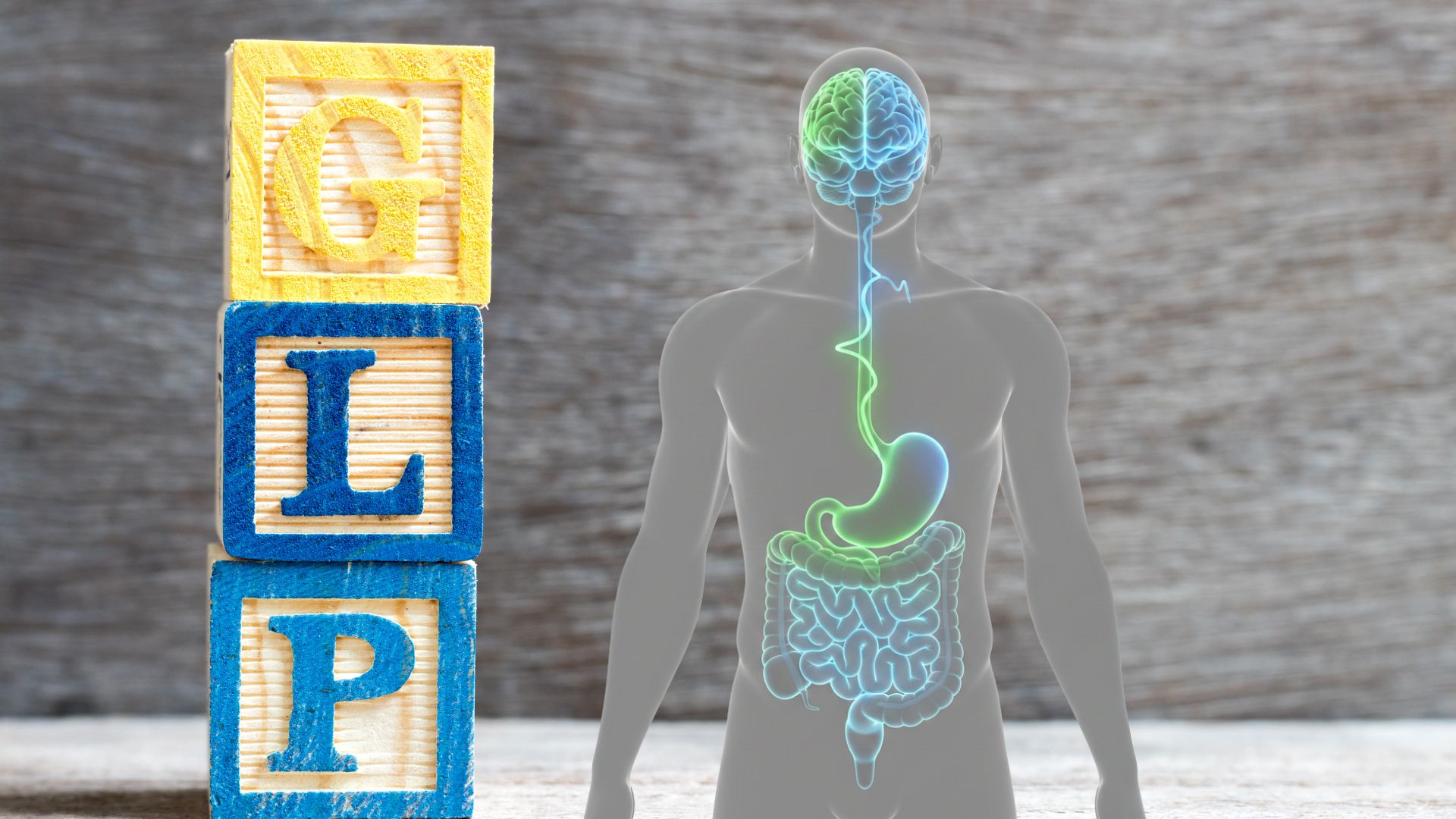
GLP-1 receptor agonists are a class of injectable medications originally developed to treat type 2 diabetes. They mimic glucagon-like peptide-1, a natural hormone that regulates blood sugar, slows gastric emptying, and signals fullness to the brain.
Because they significantly reduce appetite, several GLP-1 medications are now FDA-approved for chronic weight management in adults with obesity or overweight with related health conditions.
Common examples: Ozempic and Wegovy (semaglutide), Mounjaro and Zepbound (tirzepatide), Saxenda (liraglutide), and Trulicity (dulaglutide).
Why protein becomes critical on GLP-1 therapy
GLP-1 receptor agonists work primarily by suppressing appetite and slowing gastric emptying. Food sits in your stomach longer, hunger signals diminish, and most users find themselves eating dramatically less without consciously trying. This creates rapid weight loss, often 15 to 20% of body weight within the first year.
The problem emerges when reduced food intake leads to inadequate protein consumption. Your body requires a baseline level of amino acids daily to maintain muscle tissue, support immune function, produce enzymes and hormones, and preserve bone density. When protein falls below this threshold, your body begins breaking down its own muscle tissue to meet these needs.
This phenomenon, sometimes called “Ozempic face” or “Ozempic body,” refers to the gaunt, saggy appearance that develops when someone loses significant muscle along with fat. Beyond aesthetics, muscle loss slows metabolism, reduces functional strength, increases fall risk in older adults, and makes long-term weight maintenance substantially harder.
The standard protein recommendations fall short
General dietary guidelines suggest adults consume 0.8 grams of protein per kilogram of body weight daily. For a 180-pound person, that translates to roughly 65 grams of protein. These recommendations were established to prevent deficiency in sedentary individuals maintaining stable weight.
They were never designed for people losing weight rapidly on pharmaceutical appetite suppressants.
Research on weight loss and body composition consistently shows that higher protein intakes are necessary to preserve lean mass during caloric restriction. The International Society of Sports Nutrition and multiple obesity medicine specialists now recommend protein intakes of 1.2 to 1.6 grams per kilogram of body weight for individuals in active weight loss phases. Some researchers advocate for even higher targets approaching 2.0 grams per kilogram, particularly for older adults or those incorporating resistance training.
For our 180-pound individual, this means targeting 98 to 131 grams of protein daily, roughly double the standard recommendation.
Calculating your personal protein target
Your optimal protein intake on GLP-1 medications depends on several factors including your current weight, activity level, age, and rate of weight loss. Here is a practical framework:
| Category | Protein Target | Example (180 lb person) |
| Minimum threshold | 1.2 g/kg body weight | 98 grams daily |
| Active weight loss | 1.4–1.6 g/kg body weight | 115–131 grams daily |
| With resistance training | 1.6–2.0 g/kg body weight | 131–164 grams daily |
| Older adults (65+) | 1.2–1.5 g/kg body weight | 98–123 grams daily |
These targets should be calculated using your current body weight, not your goal weight. As you lose weight, you can recalculate periodically, but err on the side of higher intake during active weight loss phases.
The practical challenge of eating enough protein
Understanding protein targets is one thing. Actually consuming adequate protein when your appetite has evaporated is another challenge entirely.
Most GLP-1 users report feeling satisfied after eating just a few bites. Meals that once seemed normal now feel overwhelming. The thought of a large chicken breast or protein shake may trigger genuine aversion. This creates a frustrating paradox: you know you need more protein, but your medication-suppressed appetite makes eating it feel nearly impossible.
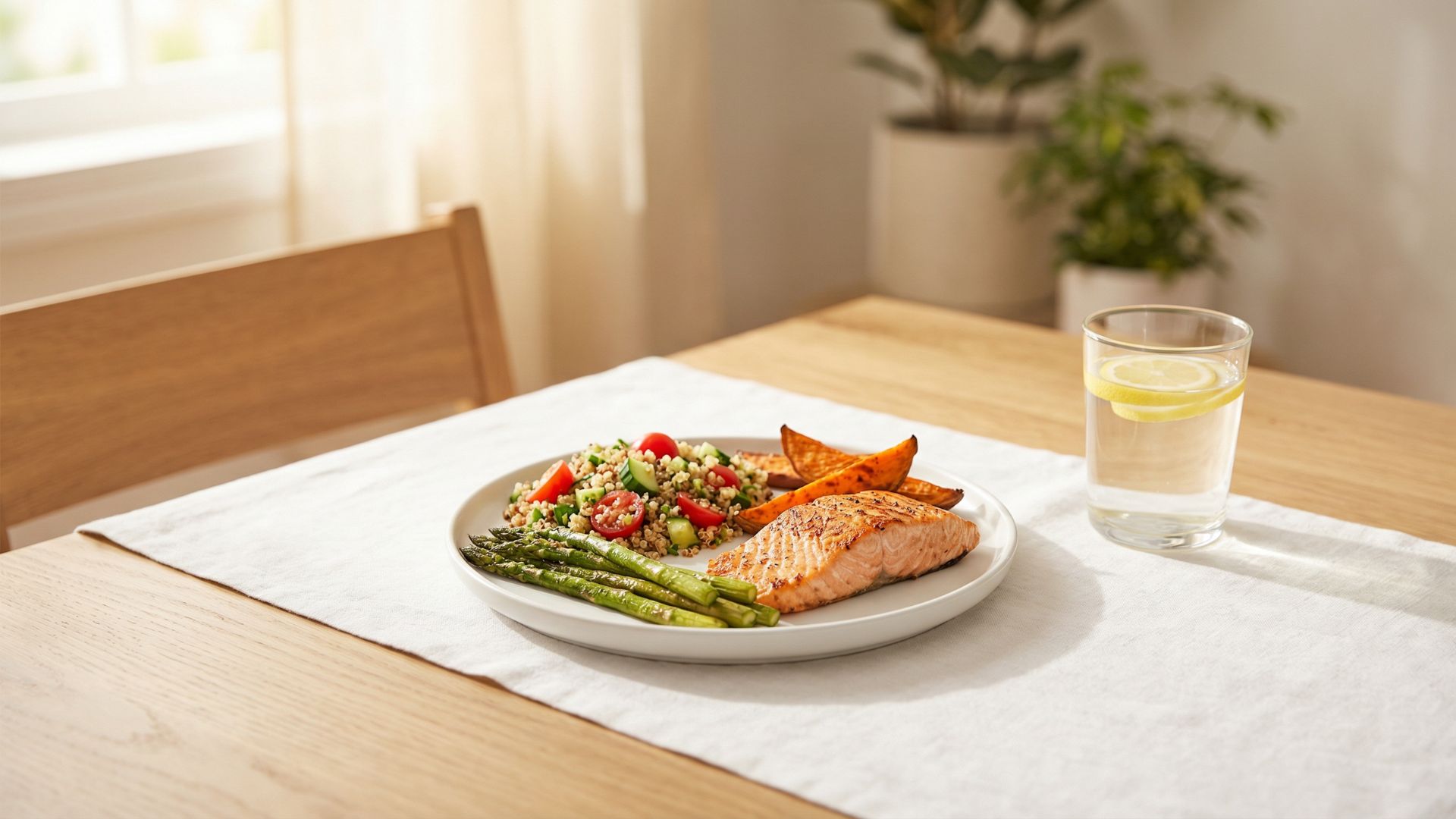
The solution requires strategic prioritization. Protein must become the foundation of every eating occasion, not an afterthought. This means starting each meal with protein before touching carbohydrates or fats. It means choosing protein-dense foods that pack maximum amino acids into minimal volume. And it often means spreading protein intake across multiple smaller eating occasions rather than attempting large meals.
High-protein foods that work for GLP-1 users
Not all protein sources are created equal when you are working with a dramatically reduced appetite. The goal is maximum protein per bite with textures and flavors that do not trigger the nausea or food aversions common during GLP-1 therapy.

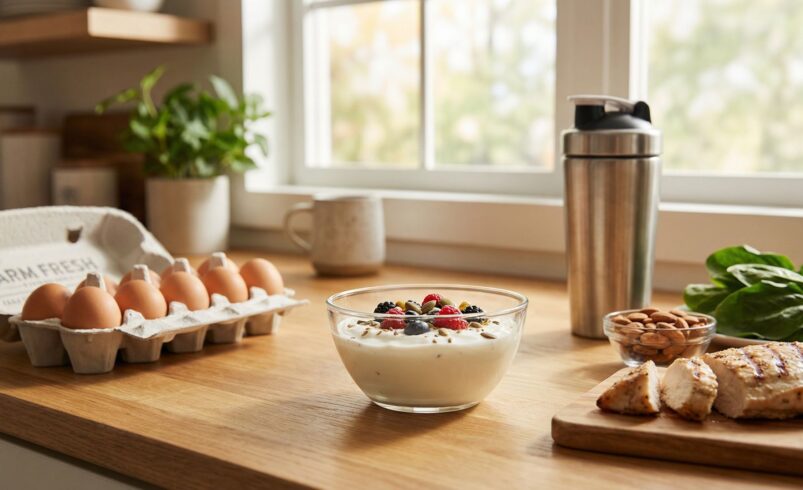
Greek yogurt consistently ranks as one of the most tolerable protein sources for GLP-1 users. A single cup of nonfat Greek yogurt delivers 17 to 20 grams of protein in a smooth, easy-to-consume format. Many users find cold, creamy foods more appealing than hot, heavy meals during treatment.
Cottage cheese offers similar benefits with approximately 14 grams of protein per half-cup serving. Its mild flavor makes it versatile for both sweet and savory preparations.
Eggs remain a protein powerhouse at 6 to 7 grams each. Scrambled eggs, hard-boiled eggs, or egg-based dishes tend to be well-tolerated and can be prepared in small portions.
Lean poultry and fish provide the highest protein density, but preparation matters. Dry, overcooked chicken often triggers aversion. Moist preparations like poached chicken, slow-cooked options, or canned chicken mixed into other dishes tend to work better.
Protein shakes and powders become essential tools for many GLP-1 users. A quality whey or plant-based protein powder can deliver 20 to 30 grams of protein in a drinkable format that many find easier to consume than solid food. Sipping a shake slowly over an hour can help meet protein targets when eating feels impossible.
Timing your Protein Intake
Spreading protein consumption throughout the day optimizes muscle protein synthesis better than consuming large amounts in a single meal. Research suggests the body can only utilize approximately 25 to 40 grams of protein per eating occasion for muscle building purposes. Excess protein beyond this threshold gets used for energy rather than tissue maintenance.
For GLP-1 users eating two to three times daily, this works out conveniently. Aim for 25 to 35 grams of protein at each eating occasion. If you can only manage two meals, consider adding a protein shake between meals to hit your daily target.
Many users find protein easiest to consume earlier in the day when medication side effects tend to be milder. Front-loading protein at breakfast, rather than saving it for dinner, can help ensure you meet minimum thresholds even on difficult days.
When protein supplements become necessary
Some GLP-1 users will not be able to meet protein targets through whole foods alone. This is not a failure. It is a practical reality of dramatically reduced appetite and food intake.
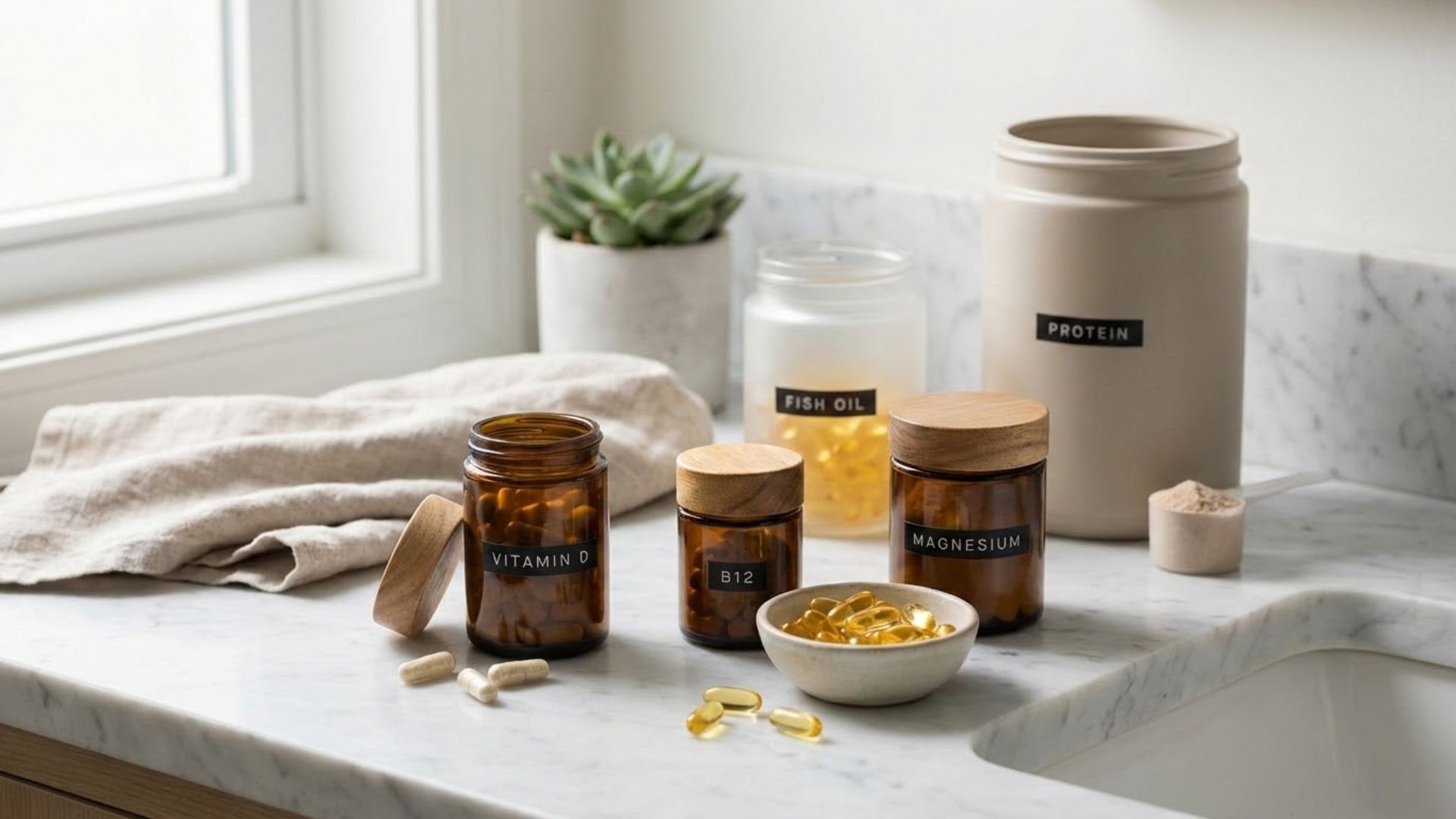
Protein supplementation should be viewed as a tool rather than a last resort. Whey protein isolate offers the highest bioavailability and fastest absorption. Casein protein digests more slowly and may be useful before bed. Plant-based options like pea protein or soy protein work well for those avoiding dairy.
Collagen peptides have gained popularity but should not be counted as your primary protein source. Collagen lacks essential amino acids needed for muscle protein synthesis. It can complement a complete protein intake but cannot replace it.
Monitoring your progress
Tracking protein intake for at least a few weeks helps establish awareness of your actual consumption versus your target. Most people dramatically overestimate their protein intake until they measure it directly.
Simple food tracking apps can help, though the goal is building sustainable habits rather than permanent tracking. Once you develop a sense of what 100+ grams of protein looks like across your typical eating pattern, you can maintain those habits intuitively.
Body composition changes matter more than scale weight. If possible, track your lean mass through DEXA scans, bioelectrical impedance scales, or simple measurements like waist circumference combined with strength benchmarks. Losing weight while maintaining or increasing strength suggests you are preserving muscle effectively.
The bigger picture
Adequate protein intake on GLP-1 medications is not about optimization or biohacking. It is about protecting your body from the unintended consequences of rapid weight loss. The goal is not just becoming lighter. It is becoming leaner, stronger, and metabolically healthier.
For those seeking to understand all the nutritional considerations while taking these medications, our complete guide to GLP-1 nutrition covers protein alongside fiber, micronutrients, hydration, and meal timing strategies.
The conversation around GLP-1 medications has focused heavily on pounds lost. Perhaps it is time we started asking a different question: what kind of weight are you actually losing?