
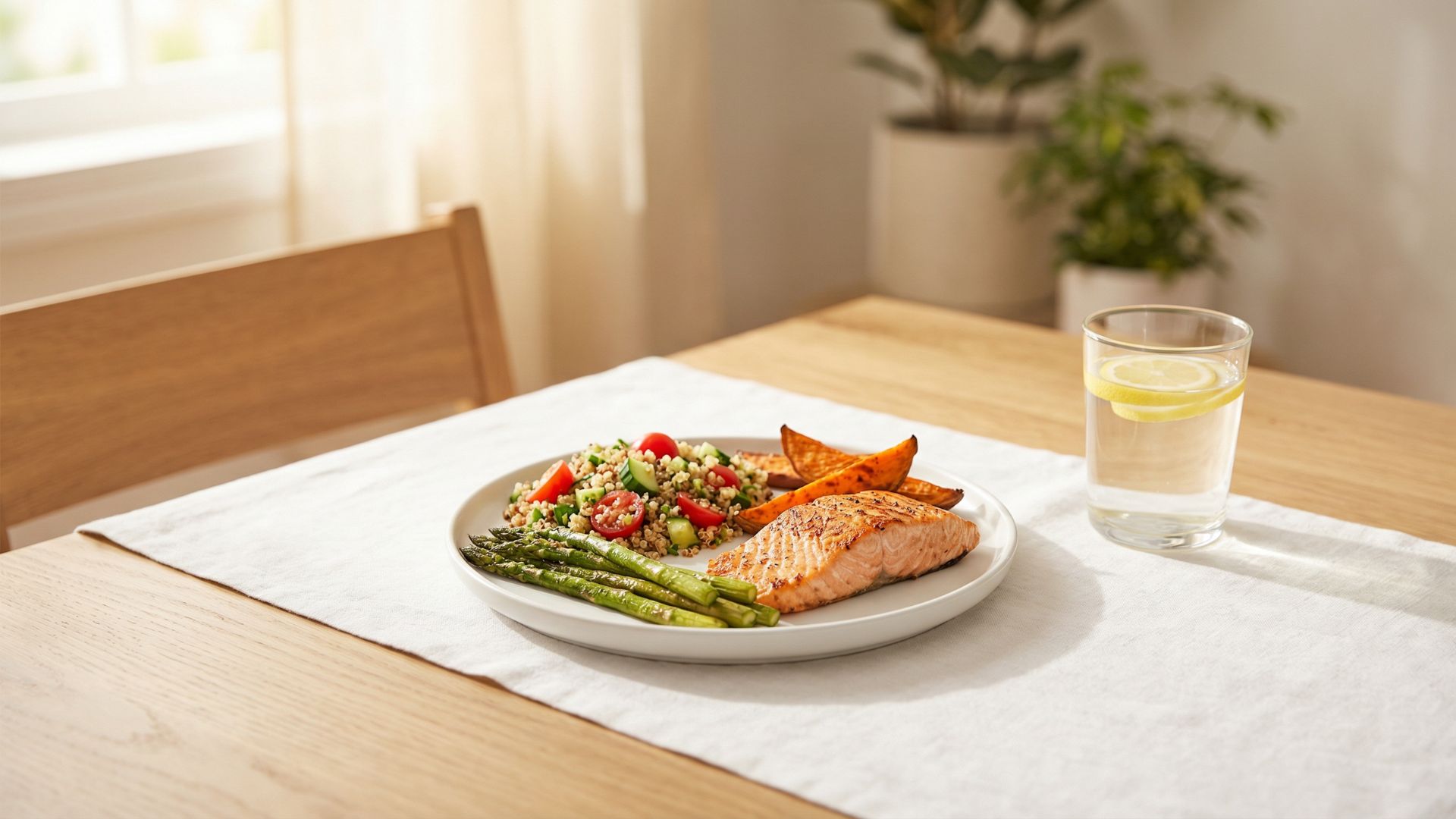




The salmon looked perfect on the plate. Beautifully seared, exactly the nutrient-dense protein source every GLP-1 nutrition guide recommends. Three bites later, you were fighting waves of nausea and regretting everything. Meanwhile, the plain scrambled eggs your dining companion ordered went down without issue.
Welcome to the unpredictable world of eating on GLP-1 medications, where nutritional ideals collide with physiological reality. The foods your body should want often become the foods your body cannot tolerate. And the bland, simple options you dismissed as boring become lifelines on difficult days.
Learning which foods work and which ones backfire transforms the GLP-1 eating experience from constant trial and error into strategic navigation.
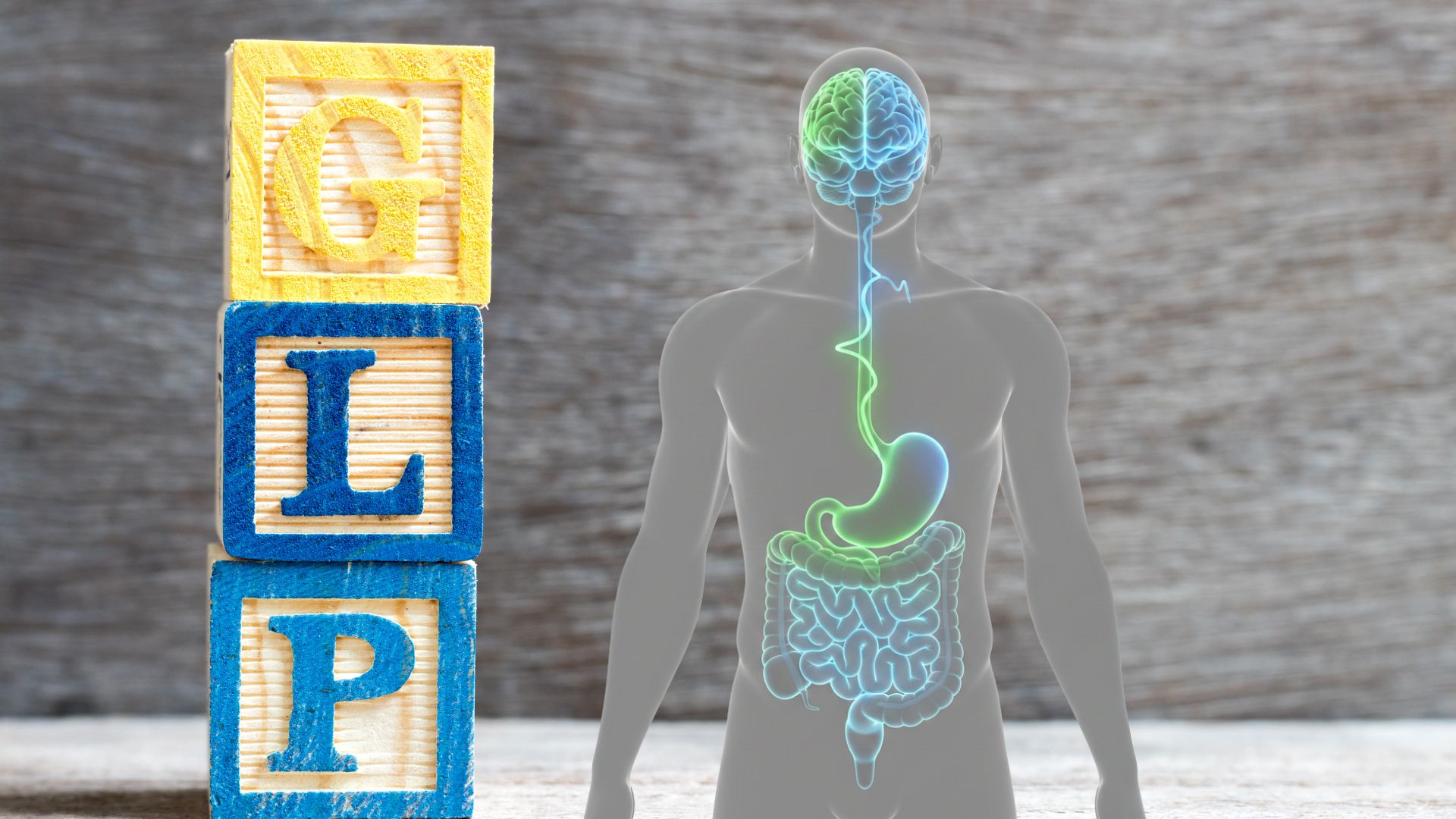
GLP-1 receptor agonists are a class of injectable medications originally developed to treat type 2 diabetes. They mimic glucagon-like peptide-1, a natural hormone that regulates blood sugar, slows gastric emptying, and signals fullness to the brain.
Because they significantly reduce appetite, several GLP-1 medications are now FDA-approved for chronic weight management in adults with obesity or overweight with related health conditions.
Common examples: Ozempic and Wegovy (semaglutide), Mounjaro and Zepbound (tirzepatide), Saxenda (liraglutide), and Trulicity (dulaglutide).
Why food tolerance changes on GLP-1 therapy
Before diving into specific foods, understanding why tolerance shifts helps explain the patterns that emerge.
GLP-1 medications slow gastric emptying dramatically. Foods that require extensive stomach processing, particularly those high in fat or dense protein, sit longer and can trigger discomfort. The stomach essentially becomes a holding tank that empties at a fraction of its normal rate.
Simultaneously, the medications affect taste perception and food reward pathways in the brain. Foods that once provided pleasure may no longer register as appealing. Sweet foods often become excessively sweet. Rich foods feel heavy and unpleasant rather than satisfying.
Nausea sensitivity increases, particularly during dose escalation phases. Certain textures, temperatures, and flavors that never caused problems before can suddenly trigger queasiness. These sensitivities often improve with time but may never fully resolve.
Individual variation matters enormously. One person thrives on grilled chicken while another cannot tolerate any poultry. Someone swears by protein shakes while another gags at the thought. The patterns described here represent common experiences, not universal rules.
Foods that generally work well
Certain categories of foods consistently rank as well-tolerated among GLP-1 users. These become the foundation of sustainable eating during treatment.
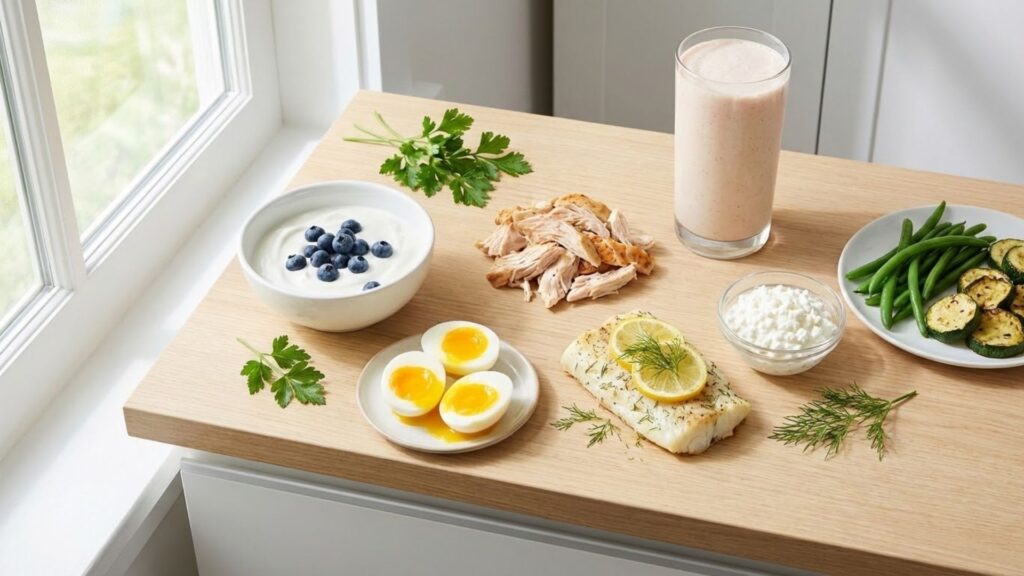
Eggs in all forms
Eggs emerge as perhaps the single most reliably tolerated protein source across GLP-1 users. Scrambled, hard-boiled, poached, or prepared as omelets, eggs provide high-quality protein in a format that digests relatively easily.
A two-egg serving delivers approximately 12 grams of protein with minimal volume. The neutral flavor profile rarely triggers aversions. Eggs can be prepared quickly, eaten cold or hot, and customized with whatever additions the individual tolerates.
Many users report that eggs represent one of the few proteins they can consistently consume even on difficult days. Building breakfast around eggs ensures a solid protein foundation regardless of what the rest of the day brings.
Greek yogurt and cottage cheese
Dairy proteins in these forms consistently rank among the best-tolerated options. The smooth, creamy texture goes down easily. The cold temperature often feels better than hot foods. And the protein density is excellent.
A cup of nonfat Greek yogurt provides 17 to 20 grams of protein. Half a cup of cottage cheese delivers approximately 14 grams. Both can be eaten plain or customized with berries, chia seeds, or a drizzle of honey for those who tolerate sweetness.
The probiotic content in yogurt offers additional digestive benefits, supporting gut health during a time when the microbiome undergoes significant shifts.
Lean poultry, prepared moist
Chicken and turkey work well for most GLP-1 users, with an important caveat: preparation method matters enormously.
Dry, overcooked chicken breast frequently triggers aversion and nausea. The dense, fibrous texture requires extensive chewing and sits heavily in the stomach. Many users who believe they cannot tolerate chicken are actually reacting to poor preparation rather than the protein itself.
Poached chicken, slow-cooked options, rotisserie chicken, or chicken salad made with Greek yogurt all tend to work better. The moisture content makes a significant difference in both palatability and digestive tolerance.
Shredded chicken incorporated into soups or mixed dishes often works when a plain chicken breast would not. The smaller pieces require less mechanical breakdown and move through the digestive system more easily.
Fish and seafood
Mild white fish like cod, tilapia, and halibut rank among the easiest proteins to digest. Their light texture and neutral flavor rarely trigger aversions. Baked or steamed preparations work better than fried.
Salmon, while fattier, remains well-tolerated for many users and provides valuable omega-3 fatty acids. Portion size matters more with salmon due to its higher fat content. Three ounces may work perfectly where six ounces becomes problematic.
Canned tuna and salmon offer convenient, affordable options that require no cooking. Mixed into salads or eaten with crackers, they provide substantial protein with minimal preparation.
Shrimp and other shellfish digest quickly and rarely cause issues. Their natural portion sizes align well with reduced appetite, making them practical choices for small meals.
Soft-cooked vegetables
Raw vegetables, particularly cruciferous ones, can cause significant bloating and discomfort during GLP-1 therapy. Cooked vegetables generally work much better.
Roasted zucchini, steamed green beans, sautéed spinach, and cooked carrots provide fiber and nutrients in forms the slowed digestive system can handle. Cooking breaks down cell walls, reducing the mechanical work required for digestion.
Root vegetables like sweet potatoes and butternut squash offer gentle carbohydrates that most users tolerate well. Their natural sweetness can satisfy cravings without added sugars.
Soups and pureed vegetables often work when whole pieces would not. The liquid format moves through the system more easily and can be sipped slowly as tolerated.
Smoothies and protein shakes
Liquid nutrition frequently saves the day when solid food feels impossible. A well-designed smoothie or protein shake can deliver 30+ grams of protein in a format that goes down relatively easily.
The key is sipping slowly rather than drinking quickly. Consuming a shake over 30 to 60 minutes often works better than attempting to finish it in five minutes. The gradual intake gives the stomach time to process without triggering overwhelm.
Protein powders vary in tolerance. Whey isolate tends to be gentler than whey concentrate for those sensitive to lactose. Plant-based options like pea protein work well for some users. Experimentation helps identify which formulations your body accepts.
Foods that commonly cause problems
Certain food categories consistently appear on the “avoid” list for GLP-1 users. Knowing these patterns in advance helps prevent unpleasant experiments.
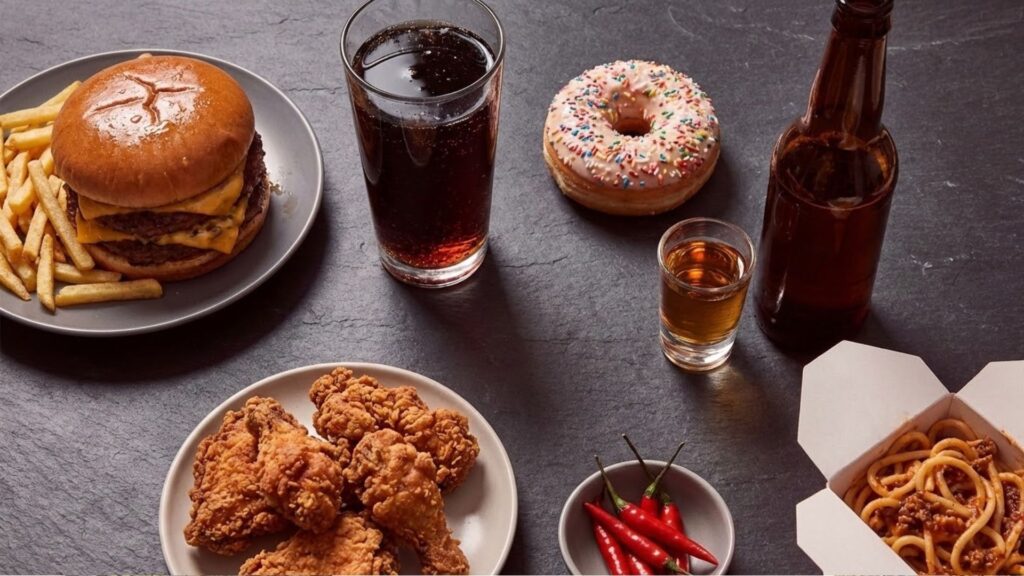
Fried and high-fat foods
Fat slows gastric emptying even in people not taking GLP-1 medications. Combined with the medication’s own slowing effect, high-fat foods can sit in the stomach for many hours, creating persistent fullness, nausea, and discomfort.
Fried chicken, french fries, onion rings, and similar foods frequently trigger the worst reactions. The combination of fat and often heavy breading creates a digestive challenge the medicated stomach struggles to handle.
Fatty cuts of meat like ribeye steak, bacon, and sausage cause similar problems for many users. The fat content extends stomach processing time and can trigger strong nausea.
This does not mean eliminating all fat. Small amounts of healthy fats from avocado, olive oil, nuts, and fatty fish remain important for nutrition and satiety. The problem arises with large quantities or heavily fried preparations.
Greasy or heavy restaurant meals
Restaurant food tends to contain far more fat, salt, and larger portions than home-cooked meals. What seems like a reasonable choice on the menu often arrives as an overwhelming plate that triggers immediate regret.
Fast food presents particular challenges. The combination of fried items, processed ingredients, and oversized portions hits every trigger point for GLP-1 users. Many find fast food completely intolerable during treatment.
When eating out, choosing grilled proteins, steamed vegetables, and simple preparations improves tolerance. Asking for dressings and sauces on the side allows control over fat content. Taking half the meal home before starting to eat prevents overeating when portions are too large.
Spicy foods
Spice tolerance often decreases during GLP-1 therapy. Foods that previously caused no discomfort may now trigger heartburn, nausea, or general GI upset.
This varies significantly by individual. Some users maintain their spice tolerance throughout treatment. Others find even mild seasoning problematic. Starting cautiously and gradually testing tolerance helps identify your personal threshold.
The combination of slowed gastric emptying and spicy food creates extended exposure of the stomach lining to irritating compounds. What would normally clear quickly instead lingers, increasing the chance of discomfort.
Sugary foods and beverages
Sweet tolerance drops dramatically for many GLP-1 users. Foods that once tasted pleasantly sweet now seem cloying, sickly, or simply too much. This extends to sweetened beverages, desserts, candy, and even some fruits.
Beyond taste changes, sugary foods provide calories without nutritional value, exactly what GLP-1 users cannot afford with limited stomach capacity. Every calorie spent on sugar is a calorie not spent on protein, fiber, or essential nutrients.
Blood sugar effects also matter. Simple sugars absorb quickly and can cause reactive hypoglycemia in some GLP-1 users, leading to energy crashes and increased cravings. Stable blood sugar generally supports better tolerance and energy levels.
Carbonated beverages
Carbonation introduces gas into an already slow-moving digestive system. The bubbles create bloating and pressure that many users find extremely uncomfortable.
This includes diet sodas, sparkling water, beer, and champagne. Even carbonated waters that seem healthy can cause significant discomfort during GLP-1 therapy.
Some users find flat versions of beverages they enjoy work fine, confirming that carbonation itself is the problem rather than other ingredients.
Alcohol
Alcohol tolerance typically decreases on GLP-1 medications. The same drink that previously produced mild effects may now cause significant intoxication. This altered response creates safety concerns beyond digestive tolerance.
Alcohol also contributes empty calories, impairs judgment around food choices, and can worsen nausea. Many users find alcohol simply not worth the downsides during treatment.
For those who choose to drink, doing so with food, limiting quantity, and choosing lower-alcohol options helps minimize negative effects.
Building your personal tolerance map
| Category | Usually Tolerated | Often Problematic |
| Proteins | Eggs, Greek yogurt, cottage cheese, poached chicken, mild fish | Fatty red meat, fried chicken, bacon, sausage |
| Vegetables | Cooked zucchini, green beans, spinach, carrots, sweet potato | Raw broccoli, cauliflower, cabbage, Brussels sprouts |
| Fruits | Berries, melon, banana (small portions) | Dried fruit, fruit juice, large portions of any fruit |
| Grains | Small portions of oatmeal, quinoa, rice | Large portions of bread, pasta, heavy whole grains |
| Dairy | Greek yogurt, cottage cheese, small amounts of cheese | Full-fat ice cream, heavy cream sauces |
| Beverages | Water, herbal tea, protein shakes | Carbonated drinks, alcohol, sugary beverages |
| Fats | Small amounts of avocado, olive oil, nuts | Fried foods, heavy cream, large amounts of any fat |
Individual patterns emerge over weeks of observation. Keeping a simple food journal noting what you ate and how you felt afterward helps identify personal triggers versus generally problematic foods.
Adapting over time
Tolerance typically improves as the body adapts to GLP-1 therapy. Foods that triggered nausea during dose escalation may become tolerable once you stabilize on a maintenance dose. Periodically retesting previously problematic foods can reveal expanded options.
Conversely, some aversions persist throughout treatment and even after discontinuation. Accepting permanent changes in food preferences rather than fighting them reduces frustration.
The goal is not returning to pre-medication eating patterns. It is developing a new relationship with food that works within your altered physiology while providing adequate nutrition.
These food choices integrate with broader nutritional strategies covered in our complete guide to GLP-1 nutrition, supporting protein intake, micronutrient adequacy, and digestive health.
What foods have surprised you most with how well or poorly they work during your GLP-1 treatment?