



Small gaps in vitamins and minerals don’t always shout. They whisper through fatigue, dull skin, frequent colds, brain fog, or slow recovery. This page explains the most common vitamin and mineral deficiency symptoms and the food moves that close those gaps. It favors a calm, practical approach. No scare tactics. No magic lists. If you want the broader foundation on energy balance, macros, and plate building, the complete guide to Nutrition Basics gives the full framework.
Deficiency vs. not-quite-enough
True deficiency is a clinical problem. Insufficiency is a mild shortfall that drags on mood, focus, or training. Blood tests confirm the first. Patterns and history help spot the second. You don’t need a bag of pills to fix most shortfalls. Start with food. Use supplements with purpose, not by default.
Who is most at risk
- People who eat very little or skip whole food groups
- Strict vegans without fortified foods or B12
- Heavy menstruation or frequent blood donors (iron)
- Limited sun exposure or darker skin at high latitudes (vitamin D)
- GI conditions or surgeries that limit absorption
- Pregnancy and breastfeeding (higher needs for iron, iodine, folate)
- Older adults with low appetite or low stomach acid (B12, protein)
Signals that deserve a second look
None of these prove a deficiency on their own. Patterns matter.
- Tired despite enough sleep
- Weak nails, hair shedding, pale skin
- Frequent colds or slow wound healing
- Mouth sores, swollen or smooth tongue
- Pins and needles in hands or feet
- Muscle cramps, twitching, restless legs
- Night blindness or dry eyes
- Easy bruising or bleeding gums
- Brain fog, low mood, irritability
If several apply for weeks, check your diet first. Then talk with a clinician about testing.
A quick nutrient-by-nutrient guide
Iron
- Signals: fatigue, pale skin, brittle nails, shortness of breath, headaches.
- At risk: heavy periods, pregnancy, frequent donors, endurance athletes.
- Food moves: beef, lamb, liver; clams, mussels; lentils, beans, tofu; spinach, pumpkin seeds. Pair plant sources with vitamin C foods to boost absorption.
- Note: tea and coffee with meals reduce absorption. Space them away.
Vitamin D
- Signals: low mood, frequent illness, bone aches, muscle weakness.
- At risk: little sun, darker skin, higher body fat, older age.
- Food moves: salmon, sardines, egg yolks, fortified milk or plant milks.
- Note: many people need a supplement after a blood test confirms a low level.
Vitamin B12
- Signals: fatigue, numbness or tingling, poor balance, smooth tongue.
- At risk: vegans, long-term metformin or acid reducers, older adults.
- Food moves: fish, eggs, dairy, meat; fortified plant milks and cereals.
- Note: low B12 needs a supplement. Food alone may not correct it.
Folate (B9)
- Signals: mouth sores, smooth tongue, fatigue.
- At risk: pregnancy, limited vegetable intake, heavy alcohol use.
- Food moves: lentils, beans, leafy greens, asparagus, citrus, fortified grains.
- Note: use folic acid or methylfolate per your clinician’s advice in pregnancy.
Iodine
- Signals: neck fullness, fatigue, feeling cold, sluggish thinking.
- At risk: avoiding iodized salt, pregnancy, low seafood intake.
- Food moves: iodized salt, dairy, eggs, sea fish. Seaweed varies widely.
Calcium
- Signals: muscle cramps, brittle nails, bone stress over time.
- At risk: low dairy and no fortified alternatives, adolescence, older adults.
- Food moves: yogurt, milk, cheese; fortified plant milks; tofu set with calcium; leafy greens like bok choy and kale; canned salmon or sardines with bones.
Magnesium
- Signals: cramps, twitching, poor sleep, constipation, migraine tendency.
- At risk: low whole grains, low nuts and legumes, high stress.
- Food moves: pumpkin seeds, almonds, peanuts, cashews, black beans, oats, dark chocolate, spinach.
Potassium
- Signals: weakness, cramps, constipation; severe low levels need medical care.
- At risk: very low produce intake, some diuretics, GI losses.
- Food moves: potatoes, bananas, beans, lentils, tomatoes, yogurt, oranges.
Zinc
- Signals: poor wound healing, more colds, reduced taste or smell, skin issues.
- At risk: low meat diets without legumes or seeds, pregnancy, endurance athletes.
- Food moves: beef, oysters, poultry; beans, chickpeas, pumpkin seeds.
Vitamin A
- Signals: night blindness, dry eyes, dry skin.
- Food moves: liver, eggs, dairy for retinol; carrots, sweet potatoes, spinach, mango for beta-carotene.
Vitamin K
- Signals: easy bruising, nosebleeds, heavy bleeding.
- Food moves: kale, spinach, broccoli, cabbage, herbs.
- Note: people on warfarin need steady, not zero, vitamin K. Follow medical advice.
Vitamin C
- Signals: bleeding gums, easy bruising, slow healing, frequent colds.
- Food moves: citrus, kiwi, strawberries, bell peppers, broccoli, potatoes.
Selenium
- Signals: brittle hair and nails, low thyroid function.
- Food moves: Brazil nuts (small amounts), tuna, sardines, eggs.
This list is not exhaustive, but it covers the usual suspects for everyday diets worldwide.
Food-first fixes that work
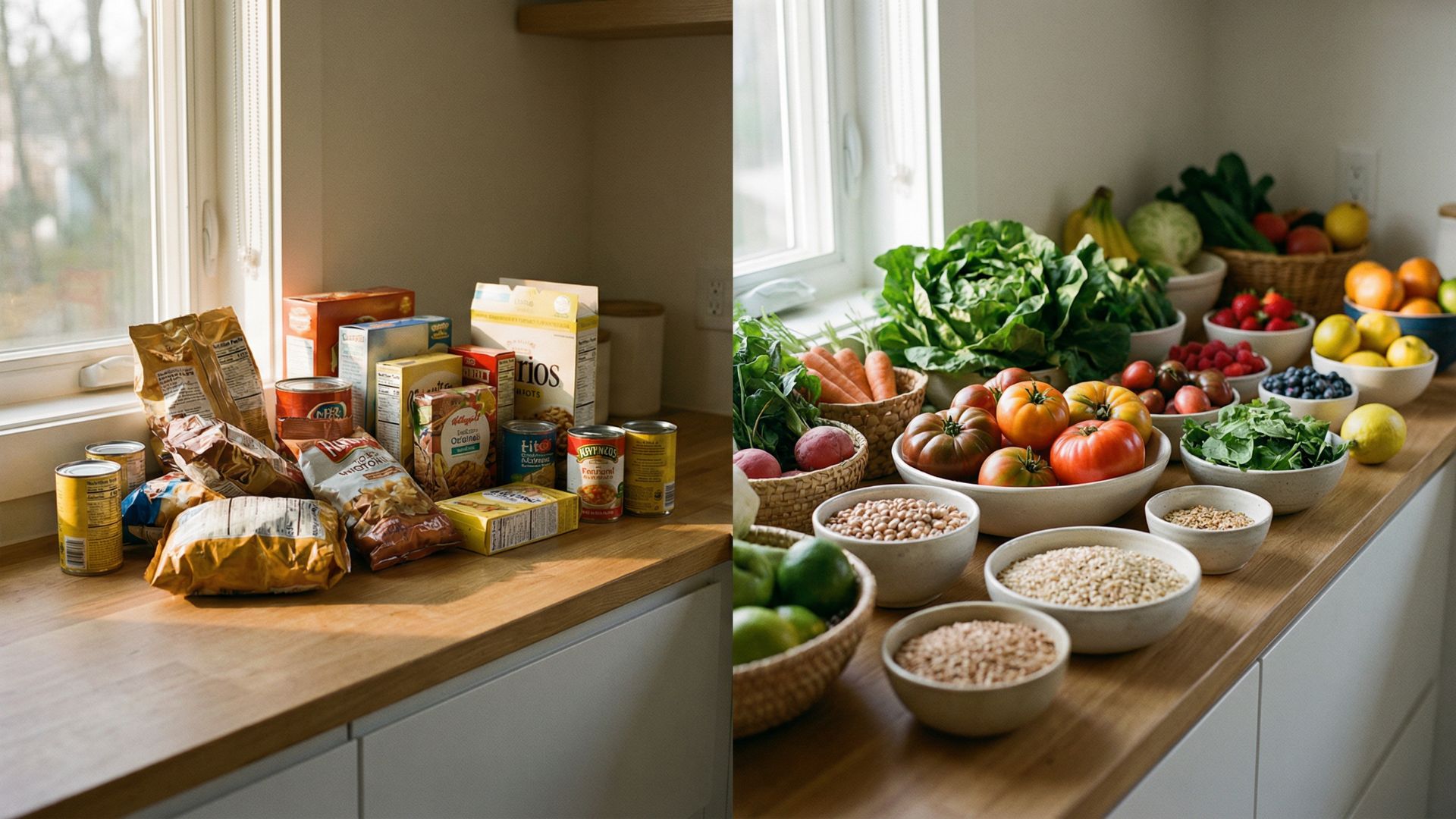
Build most meals from foods that carry minerals, vitamins, fiber, and protein together. That mix supports absorption and steadier hunger.
- Base: vegetables and fruit in many colors
- Protein anchors: fish, eggs, yogurt, tofu, tempeh, legumes, lean meats
- Mineral-dense extras: beans, lentils, whole grains, nuts, seeds
- Fortified allies: milk or plant milks with calcium and vitamin D; B12-fortified options for vegan diets
- Flavor tools: herbs, spices, citrus, tahini, olive oil
A simple daily pattern:
- Breakfast: yogurt or tofu scramble with fruit and oats
- Lunch: lentil or chickpea bowl with greens, whole grain, olive oil, citrus
- Snack: fruit and nuts, or vegetables with hummus
- Dinner: fish or bean stew with potatoes or rice and a side of cooked greens
Rotate foods weekly. Repetition builds habits and fills gaps over time.
When supplements help
Use supplements to correct a known gap or to backstop a diet with limited options. Choose products that give sane doses, near 100% of the daily value, not megadoses. A few notes:
- Iron: supplement only after blood work, as too much is harmful. Take with vitamin C, away from coffee, tea, calcium, and some medications.
- Vitamin D: blood testing guides dosage. Many people need it in winter.
- B12: vegan diets need a reliable source. Tablets, sprays, or fortified foods all work.
- Calcium: fill the difference between your intake and your need. Split doses for better absorption.
- Magnesium: glycinate or citrate forms tend to be easier on the gut.
Check interactions with your medications. Keep your clinician in the loop.
A one-week repair plan
This is a light reset that covers common gaps while you wait for labs or reflect on habits.
- Add a produce serving at breakfast and at dinner
- Include a protein anchor at every meal
- Choose legumes or whole grains once a day
- Swap one refined snack for fruit and nuts
- Use iodized salt in cooking unless your clinician says otherwise
- If sun is limited, include a vitamin D source or a modest supplement
- Walk daily and aim for a regular sleep window
Watch how energy, mood, and digestion change. Keep what helps. Adjust the rest.
When to see a clinician
- You have several symptoms for more than a few weeks
- You’re pregnant, planning pregnancy, or breastfeeding
- You have GI disease, bariatric surgery, or chronic conditions
- You notice numbness, chest symptoms, persistent dizziness, or rapid hair loss
- You plan to start high-dose supplements
Testing turns guesswork into a plan. That saves time and reduces risk.
The quiet power of patterns
Deficiencies often reflect patterns. Low produce. Low protein. Few legumes or whole grains. Weeks of poor sleep and little movement. Each change is small on its own. Together they move the needle. Build a sturdy base. Then tweak.
Bottom line
Most vitamin and mineral deficiency symptoms ease when meals deliver protein, color, legumes, whole grains, and a bit of healthy fat. Fortified foods help. Sensible supplements fill real gaps. Keep the plan steady on busy days and kind on tough ones. For a fast skill that makes shopping smarter, the quick guide to reading nutrition labels shows a 30-second scan for serving size, added sugars, sodium, fiber, and ingredients.