




That frozen pizza you grabbed for dinner. The protein bar you ate between meetings. The flavored yogurt you thought was a healthy choice. These foods share something in common beyond convenience: they’re all ultra-processed, and a sweeping new analysis suggests they may be doing more damage to your body than previously understood.
A landmark umbrella review published in The BMJ examined data from nearly 10 million participants across 45 meta-analyses, and the findings paint a sobering picture. Researchers found consistent associations between ultra-processed food consumption and 32 distinct adverse health outcomes, spanning everything from heart disease and diabetes to depression and sleep disorders.
What the study actually found
Led by Dr. Melissa Lane and colleagues at Deakin University’s Food & Mood Centre in Australia, with collaborators from Johns Hopkins University and other institutions, this wasn’t a single study but rather an analysis of analyses. The researchers synthesized all existing meta-analytic evidence on ultra-processed foods published between 2009 and June 2023.
The numbers are striking. Higher ultra-processed food intake was associated with:
- Approximately 50% increased risk of cardiovascular disease-related death
- 48-53% higher risk of anxiety and common mental disorders
- 21% greater risk of death from any cause
- 40-66% increased risk of heart disease-related death, obesity, type 2 diabetes, and sleep problems
- 22% increased risk of depression
- 12% greater risk of developing type 2 diabetes
The researchers graded evidence quality using established scientific criteria. The strongest evidence, labeled “convincing,” linked ultra-processed foods to cardiovascular mortality and mental health disorders. “Highly suggestive” evidence connected these foods to all-cause mortality, obesity, and sleep disturbances.
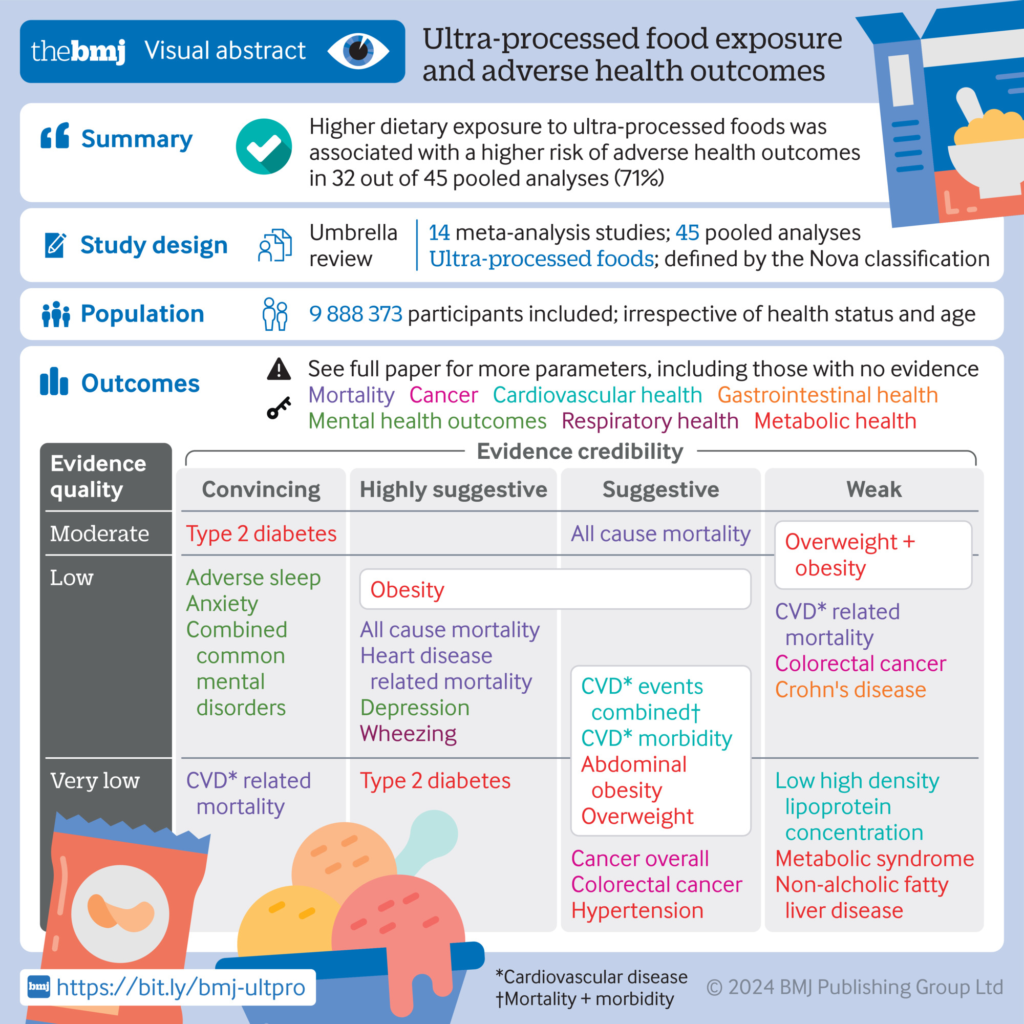
What counts as ultra-processed?
The study used the NOVA classification system, which categorizes foods by their degree of processing rather than their nutrient content. Ultra-processed foods typically undergo multiple industrial processes and contain ingredients you wouldn’t find in a home kitchen: emulsifiers, flavor enhancers, colorings, and other additives.
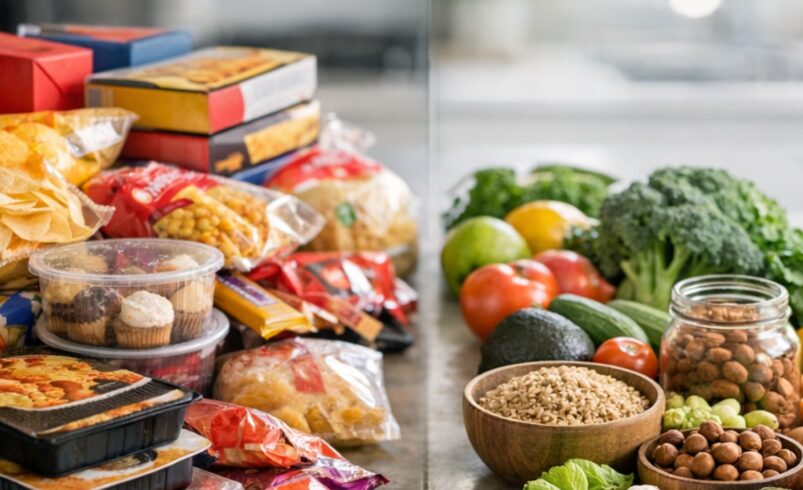
Common examples include packaged snacks, sugary cereals, instant noodles, reconstituted meat products, frozen meals, and soft drinks. These products tend to be high in added sugars, unhealthy fats, and sodium while lacking fiber and essential vitamins.
The distinction matters because two foods with similar calorie counts can have vastly different health effects depending on their processing level. A homemade oatmeal breakfast behaves differently in your body than a packaged breakfast bar with comparable macros.
The limitations worth noting
Before panic-clearing your pantry, some context is warranted. The researchers themselves acknowledged several limitations.
First, umbrella reviews synthesize existing evidence but cannot establish causation. The associations are consistent and concerning, but we cannot definitively say ultra-processed foods cause these health problems rather than being correlated with other factors.
Second, most evidence quality was rated “low” or “very low” under the GRADE framework. This doesn’t mean the findings are wrong, but it does mean stronger studies are needed.
Third, evidence for some conditions, including certain cancers, asthma, and gastrointestinal diseases, remained limited. The health impacts may be even broader than currently documented, or some associations may weaken with better research.
Practical steps you can take
The researchers called for “urgent” public health measures to reduce ultra-processed food consumption. But what does that mean for your grocery list this week?
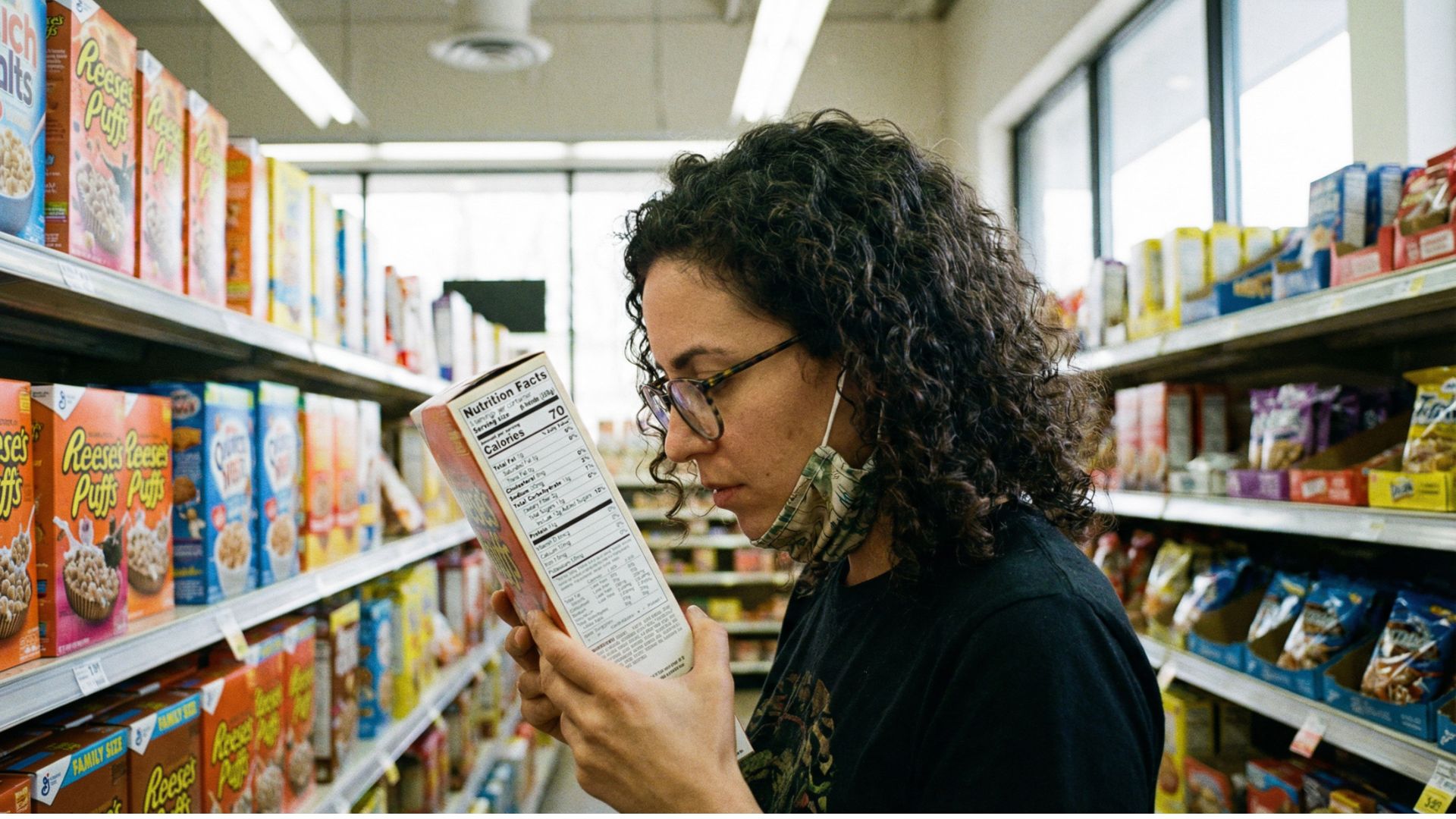
Read ingredient lists, not just nutrition labels. If you see ingredients that sound like chemistry rather than cooking, such as maltodextrin, carrageenan, or sodium nitrite, you’re likely looking at an ultra-processed product.
Cook more meals from scratch when possible. Even simple preparations using whole ingredients reduce your reliance on processed options. A roasted chicken with vegetables beats a chicken-flavored frozen dinner nutritionally.
Make strategic swaps. Replace flavored yogurt with plain yogurt and fresh fruit. Choose whole grain bread with minimal ingredients over soft sandwich bread with a lengthy ingredient list. Opt for nuts instead of flavored snack mixes.
Don’t aim for perfection. Completely eliminating ultra-processed foods is impractical for most people. The goal is reduction, not total avoidance. Even modest decreases in consumption may yield health benefits.
The bottom line
This umbrella review represents the most comprehensive analysis to date of ultra-processed foods and health outcomes. While not every association had ironclad evidence, the consistency across 32 different health parameters, involving millions of participants, makes the overall pattern difficult to dismiss.
The research doesn’t prove that your occasional frozen pizza will give you heart disease. But it does suggest that diets heavy in ultra-processed foods may carry risks that extend far beyond weight gain, potentially affecting mental health, sleep, and longevity.
As the researchers noted, understanding the exact mechanisms linking these foods to poor health remains an active area of investigation. In the meantime, the precautionary principle suggests that shifting toward whole, minimally processed foods is a reasonable hedge against emerging evidence.
What changes, if any, are you considering making to reduce ultra-processed foods in your diet?