





Picture this: you sit down with a bag of chips, promising yourself you’ll eat just a handful, yet somehow the entire bag vanishes before the movie ends. Sound familiar? This isn’t a failure of willpower; it’s the result of sophisticated food engineering designed with one sinister goal in mind.
The addiction blueprint
Modern processed foods aren’t just unhealthy; they’re meticulously crafted weapons of mass consumption. Food scientists have cracked the code on human psychology, creating products that bypass our natural satiety signals and transform us into eating machines.
The manipulation starts with protein elimination. Natural foods containing protein trigger satisfaction signals in our brains, telling us we’ve had enough. Remove the protein, and that stop sign disappears. This explains why you can demolish an entire bag of chips but struggle to overeat chicken breast.
These products also orchestrate a metabolic roller coaster. They spike blood sugar levels rapidly, followed by an inevitable crash that leaves you craving more despite having just eaten. Someone who consumes a sugary breakfast often finds themselves ravenous within 90 minutes, not from genuine hunger but from this engineered blood sugar manipulation.
The bliss point conspiracy
Food manufacturers invest millions researching the perfect chemical combination of sugar, salt, and fat that triggers maximum pleasure responses in your brain. They call it the “bliss point,” and it’s no accident. This precise formula floods your brain with dopamine, creating patterns similar to drug addiction.
The flavoring industry takes this further. A single “natural flavor” on a label can contain up to 300 different chemicals, each targeting specific brain receptors. These compounds create an overwhelming sensory experience that fades quickly, compelling you to reach for more to maintain that fleeting high.
Trans fats: the cardiovascular saboteur
Despite efforts to ban them, trans fats still lurk in many products. These artificial fats wreak havoc on your liver, especially when consumed alongside refined carbohydrates. This deadly duo accelerates liver damage and promotes insulin resistance. According to CDC data, approximately one-third of Americans consume junk food daily, amplifying these risks exponentially.
High fructose corn syrup: your liver’s worst enemy
This sweetener bypasses normal metabolic pathways, heading straight to your liver where it triggers fat accumulation and insulin resistance. The danger multiplies when combined with alcohol or seed oils, creating a toxic cocktail that damages your brain, nervous system, and cardiovascular health.
Imagine ordering a large soda sweetened with corn syrup, paired with deep-fried foods, and an alcoholic beverage. This combination delivers a triple threat that overwhelms your body’s detoxification systems.
Sodium nitrate: the color keeper with a dark side
Found primarily in processed meats like bacon and hot dogs, sodium nitrate maintains that appealing pink color while extending shelf life. However, when heated during cooking, it transforms into compounds that have been shown to cause cancer in animal studies. While human studies remain observational, the evidence is concerning enough that many health organizations recommend limiting consumption.
The heat transformation trap
Heating carbohydrates creates a cascade of harmful compounds. French fries, potato chips, and even burnt toast generate toxic aldehydes and acrylamide during cooking. These substances promote inflammation throughout your body and create advanced glycation end products (AGEs) that damage blood vessels, kidneys, eyes, and nervous tissue.
Seed oils: the shelf-stable deception
The controversy around seed oils misses a crucial point: nobody consumes them in their natural state. These oils undergo extensive industrial processing involving high heat and chemical solvents like hexane before reaching store shelves. Despite claims of being “vegetable oils,” they’re anything but natural.
These unstable fats incorporate into your cell membranes, potentially disrupting insulin signaling and promoting metabolic dysfunction. Research on soybean oil reveals it promotes more obesity and diabetes in animal models than even fructose or coconut oil.
Artificial sweeteners: the microbiome assassins
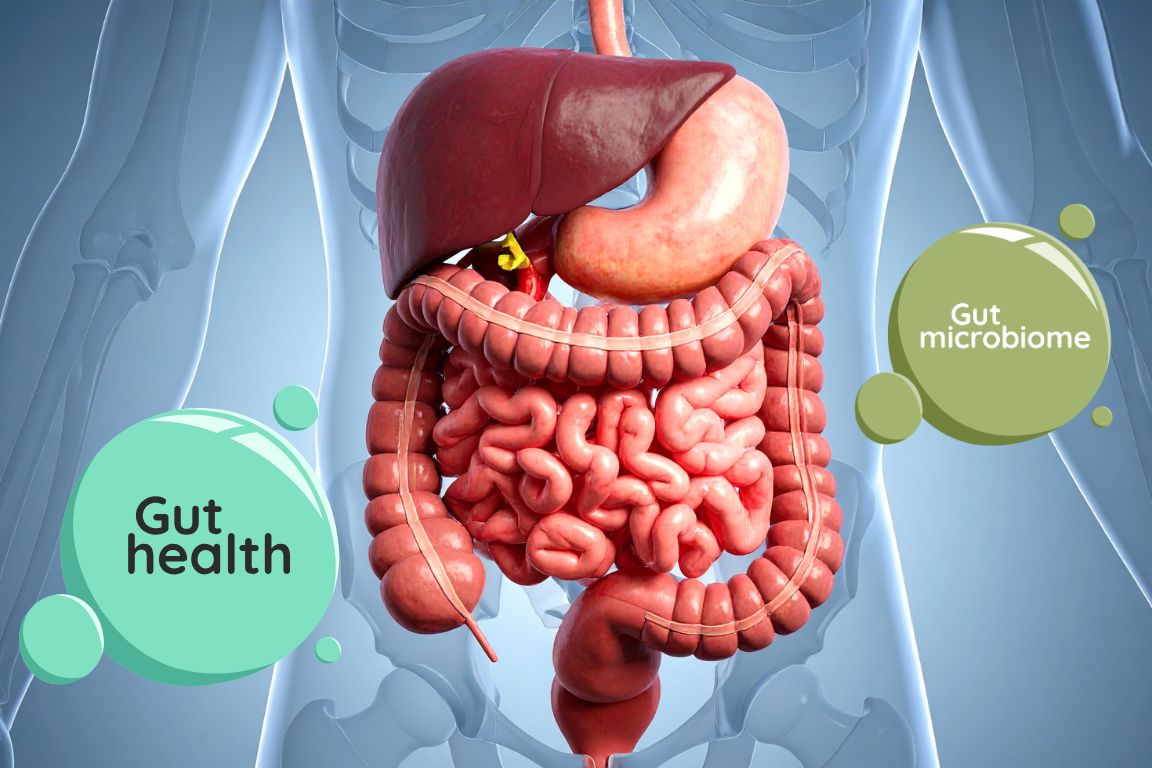
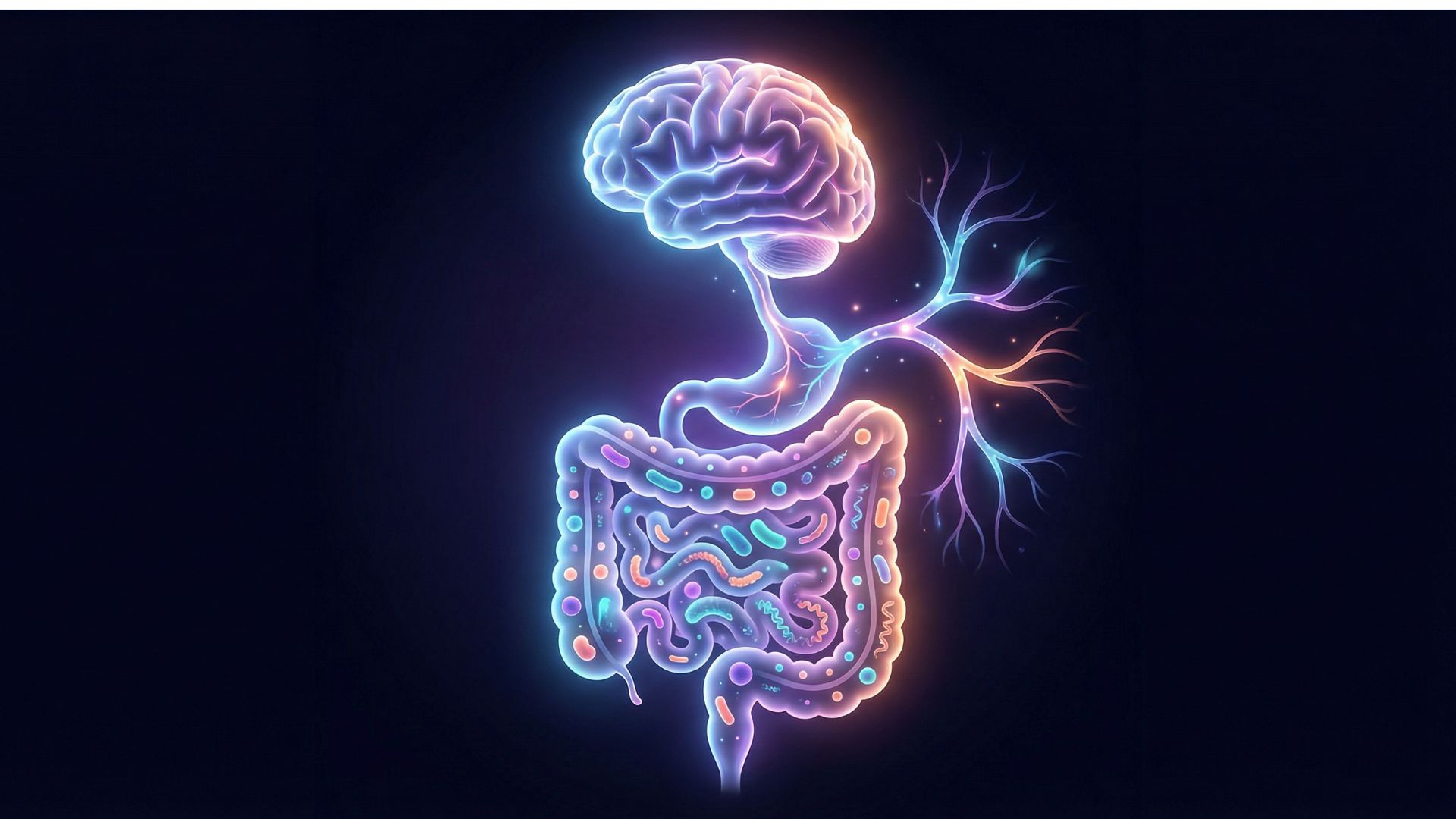
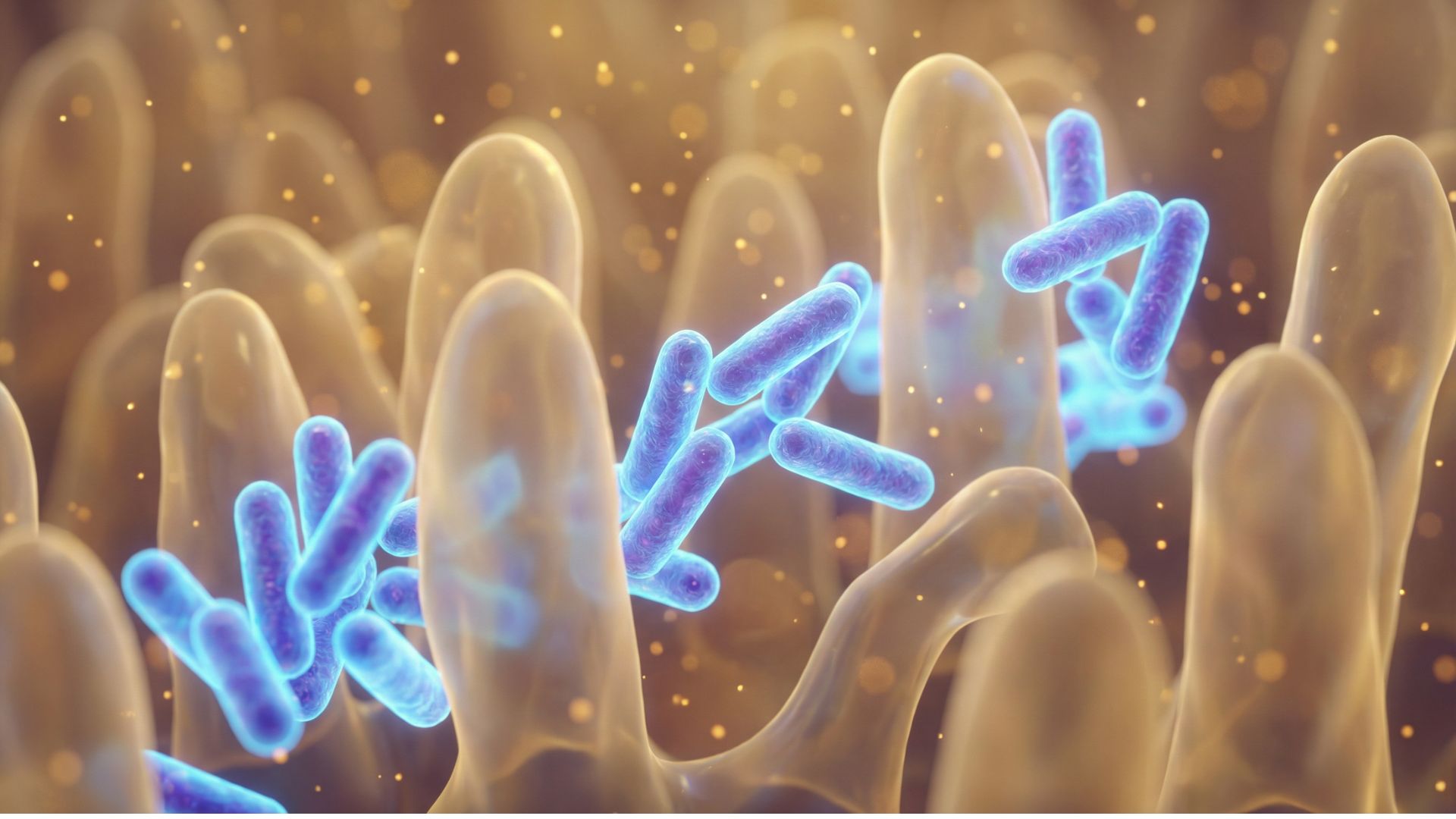
While marketed as healthier alternatives to sugar, artificial sweeteners wage war on your gut bacteria. Your microbiome, essential for everything from digestion to immune function, suffers significant disruption from these synthetic compounds. This damage extends far beyond temporary digestive issues, potentially affecting your entire metabolic health.
Glyphosate: the invisible invader
This herbicide, commonly known as Roundup, appears in foods labeled as “bioengineered ingredients” (the new term for GMO). Classified by the World Health Organization as a probable carcinogen, glyphosate acts as an antibiotic in your gut, decimating beneficial bacteria.
Even products labeled “GMO-free” aren’t necessarily safe. Non-GMO wheat often receives heavy glyphosate treatment during harvest to accelerate drying, sometimes at triple the concentration used on GMO crops.
MSG: the hunger amplifier
Monosodium glutamate does more than enhance flavor; it manipulates your hypothalamus, the brain region controlling appetite. Scientists inject MSG into laboratory animals specifically to induce obesity for research purposes. While defenders claim human effects differ, the mechanism remains concerning.
MSG transforms mediocre food into something seemingly delicious, overriding your body’s natural quality detection systems. Restaurants that eliminate MSG often find their food tastes remarkably flat, revealing how dependent these establishments have become on chemical enhancement.
Phosphoric acid: the calcium thief
Common in sodas, phosphoric acid provides that characteristic tang while acting as a stimulant. However, it mobilizes calcium from your bones, and without adequate vitamin K2, this displaced calcium can accumulate in your arteries rather than returning to bone tissue. Children consuming regular sodas face particular risk, as their developing bodies require stable calcium metabolism.
Potassium bromate: the dough conditioner concern
Used to improve bread texture, potassium bromate is classified as a probable carcinogen. Combined with the added sugars and other additives common in commercial bread products, it contributes to a toxic burden your body struggles to process.
Synthetic flavorings: the brain hijackers
When you see “flavoring” on a label, you’re looking at potentially hundreds of chemicals engineered to confuse and overstimulate your brain. These compounds create intense but brief flavor experiences, ensuring you’ll keep eating to maintain that sensation.
Chronic exposure to these artificial flavors dulls your appreciation for real food. Your taste buds become so accustomed to extreme stimulation that natural foods seem bland by comparison.
Breaking free from the chemical prison
The statistics paint a grim picture: most people consume junk food at least weekly, with many indulging daily. These engineered foods have hijacked our natural eating patterns, creating a population struggling with obesity, diabetes, and chronic disease.
Recovery requires understanding that these cravings aren’t character flaws but the result of deliberate manipulation. As you eliminate these toxic ingredients, your taste preferences will gradually reset. Real foods that once seemed boring will reveal complex, satisfying flavors you couldn’t appreciate while under the influence of chemical enhancement.
Technology can assist in this transition. Smartphone apps now allow instant scanning of products to identify hidden sugars, starches, and seed oils, empowering consumers to make informed choices.
Reclaiming your health
The food industry has weaponized chemistry against consumer health, but knowledge provides defense. Understanding these toxic ingredients and their synergistic effects enables you to make choices that support rather than sabotage your wellbeing.
The journey from processed food addiction to whole food appreciation takes time, but the rewards include improved energy, clearer thinking, better mood stability, and reduced disease risk. Your body possesses remarkable healing capabilities when freed from constant chemical assault.
What’s one processed food you struggle to resist, and knowing what you now know about its ingredients, how might you approach breaking that habit?