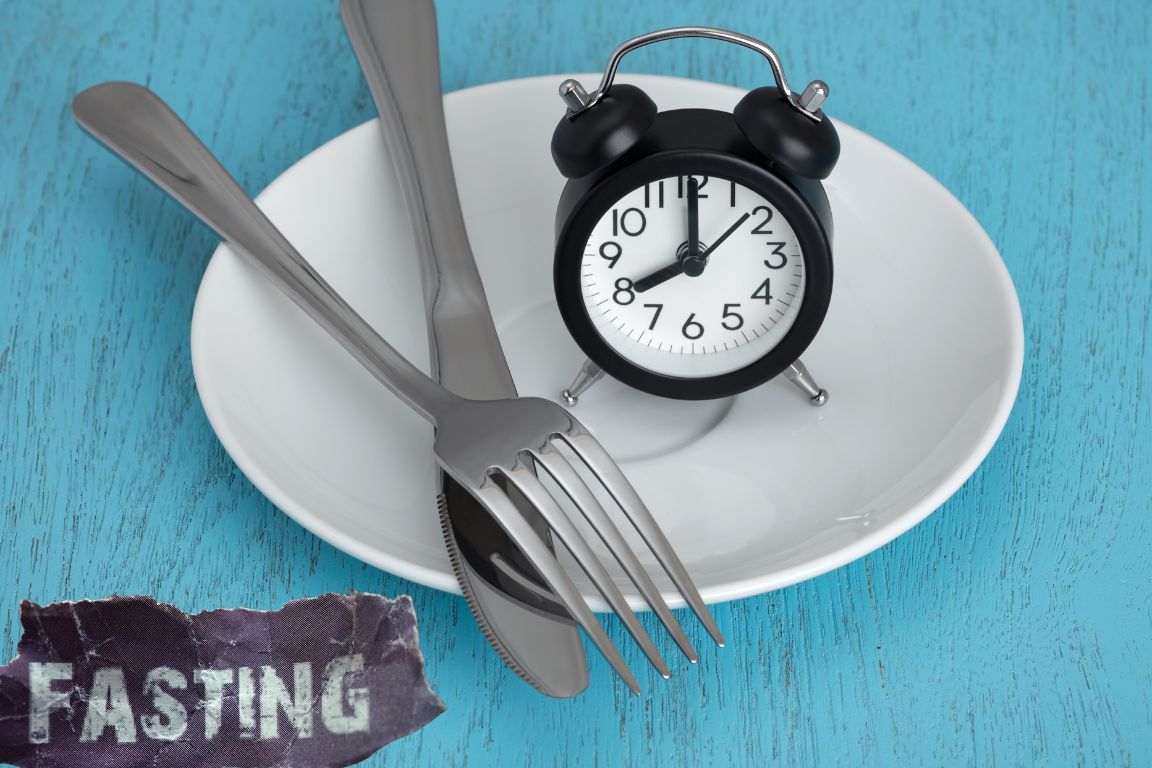








Your ancestors would find it bizarre that you need an alarm to remind you when to stop eating. For most of human history, periods without food were the norm rather than the exception, yet modern society has transformed us into continuous grazers who panic at the first stomach rumble. This constant feeding pattern has created a metabolic disaster that no amount of exercise or calorie counting seems to fix.
Intermittent fasting represents a return to our natural eating patterns, but with a modern twist backed by compelling scientific evidence. Rather than another restrictive diet demanding superhuman willpower, intermittent fasting simply adjusts when you eat, not necessarily what you eat. This fundamental shift in meal timing triggers profound metabolic changes that extend far beyond weight loss.
The research reveals intermittent fasting benefits that sound almost too good to be true. Participants in controlled studies show significant improvements in insulin sensitivity, cardiovascular health, brain function, and cellular regeneration. More remarkably, these benefits often appear within weeks rather than months or years.
The beauty of intermittent fasting lies in its simplicity and flexibility. Whether you choose a gentle 16-hour daily fast or embrace more intensive protocols, the core principle remains the same: give your body regular breaks from digestion to activate its natural healing and repair mechanisms. This guide explores the science, methods, and practical strategies that make intermittent fasting the most powerful health intervention you can implement today.
The science behind intermittent fasting and metabolic health
Every time you eat, your body releases insulin to shuttle nutrients into cells. This process worked perfectly when humans ate sporadically, but modern eating patterns keep insulin elevated almost continuously. After decades of this metabolic assault, cells stop responding properly to insulin signals, creating the condition known as insulin resistance that underlies most chronic diseases.
Intermittent fasting breaks this destructive cycle by allowing insulin levels to drop to baseline for extended periods. Research demonstrates that even short-term fasting improves insulin sensitivity by up to 30 percent, with participants showing improved glucose control within just two weeks of starting a fasting protocol. This rapid improvement occurs because fasting gives cellular insulin receptors time to regenerate and regain sensitivity.
The metabolic switch that occurs during fasting fundamentally changes how your body produces energy. After approximately 12 hours without food, liver glycogen stores deplete, forcing your body to transition from burning glucose to burning fat. This shift produces ketones, molecules that provide cleaner energy than glucose while generating fewer harmful byproducts. Your brain particularly benefits from ketones, showing improved function with less oxidative stress.
Understanding how intermittent fasting addresses insulin resistance reveals why this approach succeeds where traditional diets fail. During the fasted state, a cellular recycling process called autophagy activates, breaking down damaged proteins and dysfunctional organelles. This includes faulty insulin receptors and damaged mitochondria that contribute to metabolic dysfunction. Your cells literally renovate themselves from the inside out, rebuilding with fresh, fully functional components.
The hormonal symphony that accompanies fasting extends beyond just insulin. Growth hormone production increases by up to 500 percent during fasting periods, preserving muscle mass while promoting fat burning. Norepinephrine rises, increasing metabolic rate and mental alertness. These hormonal changes explain why many people report increased energy during fasting rather than the fatigue logic might predict.
Cardiovascular benefits appear remarkably quickly with intermittent fasting. A systematic review of randomized controlled trials found consistent improvements in blood pressure, cholesterol profiles, and inflammatory markers. Participants showed decreased triglycerides, reduced LDL cholesterol, and improved HDL levels, often within eight weeks of starting a fasting protocol.
The liver transformation during fasting deserves special attention. This vital organ bears the brunt of metabolic dysfunction, often accumulating fat that further impairs insulin signaling. Studies show that combining intermittent fasting with carbohydrate restriction can reduce liver fat by 50 percent within just 14 days. As liver health improves, its ability to regulate blood sugar and produce ketones efficiently returns, creating a positive feedback loop of metabolic improvement.
Brain health improvements from intermittent fasting extend beyond the immediate cognitive boost from ketones. Fasting stimulates production of brain-derived neurotrophic factor (BDNF), a protein that promotes the growth of new neurons and protects existing ones. This neuroplasticity enhancement may explain why fasting has shown promise in preventing neurodegenerative diseases and improving mood disorders.
The anti-inflammatory effects of fasting contribute significantly to its health benefits. Markers of systemic inflammation like C-reactive protein and interleukin-6 consistently decrease with regular fasting practice. This inflammation reduction affects everything from joint pain to cardiovascular disease risk, explaining the wide-ranging improvements people experience.
Longevity research adds another compelling dimension to fasting science. Studies across multiple species show that various forms of caloric restriction and fasting extend lifespan while reducing age-related disease. While human longevity studies take decades to complete, biomarkers associated with aging consistently improve with intermittent fasting, suggesting similar benefits for human practitioners.
How to start intermittent fasting: a beginner’s step-by-step guide
The biggest mistake beginners make involves treating intermittent fasting like an extreme sport, jumping straight from six meals a day to extended fasting periods. Your body needs time to remember how to efficiently burn fat for fuel, a skill modern eating patterns have allowed to atrophy. Starting gradually ensures sustainable success rather than another failed attempt at health improvement.
Begin by eliminating snacks between meals, a simple change that delivers surprising benefits. Most snacking stems from habit rather than hunger, and those handful of nuts or afternoon cookies keep insulin elevated unnecessarily. Once you comfortably eat just three meals without snacking urges, you’ve already improved your metabolic health significantly.
The next phase involves skipping breakfast, or more accurately, pushing your first meal later into the day. Despite decades of breakfast propaganda funded by cereal companies, your body functions perfectly well without morning food. In fact, extending your overnight fast maintains elevated growth hormone levels that promote fat burning and muscle preservation. Start by delaying breakfast by 30 minutes each day until you naturally reach a noon first meal.
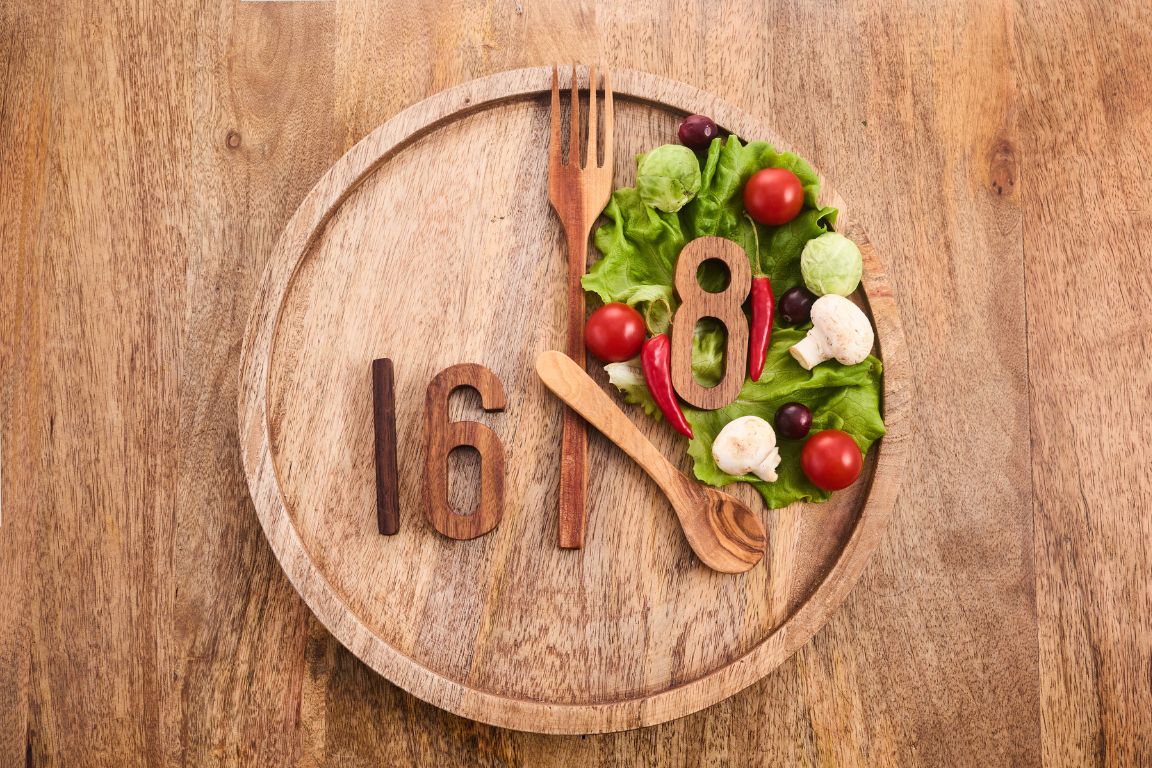
The 16:8 intermittent fasting approach provides the ideal balance between effectiveness and sustainability for most beginners. Eating between noon and 8 PM feels natural once adapted, fitting seamlessly into social and work schedules. This 16-hour daily fast delivers substantial metabolic benefits while remaining psychologically manageable.
Managing hunger during adaptation requires understanding the difference between true hunger and conditioned meal timing. That morning stomach rumbling at your usual breakfast time isn’t starvation but rather a hormonal pattern your body learned through repetition. Cortisol naturally spikes around 8 AM, creating temporary hunger sensations that disappear within 20 to 30 minutes if ignored. Black coffee or green tea helps bridge this gap while providing additional metabolic benefits.
Strategic meal composition makes fasting infinitely easier. Keeping carbohydrates between 20 to 30 grams per meal prevents the blood sugar rollercoaster that triggers next-day hunger. If dinner includes pasta or bread, tomorrow morning’s fast becomes a white-knuckle battle against hunger. Choose proteins, healthy fats, and non-starchy vegetables instead, and morning hunger virtually disappears.
Adding fat to the end of meals extends satiety dramatically. A handful of macadamia nuts, some aged cheese, or half an avocado consumed after your main meal provides hours of additional fullness. This simple trick eliminates evening snacking urges and makes morning fasting effortless. Think of it as time-release satiety that carries you through your fasting window.
Hydration and electrolytes prevent most adaptation symptoms people mistake for hunger. What feels like fatigue or hunger often indicates low sodium, potassium, or magnesium. Adding quality salt to food and supplementing with electrolytes eliminates the headaches, fatigue, and cramping that derail many fasting attempts. Your body releases stored water and minerals during fasting, increasing your need for replacement.
The progression from 16:8 to longer fasting windows should follow comfort rather than calendar. When 16 hours feels easy, experiment with 18:6 by pushing your first meal to 2 PM. Some naturally progress to 20:4 or even one meal a day (OMAD) as metabolic flexibility improves. Others find 16:8 perfectly sustainable long-term. Both approaches work if consistency is maintained.
Exercise timing becomes less critical than consistency once fat-adapted. Initially, training during fasting windows might feel challenging, but within weeks most people report improved endurance and mental clarity when exercising fasted. Avoid pre and post-workout supplements that break your fast. Your body has abundant stored energy and amino acids to support exercise without immediate feeding.
Social situations require flexibility without abandonment of principles. Occasionally adjusting your eating window for special events won’t derail progress if you return to routine immediately afterward. The person who maintains 16:8 for months with occasional variations succeeds better than the perfectionist who quits after one deviation.
Common pitfalls include hidden calories in beverages, inadequate protein during eating windows, and insufficient vegetable intake. That splash of milk in coffee contains enough calories to trigger insulin response. Eating adequate protein prevents muscle loss and maintains satiety. Vegetables provide essential minerals and fiber that support the fasting process. Address these fundamentals before considering more advanced protocols.
Intermittent fasting methods and protocols for different goals
Not all fasting protocols serve the same purpose, yet most people choose their approach based on what sounds manageable rather than what aligns with their goals. Understanding how different fasting patterns trigger specific biological responses allows you to strategically select and customize protocols for optimal results. The difference between moderate success and dramatic transformation often lies in matching method to objective.
The time-restricted feeding spectrum offers options from gentle 12-hour overnight fasts to the intensity of OMAD. Each increment in fasting duration amplifies certain benefits while potentially introducing new challenges. The 14:10 pattern works well for hormonal balance, particularly in women who experience disruption with longer fasts. Moving to 16:8 significantly increases fat burning and autophagy activation without overwhelming most people’s adaptation capacity.
The 18:6 protocol marks a metabolic turning point where ketone production becomes substantial and sustained. This pattern suits those seeking enhanced cognitive function alongside steady weight loss. The brain thrives on the consistent ketone supply, explaining why many 18:6 practitioners report exceptional mental clarity and focus. The six-hour eating window still allows for two satisfying meals, maintaining social flexibility.
Exploring OMAD and various fasting methods reveals that single-meal protocols deliver the most dramatic metabolic benefits for those who adapt successfully. The extended 23-hour fast maximizes autophagy, growth hormone production, and cellular renewal daily. Weight loss often accelerates dramatically with OMAD, particularly for breaking through stubborn plateaus. However, the intensity can trigger stress responses in some individuals, making gradual progression essential.
Extended fasting beyond 24 hours enters different biological territory entirely. At 48 hours, autophagy reaches peak activation, aggressively recycling damaged cellular components. Growth hormone surges to preserve muscle mass while mobilizing fat stores. By 72 hours, the immune system begins generating new cells from stem cells, essentially rebooting immune function. These longer fasts offer profound healing benefits but require medical supervision for many individuals.
Weight loss goals respond best to consistent daily protocols that maintain steady fat oxidation. The 16:8 or 18:6 patterns provide sustainable fat loss while preserving metabolic rate. Adding two weekly OMAD days can accelerate results without the daily intensity. This hybrid approach prevents metabolic adaptation while maintaining lifestyle flexibility. Successful fat loss requires patience, as the body releases fat stores in unpredictable patterns rather than linear progression.
Athletic performance goals demand careful protocol selection and timing. Many athletes thrive on 16:8, training at the end of their fasting window when growth hormone peaks. Endurance athletes often report improved fat oxidation and sustained energy once adapted. Strength athletes might modify protocols around training days, extending fasting on rest days while ensuring adequate protein timing for recovery.
Cognitive enhancement seekers should prioritize consistent ketone production over maximum fasting duration. The 18:6 or 20:4 patterns maintain steady brain fuel without the potential stress of OMAD. Adding MCT oil during fasting windows provides immediate ketone availability, though purists argue this technically breaks the fast. For knowledge workers and creatives, the mental clarity benefits often outweigh strict fasting adherence.
Longevity and disease prevention goals benefit from periodic variation in fasting protocols. Alternating between daily time-restricted feeding and quarterly extended fasts provides diverse cellular stressors that enhance resilience. This approach mimics ancestral eating patterns where food availability naturally varied. Research suggests this metabolic flexibility, rather than rigid protocol adherence, delivers optimal healthspan extension.
Women often require modified approaches due to hormonal considerations. Many thrive with 14:10 or crescendo fasting, where they fast completely just three days weekly. Others succeed with daily 16:8 but need to increase carbohydrates during certain menstrual phases. Listening to body signals rather than forcing aggressive protocols prevents the hormonal disruption that causes many women to abandon fasting prematurely.
Customization based on lifestyle factors often determines long-term success more than theoretical optimization. The busy executive might find OMAD liberating, eliminating food decisions during packed workdays. Parents preparing family meals might prefer 16:8, participating in dinner while skipping breakfast. Shift workers need flexible protocols that adapt to changing schedules without losing benefits.
Combining protocols strategically amplifies results beyond single-method approaches. Someone might maintain 16:8 as baseline practice, incorporate OMAD on busy weekdays, and attempt quarterly 48-hour fasts for cellular renewal. This layered strategy provides multiple benefits while preventing the monotony that leads to abandonment. The key lies in viewing fasting as a flexible tool rather than rigid dogma.
What to eat and drink during intermittent fasting
The most perfectly timed fasting schedule falls apart when your eating window becomes a free-for-all of processed foods and sugar bombs. What you consume during feeding windows determines whether tomorrow’s fast feels effortless or torturous. The quality and composition of your meals create the metabolic environment that either supports or sabotages your fasting practice.
Nutrient density becomes paramount when eating windows compress. Your body requires the same essential vitamins, minerals, and macronutrients whether you eat six times or once daily. Every bite must deliver maximum nutrition rather than empty calories. This reality immediately eliminates most processed foods, which offer little beyond refined carbohydrates and inflammatory oils that spike insulin and trigger next-day hunger.
The strategic sequencing of foods within meals dramatically impacts satiety and blood sugar response. Beginning each meal with fiber-rich vegetables or salad creates a physical barrier that slows glucose absorption from subsequent foods. This simple change can reduce blood sugar spikes by 30 percent while increasing meal satisfaction. Follow vegetables with protein and healthy fats, saving any carbohydrates for last when appetite naturally diminishes.
Developing an effective intermittent fasting meal plan requires understanding how different foods affect fasting success. Protein provides essential amino acids while triggering moderate insulin response, making adequate but not excessive intake crucial. Aim for 0.7 to 1 gram per pound of ideal body weight, distributed across your eating window. Quality matters, with grass-fed meats, wild-caught fish, and pasture-raised eggs providing superior nutrient profiles.
Vegetables deserve special emphasis for fasting success. Seven to ten cups daily sounds excessive until you realize a large salad provides five cups easily. These nutrient powerhouses deliver potassium and magnesium that prevent the cramping and fatigue many experience during adaptation. The fiber feeds beneficial gut bacteria that produce short-chain fatty acids, actually improving insulin sensitivity. Without adequate vegetables, fasting becomes unnecessarily difficult.
Fat consumption timing significantly impacts satiety duration. Adding healthy fats like avocado, nuts, or aged cheese at meal endings extends fullness for hours beyond what the same fats provide when eaten first. This fat-last strategy proves especially valuable for dinner, eliminating evening cravings and making morning fasting effortless. Think of it as time-release satiety that bridges your fasting window.
Beverage choices during fasting windows can make or break your results. Black coffee, plain tea, and water are the only acceptable options during fasting. That innocent splash of cream contains enough calories to trigger insulin response, diminishing fasting benefits. Green tea particularly excels during fasting, providing compounds that enhance fat burning while reducing hunger. Adding a pinch of quality salt to water prevents electrolyte depletion that masquerades as hunger.
During eating windows, strategic beverage choices amplify benefits. Apple cider vinegar in water, consumed before meals, improves insulin sensitivity and reduces overall glycemic response. One tablespoon in eight ounces of water provides measurable metabolic improvements. Adding fresh lemon juice provides citric acid that helps prevent kidney stones while supporting the increased mineral turnover during fasting.
Carbohydrate management separates successful fasters from those who struggle perpetually. Keeping carbohydrates between 20 to 30 grams per meal prevents the blood sugar volatility that triggers premature hunger. Choose nutrient-dense options like berries, sweet potatoes, or quinoa rather than refined grains that offer nothing beyond glucose. Many find their carbohydrate tolerance improves over months of consistent fasting, but starting conservatively ensures comfortable adaptation.
Supplementation fills gaps that whole foods might miss during compressed eating windows. Electrolytes become crucial, as fasting increases mineral excretion through increased urination. Sodium, potassium, and magnesium supplementation prevents the headaches, fatigue, and muscle cramps that derail many fasting attempts. Nutritional yeast provides B vitamins in natural ratios that support energy production during metabolic adaptation.
Meal preparation strategies determine long-term adherence. Batch cooking proteins and vegetables on weekends simplifies weekday eating windows. Preparing large salads in advance, storing them properly without dressing, ensures vegetables remain convenient. Having quality fats portioned and ready prevents the temptation of processed snacks when breaking fasts. Success comes from making healthy choices the easiest choices.
Breaking fasts requires special consideration, particularly after extended periods. Starting with small portions of easily digestible foods prevents the digestive distress that aggressive refeeding causes. Bone broth, cooked vegetables, or a small serving of eggs work better than immediately attacking a large steak. Graduate to normal portions over 30 to 60 minutes, allowing your digestive system to activate gradually.
Conclusion
Intermittent fasting represents far more than another dietary trend destined for obsolescence. The scientific evidence reveals a fundamental metabolic intervention that addresses the root causes of modern chronic disease rather than merely managing symptoms. From reversing insulin resistance to activating cellular renewal processes, the benefits extend into every aspect of human health and longevity.
The journey from constant grazer to metabolic flexibility requires patience and strategic planning, but the rewards justify the effort. Your body possesses remarkable healing capabilities that activate when given regular breaks from digestion. Whether you choose the gentle sustainability of 16:8, the intensity of OMAD, or strategic combinations of various protocols, consistency matters more than perfection.
Success with intermittent fasting hinges on three critical factors: choosing appropriate protocols for your goals and lifestyle, timing your fasting windows to work with your natural rhythms, and fueling your body with nutrient-dense foods during eating windows. Master these fundamentals, and what initially feels like restriction transforms into liberation from food obsession and metabolic dysfunction.
The metabolic improvements typically begin within weeks, but the full spectrum of benefits unfolds over months and years of consistent practice. Improved insulin sensitivity leads to effortless weight management. Enhanced autophagy supports cellular renewal and disease resistance. Optimized hormone production preserves youth and vitality. These cascading benefits explain why so many practitioners describe intermittent fasting as life-changing rather than merely helpful.
Starting your intermittent fasting journey doesn’t require perfection or extreme measures. Begin with the foundational 16:8 protocol for beginners and gradually adapt based on your response and goals. Listen to your body, adjust as needed, and remember that the best fasting protocol is the one you can maintain consistently for years, not days.
The path to metabolic health through intermittent fasting is now clear, supported by robust science and practical strategies. The only question remaining is when you’ll take the first step toward reclaiming control over your health and hunger.
What aspect of your current eating pattern would be easiest to change first, and what’s really stopping you from making that change today?