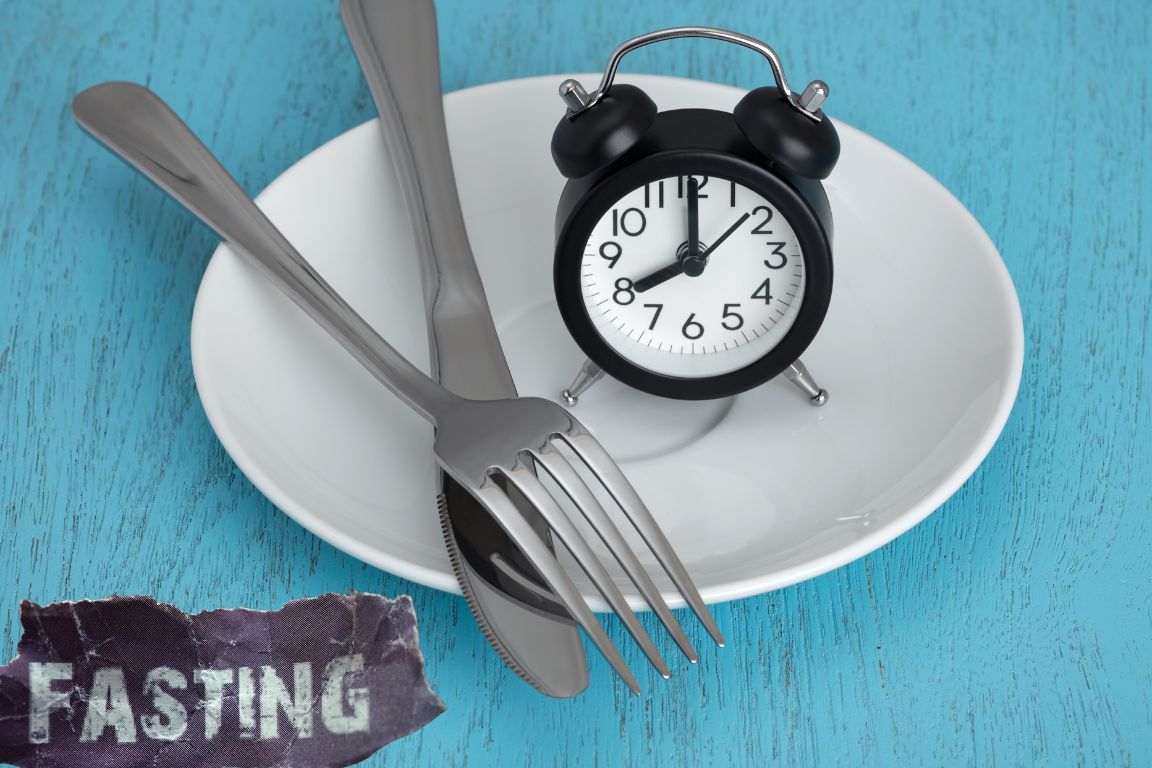








Eating just one meal a day sounds like either the ultimate life hack or complete insanity, depending on who you ask. Yet thousands of people swear by OMAD, reporting energy levels that would make a teenager jealous and weight loss that finally budged after years of stagnation. But before you jump from three squares a day to this extreme approach, understanding how different fasting protocols serve different goals could save you months of unnecessary struggle.
The fasting spectrum explained
Intermittent fasting exists on a spectrum, from the gentle 12-hour overnight fast to extended multi-day water fasts that push the boundaries of human metabolism. Each protocol triggers specific biological responses, making certain approaches better suited for weight loss while others excel at longevity or cognitive enhancement.
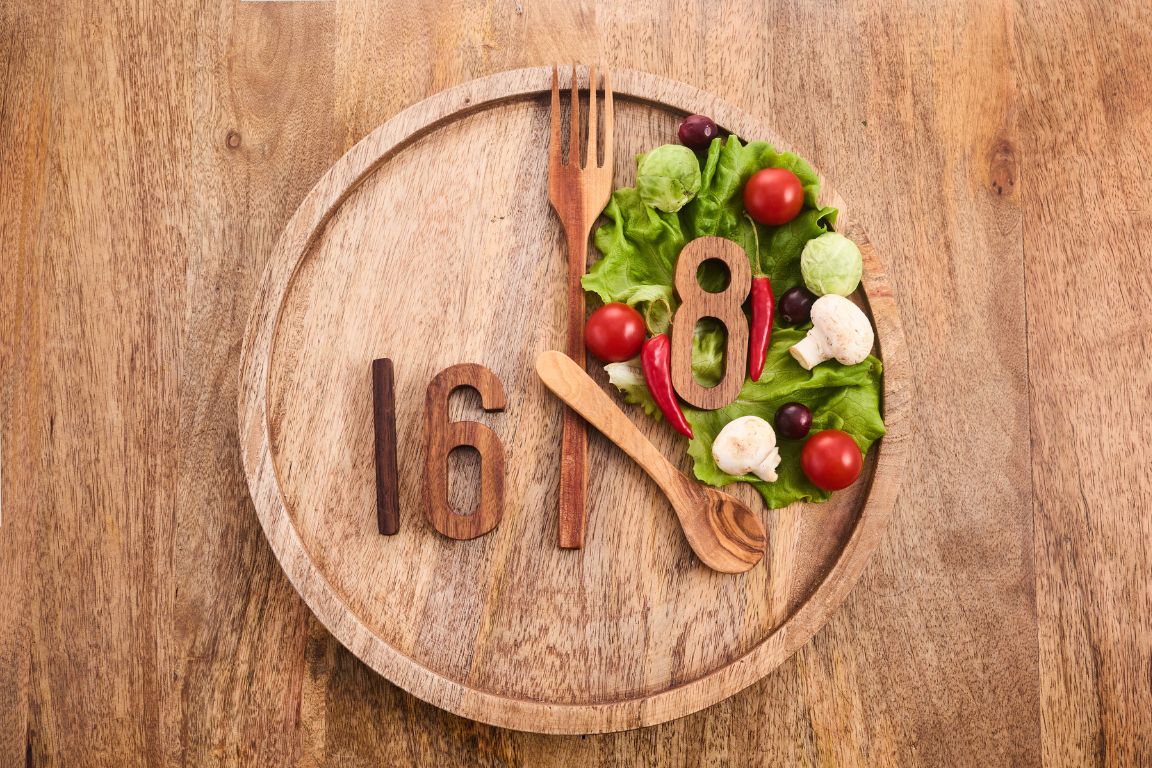
The 16:8 method serves as the entry point for most people, offering metabolic benefits without dramatic lifestyle disruption. Moving to 18:6 increases fat burning and autophagy activation. The 20:4 pattern, sometimes called the Warrior Diet, compresses eating into just four hours, intensifying metabolic switching. OMAD represents the daily fasting extreme, with roughly 23 hours of fasting and one hour of eating.
Extended fasts beyond 24 hours enter different metabolic territory entirely. At 48 hours, growth hormone peaks and autophagy reaches maximum activation. By 72 hours, stem cell regeneration begins, and the immune system essentially reboots itself. These longer fasts offer profound healing benefits but require careful planning and medical consideration for many people.
OMAD: the metabolic powerhouse
OMAD practitioners often report breakthrough results after plateauing on less intensive protocols. The extended 23-hour fast pushes the body deep into fat-burning mode daily, maintaining elevated ketone levels that fuel the brain with remarkable efficiency. This consistent metabolic state eliminates the energy rollercoaster that plagues frequent eaters.
Research on OMAD specifically remains limited, but studies on similar eating patterns show impressive outcomes. Participants eating within a four-hour window demonstrate significant improvements in body composition, insulin sensitivity, and inflammatory markers compared to conventional meal timing. The key difference with true OMAD lies in the complete consolidation of daily nutrition into a single feeding event.
The psychological benefits often surprise new practitioners. Decision fatigue around food disappears when you only eat once. Meal planning becomes simple. Food obsession, paradoxically, decreases when eating becomes a scheduled event rather than an all-day consideration. Many report feeling liberated from the tyranny of constant meal preparation and cleanup.
Weight loss: choosing your weapon
For pure weight loss, the relationship between fasting duration and results isn’t perfectly linear. The 16:8 approach typically produces steady, sustainable weight loss of one to two pounds weekly for those with significant weight to lose. This moderate pace allows for lifestyle integration without the stress of extreme restriction.
The 18:6 and 20:4 patterns accelerate fat loss by extending the daily fat-burning window while still allowing for adequate nutrition. These protocols work particularly well for people who’ve adapted to 16:8 but want faster results without committing to OMAD’s intensity. The flexibility of having two meals, even if closely spaced, provides social and practical advantages.
OMAD shines for breaking through stubborn plateaus and achieving rapid body recomposition. The extended fasting period maximizes fat oxidation while the single meal window naturally limits caloric intake without conscious restriction. However, the intensity can trigger stress responses in some people, particularly women, potentially disrupting hormones and sleep if pushed too aggressively.
Longevity and cellular renewal goals
When cellular renewal and longevity take priority over weight loss, the fasting strategy shifts. While daily OMAD provides consistent autophagy activation, research suggests that periodic extended fasts might offer superior anti-aging benefits. The cellular stress of longer fasts triggers more robust adaptive responses, strengthening cellular resilience.
A practical longevity protocol might combine daily 16:8 or 18:6 eating with monthly 48 to 72-hour fasts. This approach maintains metabolic flexibility through daily practice while periodically pushing the cellular renewal processes to maximum activation. The recovery periods between extended fasts allow for proper refeeding and integration of the cellular improvements.
The immune system regeneration that occurs during extended fasts particularly interests longevity researchers. After 72 hours of fasting, the body begins producing new immune cells from stem cells, essentially refreshing the immune system. This process might explain why many traditional cultures incorporated periodic fasting into religious and healing practices.
Cognitive enhancement strategies
Brain health optimization requires a different fasting approach than pure weight loss. The brain thrives on ketones, which provide more efficient fuel than glucose while producing fewer oxidative byproducts. Maintaining steady ketone production becomes the priority for cognitive enhancement.
The 18:6 or 20:4 patterns often work best for cognitive goals, providing sufficient daily ketone elevation without the potential stress of OMAD. Adding MCT oil to morning coffee can boost ketone levels during the fasting window, though purists argue this technically breaks the fast. The cognitive benefits typically outweigh this technical violation for those prioritizing mental performance.
OMAD can produce exceptional mental clarity once adapted, but the adaptation period often involves brain fog and irritability that can impact work performance. Starting with less intensive protocols and gradually progressing allows the brain to adapt to using ketones without the jarring transition that jumping straight to OMAD creates.
Matching protocols to lifestyles
Your optimal fasting protocol depends as much on your lifestyle as your health goals. Parents preparing family meals might find OMAD impractical, while single professionals might thrive on its simplicity. Shift workers need flexible protocols that accommodate changing schedules. Athletes require careful timing to support training and recovery.
Social considerations matter more than most fasting advocates acknowledge. The person who loves leisurely weekend brunches with friends might maintain better long-term adherence with 16:8 than struggling through social isolation with OMAD. The best protocol is the one you can maintain consistently, not the theoretically optimal one you abandon after two weeks.
Women often require modified approaches due to hormonal considerations. Many women thrive on 14:10 or 16:8 but experience disrupted sleep, mood changes, or menstrual irregularities with longer fasts. Starting conservatively and monitoring body responses prevents the hormonal disruption that aggressive fasting can trigger.
Customizing your approach
Most successful long-term fasters don’t stick rigidly to one protocol. They develop a flexible framework that adapts to life circumstances while maintaining metabolic benefits. This might mean 16:8 during the workweek, OMAD on busy days when meal prep feels overwhelming, and relaxed eating during vacations or celebrations.
Seasonal variations make sense from both practical and evolutionary perspectives. Longer fasts during spring might align with historical food scarcity patterns, while slightly relaxed protocols during winter holidays acknowledge cultural traditions. This flexibility prevents the all-or-nothing mentality that derails many health interventions.
Combining protocols strategically amplifies benefits. Someone might follow 16:8 as their baseline, incorporate OMAD twice weekly for accelerated fat loss, and add a quarterly 48-hour fast for cellular renewal. This layered approach provides multiple benefits without the monotony or stress of rigid adherence to a single protocol.
Conclusion
The spectrum of intermittent fasting protocols offers solutions for virtually any health goal or lifestyle constraint. While OMAD delivers dramatic results for those who adapt well to its intensity, less extreme protocols like 16:8 or 18:6 often provide better long-term sustainability. The key lies in matching your protocol to your specific goals, whether that’s breaking through a weight loss plateau, optimizing cognitive function, or pursuing cellular renewal for longevity.
Ready to fuel your chosen fasting protocol properly? Explore the complete intermittent fasting meal plan guide to maximize your results with strategic nutrition.
Which fasting protocol aligns best with your current lifestyle, and what would need to change for you to attempt a more intensive approach?