


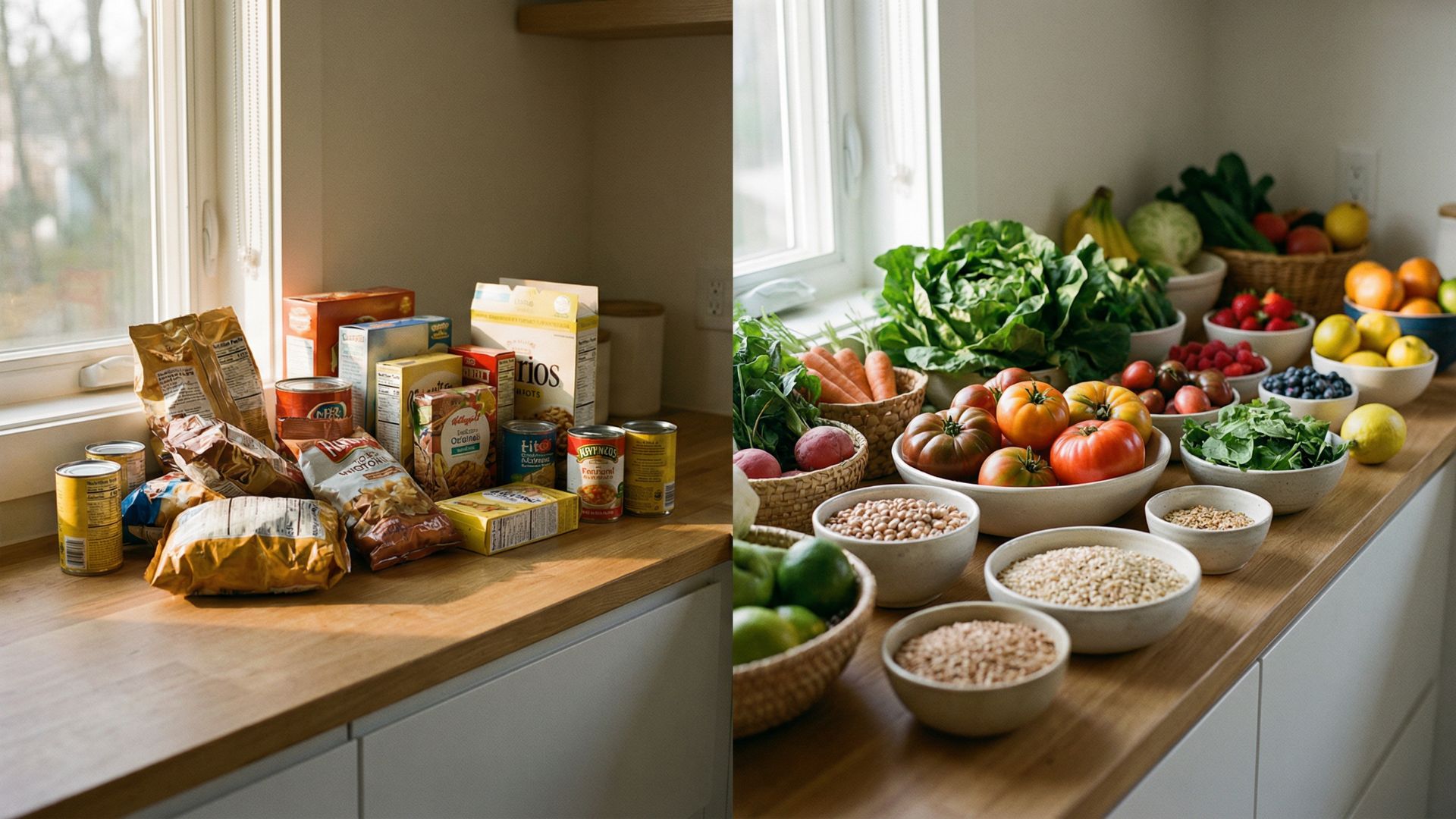



Most people want steady health without turning meals into math. Nutrition basics offer that steadiness. Food gives energy and raw materials. Your body spends that energy to keep you alive and moving. Quality foods make this process feel easier and more predictable. Culture, budget, time, and taste matter. A good plan respects all four.
Think of meals as tools. Some foods fuel hard days. Some foods help you recover. Others bring comfort and connection. You do not need a perfect diet. You need a simple pattern you can repeat on busy weeks. That pattern is a balanced plate, a bit of movement, and a few smart checks on labels. Add sleep and stress basics, and the plan holds.
The point is not control. The point is confidence. Eat foods you enjoy. Build meals that satisfy. Use small, steady changes. Your body will respond. This guide walks through the core ideas, the habits that make them stick, and the choices that give the best return. Keep the tone calm. Keep the steps small. Results follow.
I- What is nutrition? Core concepts, energy balance, and dietary patterns
Nutrition is the study of how food supports the body and mind. It asks what you eat, how the body uses it, and how that process shapes health over time. A simple frame helps. You take in energy through food. You spend energy to stay alive, digest meals, move, and think. When intake matches spending, weight is steady. When intake is lower than spending for long enough, weight trends down. When intake is higher, weight trends up. Quality still matters, because nutrients do far more than supply calories.
Energy out has four parts. Resting energy keeps your heart, lungs, and brain running. Non-exercise activity includes steps, chores, and fidgeting. Exercise adds planned training and sports. The thermic effect of food is the modest cost of digestion. Many people overrate exercise calories and underrate quiet movement. A 30-minute run matters. So do stairs, a walk after dinner, and standing breaks during calls.
Energy in is more than a number. Two meals with the same calories can feel very different. A bowl with beans, vegetables, olive oil, and rice digests slower than a pastry with the same calories. The first steadies hunger and mood. The second may lead to a crash and a snack hunt. That is not moral. It is physiology. Fiber, protein, and water content change how full you feel per bite.
Nutrient density helps. Picture two scales for every food. One for nutrients per bite. One for calories per bite. Better daily choices score high on nutrients and moderate on calories. You can build those meals from many cuisines. Vegetables, fruit, legumes, whole grains, seafood, eggs, yogurt, nuts, seeds, and quality oils appear in most long-lived food cultures. No single food is magic. Patterns are what matter.
Macronutrients carry the load. Protein builds and repairs. Carbs fuel effort and support recovery. Fats carry flavor and support hormones and brain health. You need all three. The exact mix shifts with goals and taste. Some people feel better with more carbs around training. Some feel better with a bit more fat and slower carbs. As long as protein is steady and fiber is present, both patterns can work.
Energy balance sounds rigid. Real life is not. Your body adapts when intake drops for long periods. Hunger hormones shift. You fidget less without noticing. That is not failure. It is how humans survive lean seasons. If progress slows, nudge small levers. Add a walk. Eat protein in each meal. Place vegetables and whole grains on the plate. Check liquid calories. Keep the deficit modest. Big cuts backfire.
A simple plate guide turns ideas into meals. Fill half your plate with vegetables or fruit. Add a quarter protein. Add a quarter smart carbs. Drizzle healthy fat. This template fits a home kitchen and a busy street stall. It works with couscous, tajine, dal, pho, tacos al pastor, and roast dinners. Keep the pattern. Swap ingredients you enjoy and can afford.
Portions do not need scales. Use hand cues. A palm is a typical protein portion. A fist is roughly a cup. A cupped hand is a serving of carbs. A thumb equals a tablespoon of oil or sauce. Eat slowly. Pause before seconds. If still hungry, add vegetables or a bit more protein first. If you want dessert, serve it on a plate and enjoy it without noise in your head.
Label skills prevent surprises. Check serving size. Double numbers if you eat two servings. For daily staples, prefer lower added sugars and moderate sodium. Aim for useful fiber and protein. Ingredient lists are in order by weight. A whole-grain bread should list a whole grain first. Peanut butter should be peanuts and maybe salt. Health halos are common. Read the panel, not the promise.
Culture belongs on your table. Traditional foods fit within nutrition basics. Adjust portions. Add a salad or cooked greens. Use olive oil or canola oil when you can. Keep seafood in rotation when possible. Frozen vegetables and fruit are fine. Canned beans are fine. Dried beans are cheap and soft in a slow cooker. Simple tools beat fancy products. A good pan and a sharp knife go far.
If you want weight change, keep the target small. For gentle loss, aim for a daily gap of roughly 300–500 calories below maintenance. For muscle gain, add 200–300 calories above maintenance and lift two to four times per week. Watch trends, not single days. Photos and strength logs tell the truth better than a single weigh-in.
Sleep and stress shape food choices. Poor sleep raises hunger and cravings. Stress pushes some people to graze and others to skip meals, then overeat at night. Use a regular sleep window. Plan comfort foods on purpose. Take short walks. Practice a few slow breaths when you feel keyed up. These basics support better choices without harsh rules.
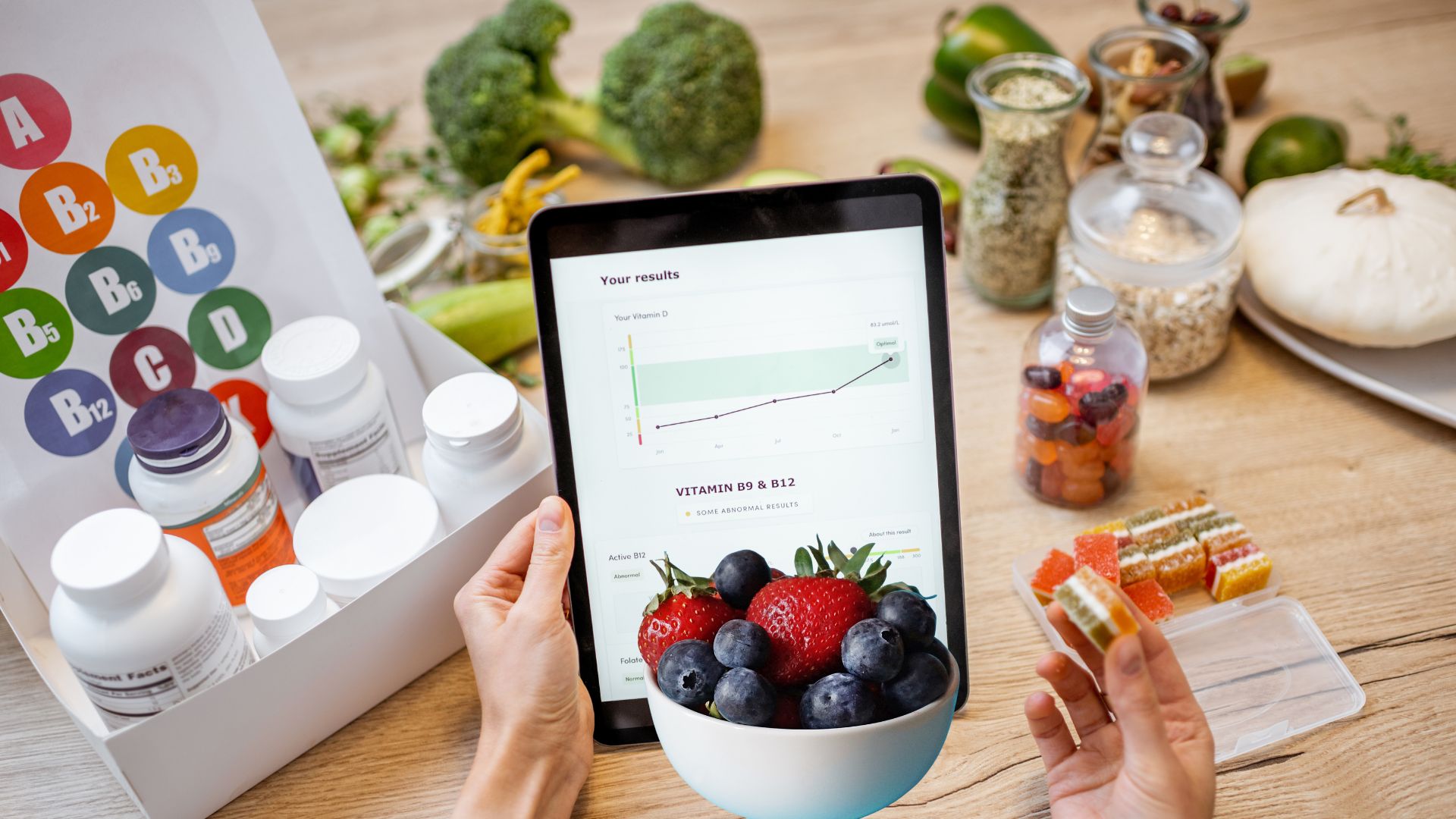
When should you seek help. If you have long-lasting digestive pain, blood in stool, major fatigue, dizzy spells, or rapid hair loss, see a clinician. Pregnancy, breastfeeding, and some medications change needs. Testing turns guesswork into a plan. A dietitian can tailor fiber and fermentable carbs. A clinician can guide iron, vitamin D, or B12 dosing.
You can read a deeper primer on definitions and energy balance in the focused guide to what is nutrition. It expands on these concepts with simple visuals and a short starter plan.
Key takeaways for daily life. Build balanced plates. Keep protein and fiber steady. Move more than you think you do. Use a short label scan. Sleep on a regular schedule. Let culture and budget guide your menu. Small routines beat grand plans you cannot keep. When you hold this pattern for weeks, the body responds.
II- Macronutrients 101: how much carbs, protein, and fat you need
Macronutrients are the big three. Protein. Carbs. Fat. They power movement and repair. They also shape hunger and mood. Get them roughly right and nutrition basics feel less like work.
Protein is the most reliable anchor. It builds and repairs tissue. It supports skin, hair, nails, enzymes, and immune function. It steadies hunger. A simple target for most adults is 1.6 to 2.2 grams per kilogram of body weight per day. Or 0.7 to 1.0 grams per pound. Spread that over three or four meals. Aim for 25 to 40 grams each time. Older adults and people in a deficit often benefit from the upper end. Distribute it through the day rather than loading it at night.
Food ideas that hit those numbers with little fuss. Greek yogurt with oats and fruit. Eggs with beans and tortillas. Tofu or tempeh with rice and vegetables. Fish with potatoes and a salad. Chicken with chickpeas and couscous. Lentil soup with whole grain bread and olive oil. Use what your culture offers and what your budget allows.
Carbohydrates are your flexible fuel. They support training and recovery. They also bring fiber when you choose whole sources. Favor beans, lentils, oats, potatoes with skin, whole grains, and whole fruit. Refined choices can still fit. Place them on purpose and surround them with protein or fat to slow digestion. Carbs do not need to vanish for fat loss. Many people train and feel better with a solid carb base.
Fats carry flavor. They help with hormone production and vitamin absorption. They are calorie dense, so portions matter during a cut. Focus on olive oil, nuts, seeds, avocado, and fish. Keep saturated fat moderate. Use butter or ghee for taste, not as the main fat in every meal. Fry less often. Roast, grill, sauté, or stew instead.
Now the mix. Start with a balanced pattern. About 30 percent of calories from protein. About 35 to 40 percent from carbs. About 25 to 30 percent from fat. This is a starting line, not a rule. If you train hard or play a field sport, push carbs up and drop fat a bit. If you feel calmer and more satisfied with fewer carbs, swap some carb calories for fats while keeping fiber high. Watch your own signals. Energy during the day. Hunger between meals. Performance in training. Sleep and mood. Adjust in small steps and hold a change for two weeks before judging.
A simple plate helps you hit targets without tracking. Half vegetables or fruit. A quarter protein. A quarter fiber rich carbs. Add a drizzle of healthy fat. Grow the carb quarter on heavy training days. On rest days keep protein steady and add more produce. This keeps macros in range with less effort.
If you want to track for a short window, do it for seven to ten days. Learn your real intake. Many people pour more oil than they think or snack more often than they notice. Use the lesson, then return to your plate guide. Counting forever is not required.
Special cases deserve a nod. Vegetarians and vegans can hit protein, but it takes intention. Combine legumes, soy foods, seitan, grains, and nuts. Consider B12 from fortified foods or a supplement. Older adults benefit from higher protein and two or three short strength sessions per week. Heavy trainers need more carbs around sessions. People with medical conditions should work with a clinician or dietitian for tailored ranges.
Quality still matters inside the macro frame. Two meals with the same macro numbers can feel different. A bowl built on beans, greens, grains, and olive oil carries fiber and minerals. A pastry with the same calories does not. The first keeps you steady. The second may push you toward a mid afternoon crash. That difference shows up in appetite and the urge to snack. Use the foods that keep you level on busy days.
A few common mistakes. Too little protein. No plan for snacks. All or nothing on carbs. Weekend whiplash that erases the weekday deficit. The fixes are plain. Put protein in every meal. Pair snacks with fiber. Keep a similar meal rhythm on weekends. Adjust portions rather than flipping the script.
You can set your numbers once and then focus on food. Make one default breakfast and one default lunch that already meet your protein target. Rotate dinners by cuisine to keep taste fatigue low. Keep a backup plan for tight nights. Eggs and toast with a salad. Tofu stir fry with frozen vegetables. Canned fish with potatoes and yogurt sauce. Default meals keep you out of the delivery app when you are tired.
When you want a step by step setup with ranges and a sample day, the focused macros for beginners guide lays out proportions, food lists, and an easy menu you can test this week.
III- Micronutrients that matter: vitamins, minerals, and how to cover your bases
Nutrition basics are not only about protein, carbs, and fat. Micronutrients run the small switches that keep the whole system working. They support immunity, nerves, blood, bones, and mood. You feel it when they are low. Energy dips. Recovery drags. Cravings spike. The good news is that a steady pattern of simple foods closes most gaps.
Start with a food first plan. Build meals that include vegetables or fruit, a protein anchor, and a whole grain or legume. Rotate colors and plant families through the week. Use seafood, eggs, tofu, tempeh, yogurt, and beans. Add nuts and seeds. Keep fortified options in the mix when they make life easier. Then add supplements only to fill a confirmed gap.
The usual suspects and what to eat
Iron
Moves oxygen and supports focus.
Signals when low can include fatigue, pale skin, shortness of breath.
Foods to lean on
- Clams, mussels, beef, lamb, liver
- Lentils, beans, tofu, spinach, pumpkin seeds
- Pair plant sources with citrus or peppers to boost absorption
- Keep tea and coffee away from iron rich meals
Vitamin D
Supports bones and immune function.
Low levels are common with little sun.
Foods
- Salmon, sardines, egg yolks
- Fortified milk or plant milks
Many people still need a supplement after a blood test confirms a low level.
Vitamin B12
Protects nerves and helps make blood.
Low intake shows up as fatigue, tingling, poor balance.
Foods
- Fish, eggs, dairy, meat
- Fortified plant milks and cereals
Vegan diets need a reliable B12 source from fortified foods or a supplement.
Folate
Needed for cell growth and pregnancy.
Foods
- Lentils, beans, leafy greens, asparagus, citrus, fortified grains
Iodine
Drives thyroid hormones that set metabolic pace.
Foods
- Iodized salt, dairy, eggs, sea fish
Use iodized salt unless a clinician says otherwise.
Calcium
Builds bones and supports muscle contraction.
Foods
- Yogurt, milk, cheese
- Fortified plant milks
- Tofu set with calcium
- Bok choy, kale
- Canned salmon or sardines with bones
Magnesium
Helps muscles relax and supports sleep quality.
Foods
- Pumpkin seeds, almonds, peanuts, cashews
- Oats, beans, dark chocolate, spinach
Potassium
Supports blood pressure and muscle function.
Foods
- Potatoes, bananas, beans, lentils, tomatoes, yogurt, oranges
Zinc
Aids repair and taste.
Foods
- Beef, oysters, poultry
- Beans, chickpeas, pumpkin seeds
Vitamin A
Supports vision and skin.
Foods
- Liver, eggs, dairy
- Carrots, sweet potatoes, spinach, mango
Vitamin K
Supports clotting and bone health.
Foods
- Kale, spinach, broccoli, cabbage, herbs
Vitamin C
Supports collagen and immunity.
Foods
- Citrus, kiwi, strawberries, bell peppers, broccoli, potatoes
Selenium
Supports thyroid and antioxidant systems.
Foods
- Brazil nuts in small amounts
- Tuna, sardines, eggs
You do not need to memorize all of this. You need a pattern that brings these foods to the plate often. That is the heart of nutrition basics.
Who may need extra attention
- People who skip whole food groups
- Strict vegans who lack fortified foods or B12
- Heavy menstruation or frequent blood donors
- Limited sun or darker skin at high latitudes
- GI conditions or surgeries that limit absorption
- Pregnancy and breastfeeding
- Older adults with low appetite or low stomach acid
These groups benefit from a quick nutrition review and targeted labs. Aim to solve with food. Use supplements when food alone cannot close the gap.
A simple weekly pattern that covers bases
Pick one idea from each line and rotate through the week.
- Protein anchors
Yogurt or soy yogurt. Eggs. Fish. Tofu. Tempeh. Beans and lentils. Lean meats. - Mineral dense sides
Leafy greens. Broccoli. Mushrooms. Potatoes with skin. Sea fish once or twice. - Whole grains
Oats. Brown rice. Quinoa. Barley. Whole grain pasta or bread. Buckwheat. - Nuts and seeds
Pumpkin seeds, almonds, walnuts, peanuts, sesame, chia, flax. - Color hits
Carrots, peppers, tomatoes, berries, citrus, mango, red cabbage. - Fortified allies
Milk or plant milks with calcium, vitamin D, and B12. Whole grain cereals with added B vitamins.
Build two default breakfasts. Yogurt with oats and fruit. Oatmeal with milk, banana, and nuts. Build two default lunches. Lentil bowl with roasted vegetables and olive oil. Tuna or chickpea salad with greens and bread. Dinners can rotate by cuisine. Tofu stir fry with rice and sesame. Bean chili with avocado and slaw. Salmon with potatoes and spinach. These defaults put micronutrients on autopilot.
How to spot a gap without guesswork
Clues build over weeks. Fatigue despite decent sleep. Frequent colds. Mouth sores or a smooth tongue. Restless legs or muscle cramps. Brittle nails or shedding hair. Night vision changes. Brain fog. If several show up at once, review meals first. Then ask a clinician about testing for iron, vitamin D, or B12. Testing saves time and avoids blind supplement stacks.
Supplements with a purpose
Use supplements to fix a known gap or to backstop a limited diet. Choose sane doses near 100 percent of daily value, not megadoses.
- Iron only with labs and guidance
- Vitamin D based on blood level and season
- B12 for vegan diets or low levels
- Calcium to fill the gap between intake and need
- Magnesium glycinate or citrate if intake is low and sleep or cramps are an issue
Check interactions with medications. Keep your clinician in the loop. Food remains the base.
Budget and access notes
Frozen vegetables and fruit are picked ripe and cost less. Canned beans are fast and cheap. Dried beans in a slow cooker go soft without attention. Canned fish brings protein, calcium, and omega 3s at a low price. Store brand fortified plant milks often match name brands. Herbs and spices make simple meals taste bright.
A one week repair plan
Use this when life has been chaotic and meals have slipped. It is a light reset.
- Two liters of fluids daily
- Protein in each meal
- Five servings of fruit and vegetables most days
- One serving of legumes or whole grains each day
- Iodized salt in cooking unless advised otherwise
- A vitamin D source in winter or a modest dose after testing
- A short walk daily and a regular sleep window
Watch how energy, mood, and digestion change. Keep what helps. Edit the rest.
You can go deeper on symptoms, food sources, and sensible supplements in the focused guide to essential vitamins and minerals. It ties these pieces into simple menus and a quick checklist you can print.
IV- The balanced plate method: portion guides, meal planning, and simple recipes
Nutrition basics work best when meals feel repeatable. The balanced plate is a simple frame you can use in any kitchen. Fill half the plate with vegetables or fruit. Add a quarter protein. Add a quarter fiber rich carbs. Finish with a drizzle of healthy fat. This keeps energy steady and hunger calm. It also adapts to any cuisine or budget.
Portion cues help without scales. A palm is a protein serving for most adults. A fist is about a cup of vegetables or cooked grains. A cupped hand is a serving of carbs. A thumb is a tablespoon of oil or nut butter. Start with one set per meal. Add more if you train hard or if you are still hungry. Eat slowly. Pause before seconds. If you want more food, add vegetables or a bit more protein first.
Build a weekly rhythm. Plan three to five dinners for the week. Choose two breakfasts and two lunches you can repeat. That cuts decision fatigue. Keep one flexible night for leftovers or a fast pantry meal. Write a short list. Shop once if possible. A simple rhythm keeps nutrition basics in reach on busy days.
Do one prep block each week. Set a timer for ninety minutes. Cook a pot of grains. Roast a tray of vegetables. Make two proteins. Whisk a dressing. Wash greens. Box it all up. Now meals assemble in minutes. You can change spices and sauces to keep flavor fresh. Cumin and lemon one night. Soy and ginger the next. Chili and lime on the weekend.
Stock a smart pantry. Oats. Brown rice. Quinoa. Whole grain pasta. Canned tomatoes. Beans and chickpeas. Lentils. Olive oil. Vinegar. Soy sauce. Tahini. Spices you like. Keep frozen vegetables and fruit for fast meals. Store brand staples are fine. This base makes healthy plates fast and cheap.
Build default meals you can make on autopilot. Two examples for breakfast. Yogurt with oats, fruit, and nuts. Oatmeal with milk, banana, and peanut butter. Two for lunch. Chickpea and tuna salad with greens and bread. Lentil bowl with roasted vegetables and olive oil. For dinner use a rotation. Tofu stir fry with rice and sesame. Salmon with potatoes and spinach. Bean chili with avocado and slaw. Chicken with couscous and tomatoes. These patterns keep protein and fiber steady and reduce snacking later.
Use a simple planning ladder to match your week. Ten minutes. Fifteen minutes. Twenty minutes. Pick meals that fit the window you have.
Ten minute options
- Eggs with whole grain toast and a salad
- Greek yogurt bowl with fruit and granola
- Hummus plate with raw vegetables, olives, and pita
Fifteen minute options
- Tofu or shrimp stir fry with frozen vegetables and rice
- Tuna and white bean salad with lemon and herbs
- Quesadillas with black beans, salsa, and a side slaw
Twenty minute options
- Salmon pan sear with potatoes and green beans
- Red lentil curry with spinach and quick rice
- Turkey or tempeh taco bowls with cabbage and corn
Snacks are small meals. Pair protein and fiber. Fruit and nuts. Yogurt and berries. Cheese and whole grain crackers. Carrots and hummus. Boiled eggs and a piece of fruit. These choices steady hunger and reduce late night raids on the pantry.
Make eating out fit the plate. Scan the menu for a protein anchor first. Add a vegetable side. Keep sauces on the side if portions run heavy. Share dessert if you want it. Balance the day rather than chasing perfect accuracy at one meal. Nutrition basics are patterns, not single events.
Use a light template to scale for families. Half plate vegetables can be a shared salad or a tray of roast vegetables. Protein can be a sheet pan of chicken thighs or a tofu bake. Carbs can be a pot of rice or a pile of tortillas. Put the parts on the table and let everyone build plates that match hunger. This reduces waste and teaches portion skills without lectures.
Travel and long workdays need a backup plan. Keep a small kit in your bag or desk. Nuts. Roasted chickpeas. Jerky or a plant protein bar. Instant oats. Tea bags. This kit turns a slow morning or a delayed flight into a steady meal. Fill a bottle with water. Walk after long sits when you can. Small habits support larger plans.
If you want structure you can print, the balanced plate 7 day meal plan gives two flexible weeks with batch prep and shopping lists. You can use it as a baseline and swap dishes by culture or budget while keeping nutrition basics in place. Open the plan when you want a plug and play week: balanced-plate-7-day-meal-plan.
Budget matters. Buy grains and beans in bulk. Choose frozen produce when prices rise. Canned fish brings protein and omega 3s at a fair cost. Rotate less expensive proteins like eggs, tofu, and legumes. Save fancy items for one night. Keep spices fresh and use citrus and herbs for brightness. Flavor carries simple meals.
Plan treats on purpose. A cookie after lunch. Ice cream on Friday. Street food on a walk with friends. When pleasure has a place, it stops ambushing you. Call treats what they are and enjoy them without shame. Then return to the plate guide at the next meal.
Troubleshooting is part of the process. If you feel tired, add carbs around training and sleep more. If you are hungry at night, increase protein at breakfast and add a fibrous snack mid afternoon. If the scale is flat for two weeks and you want loss, trim a small portion of carbs or fats and add a short walk. Make one change at a time and hold it for two weeks.
The balanced plate is not a rule. It is a tool. It makes steady eating easier across seasons and travel and busy work. It respects taste and culture. It keeps effort small on hard days. That is the point of nutrition basics. A light frame that helps you live well without turning meals into a test.
V- How to read food labels: portions, added sugars, sodium, and marketing claims
Packages sell a promise. Labels tell the truth. A short routine keeps nutrition basics simple at the store so you can build steady meals at home. You do not need to decode every line. You need a few checks you can repeat in under a minute.
Start with the serving size. Everything else hangs on that line. Is it half a cup, one cookie, or two. If your usual portion is double, double the numbers in your head. Portion is what you eat. Serving is what the label uses. Learn your common matches once and you are set. A fist is about a cup. A palm is a typical protein portion. A thumb is a tablespoon of oil or nut butter.
Calories next. Use them for context, not control. If a staple food is much higher than a similar option with the same taste, you have an easy swap. If a treat is high, count it as a treat and enjoy it. Nutrition basics respect both routine and pleasure.
Added sugars carry more weight than total sugars. Total includes natural sugars from fruit or milk. Added sugars are what the company puts in. For daily staples like cereal or yogurt, aim lower so your day does not start with a spike. Whole fruit brings sweetness with fiber and water. That helps hunger later.
Sodium is a quiet driver of the day. Soups, sauces, cured meats, and instant noodles add up fast. Under 140 milligrams per serving is low. Around 300 to 400 is moderate. Over 600 adds up if the serving size is small or if you eat two. Use reduced sodium versions or balance a high sodium meal with low sodium choices later.
Fiber and protein are your anchors. Fiber steadies blood sugar and feeds the gut. Protein supports muscle and appetite control. For daily breads and cereals, look for at least three to five grams of fiber per serving. For meals, aim for double digit protein per serving. You can also pair foods to hit both. Yogurt with oats. Beans with rice. Peanut butter on whole grain toast.
Ingredients are listed by weight. Whole grain bread should list a whole grain first. Peanut butter should be peanuts and maybe salt. If sugar is in the first three ingredients for a food you eat every day, think twice. Sugar hides under many names. Syrup, dextrose, maltose, cane juice, nectar. You do not need to memorize them all. If it tastes very sweet, it likely is.
Be wary of health halos. Natural. Light. Keto. Immune. Some of those products still fit your plan. Some only sell an idea. Read the panel, not the promise. High protein may be earned or may be a bar with isolates and sweeteners. Whole grain on the front does not always mean whole grain first on the list. Low fat often trades fat for sugar or starch. Decide if that swap fits your goal.
Use a quick scan by category to move faster.
Breakfast cereal
aim for three to five grams of fiber and under eight to ten grams of added sugar per serving. If your favorite is sweeter, mix it half and half with plain oats.
Yogurt
pick twelve to fifteen grams of protein per cup and under eight to ten grams of added sugar. Plain yogurt with fruit and a drizzle of honey beats heavily sweetened cups most days.
Bread and wraps
look for whole grain first on the list and three grams of fiber or more per slice or wrap. Smaller slices sometimes save calories without losing satisfaction.
Snacks
pair protein and fiber so you do not need a second snack ten minutes later. Nuts with fruit. Hummus with carrots. Cheese with whole grain crackers. Roast chickpeas for crunch.
Sauces and condiments
watch sodium and sugar. Ketchup and barbecue sauce carry more sugar than you might expect. Soy sauce runs salty. Use less and add citrus and spice for flavor.
Drinks
water, tea, and coffee are easy wins. Juices are concentrated sugar. Soda is dessert in a glass. If you enjoy soda, use small cans or diet versions if that helps. Save milk for meals that need protein.
When there is no label, use the plate guide. Pick a protein anchor. Add vegetables. Add a smart carb. Keep sauces in check and portion with a spoon rather than a pour. If the meal runs heavy, trim the next snack or add a short walk. Balance happens over days, not minutes.
Global labels differ. Some regions list values per 100 grams along with per serving. That makes brand comparisons simple. Use per 100 grams to compare two cereals or two yogurts without juggling serving sizes. Not all labels list added sugars. If yours does not, lean on ingredients and on taste.
Practice by upgrading one category each week. Swap cereal first. Then bread. Then yogurt. Then sauces. Small swaps, repeated, do more than a single overhaul that fades by Friday. Store brands often match the nutrition of big labels at a lower price. Frozen vegetables and fruit are picked ripe and last longer. Dried beans and oats are cheap and fill fiber gaps.
Common traps are easy to fix. Tiny servings on chips, granola, and nut butters make numbers look friendly. Measure once to learn your usual scoop. Health halos turn a cookie into a wellness product. Enjoy the cookie. Call it dessert. Protein bars can be candy bars in gym clothes. If it tastes like fudge and lists syrup three times, it is dessert. That can be fine. Count it as such.
Labels let you buy with your head. The goal is not perfection. The goal is a steady cart that makes the plate guide easy at home. If you want a step by step routine with examples you can use on your next trip, the quick guide to reading nutrition labels lays out a simple thirty second scan with real products and clear targets. Open it when you want a pocket method that sticks: reading nutrition labels.
VI- Whole-life nutrition: hydration, microbiome, sleep, culture, and sustainability
Food does not work in a vacuum. Routines decide how Nutrition Basics land in daily life. Hydration supports focus and circulation. A diverse microbiome steadies digestion and immunity. Sleep shapes hunger and mood. Stress tools prevent all or nothing swings. Sustainable choices keep the plan affordable and kind to your schedule.
Hydration without the guesswork
Use simple cues. Aim for pale yellow urine. Sip through the day. Most adults do well with about two liters daily. Add more in heat or with training. Tea and coffee count toward fluids. Late caffeine can bother sleep. Foods help too. Fruit, vegetables, soups, oats, and yogurt carry water.
Salt and sweat matter. During long or hot sessions add sodium from food or an electrolyte drink. A pinch of salt with water and citrus works in a pinch. If you cramp or feel light headed after workouts you likely need fluids plus salt, not just water. Make hydration automatic. Keep a bottle on the desk. Start meals with a glass. Finish workouts with fluids.
Gut health with less hype
Your gut is an ecosystem. It likes variety, fiber, and regular meals. It does not need constant cleanses. Build a base and most issues settle.
- Eat plants from different families across the week
- Use prebiotic foods like oats, bananas, onions, garlic, leeks, and cooled potatoes or rice
- Include fermented foods such as yogurt, kefir, kimchi, sauerkraut, miso, and tempeh
- Place protein in each meal to support the gut lining
Go slow if your current fiber is low. Add one change at a time and drink enough water. If beans bloat you, try lentils or split peas first. If dairy bothers you, try yogurt or kefir which many people tolerate. Most people do not need costly probiotic pills. They help after antibiotics or for specific cases but food diversity is the long game. Red flags that need care include ongoing pain, blood in stool, night symptoms, or unintentional weight loss.
Sleep that protects appetite and mood
Short sleep raises hunger and cravings. You are not weak. Hormones shifted. Hold a simple routine.
- Keep a regular sleep window most days
- Dim lights an hour before bed
- Park your phone away from the pillow
- Keep the room cool and quiet
Caffeine helps focus but timing matters. Cut it six to eight hours before bed. Heavy late meals can disrupt sleep. If you train at night, keep dinner lighter and earlier. Use a small protein snack if you need it. A short wind down ritual helps the brain switch modes. Stretch. Read a few pages. Write tomorrow’s top task. You are not chasing perfect sleep. You want a steady pattern.
Stress and emotional eating
Stress shifts how we eat. Some graze all day. Others skip meals and overdo it at night. Shame makes both worse. Use calm tools that fit real life.
- Name the feeling to reduce its volume
- Check HALT. Hungry. Angry. Lonely. Tired. Address the one that fits
- Use a two minute breathing break or a short walk
- If you want a snack, serve it on a plate and sit
Plan comfort on purpose. A cookie after lunch. Ice cream on Friday. When pleasure has a place it stops ambushing you. If stress sits heavy for weeks talk to a professional. Food is support, not a stand in for help.
Movement that makes everything easier
Daily steps are powerful. Eight to ten thousand is a fine range, but any increase helps. Add short walks after meals to steady blood sugar and mood. Lift something a few times per week. Bodyweight or dumbbells at home work. Muscle supports posture, joints, and long term independence. If you sit for work, stand or walk two minutes each hour. These breaks refresh focus and ease that stiff evening slump.
Timing that respects your day
Meal timing is flexible. Use it to make life easier. A steady breakfast helps people who snack at night. Others prefer a later first meal and a larger lunch. Keep protein spread across the day. Build around a consistent lunch and dinner. Leave a two to three hour window between your last meal and bed when possible. This helps digestion and sleep. If mornings are rushed, set a default breakfast you can grab. Yogurt with oats and fruit. A boiled egg and a banana. A smoothie with soy milk and oats.
Sustainable choices that fit your budget
Sustainability is not a single diet. It is a set of habits. Waste less. Choose seasonal when it makes sense. Eat more plants. Keep seafood in rotation from lower impact sources when you can.
- Store greens with a paper towel
- Freeze ripe fruit for smoothies
- Keep a use me first bin in the fridge
- Turn leftovers into wraps, bowls, or soups
- Buy frozen vegetables and fruit when prices rise
- Use canned beans for speed and dried beans for value
- Try one or two plant based dinners each week
Culture belongs at the table. Keep family dishes and street foods. Adjust portions. Add a vegetable side. Use olive or canola oil when you can. Nutrition Basics live in the pattern, not in a single perfect recipe.
A weekly rhythm you can repeat
Small routines beat big plans that fail by Friday.
- Fluids around two liters daily, more with heat or training
- Produce five servings most days
- Protein anchors three times a day
- One legume or whole grain serving daily
- Steps plus two or three short strength sessions
- A regular sleep window
- One low effort stress tool you like
Track what matters for two weeks. Steps. Protein servings. Sleep hours. Water glasses. Then adjust from facts, not guesses.
You can open a focused guide that ties these daily practices into simple routines. The page on healthy habits beyond food covers hydration targets, gut basics, sleep rhythms, and sustainable choices that hold when life gets busy.
Conclusion
Nutrition basics give you a calm frame for daily life. Balanced plates. Protein in each meal. Fiber from plants. Short label checks. Regular sleep and simple stress tools. None of this asks for perfection. It asks for a pattern you can repeat when work is loud and time is tight. Culture stays on the table. Budget stays in view. Small moves build the rhythm that health needs.
Start with what you can control today. Fill half the plate with vegetables or fruit. Anchor meals with protein. Add a smart carb and a drizzle of healthy fat. Drink water. Take a short walk after dinner. Keep one planned treat you enjoy. When you string these together, appetite steadies and energy follows. Adjust portions rather than rewriting the plan each week.
If you want the fastest path from ideas to plates, use a ready template. The balanced plate 7 day meal plan gives two flexible weeks, a short prep block, and a lean shopping list so momentum starts now: balanced-plate-7-day-meal-plan.