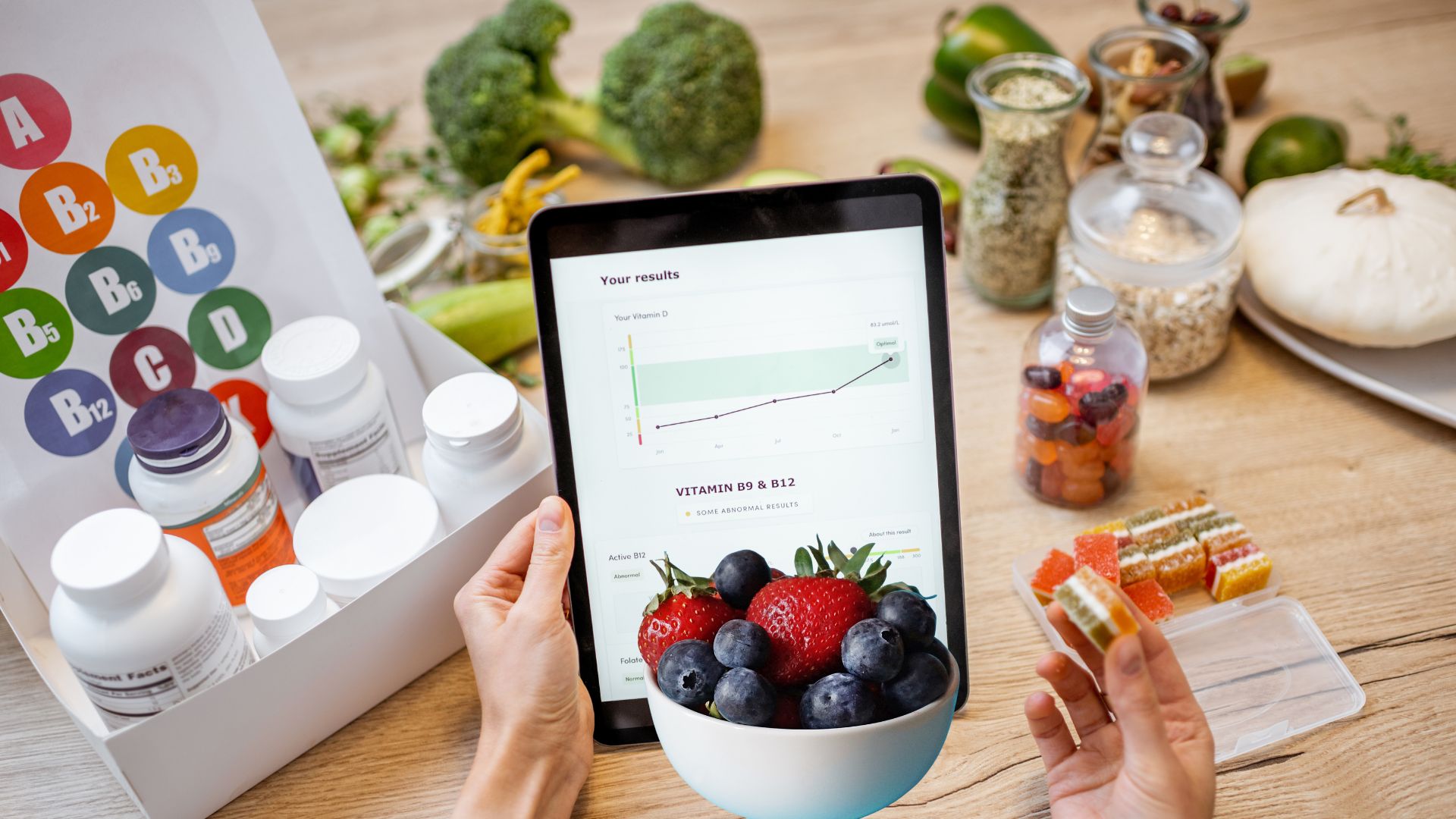


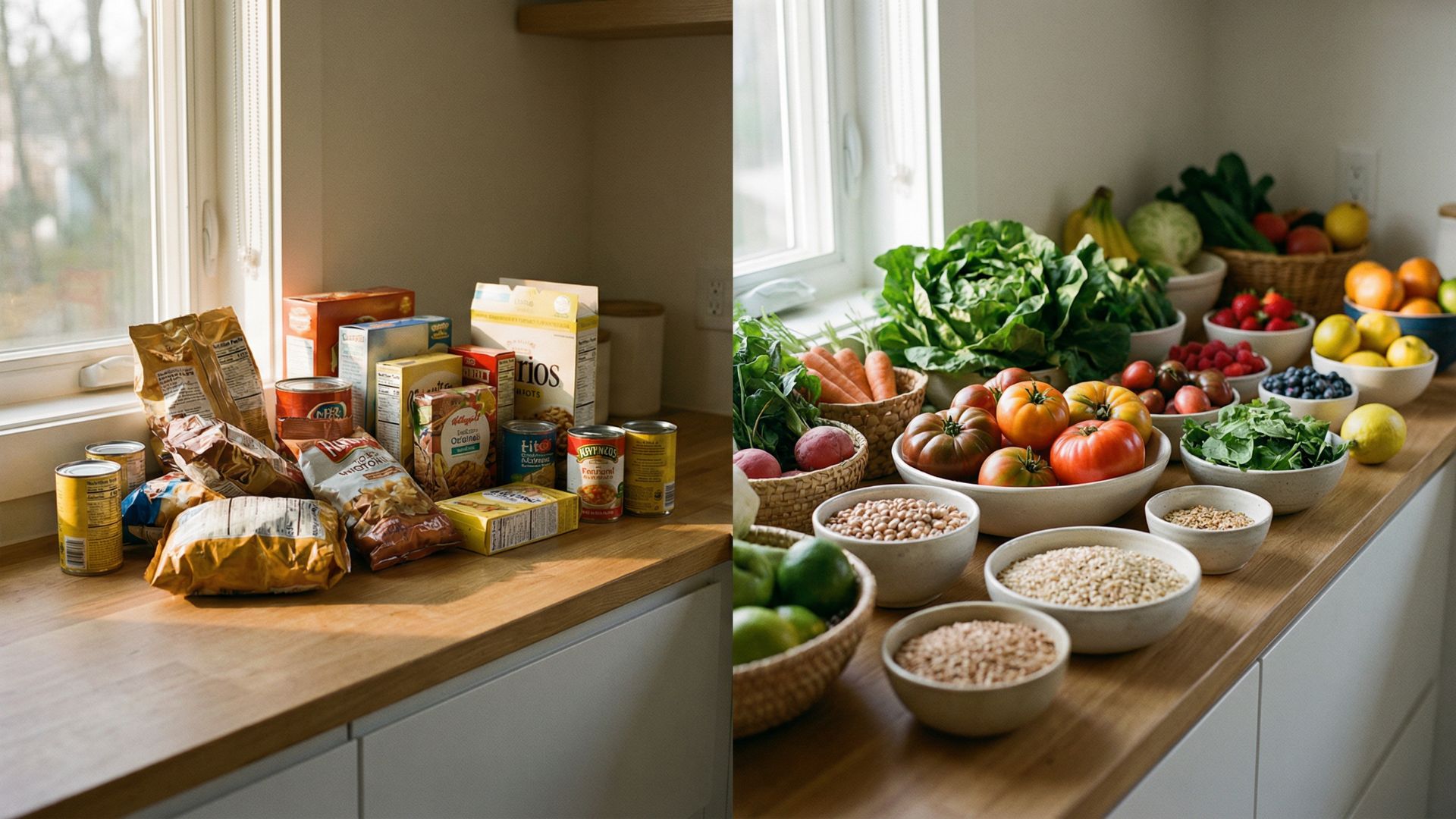





Weight loss gets noisy fast. One plan pushes low carb. Another swears by low fat. The truth is simpler. Energy balance moves the scale. Macros shape how you feel while you do it. When protein is steady, carbs and fats can flex to match your appetite, culture, and training. If you want a wider foundation first, the complete guide to Nutrition Basics sets the context for energy, nutrients, and habits that last.
What macros actually do
Protein builds and repairs tissue. It steadies hunger and helps you keep muscle while you lose fat. Carbs fuel effort and support mood and recovery. Fats carry flavor, support hormones, and help you absorb fat-soluble vitamins. You need all three. The trick is setting a base you can repeat on busy days.
Start with protein
Hold protein steady across meals. That single move reduces snacky hunger and protects lean mass.
- A simple target for most adults is 1.6–2.2 g per kilogram of body weight daily.
- If you prefer pounds, 0.7–1.0 g per pound works.
- Spread it over 3–4 meals, aiming for 25–40 g each time.
Examples:
- 60 kg person → 95–130 g per day.
- 80 kg person → 130–175 g per day.
Food ideas that hit 25–40 g fast: Greek yogurt with whey and berries, beans plus eggs, tofu stir-fry with edamame, salmon with potatoes, chicken and chickpeas over rice, lentil soup with a cheese toast.
Carbs and fats: choose your lever
Once protein is set, pick the mix of carbs and fats that keeps you full and lets you train.
- Moderate mix (most people): about 30% protein, 35–40% carbs, 25–30% fat.
- More active or performance-minded: push carbs up, fats down a touch.
- Lower appetite on fewer carbs: bring carbs down, fats up, keep fiber high.
You don’t need perfect numbers. Keep an eye on three signals: steady energy, manageable hunger, and decent training output. If one breaks, nudge carbs or fats by about 5–10% of calories and watch the next two weeks.
Quality beats counting
Two meals can share calories and differ wildly in how they feel. Favor foods that carry protein and fiber or healthy fats and fiber. They digest slower and keep you satisfied.
- Protein: fish, eggs, yogurt, cottage cheese, tofu, tempeh, legumes, lean meats.
- Carbs: beans, lentils, whole grains, potatoes with skin, fruit, oats.
- Fats: olive oil, nuts, seeds, avocado, fatty fish.
This is not a ban list. Dessert fits. So do street food and family dishes. Keep your base steady and place treats with intention.
A simple plate you can repeat
Use a plate guide to hit macro balance without a tracker.
- Half vegetables or fruit.
- A quarter protein.
- A quarter fiber-rich carbs.
- Add a drizzle of olive oil, a handful of nuts, or a slice of avocado.
Adjust portions with your goals and appetite. On hard training days, grow the carb quarter. On light days, add more veg or protein.
Sample day (about 1,700–1,900 kcal)
Designed for gentle loss if your maintenance is near 2,100–2,400 kcal. Adjust up or down by adding or trimming carbs and fats while keeping protein steady.
| Meal | Description | Protein | Carbs | Fat | Fiber |
| Breakfast | Greek yogurt bowl with whey, oats, berries, and chia. Coffee or tea. | ~35 g | ~45 g | ~12 g | ~8 g |
| Lunch | Chickpea and tuna salad with olive oil, lemon, tomatoes, cucumber, herbs. Whole-grain pita. | ~40 g | ~50 g | ~18 g | ~12 g |
| Snack | Apple and a small handful of almonds. | ~6 g | ~22 g | ~12 g | ~6 g |
| Dinner | Tofu or chicken stir-fry with mixed vegetables, sesame, and brown rice. | ~40 g | ~60 g | ~15 g | ~10 g |
| Optional Dessert | Square of dark chocolate or yogurt with honey. | – | – | – | – |
Numbers are estimates, not handcuffs. If you feel run down, add carbs at lunch or dinner. If hunger spikes at night, add more protein to breakfast or shift a snack later.
How to adjust week by week
Think in two-week blocks. Pick a base plan, run it, then tweak.
- Hunger too high? Increase protein at meals and add a fibrous side. Consider a later snack.
- Energy low in workouts? Add 20–40 g carbs before or after training.
- Weight trend flat for 2–3 weeks and you want loss? Trim 150–250 kcal per day by swapping a carb or fat portion for vegetables and lean protein.
- You feel cold, foggy, or moody? That’s feedback. Bring calories up slightly and improve sleep.
Tracking, light and honest
You can lose fat without tracking. If you stall or feel unsure, track for 7–10 days to learn your real intake. Many people snack more than they think and pour more oil than they plan. Weighing for a short window is a lesson, not a lifestyle. Then return to your plate guide.
Eating out without stress
- Scan the menu for a protein anchor first.
- Add a vegetable side.
- Ask for sauces on the side.
- Split fries or dessert.
- Save liquid calories for what you truly enjoy.
Perfect accuracy is not the goal. Keep the week strong and let a meal be a meal.
Common mistakes
- Too little protein. Leads to constant hunger and muscle loss.
- No plan for snacks. You will snack. Choose protein plus fiber.
- All or nothing on carbs. Low carb can help some, but many people overdo it and feel flat.
- Weekend whiplash. A big swing can erase the weekday deficit. Keep the same meal rhythm and adjust portions, not the whole pattern.
Special cases
- Vegetarian or vegan. Combine legumes, soy foods, seitan, grains, and nuts to hit protein. Consider B12 and iodine through fortified foods or supplements if needed.
- Older adults. Bias protein higher and lift weights. Muscle is a health policy.
- Heavy training. Carbs are rocket fuel. Time them around sessions and keep fats moderate around workouts.
A quick start you can use today
- Set protein at each meal.
- Build a repeatable lunch you like.
- Walk after meals when you can.
- Sleep enough.
- Weigh weekly or track waist monthly. Watch trends, not single days.
If you want a broader framework that blends macros with energy balance, labels, and routine, the Nutrition Basics guide is your map.
Conclusion
Macros are tools, not rules. Hold protein steady, set carbs and fats based on appetite and activity, and keep food quality high. You’ll lose fat with less friction and keep strength along the way. When you’re ready for structure across the week, the Balanced Plate Method: 7-Day Meal Plan offers two flexible templates and a shopping list to make it real. Start with the plan that fits your life: balanced-plate-7-day-meal-plan.