




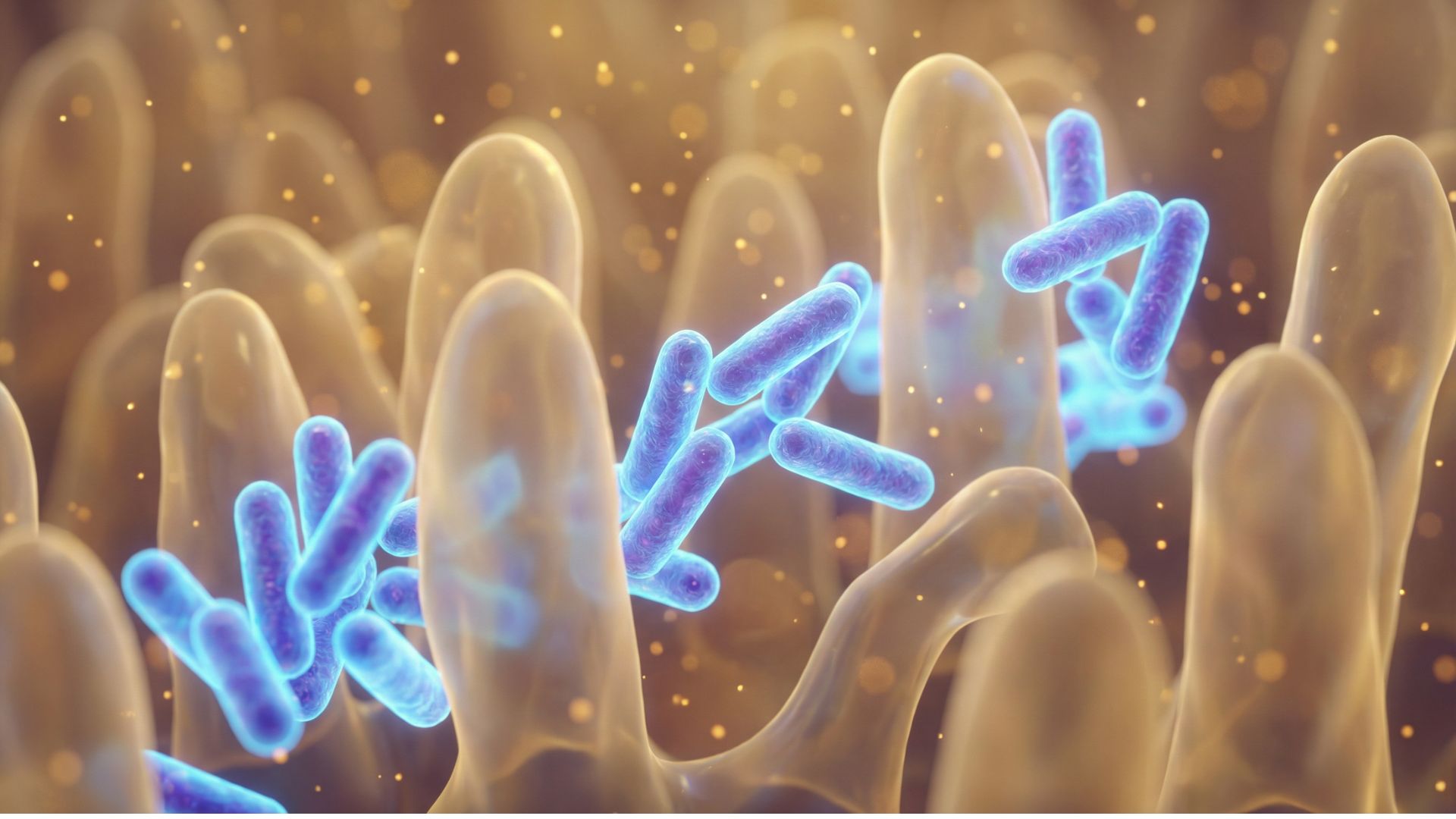
Imagine if the secret to reversing aging wasn’t hidden in some exotic Himalayan monastery or cutting-edge laboratory, but had been living inside your great-grandmother’s gut all along. This isn’t science fiction; it’s the story of Lactobacillus reuteri, a bacterial strain that virtually every human carried just 60 years ago but has now vanished from 96% of the population.
During my fieldwork in remote Indonesian villages last year, I noticed something peculiar. Elderly villagers in their 80s moved with the agility of people decades younger, their skin remarkably supple, their social bonds intensely strong. When we analyzed their gut microbiomes, one bacterial strain appeared consistently: L. reuteri. The same bacteria missing from nearly every Western gut sample I’d examined back home.
The oxytocin connection nobody saw coming
L. reuteri does something no other probiotic strain can match: it triggers your body to produce oxytocin, often called the love hormone. But oxytocin does far more than make you feel warm and fuzzy. It actively suppresses cortisol, your primary stress hormone, creating a cascade of anti-aging effects throughout your body.
When MIT researchers gave L. reuteri to aging mice, the results defied belief. Old mice literally became young again. Their fur grew thick and lustrous, their muscle mass increased, wounds healed twice as fast, and perhaps most remarkably, their mating behavior returned with vigor. The researchers described the transformation as nothing short of age reversal.
The mechanism behind these changes involves L. reuteri’s unique ability to colonize both your small and large intestine. Unlike most probiotics that only survive in your colon, L. reuteri sets up shop throughout your entire digestive tract, producing bacteriocins that eliminate pathogenic bacteria while leaving beneficial species untouched.
Why modern life killed off your L. Reuteri
Every course of antibiotics you’ve ever taken delivered a devastating blow to your L. reuteri population. Even that single round of amoxicillin from 20 years ago likely wiped out your entire colony, and here’s the kicker: L. reuteri doesn’t easily recolonize from food or standard probiotic supplements.
The assault goes beyond antibiotics. Processed foods, artificial sweeteners, chronic stress, and especially the herbicide glyphosate found in conventional produce all preferentially kill L. reuteri. Our modern obsession with sterility, from antibacterial soaps to pasteurized everything, created an environment where this critical bacteria simply cannot survive.
Dr. Gerhard Reuter, who discovered this strain in the 1960s, found it everywhere in human samples. By the end of his 40-year career, he could barely locate it. Wild animals still carry L. reuteri. Indigenous populations untouched by Western medicine still have it. But in developed nations, we’ve inadvertently conducted a massive experiment in living without this foundational microbe.
The physical transformation L. Reuteri triggers
The anecdotal reports from people who’ve successfully recolonized with L. reuteri read like testimonials for a miracle drug. Men over 50 report testosterone increases of 50%, while women experience restored vaginal health and increased libido. Both sexes report accelerated wound healing, deeper sleep, and most visibly, dramatic improvements in skin quality.
Clinical measurements confirm what people see in the mirror. Dermal thickness increases significantly, effectively reversing one of aging’s most visible markers. Those crow’s feet and fine lines that dermatologists say are inevitable? They begin softening within weeks of L. reuteri supplementation. Hair grows thicker and faster. Muscle mass increases even without changes to exercise routines.
But perhaps the most intriguing change happens around the midsection. People lose inches from their waist while maintaining or even gaining total body weight. The explanation appears to be a fundamental shift in body composition: fat loss coupled with muscle gain, the holy grail of healthy aging that becomes increasingly difficult after 40.
Small intestinal bacterial overgrowth finally meets its match
For the millions suffering from SIBO, L. reuteri offers something conventional treatments cannot: selective antimicrobial action. While pharmaceutical antibiotics carpet bomb your entire microbiome, L. reuteri produces targeted bacteriocins that specifically eliminate the fecal bacteria that have migrated into your small intestine.
This selective action explains why L. reuteri supplementation often resolves chronic bloating, food intolerances, and the constellation of symptoms that SIBO sufferers know too well. By reestablishing proper bacterial geography in your gut, L. reuteri addresses the root cause rather than temporarily suppressing symptoms.
The bacteria also strengthens your intestinal barrier, preventing the translocation of bacterial toxins into your bloodstream. This reduction in endotoxemia has profound effects on inflammation throughout your body, from your joints to your brain.
Making your own L. Reuteri superfood
Commercial yogurts and probiotics contain laughably small amounts of bacteria compared to what research shows you need for therapeutic effects. The solution involves making your own L. reuteri yogurt using an extended fermentation process that produces 300 billion CFUs per serving, roughly 1,000 times more than commercial products.
The process requires specific conditions: human body temperature (99°F) maintained for 36 hours, far longer than commercial yogurt’s 4-12 hour fermentation. You’ll need the right strain of L. reuteri, some prebiotic fiber to feed it, and a yogurt maker capable of precise temperature control. The result tastes remarkably rich and creamy, nothing like the sour, thin consistency you might expect from such extended fermentation.
Taking half a cup daily, preferably before bed, seems to produce the most consistent results. Many people report the best sleep of their lives within the first week, followed by gradual improvements in mood, energy, and physical appearance over the following months.
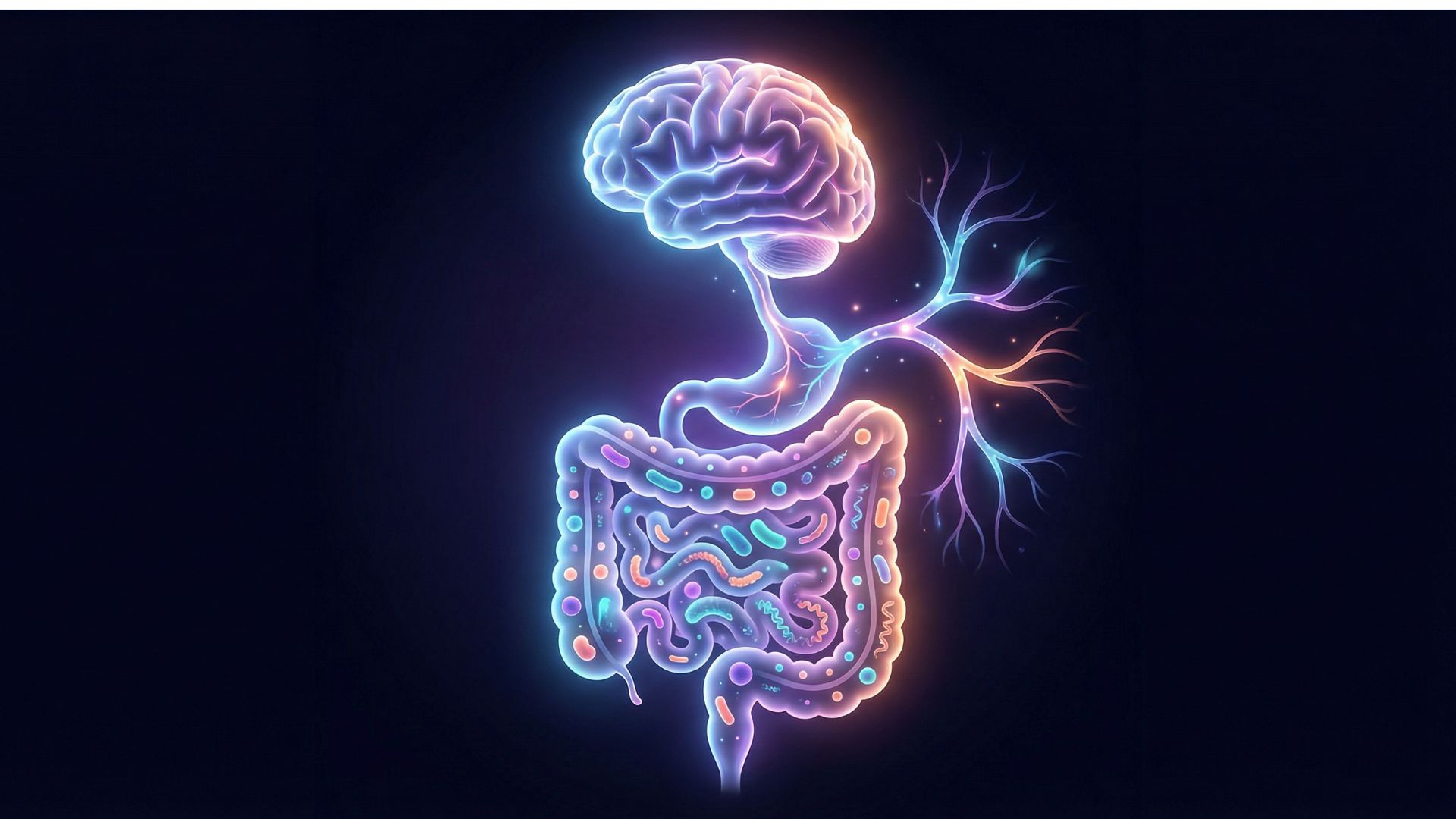
The beauty of this approach lies in its simplicity. You’re not adding something foreign to your body; you’re simply replacing a bacteria that should have been there all along. A bacteria your ancestors carried for millennia, that wild animals still carry today, that your body expects and needs for optimal function. Once you understand the gut brain axis and mental health connection, the importance of maintaining bacterial species like L. reuteri becomes even clearer.
Have you noticed any health changes that started after taking antibiotics, even years ago?