



Right shoulder or back pain with bloating? Bile duct sludge may be the hidden cause. Learn natural remedies to restore bile flow and reduce inflammation.
Pain radiating through the right shoulder, neck or between the shoulder blades often gets blamed on muscle tension. But the true culprit frequently hides in the bile ducts connecting your liver and gallbladder. Thickened bile sludge backs up into the liver, creating inflammation that refers pain to seemingly unrelated areas. This overlooked condition responds remarkably well to natural interventions, making it worth investigating for anyone working to reduce inflammation naturally without achieving expected results.
Understanding your biliary system
Your liver produces bile continuously, roughly one to two quarts daily. This greenish-yellow fluid contains bile salts, cholesterol, bilirubin and other compounds essential for digesting fats and eliminating waste products. Without adequate bile flow, fat digestion suffers and toxins accumulate.
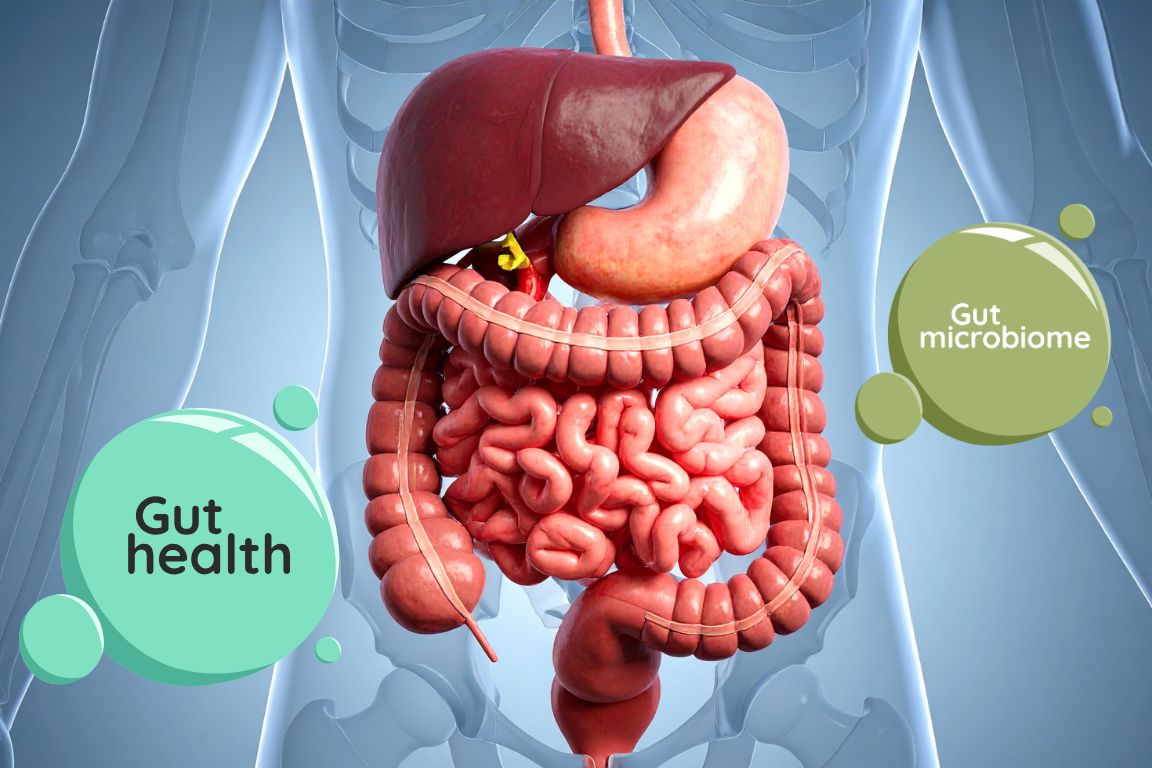
Bile travels from the liver through a network of small ducts that merge into larger channels. These eventually connect to the gallbladder, which stores and concentrates bile between meals. When you eat fat, the gallbladder contracts and releases concentrated bile into the small intestine to emulsify dietary fats for absorption.
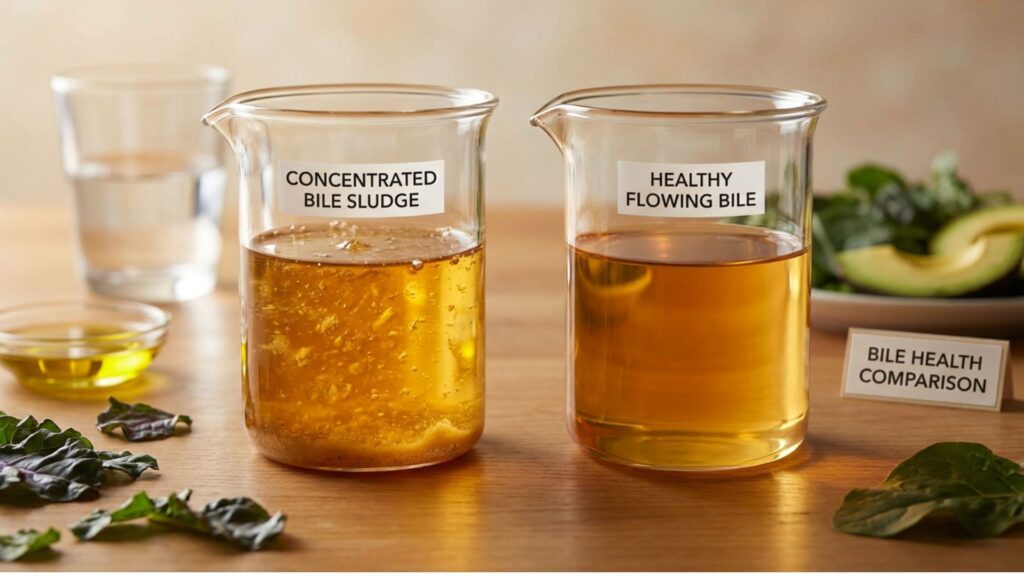
The system works elegantly when bile flows freely. Problems arise when bile becomes too thick and sluggish to move through the narrow duct system properly. This thickened bile, often called sludge, creates backups that affect everything upstream.
Think of it like a drain that’s not quite clogged but not flowing freely either. Water backs up, pressure builds, and problems develop even though no complete blockage exists. Bile sludge creates similar dynamics in your biliary system with surprisingly widespread consequences.
How bile sludge develops
Several factors contribute to bile becoming too concentrated and thick to flow properly. Understanding these causes helps you address the root problem rather than just managing symptoms.
Insufficient bile salts
Bile salts keep cholesterol and other components dissolved in solution. When bile salt concentration drops too low, cholesterol begins precipitating out like sugar crystallizing from oversaturated syrup. These cholesterol crystals form the foundation of sludge and eventually gallstones.
Low-fat diets paradoxically contribute to this problem. Your gallbladder requires dietary fat to trigger contraction and release. Without regular fat intake, bile sits stagnant in the gallbladder, becoming progressively more concentrated. The very dietary approach many people adopt for health actually promotes bile sludge formation.
Bile salt recycling depends on healthy gut function. Most bile salts get reabsorbed in the small intestine and returned to the liver for reuse. Gut inflammation, dysbiosis or rapid transit time can impair this recycling, depleting bile salt reserves over time.
Dehydration
Bile is mostly water. Chronic dehydration concentrates all bile components, increasing sludge risk. Many people walk around mildly dehydrated without realizing it, especially those relying on coffee and other diuretics for their fluid intake.
Adequate water consumption seems simple but makes a genuine difference for bile consistency. The liver needs sufficient fluid to produce properly diluted bile. Concentrated bile from dehydration flows poorly and tends toward sludge formation.
Hormonal factors
Estrogen increases cholesterol secretion into bile while reducing gallbladder motility. This combination explains why women develop gallbladder problems at higher rates than men. Pregnancy, birth control pills and hormone replacement therapy all increase risk.
Rapid weight loss also disrupts bile composition. When you lose weight quickly, the liver dumps extra cholesterol into bile as fat stores mobilize. This cholesterol surge can overwhelm bile salts’ ability to keep everything in solution, promoting sludge and stone formation.
Dietary factors
Beyond low-fat eating, certain dietary patterns promote bile problems. High refined carbohydrate intake impairs gallbladder function. Sugar and processed foods contribute to the metabolic dysfunction that affects bile composition.
Insufficient fiber reduces bile salt recycling. Fiber binds bile acids in the intestine, promoting their elimination and signaling the liver to produce more. Without adequate fiber, old bile acids recirculate indefinitely without replenishment.
Symptoms of bile sludge and duct congestion
The symptoms of biliary congestion often get attributed to other causes, leading people to chase wrong diagnoses for years. Recognizing the pattern helps you identify whether bile flow issues might underlie your problems.

Referred pain patterns
Bile duct inflammation creates pain that refers to distant locations through shared nerve pathways. The most common pattern involves the right shoulder, particularly the top and back of the shoulder. This pain can be constant or intermittent, often worsening after fatty meals.
Pain between the shoulder blades, especially on the right side, also suggests biliary involvement. The rhomboid area becomes tender and tight. Massage and stretching provide temporary relief but symptoms return because the source lies elsewhere.
Right-sided neck pain and headaches sometimes trace to bile duct congestion. The nerve connections between the biliary system and cervical spine create these seemingly unrelated symptoms. People get neck adjustments and take pain medications while the actual problem persists.
Digestive symptoms
Bloating after meals, particularly fatty ones, indicates inadequate bile for fat digestion. Undigested fats ferment in the intestine, producing gas and discomfort. The bloating often develops within an hour of eating and may persist for several hours.
Nausea, especially in the morning or after rich meals, commonly accompanies bile flow problems. The nausea isn’t severe like food poisoning but rather a persistent queasiness that dampens appetite. Many people adapt by unconsciously avoiding fats, which perpetuates the problem.
Light-colored or floating stools suggest poor fat absorption from insufficient bile. Properly digested stools sink and have a medium brown color. Pale, greasy or floating stools indicate fats passing through undigested.
Constipation often accompanies bile sludge. Bile acts as a natural laxative, stimulating intestinal motility. Reduced bile flow leads to sluggish bowels. Some people alternate between constipation and loose stools as bile release becomes erratic.
Systemic symptoms
Fatigue frequently accompanies biliary congestion. The liver’s detoxification burden increases when bile flow is impaired. Toxins that should exit through bile instead accumulate, creating systemic sluggishness.
Skin issues including itching, rashes and dull complexion can indicate bile problems. The skin serves as a backup elimination route when primary pathways are compromised. Bilirubin and other bile components that should exit through the gut instead get pushed toward the skin.
Hormonal imbalances sometimes trace to impaired bile flow. The liver processes and eliminates used hormones partly through bile. When this pathway backs up, hormone metabolism suffers. Women may notice worsened PMS or irregular cycles.
| Symptom Category | Common Presentations | Timing Pattern |
| Pain | Right shoulder, between shoulder blades, right neck | Worse after fatty meals |
| Digestive | Bloating, nausea, light stools, constipation | Within 1-2 hours of eating |
| Systemic | Fatigue, skin issues, hormone imbalance | Ongoing, variable |
| Other | Headaches, brain fog, chemical sensitivity | Fluctuating |
Why this gets missed
Conventional medicine typically focuses on gallstones rather than sludge. Ultrasound imaging readily shows stones but may miss sludge, especially if not specifically evaluated. A report saying no gallstones doesn’t rule out biliary dysfunction.
The referred pain patterns confuse diagnosis. Right shoulder pain gets attributed to rotator cuff problems. Upper back pain gets blamed on posture. Neck pain leads to cervical spine investigations. The actual source never gets considered.
Digestive symptoms are common and nonspecific. Bloating and nausea have dozens of potential causes. Without recognizing the pattern suggesting biliary involvement, practitioners often attribute symptoms to IBS, food intolerances or stress.
Many people have had their gallbladders removed but still experience symptoms. Bile duct sludge can develop even without a gallbladder. The ducts themselves can become congested. Post-cholecystectomy syndrome affects a significant percentage of people who had gallbladder surgery.
Natural remedies that restore bile flow
The good news is that bile sludge responds well to targeted natural interventions. These approaches help thin the bile, improve flow and resolve the symptoms that congested bile creates.

TUDCA: the bile duct opener
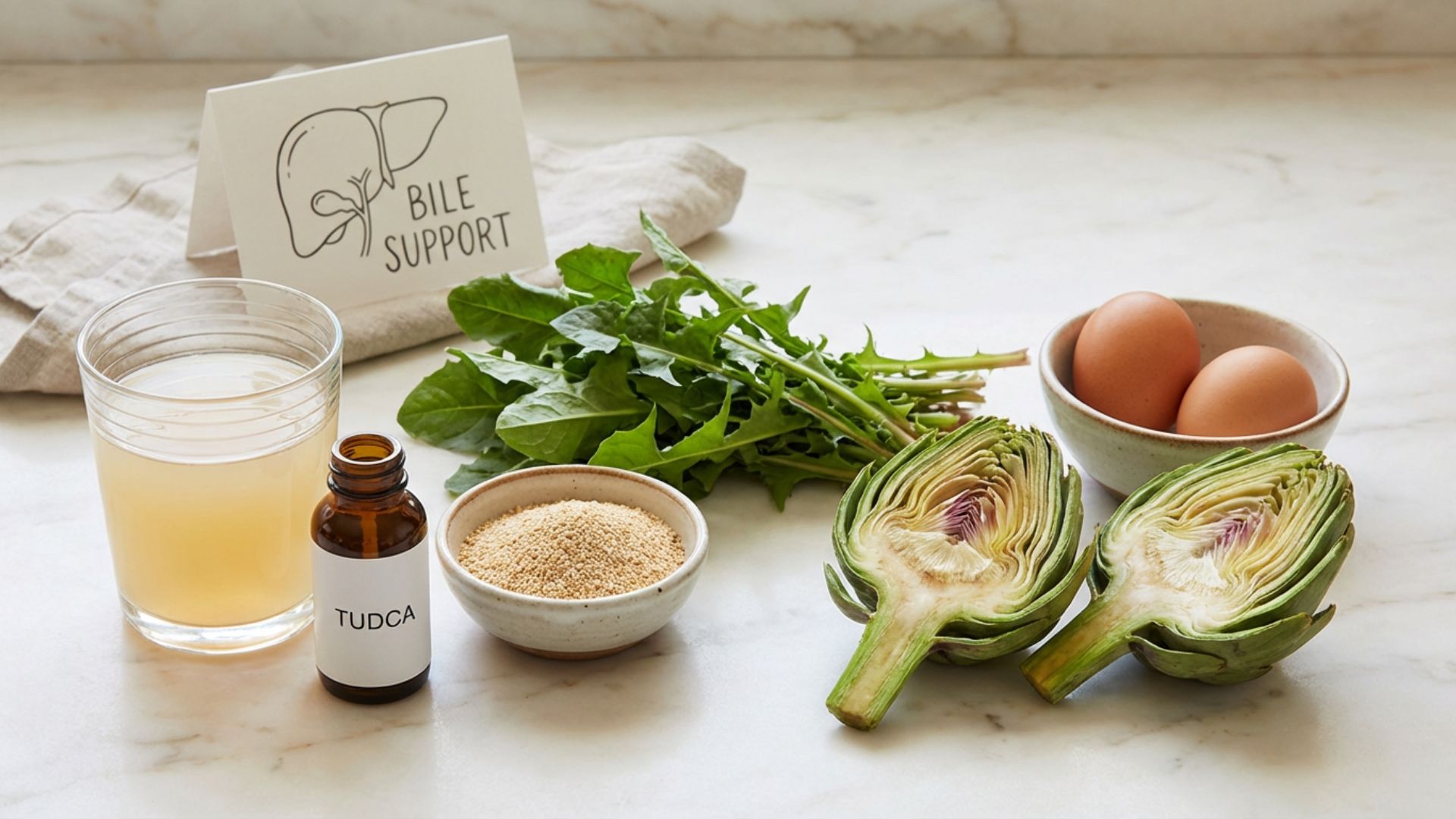
Tauroursodeoxycholic acid, mercifully abbreviated TUDCA, represents the most effective supplement for bile flow issues. This naturally occurring bile acid thins sludge and protects liver cells. It’s been used medicinally for centuries and has substantial research support.
TUDCA works by improving bile composition and protecting the cells lining bile ducts from damage. It helps dissolve the cholesterol crystals that form the foundation of sludge. Many people experience significant relief within days to weeks of starting TUDCA.
Typical dosing ranges from 500 to 1500 mg daily, often split between morning and afternoon doses. Taking TUDCA on an empty stomach allows it to reach bile ducts without dilution from food. Start with lower doses and increase gradually if needed.
Purified bile salts
Ox bile supplements provide the bile salts that many people lack. These supplements directly replace what the body isn’t producing adequately. They’re particularly helpful for people who’ve had their gallbladders removed and no longer concentrate bile effectively.
Taking bile salts with fatty meals improves fat digestion immediately while also helping thin bile over time. Doses typically range from 100 to 500 mg with meals containing fat. Some people need bile salts with every meal while others only need them occasionally.
Quality matters significantly with bile salt supplements. Look for purified products from reputable manufacturers. Poorly processed bile salts may contain impurities that cause digestive upset.
Bitter herbs and foods
Bitter compounds stimulate bile production and release. This is why traditional cuisines often began meals with bitter salads or aperitifs. The bitter taste triggers a reflex that prepares your digestive system for incoming food.
Dandelion root, artichoke leaf, gentian and milk thistle all promote healthy bile flow. These can be taken as supplements or consumed as bitter foods and teas. Swedish bitters, a traditional herbal preparation, combines multiple bitter herbs for digestive support.
Eating bitter greens like arugula, radicchio and endive provides gentle daily bile stimulation. Starting meals with a small bitter salad primes your biliary system before the main course arrives. This simple habit supports ongoing bile health.
Choline and phosphatidylcholine
Choline is essential for bile production and proper bile composition. Deficiency is surprisingly common, especially among people avoiding eggs and organ meats. The liver requires choline to produce phosphatidylcholine, a key component of healthy bile.
Egg yolks provide the best food source of choline. Two to three whole eggs daily supplies meaningful amounts. People who’ve avoided eggs for decades often see digestive improvements when they add them back.
Supplemental phosphatidylcholine, often from sunflower or soy lecithin, provides concentrated support. Typical doses range from 1 to 3 grams daily. Some people take phosphatidylcholine specifically with fatty meals to support bile function.
Apple cider vinegar
The acetic acid in apple cider vinegar stimulates digestive secretions including bile. Taking a tablespoon diluted in water before meals prepares the digestive system for incoming food. Many people notice reduced bloating and improved digestion with this simple practice.
Raw, unfiltered apple cider vinegar with the mother provides additional beneficial compounds. The acidic taste triggers bitter receptors that stimulate bile release. This inexpensive intervention helps many people with mild biliary sluggishness.
Dietary support for bile health
What you eat significantly impacts bile composition and flow. Dietary changes complement supplements and often prove necessary for lasting improvement.
Include adequate healthy fats
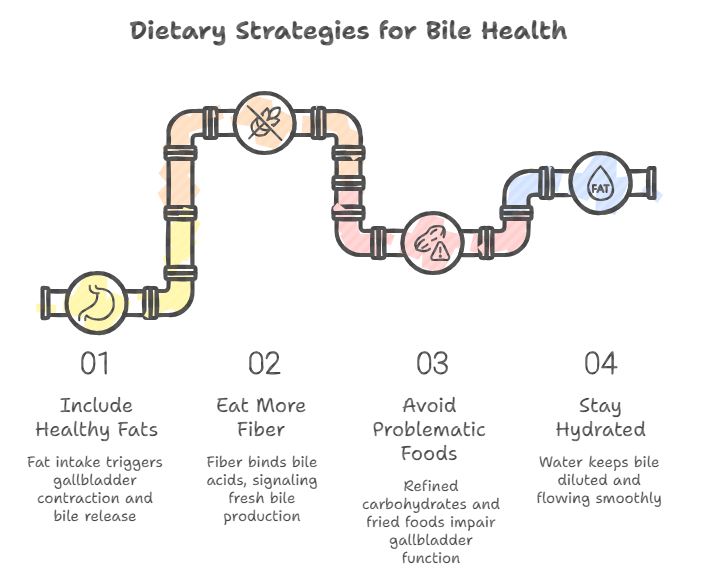
Your gallbladder needs fat to trigger contraction. Without regular fat intake, bile stagnates and concentrates. Including healthy fats at each meal keeps bile moving and prevents sludge accumulation.
Olive oil, avocados, coconut oil, butter and animal fats from quality sources all stimulate healthy bile release. Don’t fear fat when you have biliary issues. The low-fat approach that seems logical actually perpetuates the problem.
Eating fat also signals your body to produce more bile salts. This positive feedback loop maintains healthy bile composition over time. Adequate fat intake prevents the vicious cycle of reduced bile flow leading to worse bile composition leading to further reduced flow.
Eat more fiber
Fiber binds bile acids in the intestine, carrying them out in stool. This elimination signals your liver to produce fresh bile salts from cholesterol. The process actually helps lower cholesterol while improving bile quality.
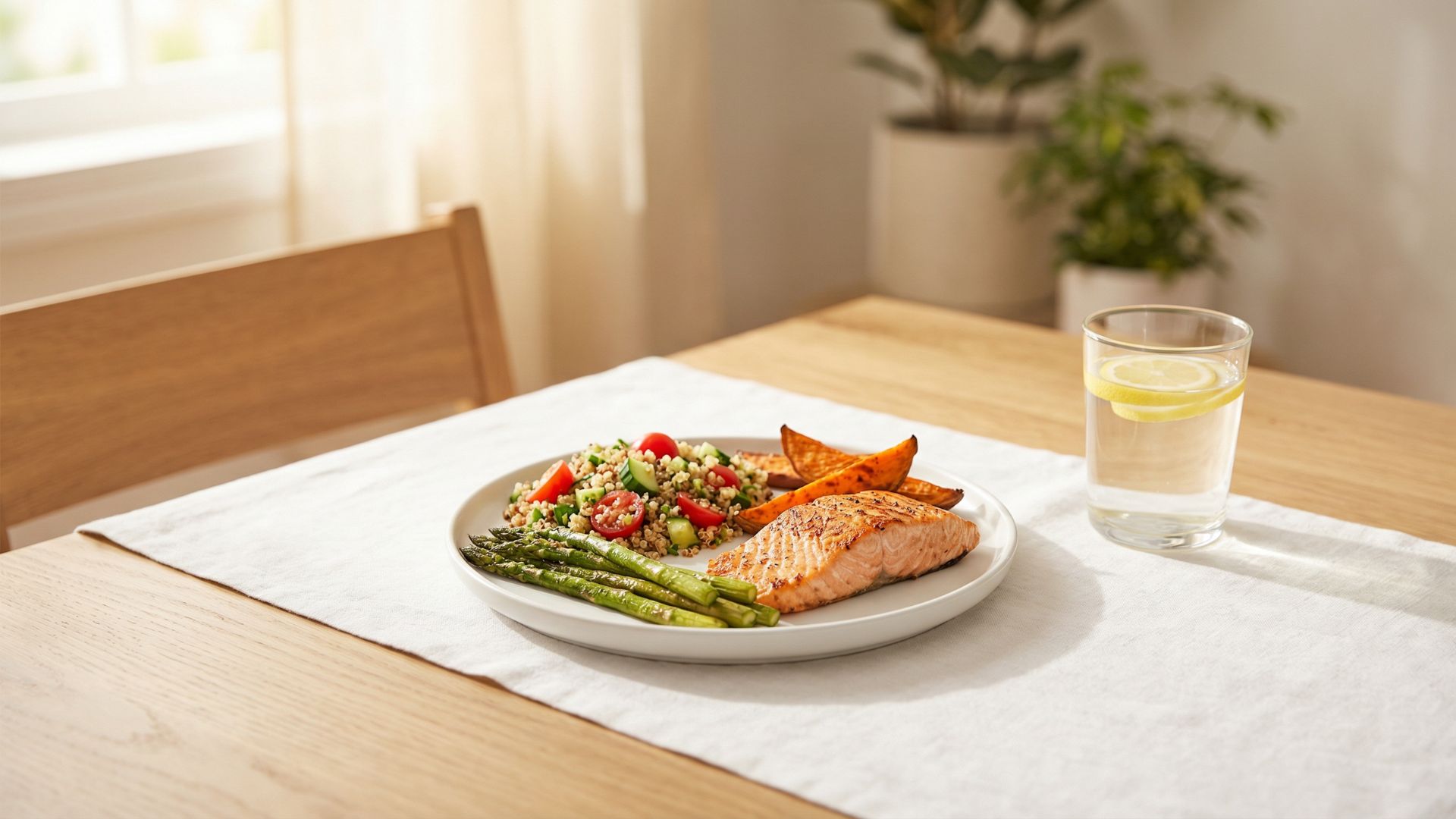
Vegetables provide the best fiber for bile health. Aim for seven or more cups daily of various colorful vegetables. The fiber feeds beneficial gut bacteria that support bile acid metabolism while the bulk keeps bile flowing through the system.
Avoid problematic foods
Refined carbohydrates and sugar impair gallbladder function. They contribute to the metabolic dysfunction that underlies many cases of biliary sludge. Eliminating processed foods supports bile health alongside overall metabolic improvement.
Fried foods cooked in seed oils create double trouble. The poor quality fats promote inflammation while requiring bile for digestion. Your stressed biliary system works overtime processing fats that simultaneously damage it.
Stay hydrated
Adequate water intake keeps bile properly diluted. Aim for half your body weight in ounces daily as a starting point. More may be needed in hot weather or with high activity levels.
Spread water intake throughout the day rather than gulping large amounts at once. Steady hydration maintains consistent bile dilution. Coffee and alcohol don’t count toward hydration goals as they have diuretic effects.
The liver flush controversy
You may have encountered liver or gallbladder flushes involving olive oil, lemon juice, Epsom salts and other components. These protocols claim to purge stones and sludge from the biliary system. The internet is full of dramatic photos of supposed stones passed after these flushes.
The reality is more complicated. Most of the greenish lumps people pass after flushes are actually saponified olive oil, not gallstones. The oil combines with digestive secretions to form soap-like balls that look impressive but came from the flush itself rather than the biliary system.
That said, some people do experience genuine relief from flush protocols. The large fat load triggers substantial bile release. The magnesium from Epsom salts relaxes bile ducts. These effects may help clear minor sludge even if the dramatic stone passage is mostly theater.
If you choose to try a flush, do so carefully. People with actual gallstones risk getting a stone stuck during the forceful bile release. This creates a medical emergency requiring surgery. Having an ultrasound to rule out stones before attempting a flush is prudent.
When to seek medical evaluation
Certain symptoms warrant professional assessment rather than self-treatment. Recognizing these helps you know when natural approaches are appropriate versus when you need medical attention.
Severe pain, especially if accompanied by fever, requires immediate evaluation. These symptoms could indicate a stuck stone, infection or other serious complication. Emergency rooms handle acute biliary problems daily.
Jaundice, the yellowing of skin and eyes, indicates significant bile duct obstruction. Bilirubin backing up into the bloodstream causes this color change. Complete obstruction requires medical intervention to restore flow.
Persistent symptoms despite natural interventions warrant further investigation. Imaging studies can identify stones, structural problems or other issues that need different approaches. Don’t continue self-treating if symptoms persist beyond a reasonable trial period.
Connecting biliary health to broader inflammation
Bile sludge creates localized inflammation that can have systemic effects. The liver inflammation from backed up bile affects the organ’s many other functions. Detoxification suffers, hormone metabolism slows and the immune components housed in the liver become compromised.
Addressing biliary congestion often produces improvements beyond just digestive symptoms. People report clearer skin, better energy, improved mood and reduced pain in areas seemingly unconnected to digestion. The liver’s central role in so many bodily functions means that supporting it pays dividends throughout the system.
Food sensitivities sometimes trace partly to biliary dysfunction. Poor fat digestion leaves particles that trigger immune responses. Improving bile flow can reduce food reactivity even without eliminating trigger foods. This connection explains why some people develop and later resolve food intolerances.
For some individuals, bile issues relate to food allergies and sensitivities that perpetuate the inflammation cycle. Understanding how gluten and food allergies trigger inflammation helps identify whether dietary triggers contribute to your biliary symptoms or vice versa.

- PREMIUM BOVINE COLOSTRUM CONCENTRATE: ARMRA Colostrum is the premium bovine colostrum concentrate teeming with 400+ bioa…
- POTENT & BIOAVAILABLE: ARMRA Colostrum is casein-free, fat-free, and uniquely optimized for human health. ARMRA’s propri…
- BACKED BY SCIENCE: Research shows its bioactives can fortify gut health, ease bloating, support healthy metabolism, fuel…