



Discover proven natural supplements that reduce inflammation safely. From turmeric to tocotrienols, learn what works and proper dosing for results.
Supplements can accelerate healing when combined with dietary and lifestyle changes. Certain natural compounds demonstrate impressive anti-inflammatory effects backed by research. Turmeric, tocotrienols, zinc L-carnosine and omega-3 fatty acids top the list of options worth considering. These supplements work best as part of a comprehensive strategy to reduce inflammation naturally rather than isolated quick fixes. Understanding proper forms and dosages makes the difference between wasting money and experiencing genuine relief.
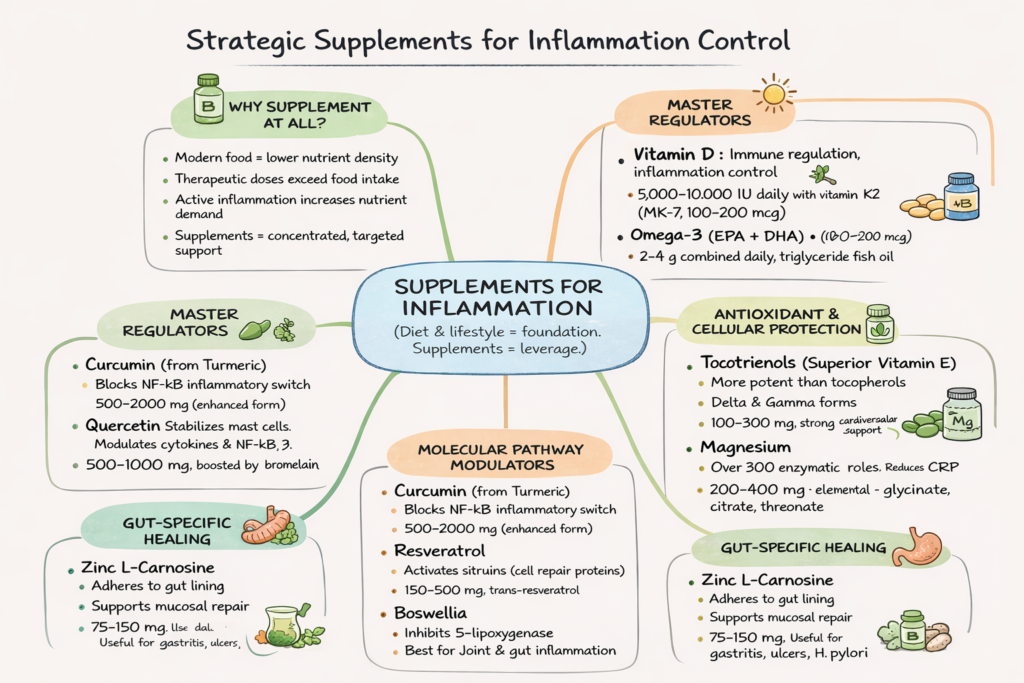
Why supplements matter for inflammation
Diet and lifestyle form the foundation of any anti-inflammatory approach. No supplement compensates for eating inflammatory foods, living under chronic stress or sleeping poorly. That said, strategic supplementation provides advantages that diet alone cannot always deliver.
Modern food supply issues mean that even excellent diets may leave nutritional gaps. Depleted soils produce less nutrient-dense crops than previous generations enjoyed. Food transportation and storage further reduces vitamin and mineral content. Supplementation helps bridge these gaps.
Therapeutic doses of certain compounds exceed what food realistically provides. Getting enough omega-3 fatty acids from fish alone would require eating salmon daily. Achieving anti-inflammatory levels of curcumin from turmeric root would mean consuming tablespoons of the spice. Supplements concentrate beneficial compounds for meaningful impact.
Existing inflammation often creates increased nutrient demands. Your body burns through antioxidants faster when fighting inflammatory fires. Replenishing these reserves through supplementation supports the healing process. Once inflammation resolves, maintenance doses typically drop.
Vitamin D: the master regulator
Vitamin D deserves first mention because deficiency is so widespread and consequences so significant. This hormone-like nutrient regulates immune function and inflammatory responses throughout your body. Without adequate vitamin D, inflammation tends to run unchecked.
Research consistently shows that low vitamin D status correlates with increased inflammatory markers and higher rates of inflammatory diseases. Autoimmune conditions, cardiovascular disease, chronic pain and even depression all show associations with vitamin D deficiency. Optimizing levels often produces noticeable improvements.
Most people need supplementation to achieve optimal blood levels. Sun exposure produces vitamin D but requires specific conditions rarely met in modern life. Northern latitudes, indoor lifestyles, sunscreen use and darker skin tones all reduce synthesis. Testing blood levels guides appropriate dosing.
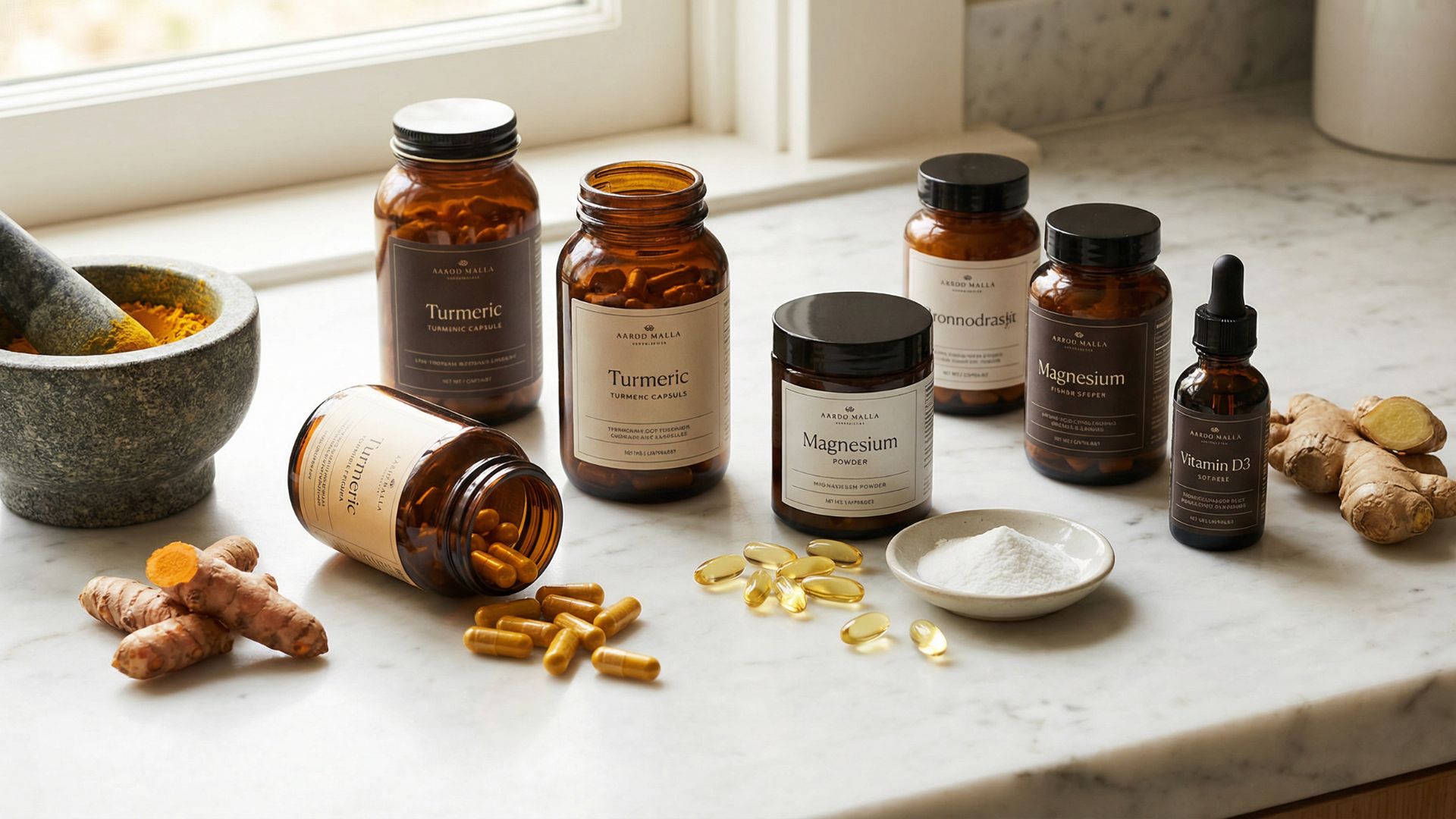
Doses of 5,000 to 10,000 IU daily suit most adults for maintenance. Active inflammatory conditions may warrant higher doses temporarily under professional guidance. Always pair vitamin D with vitamin K2 to ensure proper calcium metabolism. The MK-7 form of K2 at 100 to 200 mcg daily complements vitamin D well.
| Vitamin D Status | Blood Level | Recommended Action |
| Severely deficient | Below 20 ng/mL | High-dose repletion, professional guidance |
| Deficient | 20-30 ng/mL | 10,000 IU daily until optimal |
| Insufficient | 30-50 ng/mL | 5,000-10,000 IU daily |
| Optimal | 50-70 ng/mL | Maintain current intake |
| High optimal | 70-100 ng/mL | Reduce if exceeding target |
Omega-3 fatty acids: essential inflammation fighters
Your body cannot manufacture omega-3 fatty acids. They must come from diet or supplementation. These essential fats directly compete with pro-inflammatory omega-6 fatty acids for incorporation into cell membranes and conversion to signaling molecules.
EPA and DHA, the long-chain omega-3s found in fish oil, provide the most direct anti-inflammatory benefits. They convert to specialized pro-resolving mediators that actively shut down inflammatory processes. Without adequate omega-3 intake, inflammation that should resolve naturally instead persists.
Fish oil supplements provide concentrated EPA and DHA in convenient form. Quality varies significantly between products. Look for brands that test for purity, freshness and potency. Triglyceride form fish oil absorbs better than cheaper ethyl ester versions.
Therapeutic doses for inflammation typically range from 2 to 4 grams of combined EPA and DHA daily. Standard fish oil capsules contain 300 to 500 mg of omega-3s, requiring multiple pills to reach therapeutic levels. Concentrated formulas reduce pill burden. Taking fish oil with meals improves absorption and reduces fishy aftertaste.
Cod liver oil offers omega-3s alongside vitamins A and D. This traditional supplement provided essential nutrients for generations before modern alternatives existed. A tablespoon daily delivers meaningful omega-3s plus fat-soluble vitamins that independently support inflammation control.
Turmeric and curcumin: ancient wisdom confirmed
Turmeric root has been used medicinally for thousands of years in Ayurvedic and traditional Chinese medicine. Modern research confirms what traditional practitioners observed: this golden spice powerfully reduces inflammation through multiple mechanisms.
Curcumin, the primary active compound in turmeric, modulates inflammatory pathways at the molecular level. It inhibits NF-kB, a master switch that activates inflammatory genes. It reduces production of pro-inflammatory cytokines. It scavenges free radicals that drive oxidative damage.
The challenge with curcumin lies in absorption. Plain turmeric or basic curcumin supplements absorb poorly. Most of what you swallow passes through without entering circulation. Enhanced formulations dramatically improve bioavailability.
Piperine, the active compound in black pepper, increases curcumin absorption by roughly 2000%. Many supplements combine curcumin with piperine for this reason. Other approaches include liposomal delivery, phospholipid complexes and nanoparticle formulations.
Effective doses typically range from 500 to 2000 mg of enhanced curcumin daily. Some people do well with lower doses while others need the higher end for noticeable effects. Starting lower and increasing if needed makes sense. Split dosing morning and evening maintains more consistent blood levels.
Fresh turmeric root provides benefits beyond isolated curcumin. The whole root contains additional compounds that work synergistically. Grating fresh turmeric into food or juicing it delivers these complementary factors. The intense orange color stains everything it touches, so handle carefully.
Tocotrienols: the superior vitamin E
Most vitamin E supplements contain tocopherols, but research increasingly favors tocotrienols for inflammation and cardiovascular protection. These vitamin E variants provide antioxidant and anti-inflammatory effects that tocopherols don’t match.
Tocotrienols inhibit inflammatory signaling pathways and reduce oxidative stress more potently than tocopherols. They protect blood vessel linings from damage, support healthy cholesterol metabolism and may even have neuroprotective effects. The research base continues growing.
For inflammation purposes, delta and gamma tocotrienols show the most promise. Look for supplements emphasizing these forms rather than generic vitamin E or alpha-tocopherol. Annatto-derived tocotrienols provide pure delta and gamma forms without tocopherols that may compete for absorption.
Typical doses range from 100 to 300 mg daily of mixed tocotrienols. Taking them with a fat-containing meal improves absorption. Some people take tocotrienols at a different time than tocopherol-containing supplements to avoid competition.
Cardiovascular inflammation particularly benefits from tocotrienol supplementation. People with arterial inflammation, elevated inflammatory markers or concerns about heart health should consider adding this often-overlooked nutrient.
Zinc L-carnosine: targeted gut healing
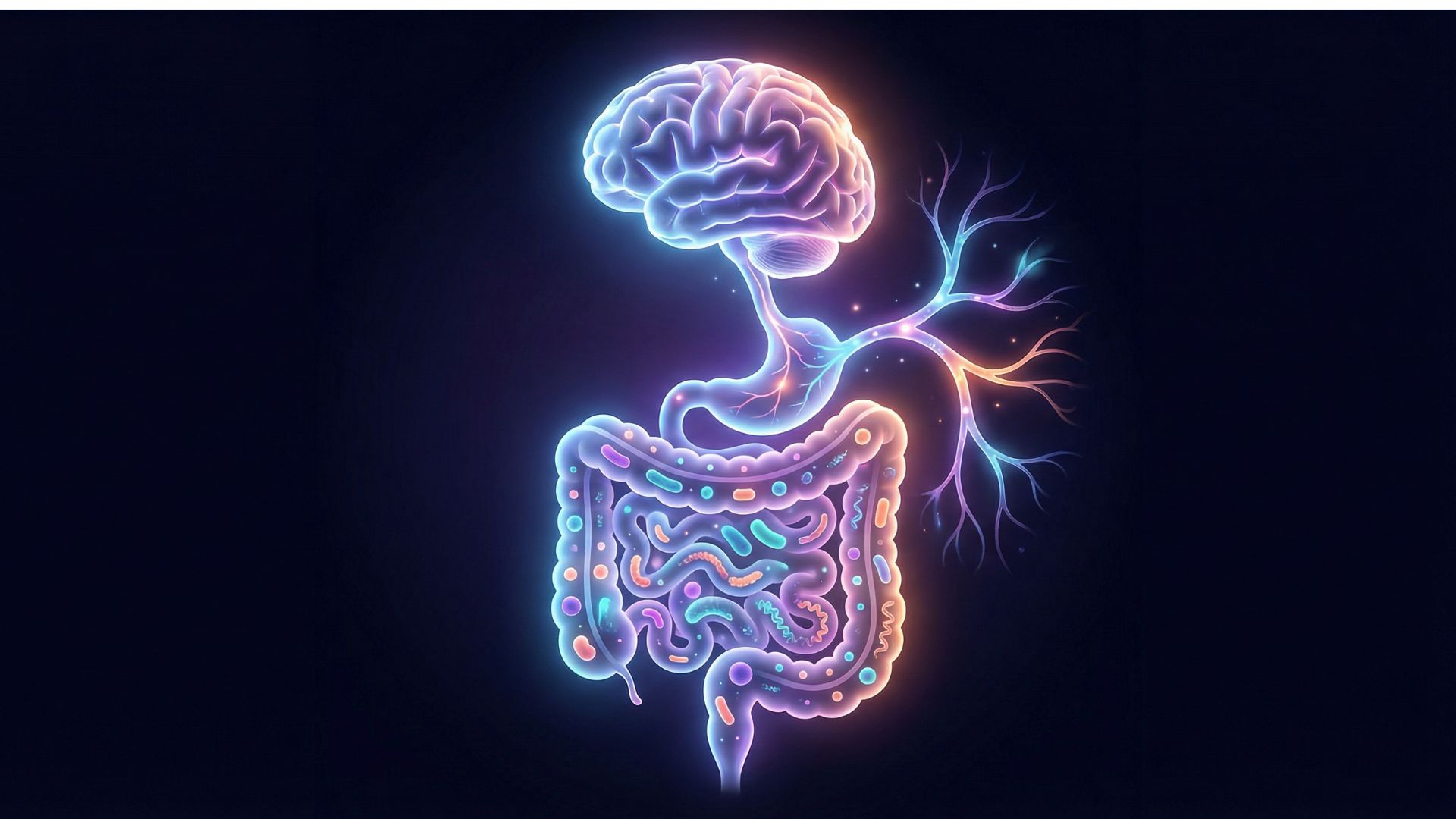
This specialized zinc compound deserves attention for anyone with digestive inflammation. Unlike regular zinc supplements, zinc L-carnosine adheres to damaged tissue in the stomach and intestinal lining, delivering zinc directly where healing needs to occur.
Research demonstrates zinc L-carnosine’s effectiveness for gastritis, ulcers and general gut inflammation. It protects the mucosal lining, accelerates healing of damaged tissue and helps maintain gut barrier integrity. People with H. pylori infection, NSAID-induced gut damage or inflammatory bowel conditions often benefit.
The compound appears to work partly by increasing heat shock proteins that protect cells under stress. It also has direct antibacterial effects against H. pylori. These mechanisms complement rather than replace conventional treatments when needed.
Standard dosing runs 75 to 150 mg daily, often split between morning and evening doses. Taking it away from meals allows better adherence to the gut lining. Most people tolerate it well without the digestive upset that high-dose regular zinc can cause.
Magnesium: the relaxation mineral
Magnesium deficiency affects a large percentage of the population and contributes to inflammation through multiple pathways. This essential mineral participates in over 300 enzymatic reactions including those governing inflammatory responses.
Low magnesium status correlates with elevated C-reactive protein and other inflammatory markers. Supplementation reduces these markers in deficient individuals. Beyond direct anti-inflammatory effects, magnesium supports stress resilience, sleep quality and blood sugar regulation, all of which indirectly affect inflammation.
Several forms of magnesium exist with different characteristics. Magnesium glycinate absorbs well and promotes relaxation without digestive upset. Magnesium citrate absorbs reasonably and supports bowel regularity. Magnesium threonate shows promise for brain penetration. Magnesium oxide absorbs poorly and mainly acts as a laxative.
Doses of 200 to 400 mg of elemental magnesium daily suit most people. Those with significant deficiency or high stress may benefit from higher amounts. Splitting doses improves absorption and reduces any laxative effect. Taking magnesium in the evening supports sleep.
Topical magnesium through Epsom salt baths or magnesium oil provides an alternative absorption route. Some people who don’t tolerate oral magnesium well find topical application effective. Soaking in Epsom salts also provides relaxation benefits beyond just magnesium absorption.
Quercetin: nature’s antihistamine
This flavonoid found in onions, apples and other plant foods acts as both an antioxidant and anti-inflammatory agent. Quercetin stabilizes mast cells that release histamine and other inflammatory compounds. People with allergies and histamine-related inflammation often find it helpful.
Beyond antihistamine effects, quercetin inhibits production of inflammatory cytokines and enzymes. It modulates the same NF-kB pathway that curcumin affects. Research shows benefits for conditions ranging from allergies to arthritis to cardiovascular disease.
Absorption of quercetin alone is limited. Combining it with bromelain, a pineapple enzyme, improves uptake. Some formulations use lipid-based delivery systems for enhanced bioavailability. Look for products addressing the absorption challenge.
Typical doses range from 500 to 1000 mg daily, often divided into two doses. Higher doses are sometimes used short-term for acute allergic reactions. Quercetin has an excellent safety profile with few reported side effects even at higher doses.
Resveratrol: the longevity compound
Found in red wine, grapes and Japanese knotweed, resveratrol activates sirtuins, proteins involved in cellular repair and longevity. Its anti-inflammatory effects occur partly through these sirtuin pathways and partly through direct antioxidant activity.
Research shows resveratrol reduces inflammatory markers and improves various metabolic parameters. It appears to mimic some effects of caloric restriction, which itself reduces inflammation. People interested in longevity often include resveratrol in their supplement regimens.
Trans-resveratrol is the active form to look for. Doses in studies typically range from 150 to 500 mg daily. Higher doses don’t necessarily provide additional benefit and may cause digestive upset in some people.
Absorption improves when taken with some fat. Resveratrol also synergizes with other polyphenols, so taking it alongside quercetin or curcumin may enhance effects of both. Some formulations combine multiple polyphenols for this reason.
Boswellia: the Ayurvedic anti-inflammatory
Boswellia serrata, also called Indian frankincense, has been used in traditional medicine for centuries. Modern research validates its anti-inflammatory effects, particularly for joint inflammation and inflammatory bowel conditions.
The active compounds in boswellia, called boswellic acids, inhibit 5-lipoxygenase, an enzyme that produces inflammatory leukotrienes. This mechanism differs from NSAIDs and other anti-inflammatory compounds, potentially allowing synergistic effects when combined.
Studies show benefits for osteoarthritis, rheumatoid arthritis, inflammatory bowel disease and asthma. Joint pain and stiffness often improve within weeks of starting supplementation. The effects build with continued use.
Look for extracts standardized to contain specific percentages of boswellic acids, particularly AKBA (3-O-acetyl-11-keto-beta-boswellic acid), the most potent fraction. Doses typically range from 300 to 500 mg of standardized extract taken two to three times daily.
Ginger: beyond the kitchen
Ginger root contains gingerols and shogaols that provide anti-inflammatory and antioxidant effects. Like turmeric, ginger has both culinary and medicinal applications. Regular consumption through food provides modest benefits while supplementation delivers more concentrated effects.
Research demonstrates ginger’s effectiveness for muscle pain, menstrual pain, osteoarthritis and nausea. It inhibits inflammatory prostaglandins and cytokines through mechanisms overlapping with but distinct from curcumin. Using both provides complementary coverage.
Fresh ginger incorporated into cooking and teas provides gentle, ongoing support. Supplemental ginger extracts deliver higher doses for more significant anti-inflammatory effects. Doses of 1 to 2 grams daily of dried ginger or equivalent extract are commonly used.
Ginger may thin blood slightly and could interact with blood-thinning medications. People on anticoagulants should discuss ginger supplementation with their healthcare providers. Otherwise, ginger has an excellent safety record with thousands of years of use.
Building your supplement protocol
Choosing supplements requires matching your specific needs with appropriate products. Not everyone needs every supplement mentioned. A targeted approach based on your situation produces better results than randomly taking everything.
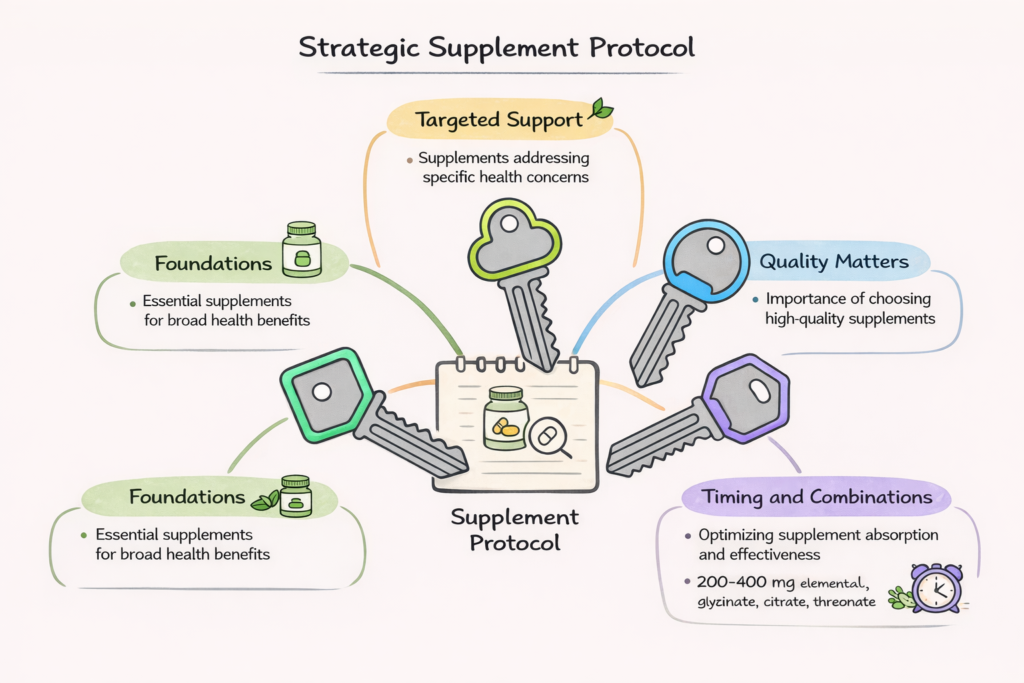
Start with foundations
Vitamin D, omega-3 fatty acids and magnesium address the most common deficiencies and provide broad anti-inflammatory support. Most people benefit from these regardless of their specific inflammatory condition. Get these foundations in place before adding more specialized supplements.
Testing guides vitamin D dosing. Omega-3 needs depend partly on dietary fish intake. Magnesium requirements vary based on stress levels, medications and individual biochemistry. Starting moderate and adjusting based on response works for most people.
Add targeted support
After establishing foundations, consider supplements targeting your specific issues. Gut inflammation warrants zinc L-carnosine and potentially glutamine. Joint problems respond well to boswellia and curcumin. Allergic inflammation benefits from quercetin. Cardiovascular concerns point toward tocotrienols.
Focus on two or three targeted supplements rather than trying everything at once. This approach allows you to assess what actually helps. Adding multiple new supplements simultaneously makes it impossible to know which ones matter for you.
Quality matters enormously
Supplement quality varies dramatically between brands. Cheap supplements often contain subtherapeutic doses, poorly absorbed forms or inadequate ingredient verification. The savings aren’t worth it if the product doesn’t work.
Look for brands that conduct third-party testing, use bioavailable forms and provide transparent labeling. Professional-grade supplements typically cost more but deliver what they promise. The investment pays off through actual results rather than wasted money on ineffective products.
Timing and combinations
Some supplements absorb better with food while others work best on empty stomach. Fat-soluble nutrients like vitamin D, omega-3s and tocotrienols need dietary fat for absorption. Water-soluble nutrients and gut-targeted supplements often work better away from meals.
Certain combinations enhance effects. Vitamin D with K2. Curcumin with piperine or fat. Quercetin with bromelain. Taking these combinations together maximizes benefit from each component.
Spreading supplements throughout the day maintains more consistent blood levels than taking everything at once. Morning and evening dosing suits most protocols. Some people add a midday dose for supplements with short half-lives.
Realistic expectations
Supplements support but don’t replace other anti-inflammatory interventions. Taking fish oil while eating seed oils daily won’t produce results. Curcumin can’t overcome the inflammation from chronic sleep deprivation. Supplements work when the foundations are in place.
Timeframes for noticing benefits vary. Some supplements produce effects within days while others require weeks or months. Vitamin D often takes four to six weeks to show full effects as blood levels rise. Gut-healing supplements need time for tissue regeneration. Patience during the initial period prevents premature abandonment of helpful interventions.
Cost adds up when taking multiple supplements long-term. Prioritize the interventions most likely to help your specific situation. Once inflammation resolves, maintenance protocols typically require fewer supplements at lower doses. The intensive phase doesn’t last forever.
Working with practitioners
Professional guidance helps navigate supplement choices, especially for complex conditions or when taking medications. Knowledgeable practitioners can recommend specific products, suggest testing to guide dosing and monitor progress objectively.
Potential interactions between supplements and medications deserve consideration. Fish oil affects blood clotting. Magnesium interacts with certain antibiotics. Curcumin may affect drug metabolism. A practitioner familiar with both supplements and pharmaceuticals can identify concerns.
Functional medicine practitioners, naturopathic doctors and integrative physicians typically have deeper supplement knowledge than conventional doctors. Finding someone who understands both conventional and natural approaches provides the best guidance for comprehensive inflammatory conditions.
Your next step
Supplements provide valuable tools for reducing inflammation when used strategically. The compounds covered here have solid research support and long track records of safe use. Matching specific supplements to your needs, using quality products at appropriate doses and maintaining realistic expectations positions you for success.
This guide to natural anti-inflammatory supplements completes the satellite content supporting our comprehensive approach to inflammation. Each piece, from dietary strategies to stress management to targeted supplementation, contributes to the larger goal. Returning to the complete guide on reducing inflammation naturally helps you see how all these pieces fit together into a coherent strategy for reclaiming your health from chronic inflammation.
*Sponsored recommendation. Results may vary. Consult your healthcare provider before starting any supplement.