





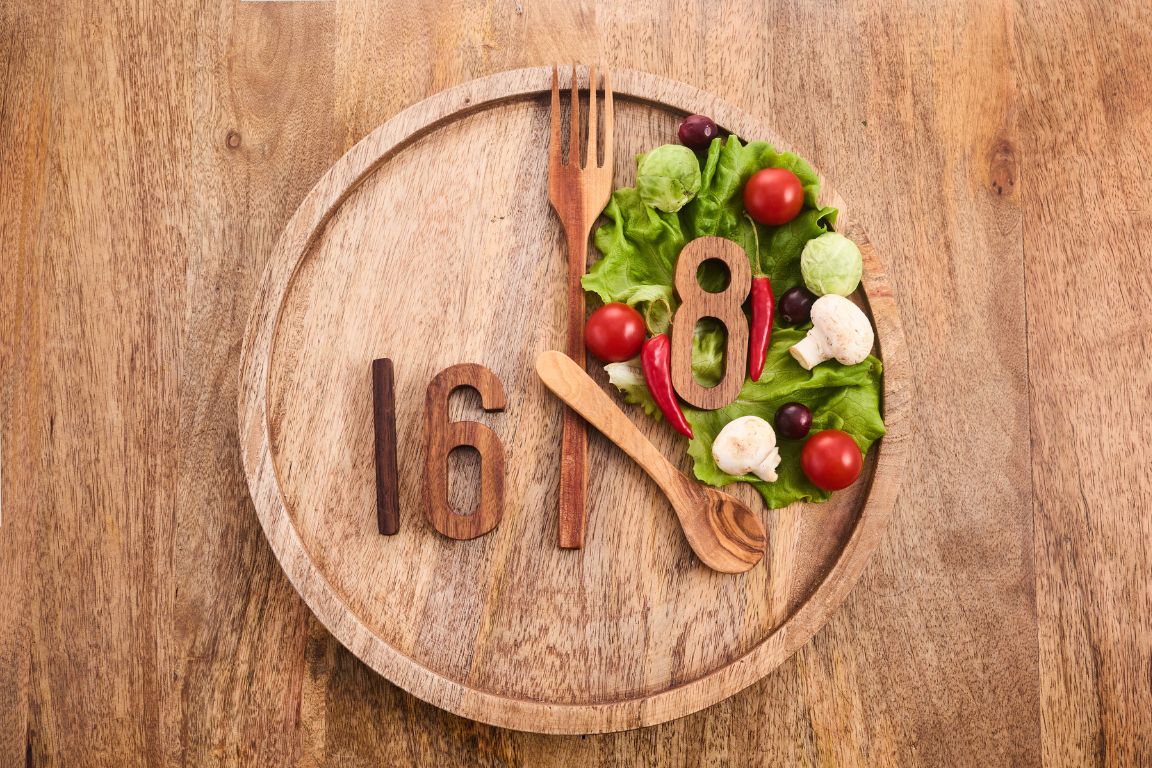
That growling stomach at 10 AM isn’t real hunger, it’s just your body throwing a tantrum because you skipped the morning donut routine. Most people discover this truth within their first week of 16:8 intermittent fasting, when they realize their lifelong “hunger” was actually just habit dressed up as necessity. This simple eating pattern, where you fast for 16 hours and eat within an 8-hour window, has become the gateway drug to metabolic health for millions of people worldwide.
Why 16:8 works when diets fail
Traditional diets fail because they fight against your biology, demanding constant willpower to resist foods your body craves. The 16:8 approach works with your natural hormonal rhythms, allowing you to eat satisfying meals while still achieving the metabolic benefits of fasting. By compressing your eating into eight hours, you give your body a 16-hour break from digestion and insulin production every single day.
This eating pattern fits seamlessly into most lifestyles. Skip breakfast, eat lunch at noon, dinner by 8 PM, and you’ve nailed it. No complicated meal plans, no counting macros unless you want to, and no special foods required. The simplicity itself becomes the secret weapon against the complexity that derails most dietary changes.
Research consistently shows that people find 16:8 more sustainable than traditional calorie restriction. A 12-month randomized study found participants following time-restricted eating maintained better adherence rates while achieving significant decreases in body fat, inflammation markers, and insulin resistance compared to standard dietary interventions.
The gradual transition strategy
Jumping straight from six meals a day to a 16-hour fast is like learning to swim by jumping into the deep end. Sure, some people manage, but why make things harder than necessary? The smart approach involves gradually extending your overnight fast until you reach that 16-hour sweet spot.
Start by eliminating snacks between meals. This alone represents a massive victory for many people who’ve been grazing constantly throughout the day. Once you’re comfortable with three meals and no snacks, begin pushing breakfast later by 30 minutes each day. Your body adapts remarkably quickly when you give it time to adjust.
During this transition, that morning cortisol spike around 8 AM might convince you that you’re starving. This hormonal surge happens whether you eat or not, preparing your body for the day ahead. Most people find that if they push through this temporary sensation with some black coffee or green tea, the hunger disappears within 20 to 30 minutes, replaced by mental clarity and sustained energy.
Breaking the breakfast myth
The idea that breakfast is the most important meal of the day ranks among the most successful marketing campaigns in history, right up there with diamonds being forever. This notion, heavily promoted by cereal companies and the sugar industry, has no basis in human physiology or evolutionary history.
Your body doesn’t suddenly malfunction without morning food. In fact, extending your overnight fast allows growth hormone levels to remain elevated, promoting fat burning and muscle preservation. Studies show that people who skip breakfast often have better metabolic markers than those who eat early, provided they’re not compensating with late-night snacking.
The real question isn’t whether you need breakfast but whether you’re actually hungry or just eating from habit. After years of conditioning, distinguishing between true hunger and mealtime programming takes practice. The beauty of 16:8 fasting lies in relearning these natural hunger signals that modern eating patterns have scrambled beyond recognition.
Navigating the eating window
What you eat during your eight-hour window matters just as much as when you eat. Loading up on refined carbohydrates and processed foods during your eating window sabotages the metabolic benefits you’re working to achieve. Think of your eating window as prime time nutrition, not a free pass to eat garbage.
Begin each meal with vegetables or salad dressed with olive oil and vinegar. This combination provides fiber to buffer insulin response, healthy fats for satiety, and acetic acid to improve insulin sensitivity. The fiber feeds beneficial gut bacteria while the vinegar actively lowers blood sugar response to whatever you eat next.
Protein and fat should make up the bulk of your meals, with carbohydrates playing a supporting role rather than starring. Adding healthy fats like avocado, nuts, or cheese at the end of meals extends satiety well into your fasting period. Many beginners find that ending dinner with a small portion of macadamia nuts or aged cheese eliminates evening cravings entirely.
Common roadblocks and solutions
The adaptation period typically lasts two to three weeks, during which your body learns to efficiently switch between fed and fasted states. Temporary fatigue, headaches, or irritability often indicate electrolyte imbalances rather than true hunger. Supplementing with sodium, potassium, and magnesium usually resolves these symptoms within hours.
Social situations present unique challenges when your eating window doesn’t align with dinner invitations or breakfast meetings. Flexibility remains key to long-term success. Occasionally adjusting your window for special events won’t derail your progress, though returning to your regular schedule immediately afterward prevents drift.
Many people sabotage their progress with liquid calories during fasting periods. That splash of milk in coffee, the honey in tea, or the lemon water with added sugar all trigger insulin responses. Stick to black coffee, plain tea, and water during fasting hours. If you absolutely need something in your coffee, a tablespoon of MCT oil provides energy without significantly impacting insulin, though purists would argue this technically breaks the fast.
Enhancing results with strategic additions
While 16:8 provides substantial benefits alone, certain additions accelerate results. Apple cider vinegar in water, consumed with or between meals, improves insulin sensitivity and reduces appetite. Green tea throughout the fasting period provides gentle energy while supporting fat oxidation.
Exercise timing matters less than consistency, but many people report enhanced fat burning and mental clarity when training near the end of their fasting window. Avoid the temptation to consume pre or post-workout supplements that break your fast. Your body has plenty of stored energy and amino acids to support exercise without immediate feeding.
Combining 16:8 with a low-carbohydrate approach amplifies benefits, though it’s not strictly necessary. Keeping carbohydrates around 20 to 30 grams per meal prevents blood sugar spikes that trigger hunger during fasting periods. This combination naturally evolves for many people as they discover which foods support their fasting practice.
Measuring success beyond the scale
Weight loss often stalls temporarily as your body adjusts to the new eating pattern, but other improvements continue. Energy levels stabilize without the typical afternoon crash. Mental fog lifts, replaced by sustained focus that many describe as feeling mentally younger. Sleep quality improves as your body establishes clear feeding and fasting rhythms.
The most reliable indicator of success isn’t the number on the scale but your relationship with hunger. When you can comfortably fast for 16 hours without obsessing about food, you’ve achieved metabolic flexibility. This adaptation typically occurs within four to six weeks of consistent practice.
Blood markers tell the real story of transformation. Fasting glucose, insulin levels, triglycerides, and inflammatory markers all improve with consistent 16:8 practice. Many people reverse prediabetes within months, often surprising doctors who expected medication would be necessary.
Conclusion
The 16:8 intermittent fasting pattern offers an accessible entry point into the powerful world of time-restricted eating. By gradually adapting to a 16-hour daily fast, you reset hunger hormones, improve insulin sensitivity, and unlock metabolic flexibility that modern eating patterns have suppressed. The journey from constant grazing to comfortable fasting typically takes just a few weeks, but the benefits extend for a lifetime.
Once you’ve mastered the 16:8 pattern and want to explore advanced protocols for accelerated results, discover how OMAD and extended fasting methods can take your health transformation to the next level.
What time of day do you find yourself struggling most with hunger, and is it genuine need for food or just deeply ingrained eating habits calling?